










Moscow Mechanism: OSCE pressure on Georgia and Belarus Article by Vladimir Tskhvediani
On March 12, 2026, the OSCE released a report prepared under the so-called Moscow Mechanism, a procedure that enables the deployment of expert missions to assess the human rights situation in a participating state. The mechanism was invoked in relation to Georgia. The report examines developments in Georgia since the spring of 2024 and, in substance, echoes the key narratives advanced by the radical pro-Western opposition and its self-styled “European” backers.
The OSCE mission’s report pointed to a “marked democratic backsliding” in Georgia, while its “recommendations” to the country’s authorities largely reiterated previous ultimatum-like demands from Brussels.
Among them were calls for the release of all “prisoners held for political reasons” (including those accused of organizing unrest and attempted coups), as well as the repeal of laws aimed at protecting national sovereignty and traditional values (including legislation banning LGBT propaganda). In addition, citing the Rome Statute, the mission recommended that its signatories consider the possibility of referring the Georgian case to the International Criminal Court.
The Georgian government swiftly criticized the OSCE mission’s report, conducted under the Moscow Mechanism, making it clear that it had no intention of yielding to such pressure. Georgian Prime Minister Irakli Kobakhidze stated that “the Report by the OSCE Fact-Finding Mission under Moscow Mechanism is full of lies.”
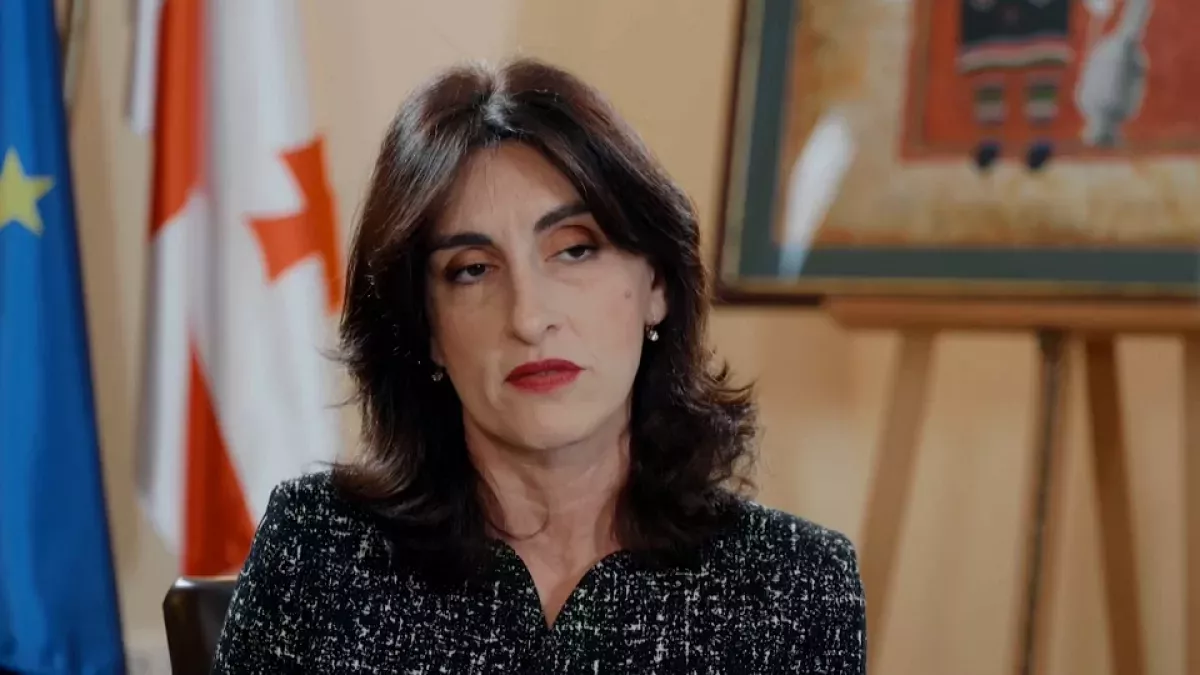
In turn, Georgia’s Foreign Minister, Maka Botchorishvili, stated in an interview with the Imedi TV channel that the Polish OSCE expert had not included materials submitted by the Georgian government in the report. According to her, the final document “serves the narrow interests of certain countries,” and the OSCE itself “is being used against Georgia.”
By contrast, the OSCE mission’s report was enthusiastically welcomed by Georgia’s pro-Western opposition. According to Giga Lemonjava, a representative of the Droa party, it has shaped an “entirely new international reality.”
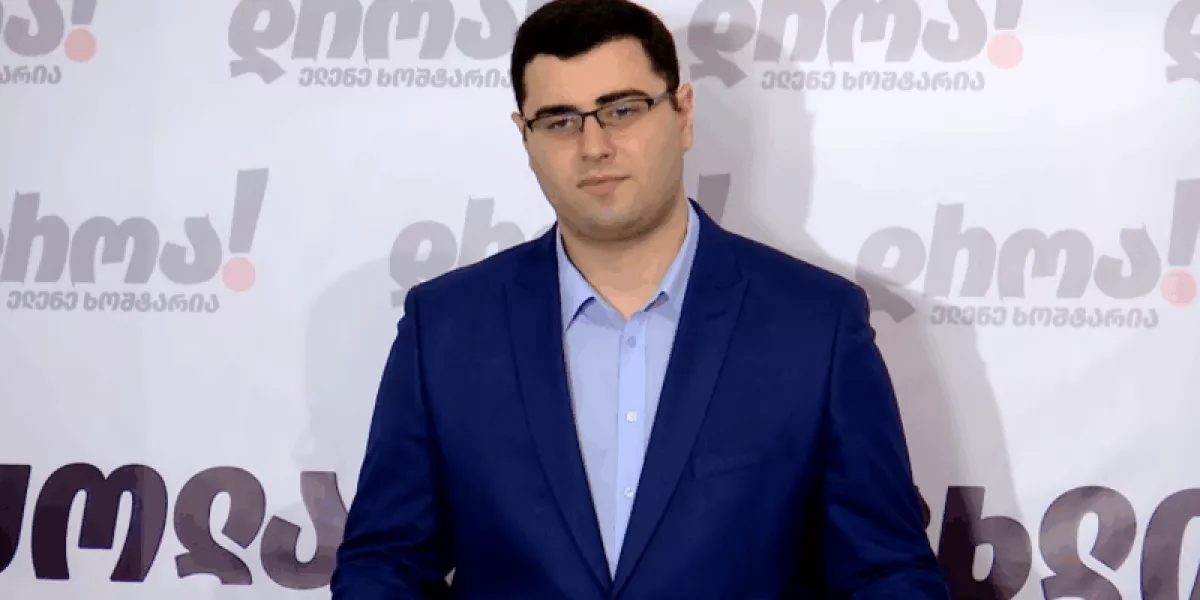
“Until now, for the international community the Ivanishvili regime was simply illegitimate; today, in addition to being illegitimate, it is already an accused regime,” Giga Lemonjava stated.
According to him, following the publication of the OSCE report, the "Opposition Alliance” intends to act along four main tracks:
First, to coordinate with the UN High Commissioner for Human Rights in order to involve the office in examining the situation in Georgia and implementing its mandate;
Second, to cooperate with the OSCE in “investigating” the alleged “use of chemical weapons”;
Third, to actively engage with French investigative authorities, including the prosecutor’s office, to initiate a case against Bidzina Ivanishvili, the founder of Georgian Dream;
Fourth, to push for the launch of an International Criminal Court investigation “against the Ivanishvili regime.”
Thus, the opposition has once again demonstrated that it is placing its bets almost entirely on external, so-called “international” pressure on its own government. This, in essence, suggests that it has lost a significant portion of its domestic support within Georgia and is increasingly less reliant on its own citizens.
To understand the potential consequences of invoking the OSCE’s Moscow Mechanism with regard to Georgia, it is useful to look at the similar experience of another post-Soviet country—Belarus—where it was applied under comparable circumstances (the defeat of the pro-Western opposition in elections and the failure of “Maidan”-style protests).
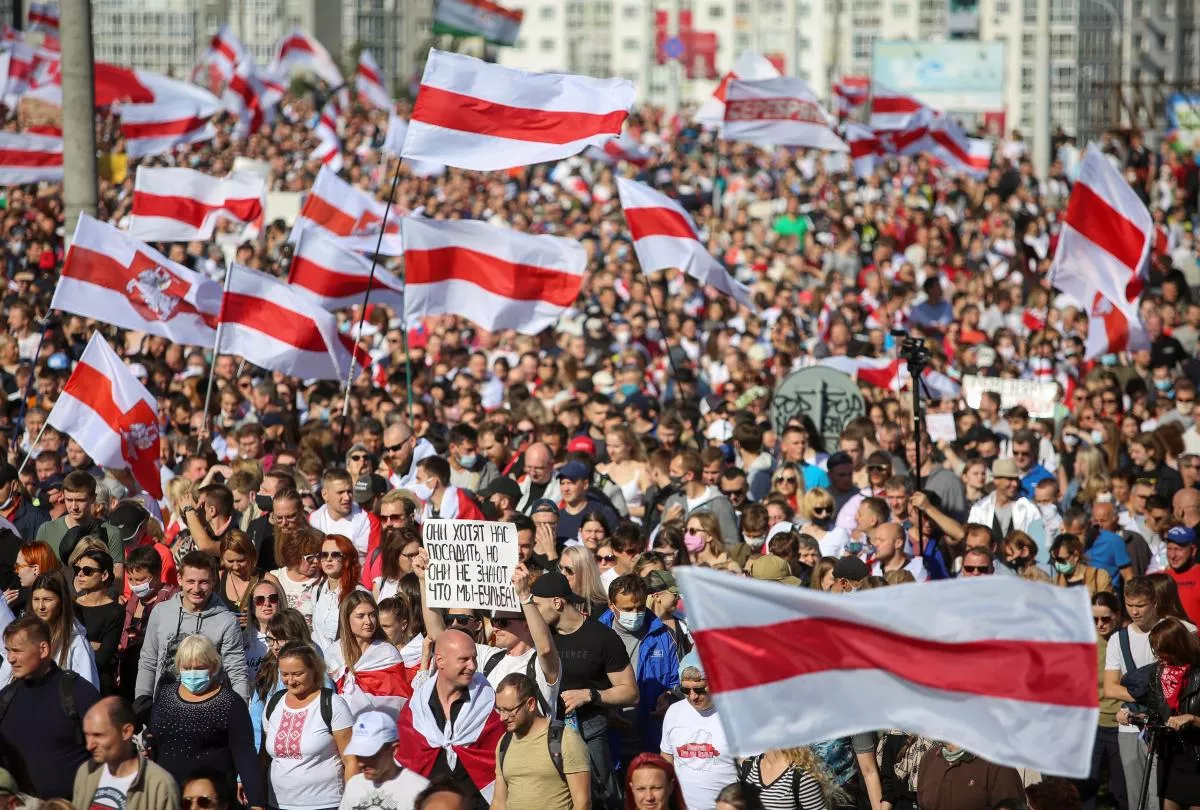
The OSCE’s Moscow Mechanism was invoked three times in relation to Belarus and, in effect, was directed against the country’s incumbent leadership headed by Alexander Lukashenko.
It was first invoked in 2011 (following the December 2010 presidential election), then in September 2020 (after the August 2020 election and the failure of “Maidan”-style protests), and a third time in March 2023.
The relaunch of the Moscow Mechanism with regard to Belarus in 2023 came after it became clear that the country’s authorities were effectively ignoring OSCE ultimatums, while the Belarusian opposition—led by Sviatlana Tsikhanouskaya, who had been proclaimed the “legitimate president”—had lost the trust of even some citizens critical of the incumbent government.
Under these circumstances, 38 OSCE participating states, seeking to support the pro-Western opposition, once again initiated the mechanism to assess the human rights situation (in the case of Georgia, such an initiative was backed by 23 OSCE countries).
However, the “triple” invocation of the mechanism with regard to Belarus, as well as the openly anti-Lukashenko OSCE mission reports alleging “human rights violations,” failed to produce any tangible results. Belarus’s representative to the OSCE Permanent Council stated outright that the process had yielded zero effect. Moreover, Alexander Lukashenko’s position only grew stronger.
Today, within Belarus itself, the OSCE’s attempts to support the opposition through the Moscow Mechanism have largely been forgotten. While some opposition figures were released last year, this was not the result of OSCE pressure but rather of negotiations between Minsk and Washington. Notably, the key outcome of these talks was not the fate of the opposition, but the lifting of U.S. sanctions on Belaruskali—one of the world’s largest producers of potash fertilizers.
It can be assumed that, in Georgia’s case as well, the pro-Western opposition’s reliance almost exclusively on external support and “European” pressure may lead to a similar outcome. The opposition risks ultimately losing what remains of its public backing.
Moreover, it is unlikely that Georgian citizens, who possess a strong sense of national dignity—even if they are critical of the ruling Georgian Dream party—will respond positively to attempts by the "Opposition Alliance” to seek “justice” in foreign jurisdictions, particularly in France, by initiating investigations against Bidzina Ivanishvili.
Georgia, unlike a number of African countries, was never a French colony and has no intention of becoming one. And while politicians such as Giga Lemonjava or Salome Zourabichvili may entertain the idea that the country’s fate could be decided in Paris, a significant portion of Georgian society holds a fundamentally different view.
By Vladimir Tskhvediani, Georgia, exclusively for Caliber.Az







 editor@caliber.az
 +994 55 444-88-98
 Азербайджан, Баку, ул. Низами, 203, Af Business House, 5-й этаж