










NATO faces survival test amid EU refusal Trust in tatters
The persistent dissatisfaction of U.S. President Donald Trump with both the European Union and NATO appears to be on the verge of evolving into a deep and enduring crisis, one that could take on a prolonged character.
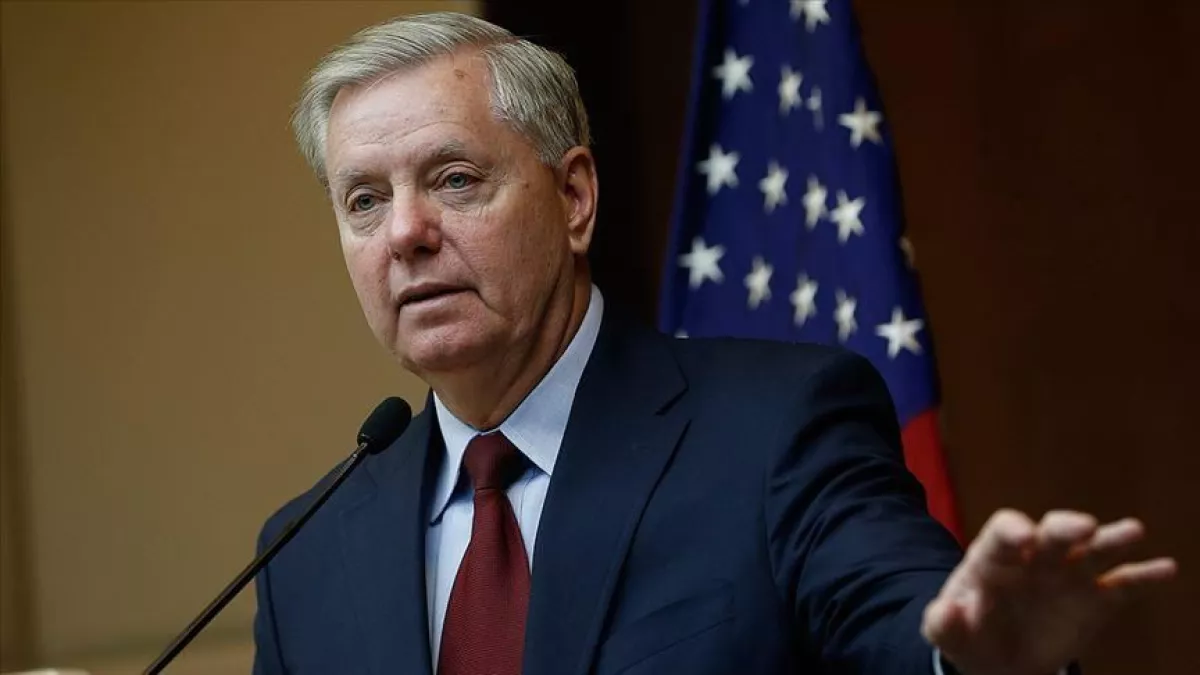
In particular, according to one of the White House chief’s closest allies, Republican Senator Lindsey Graham, the refusal of European countries to participate in securing the Strait of Hormuz amid tensions with Iran could lead to “serious consequences.” He stressed that the American president is angered by the fact that allies are shifting responsibility for regional stability entirely onto Washington, despite having their own economic interests, and noted that he had never seen Donald Trump “so enraged” before.
It should be recalled that the governments of several European countries have stated that they do not plan to deploy naval vessels to escort tankers in the Strait of Hormuz.
Thus, German Chancellor Friedrich Merz noted that Berlin would require a mandate from the UN, the EU, or NATO for such a step—something that does not currently exist—and that Washington had not consulted its allies prior to launching military operations.
For its part, Poland justified its refusal by arguing that the conflict does not pose a direct threat to its security. “Poland's government does not plan any expedition to Iran, and this does not raise any doubts on the part of our allies,” said the country’s Prime Minister, Donald Tusk.
A sharper statement on the issue came from French President Emmanuel Macron, who declared that France had not chosen the war with Iran initiated by the United States and Israel, and therefore would not take part in the operation to protect the Strait of Hormuz.
The list of countries refusing to participate also includes the United Kingdom, South Korea, Japan, Australia, and others.
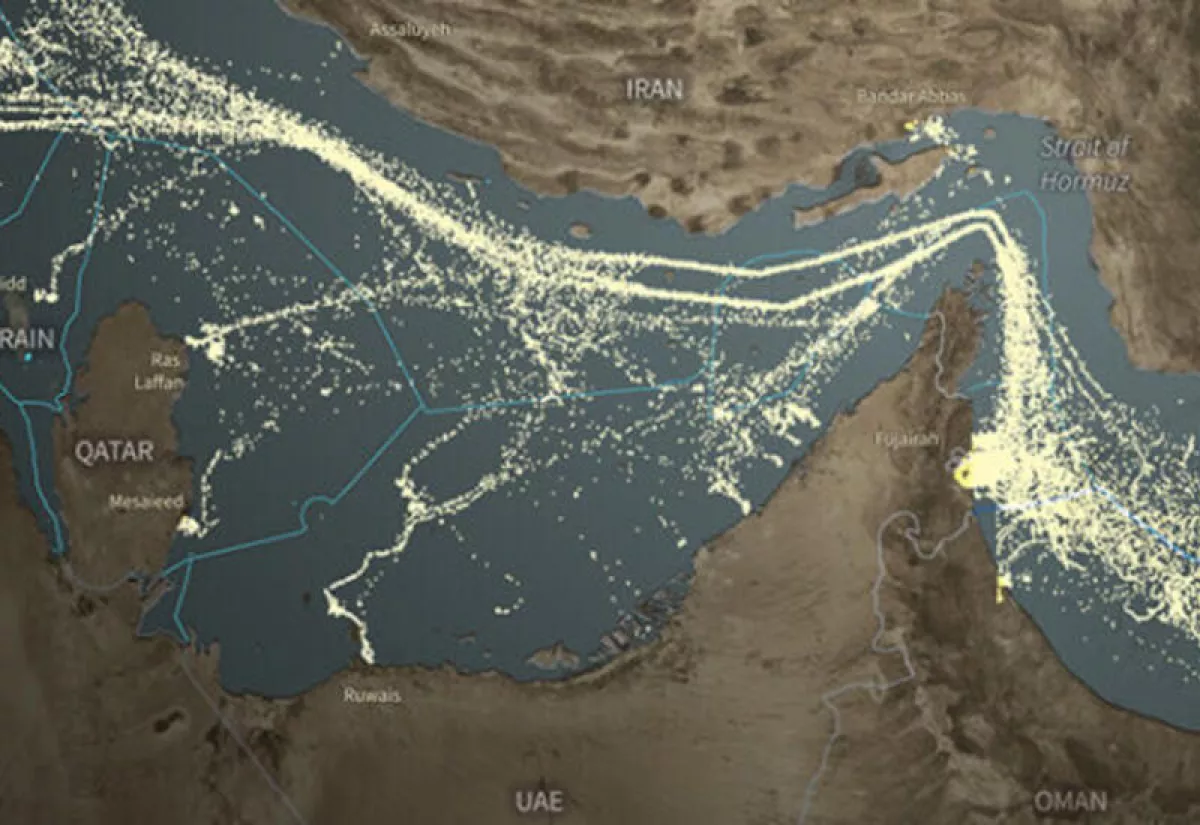
At the same time, the effective blockade of this vital maritime artery—triggered by the confrontation between Iran and the U.S.–Israel bloc, which has drawn in countries across the Middle East and beyond—has already had, to put it mildly, a negative impact on the economies of many states.
Given that, in peacetime, around 20 million barrels of crude oil and petroleum products passed through the Strait of Hormuz daily—accounting for roughly a quarter of global seaborne oil trade and about one-fifth of total global consumption—even a short-term closure could keep prices for “black gold” above $100 per barrel, while a prolonged blockade could drive them up to a record $140–200.
In addition, the closure of Hormuz has jeopardised LNG supplies from Qatar and paralysed maritime traffic in the region, forcing the world to seek alternative routes. However, this is only the economic dimension of the problem.
Politically, as noted above, the situation is negatively affecting relations between the United States and NATO. Expressing his dissatisfaction with allies who refused to assist in securing passage through the Strait of Hormuz, Donald Trump stated in particular that “there are some countries that greatly disappointed me. What does surprise me is that they’re not eager to help.”
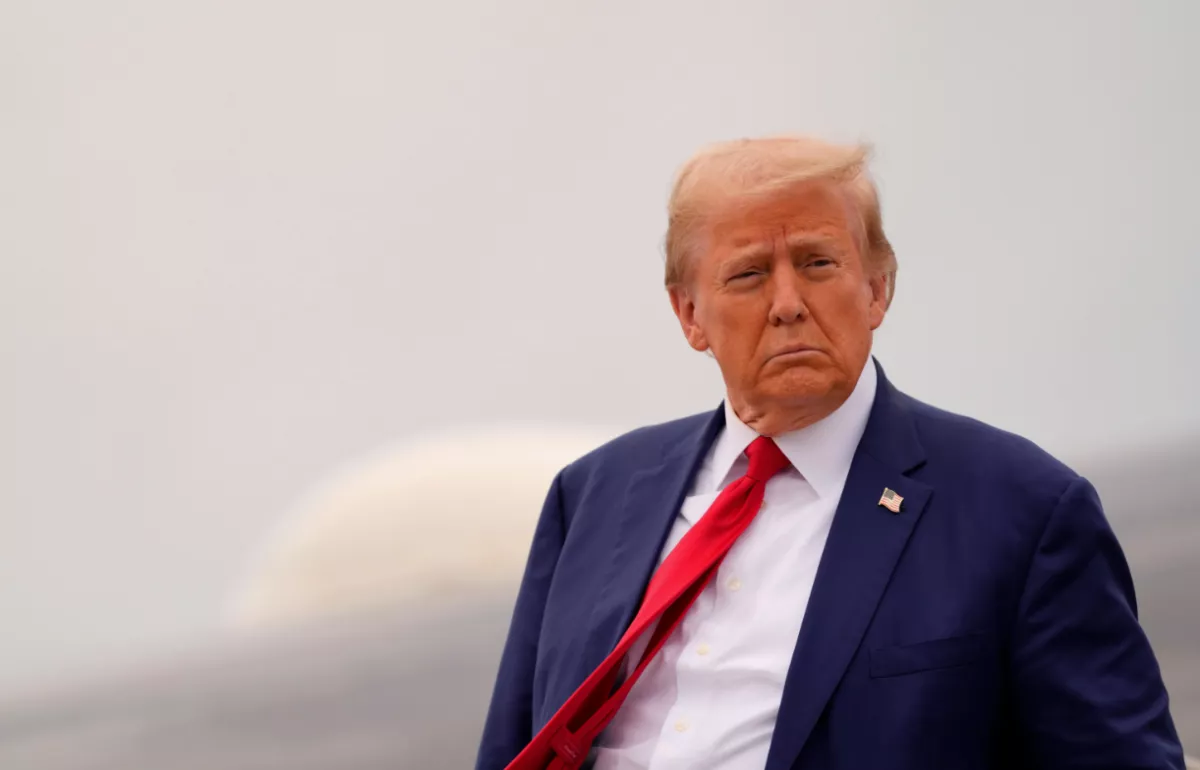
“Numerous countries have told me they're on the way. Some are very enthusiastic about it, and some aren't. Some are countries that we've helped for many, many years. We've protected them from horrible outside sources, and they weren't that enthusiastic. And the level of enthusiasm, it matters to me [...] My attitude is we don’t need anyone,” the White House chief emphasised.
At the same time, the American president did not miss the opportunity to send a tough message to partners. In an interview with Financial Times, Donald Trump stated that the future of the alliance could be “very bad” if allies fail to help ensure the security of the Strait of Hormuz: “It’s only appropriate that people who are the beneficiaries of the Strait will help to make sure that nothing bad happens there. If there's no response or if it's a negative response, I think it will be very bad for the future of NATO.”
As a result, the U.S. administration is planning to announce the creation of an international coalition to escort vessels through the strait. It is expected that several countries that have agreed to participate in the operation will join it.
In principle, Donald Trump had criticised the alliance before. Back in March 2016, while running for president, he remarked that NATO had outlived its usefulness. In an interview with ABC, he said the alliance was incapable of effectively dealing with terrorism and therefore should either be reformed or replaced by another organisation: “What I am saying is that NATO is obsolete and it is extremely expensive to the United States—disproportionately so. We should readjust NATO, and it is going to have to be either readjusted to take care of terrorism, or we are going to have to set up a new coalition, a new group of countries to handle terrorism. Terrorism is out of control.”
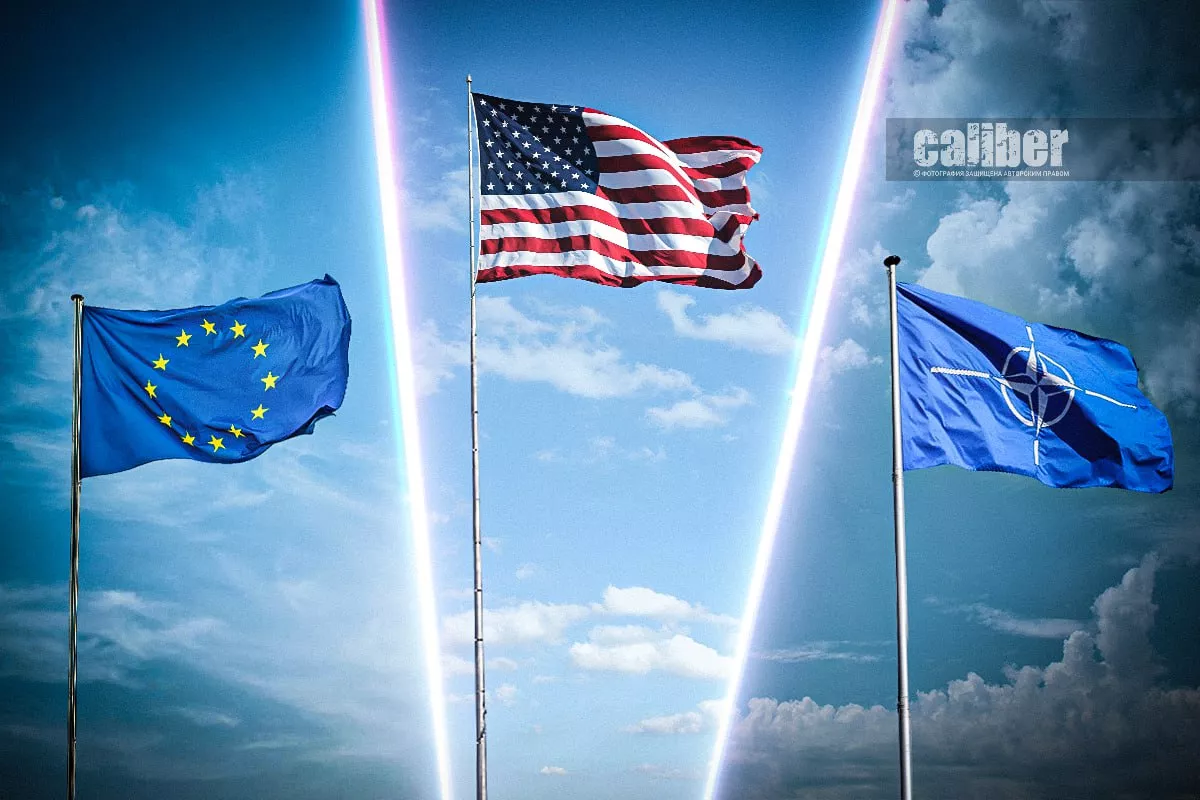
Against the backdrop of deep frustration with NATO partners, it is worth asking what measures the United States might take against member countries of the alliance. It seems likely that future communication between the parties could undergo a significant transformation. For example, the U.S.—as the backbone of the bloc, providing around 70 per cent of NATO’s military spending and Europe’s nuclear umbrella—could substantially reduce its participation in NATO missions and weaken security guarantees for member states, calling into question the very concept of collective defence, while justifying these moves through a new National Security Strategy. As a result, Europe could become a lower priority for Washington.
Thus, it cannot be ruled out that NATO may evolve into an alliance with elements of bargaining and pressure. Consequently, member states could face a difficult situation, having to address pressing issues independently, without reliance on Washington, while most NATO members already have more than enough complex problems to manage. Whether they are capable of bearing such a burden remains a rhetorical question.







 editor@caliber.az
 +994 55 444-88-98
 Азербайджан, Баку, ул. Низами, 203, Af Business House, 5-й этаж