










Azerbaijani investments target Central Asia’s tourism sector From luxury resorts to wellness complexes
Azerbaijan has long been recognised as a major regional investor, with tourism and the hotel industry ranking among the key priorities for domestic investors outside the oil sector. Over the past 10–12 years, Azerbaijani companies have invested in developing the recreational business in Montenegro, Türkiye, and Georgia, have entered the sanatorium sector in Russia, and are exploring seaside resorts in Albania. A new vector for tourism investment is emerging in the member countries of the Organisation of Turkic States (OTS). For example, by the autumn of this year, Azerbaijani investors, together with Kazakh partners, are expected to begin construction of the “Alakol” health and wellness complex in the Abai region of Kazakhstan.
One of the most attractive areas for Azerbaijani private businesses in recent years has been the construction of hotels, recreational zones, and other tourism infrastructure in the Caspian–Black Sea region—for example, in Türkiye, the North Caucasus, as well as participation in the capitalisation of European resorts. Now, Azerbaijani investors are beginning to explore the substantial recreational market of Central Asian countries.
The reason is straightforward: these regions offer higher returns due to large tourist flows, and multi-season demand allows for faster payback than in Azerbaijan. Additionally, Azerbaijani investors participating in overseas tourism projects often gain foreign residency, fiscal incentives, access to low-interest international capital, and other advantages.
Overall, it is typical for the tourism sector to involve national capital in transnational international projects. Most well-known hotel brands are built and developed under a similar co-financing model. Most importantly, participation of Azerbaijani companies in large international tourism projects provides invaluable experience and exposure to advanced industry know-how—knowledge that can be implemented in the future to further develop tourism directly in Azerbaijan.

A notable example is the largest Azerbaijani investments in Montenegro’s tourism sector: in 2014, work began on building a modern resort in the town of Kumbor on the Adriatic coast. With the participation of Azerbaijani investors, a 3.5 square kilometres area was developed into the luxury Portonovi Resort Montenegro, which will become part of Europe’s largest resort, One&Only. “One of the most beautiful resorts in Montenegro was built with Azerbaijan’s participation, and the total investment reached $1 billion, with prospects for further expansion of the project,” said Montenegro’s Minister of Tourism, Simonida Kordic, in Baku in September of last year.
The experience Azerbaijani investors gained in Montenegro is likely to be applied to other Southern European countries. For instance, Albania’s Adriatic coastline offers significant opportunities, with 80% remaining undeveloped, and the Albanian government has repeatedly expressed interest in attracting Azerbaijani investment in its tourism sector.
Domestic investors have also been quite active in the capitalisation of Türkiye’s hotel sector, acquiring stakes in Turkish and international hotel chains (for example, Hilton) in popular seaside resorts. Over the past decade, leading Azerbaijani holdings have become full owners of luxury hotels in Bodrum and Istanbul, as well as boarding houses in several other Turkish tourist centres.
The Georgian tourism market is equally a priority. In Batumi alone, Azerbaijani businesses own two five-star hotels—Semiramis Gardens and London—and local companies, in cooperation with Georgian partners, have invested in hotel properties in Tbilisi. Meanwhile, several years ago Azerbaijani entrepreneurs increased their presence in the tourist zones of Russia’s North Caucasus, investing in two sanatoriums in Yessentuki and Zheleznovodsk.
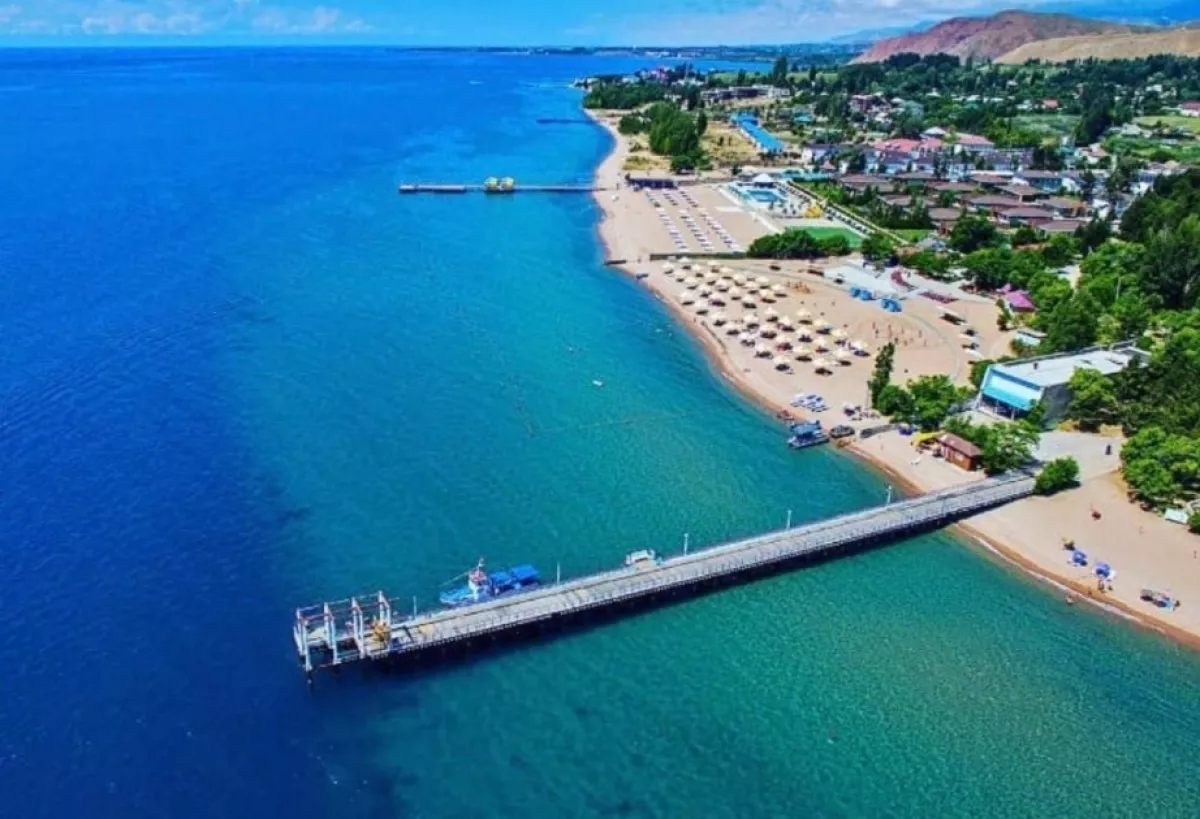
A fundamentally new vector for Azerbaijani business is the Central Asian region: within the framework of OTS partnerships, several joint investment projects in the recreational sector have been developed. “In Kyrgyzstan, a modern five-star hotel on the shore of Lake Issyk-Kul is scheduled to open in the summer of 2026, with construction being carried out by the Azerbaijani side,” said Maksat Mamytkanov, Kyrgyzstan’s ambassador to Azerbaijan, on March 17. “The project is in its final stages, and the launch of this modern tourist facility will, among other things, create conditions for increasing tourist travel from Azerbaijan to Kyrgyzstan and expand the geography of mutual visits.”
The largest Azerbaijani investments in Central Asia are being made in Uzbekistan. Baku and Tashkent are successfully integrating their national economic systems, establishing joint ventures in the automotive industry, cotton cultivation, textiles, food production, port operations, and several other sectors. Last year, a joint project was launched to create the Sea Breeze Uzbekistan tourist complex on the shore of the Charvak Reservoir, with around 600 hectares of land allocated for its development. Meanwhile, with Azerbaijani investment, construction is underway on a five-star Ritz-Carlton hotel in Tashkent.
A large-scale recreational project is also being prepared in Kazakhstan’s Abai region, where the Alakol Lake shoreline is planned to be expanded and developed in the style of Türkiye and Egypt. Chinese investors are expected to participate in building hotel complexes along the coast. Azerbaijan has joined this international project as well—with Azerbaijani investors constructing the Alakol health and wellness complex. The joint investment, estimated at approximately $20 million, will create a multi-season tourist facility capable of accommodating up to 800 guests at once. The complex will offer sanatorium and resort treatment, rehabilitation, medical and wellness services, SPA facilities, hotel services, and tourist support.
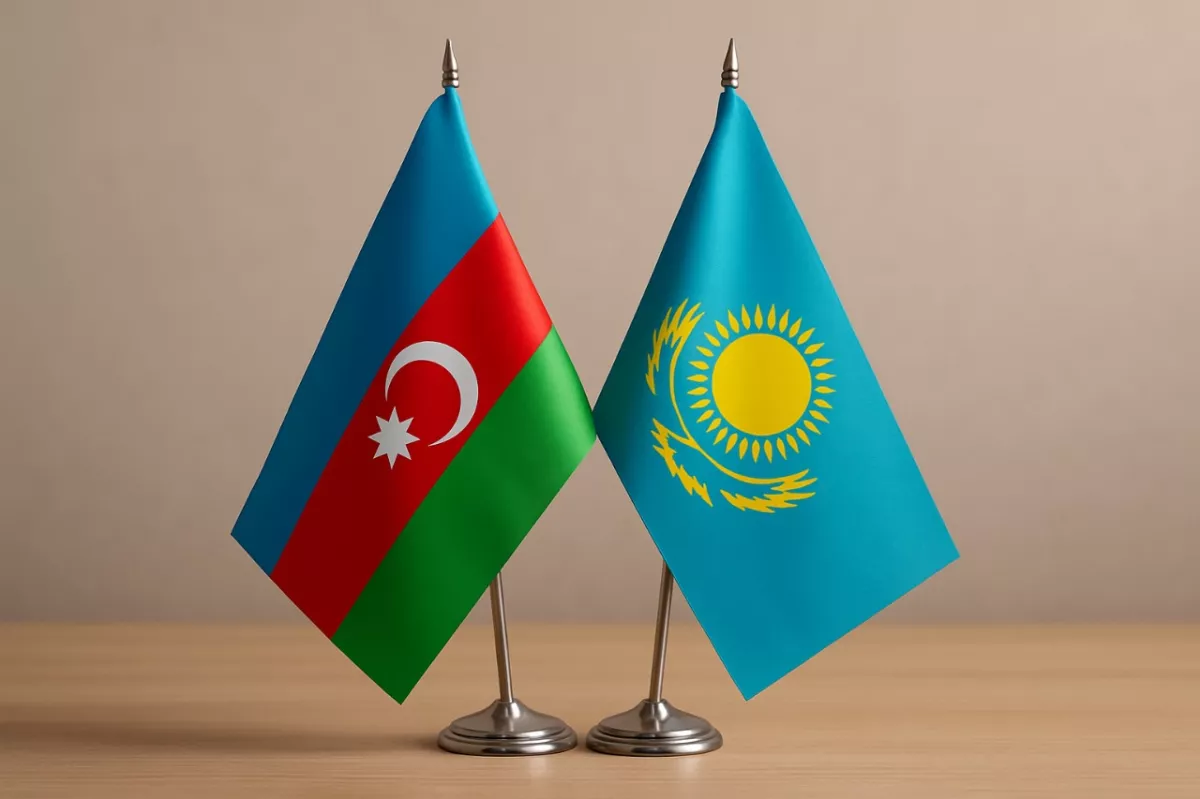
According to widely reported information from the State Institution Tourism Department of the Abai Region, the project is currently at the pre-design stage. After the construction site is finally approved and all necessary regulatory procedures are completed, construction is planned to begin in the fourth quarter of 2026. The erection of the facility and its commissioning are expected to take three years from the start of construction.
“The participation of the Azerbaijani side in the project is planned in the form of joint investments, with the possibility of creating a joint venture involving both parties. The final cooperation model is currently under agreement between the sides,” the Department added.
The Tourism Department of the Abai Region also noted that the project includes knowledge transfer, with foreign specialists, including those from Azerbaijan, to be involved. Further expansion of the project is also planned, with additional investment initiatives from Azerbaijani capital.







 editor@caliber.az
 +994 55 444-88-98
 Азербайджан, Баку, ул. Низами, 203, Af Business House, 5-й этаж