










Peaceful rhetoric and military realities How Armenia is quietly building a next-generation army
In August 2025, a Joint Declaration was signed in Washington, and the text of a peace agreement between Baku and Yerevan was initialled—an event widely regarded as an important prerequisite for establishing lasting peace in the South Caucasus. These agreements created a political framework for reducing tensions and set a course for long-term regional stability. Both sides have demonstrated a willingness to reconcile, and the diplomatic language of both capitals has noticeably softened.
However, alongside this encouraging picture, another process has been unfolding in Armenia—a large-scale, systematic effort largely hidden from public view. Yerevan has embarked on a radical restructuring of its armed forces and military-industrial complex, carrying it out with a scope and consistency that demand serious attention. But let’s take it step by step.
The outlines of this transformation became apparent as early as 2021, immediately after Armenia’s defeat in the 44-day war. However, it is only in recent months that the process has taken on a qualitatively new character. Armenia is building an army oriented toward so-called fifth-generation warfare—conflicts in which drones, artificial intelligence, cyber capabilities, and precision weaponry play the decisive role. This conclusion emerges from a combination of facts, each of which might seem like a routine element of defence modernisation on its own, but together form a picture of a deliberate strategic manoeuvre.
On January 25, Armenian MP on the Standing Committee on Defence and Security, Armen Khachatryan, gave an in-depth interview to the Public Radio of the Republic of Armenia, in which he essentially outlined the structure of the new Armenian army. The core of the armed forces will consist of professional contract soldiers — a process that is already underway — while the conscription system will continue to operate in parallel. The mechanism works as follows: young men are drafted at the age of eighteen, undergo six months of training in educational units, and then move on to a five-year contract service. Khachatryan carefully avoided specifying the final size of the professional army, but he indicated a minimum threshold of over twenty thousand personnel, emphasising that this figure would be achieved.
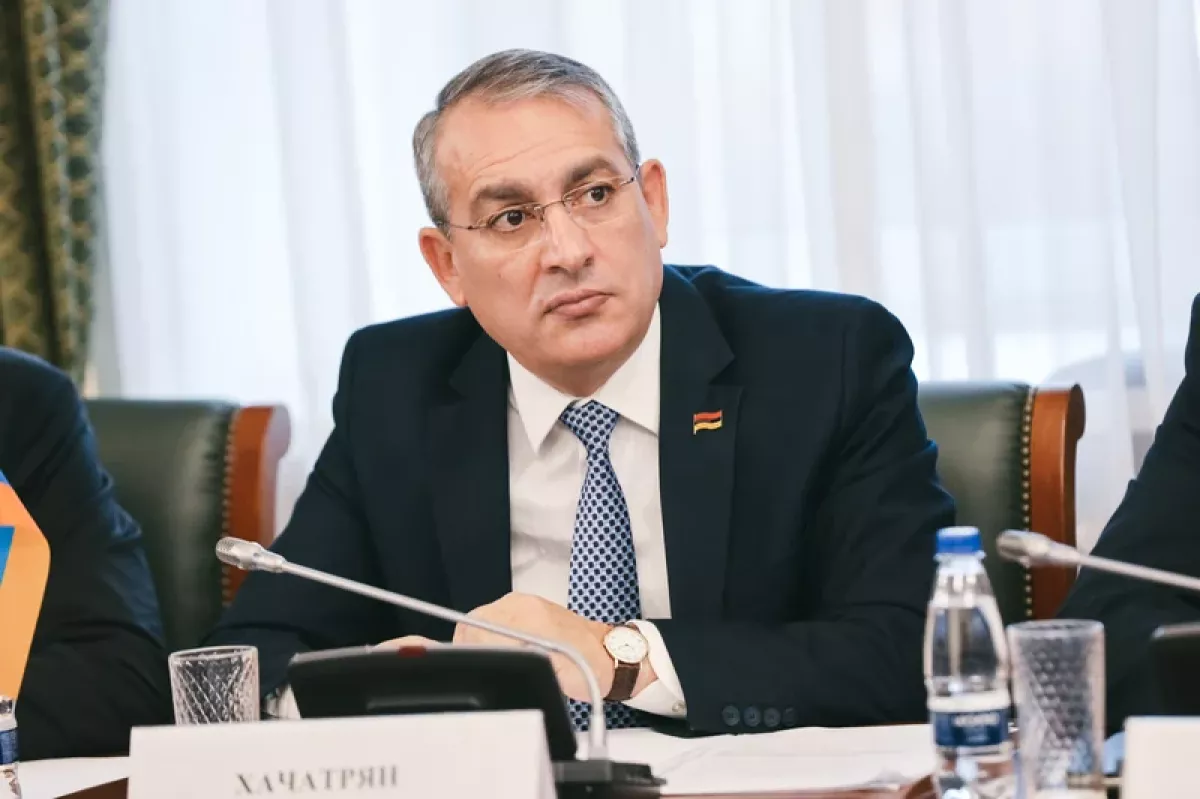
At the same time, the territorial defence system is being reorganised. Following last year’s legislative changes, local defence forces were granted specific powers — they will be able to participate in operations as support units, their personnel have been moved to a contract-based system, and they are subordinated to regional corps. All of this is intended to transform previously fragmented reserve formations into a coordinated institutional structure. Notably, Khachatryan mentioned the presence of advisors from Western armies within the Armenian Armed Forces, although he did not specify their number. This passing reference is, in fact, one of the most telling indicators of the depth of the ongoing transformation.
The financial aspect of this process also raises serious questions. On January 22, former Chairman of the Military-Industrial Committee, Artyom Mehrabyan, gave an interview to the YouTube channel “Araratnews” in which he cited figures that speak for themselves. In 2018, funding for Armenia’s military industry amounted to roughly two billion drams — just over five million dollars — and these funds were mainly spent on armoured vehicle repairs. Under the three-year contracts for 2023–2025, 171 billion drams — 457 million dollars — were allocated for serial production. This represents an almost ninety-fold increase in five years. Even accounting for inflation and the specifics of budgetary accounting, this trend indicates a fundamental shift in priorities.
Mehrabyan stated that Armenia’s military-industrial complex has reached full self-sufficiency in the production of mortars ranging from sixty to 120 millimetres. Serial production of unmanned aerial vehicles continues, and a production line for light armoured vehicles is expected to be launched within the year. For a country that, just a few years ago, was almost entirely dependent on Russian and Soviet arsenals, this represents a qualitative leap. Armenia is steadily building its own industrial base, doing so with a clear focus on the specific demands of the modern battlefield — precisely the type of combat it witnessed during the 44-day war.
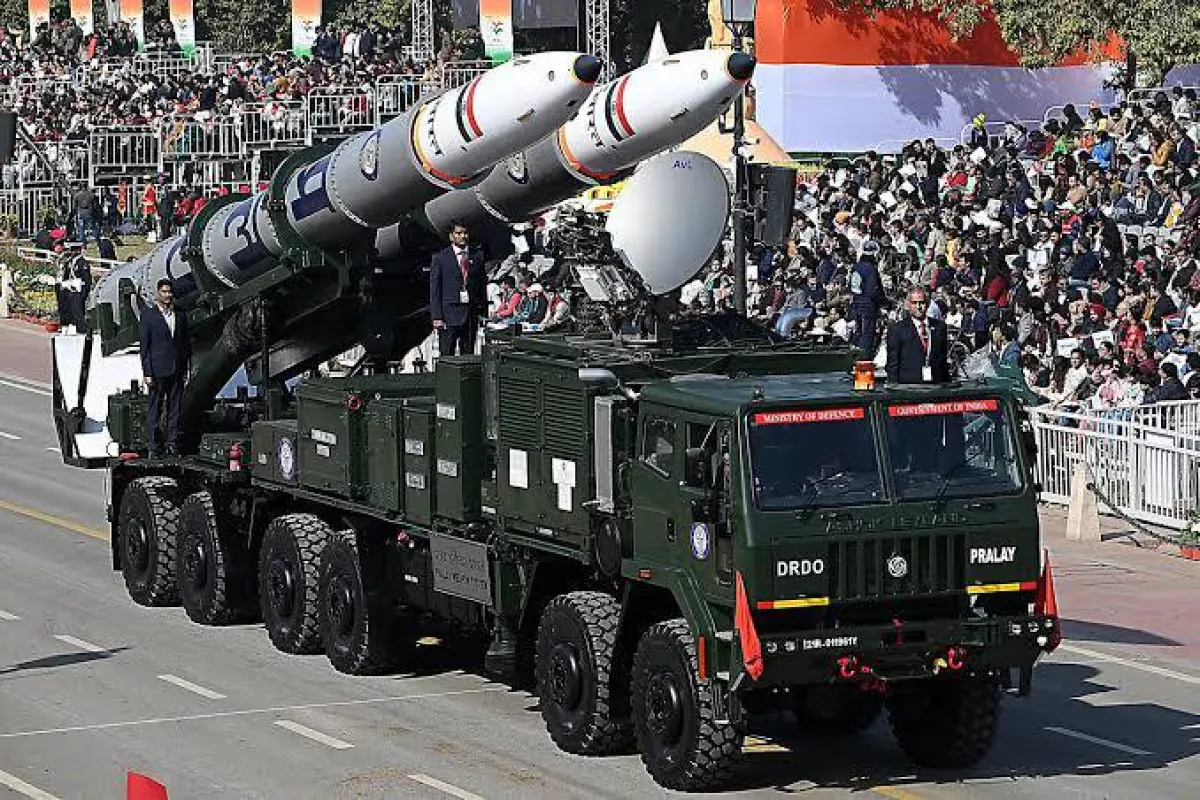
A key focus of the modernisation effort is unmanned aerial systems. Khachatryan spoke of “notable progress” in the UAV sector and claimed that the results achieved in missile and artillery systems “surprised some countries.” Most likely, he was referring to the adaptation of Armenian-produced radar stations and fire-control systems to platforms purchased from India. If this is indeed the case, Armenia is moving beyond simple arms imports to integrating its own technological solutions into imported platforms — a completely different level of military-industrial maturity.
The geography of Armenia’s military-technical partnerships is hardly coincidental. Yerevan’s main allies in this process are France, India, the United States, and, more recently, the United Kingdom. Each of these countries contributes a distinct element to Armenia’s defence modernisation, and their combined input creates something far greater than the sum of individual contracts.
France and India were identified by Khachatryan as countries with which Armenia maintains “serious cooperation.” The Indian dimension deserves particular attention. On November 6, 2025, a delegation led by Amit Satija, Joint Secretary (Defence Industries Promotion) of the Defence Production Department of India’s Ministry of Defence, visited Armenia. The parties discussed cooperation in areas “of mutual strategic interest.” Earlier, Armenia’s Minister of High-Tech Industry, Mkhitar Hayrapetyan, met with General Anil Chauhan, Chief of the General Staff of the Indian Armed Forces.
Political analyst Arman Babajanyan, commenting on the meeting, outlined the opportunities it presents: production chains, engineering expertise, joint research and development projects, and the involvement of local enterprises. In his assessment, India’s participation in Armenia’s defence industry could yield both military and economic benefits — through job creation and the development of export potential.
A notable detail: in all these meetings with the Indian side, Aram Jivanyan, Chairman of the Military-Industrial Committee of Armenia’s Ministry of High-Tech Industry, was invariably present. His participation in negotiations with India’s military leadership, with representatives of Egypt’s defence ministry, and at the Armenian-American technology summit underscores that the military-industrial dimension is a consistent priority in all of Armenia’s interactions with foreign partners.
The American dimension is developing rapidly. During U.S. Vice President J.D. Vance's visit to Armenia, representatives from several technology companies, including Shield AI — a major player in the aerospace and defence sector — arrived. Shield AI’s Director of International Business Development, Chris Brinkley, openly stated that, through partnership with the U.S., Armenia can “ensure the security of its borders and strengthen its defense capabilities.” He explained that the company is collaborating with Armenia to explore manufacturing partnerships for V-BAT drones and introduced the Hivemind autonomous control software — a system that makes unmanned platforms “smarter and more efficient.”
Narek Minasyan, an expert at the NGO Armenia Council, clarified that, in addition to V-BAT, Armenia is discussing other unmanned technologies with American partners. Some company representatives who arrived with Vance even held meetings directly at Armenia’s Ministry of Defence, accompanied by U.S. embassy staff.
On February 10, Yerevan hosted the “Armenia–U.S. Technology and Innovation Summit” — an event whose very name speaks volumes. The summit focused on formalising technological partnerships at an institutional level, with a clear defence-oriented undertone. The presence of Shield AI, discussions about Hivemind, and talks on component bases for unmanned systems all indicate that Washington views Armenia as a potential platform for deploying its military-technology solutions in the region.
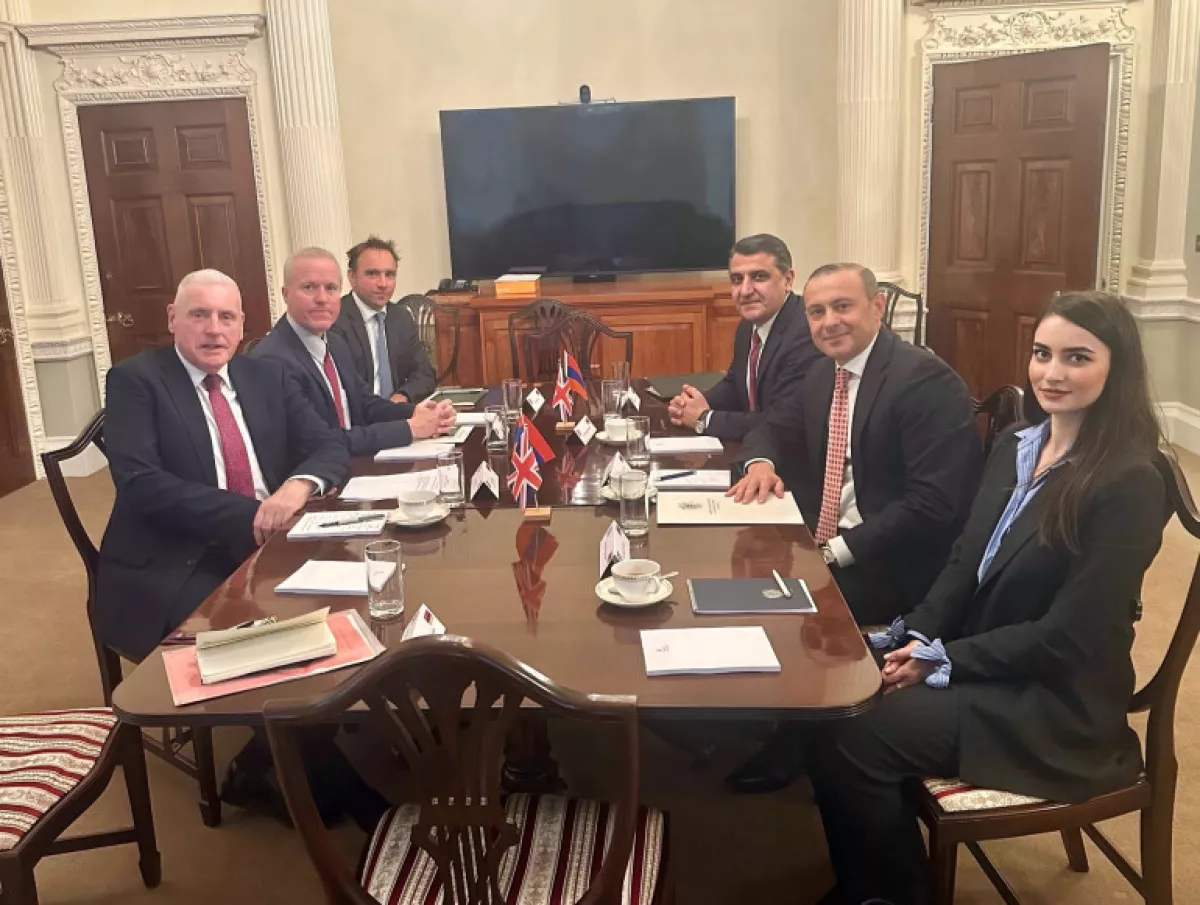
The emergence of the United Kingdom as a new defence partner for Armenia has arguably been one of the most notable trends in recent months. On December 18, 2025, Armenia’s Security Council Secretary, Armen Grigoryan, visited London, where he held meetings with Minister of State for Defence Vernon Coaker and Prime Minister Starmer’s National Security Adviser, Jonathan Powell.
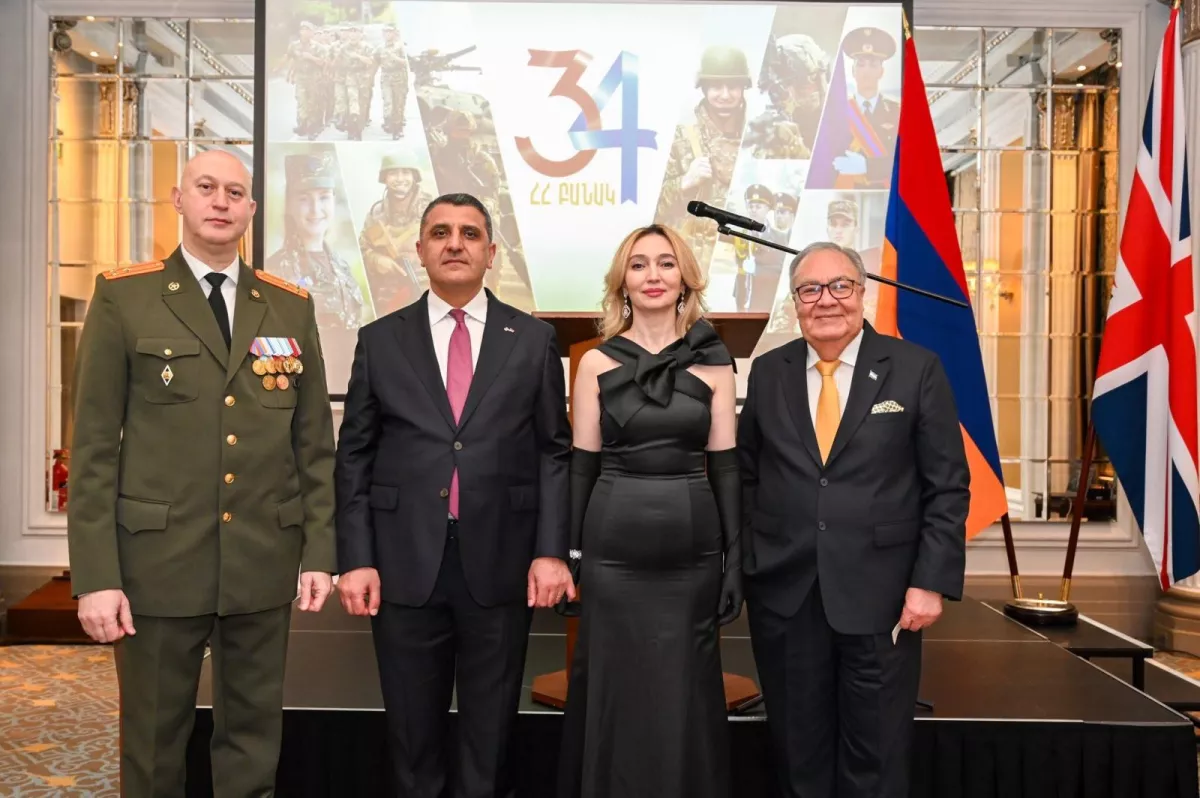
As early as February 16, 2026, Armenia appointed, for the first time in the history of bilateral relations, a military attaché to its embassy in the United Kingdom — Colonel Karen Muradyan. At the same time, specialists from Armenia’s Ministry of Defence, the Agency for Information Systems, and the National Security Service participated in the international cyber-defence exercise “Defense Cyber Marvel 2026,” organised jointly with the UK. The scale of the event is impressive — 2,500 specialists from 29 countries.
The British track is notable for several reasons. London possesses one of the most advanced cyberwarfare and intelligence systems in the world, and the involvement of Armenian security services in joint cyber exercises provides access to expertise of a completely different order than simply purchasing mortars or UAVs. The appointment of a military attaché is a step that typically marks the transition from sporadic contacts to systematic defence cooperation. Meanwhile, the presence of Jonathan Powell — the National Security Adviser — indicates that Armenian-British contacts extend beyond purely military matters and touch on strategic planning.
Armenia is also expanding the peripheral circle of partnerships. On February 19, the Armenian government approved the signing of a military-technical cooperation agreement with Poland. The document sets out the principles and procedures for interaction, including the protection of classified information and rules for sales to third countries. While the legal framework for such cooperation has existed since 2004, the new agreement is clearly intended to give the old framework relevant content. Notably, Poland is one of Europe’s largest buyers of South Korean and American arms and an active participant in NATO standardisation programmes.
Another focus has been Egypt. In late November to early December 2025, Armenia’s Defence Minister Suren Papikyan visited Cairo. Accompanying the delegation was, once again, Aram Jivanyan, Chairman of the Military-Industrial Committee of Armenia’s Ministry of High-Tech Industry. He met with Major General Mohamed Adly, head of armaments for the Egyptian Armed Forces. The parties discussed presenting Armenian military-industrial products to the Egyptian army and potential joint programmes. This fact is noteworthy in itself: Armenia is already positioning itself as an exporter of defence products, while Egypt — the largest recipient of U.S. military aid in the Middle East after Israel — is viewed as a potential market.
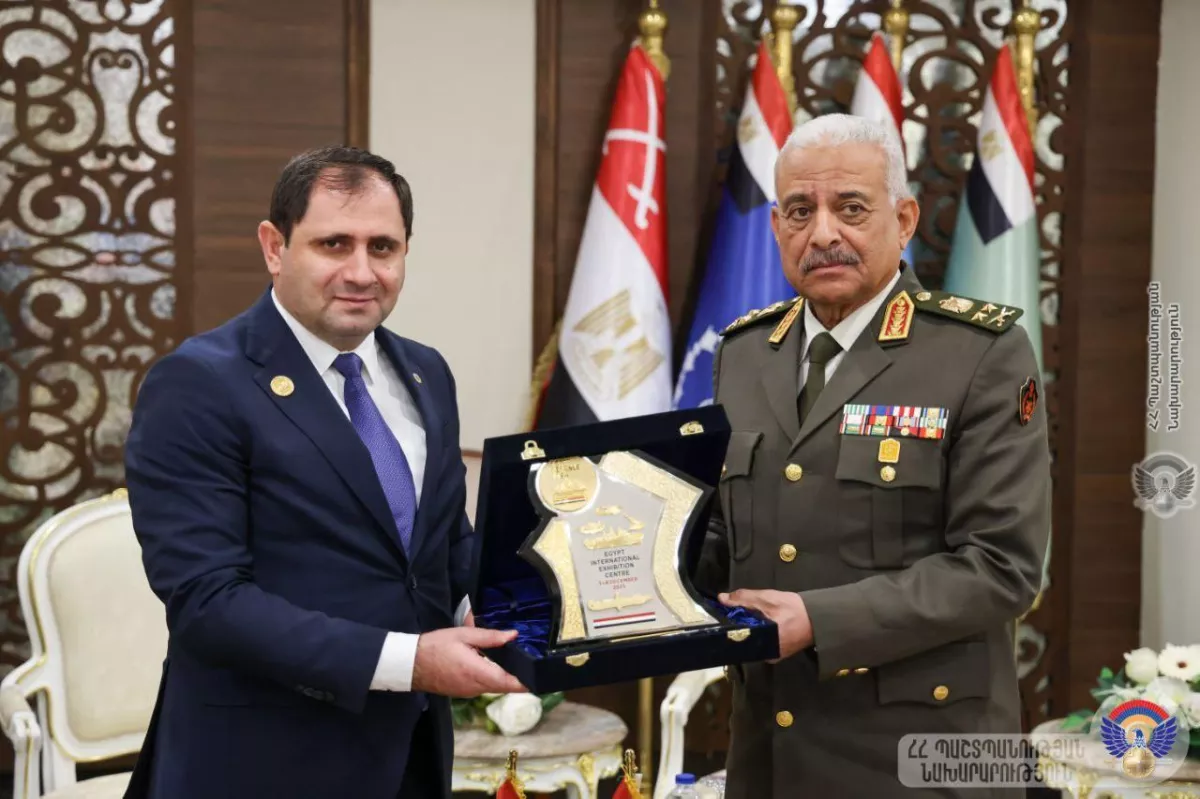
When all these elements are brought together, a remarkable strategy emerges. Armenia is simultaneously addressing several objectives. It is creating a new type of professional army that combines a contract-based core with territorial defence forces. It is building its own military-industrial base, capable of serial production of mortars, unmanned aerial vehicles, and, in the near future, light armoured vehicles. It is bringing in Western advisors and instructors to reform personnel training. It is forging technological alliances with companies operating at the forefront of military artificial intelligence and integrating into Western cybersecurity systems. And it is doing all of this alongside a peaceful diplomatic process, without drawing unnecessary attention to its actions.
The last point deserves special consideration. Despite the peaceful rhetoric of Armenia’s authorities, they place particular emphasis on increasing investment in defence and security. These efforts are typically not fully transparent and are implemented quietly and in stages. This is a fundamentally important observation. Yerevan deliberately separates two tracks — diplomatic and military — with the public friendliness of the first serving as a cover for the intensity of the second.
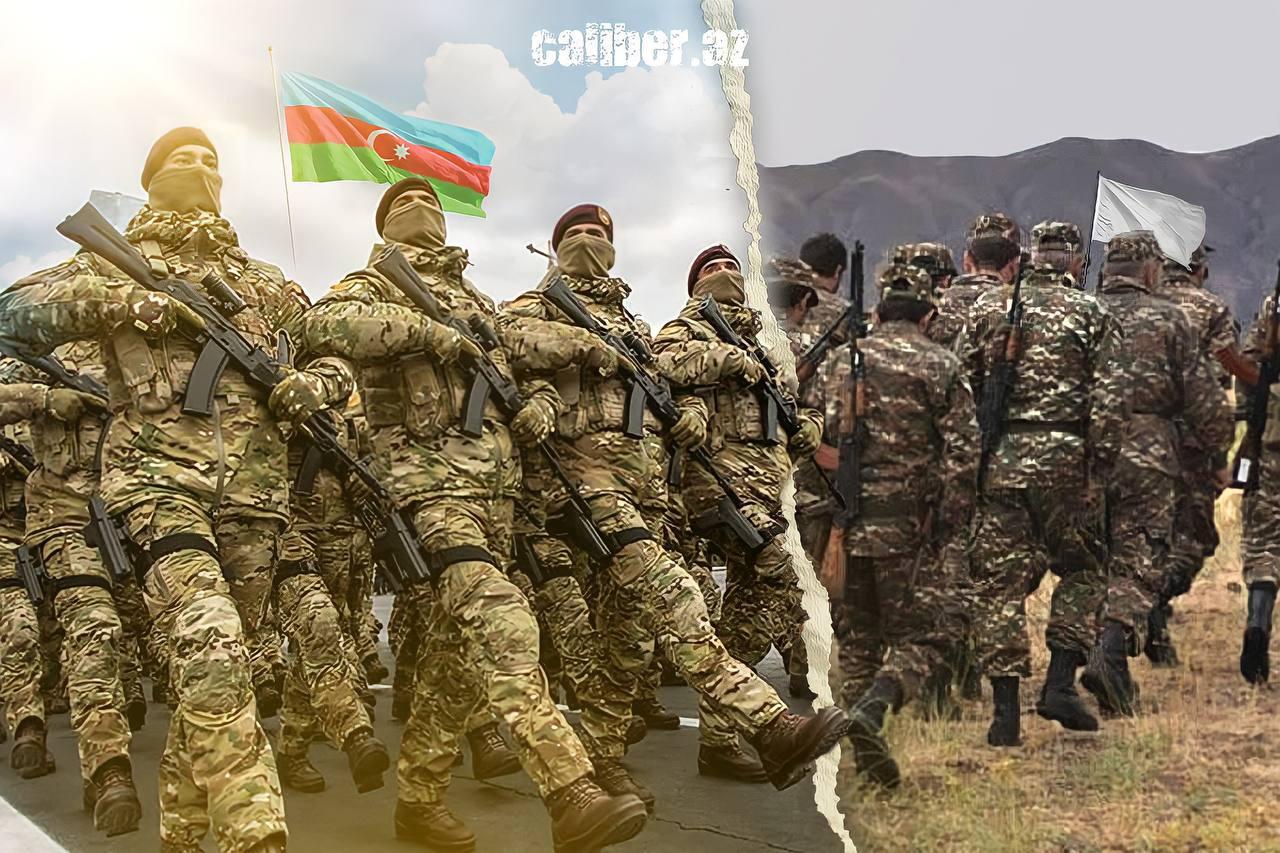
For Azerbaijan, this process represents a challenge that must be assessed soberly and without illusions. Armenia has drawn very specific lessons from the 44-day war. It saw the role played by drones and precision weapons, recognised the vulnerability of a mass conscription army against a technologically superior adversary, and is now deliberately building forces capable of operating within the same paradigm that brought victory to Azerbaijan. Attempting to adopt the very model of warfare that led to your defeat is a sign of a serious — rather than an emotional — approach to defence planning.
The diversification of partners is another strategically significant shift. Armenia is consciously moving away from mono-dependence on Russia, which had been its sole military ally for three decades. France, India, the United States, the United Kingdom, Poland, Egypt — this cluster of partnerships provides Yerevan with a security cushion it has never had before. None of these partners individually replaces Russia, but together they create a new configuration in which Armenia gains access to technologies, expertise, and markets that were previously closed to it.
Particular attention should be paid to the technological dimension of this process. V-BAT drones, Shield AI’s Hivemind autonomous control software, joint research and development projects with India, and participation in NATO cyber exercises — all of this indicates that Armenia is aiming not merely to purchase weapons, but to integrate itself into the global chains of next-generation military technology development. If this trajectory is maintained, in five to seven years Baku will face a qualitatively different adversary than the one it defeated in 2020.
Of course, there is a gap between plans and their realisation that should not be underestimated. Armenia remains a country with limited economic potential, its military budget is not comparable to Azerbaijan’s, and creating a genuinely effective military-industrial complex requires decades of sustained investment, skilled personnel, and institutional continuity. Claims of “full self-sufficiency” in mortar production and that “some countries were surprised” by results in the missile and artillery sector should be viewed with caution, given Armenian officials’ tendency to overstate their own achievements.
Nevertheless, it would be a strategic mistake to dismiss these developments as mere propaganda noise. The funding figures are real. Meetings with the Chief of the General Staff of India and the UK Minister of State for Defence are real. The appointment of the first-ever military attaché in London is real. The presence of Shield AI in Yerevan is real. Arms contracts with India are real. All of this requires Baku to maintain constant monitoring and an appropriate response — primarily aimed at preserving the technological edge that secured victory in the 44-day war.
The configuration emerging around Armenia’s defence modernisation also carries broader geopolitical significance. Essentially, we are witnessing Western powers — the United States, France, and the United Kingdom — gradually filling the military-strategic vacuum created by the waning of Russian influence in the South Caucasus. For them, Armenia represents a foothold that allows the projection of influence in a region squeezed between Russia, Iran, and Türkiye. Defence cooperation with Yerevan is a tool of this projection, and it would be naive to assume it is driven solely by concern for Armenia itself.
Yerevan is attempting to build a next-generation army. It is doing so methodically and with the support of major global players. The peaceful rhetoric emanating from the Armenian capital does not negate this fact; it rather serves to mask it. Baku must treat these developments as a long-term strategic challenge and respond accordingly — without panic, but without complacency.







 editor@caliber.az
 +994 55 444-88-98
 Азербайджан, Баку, ул. Низами, 203, Af Business House, 5-й этаж