










A chronic illness PACE shows no signs of recovery
The Parliamentary Assembly of the Council of Europe (PACE), notorious for its anti-Azerbaijani stance, has once again targeted Azerbaijan with a provocative move. This time, Azerbaijan is mentioned in PACE’s resolution “Progress of the Assembly’s monitoring procedure.” Among other things, the resolution states that the Assembly “ exhorts the authorities to end retaliatory prosecutions and to release immediately all those detained on politically motivated charges, including 23 Armenian detainees.”
First of all, it is worth pointing out the comical incompetence of the PACE members. The fact is that the number of Armenian citizens imprisoned in Azerbaijan is no longer 23, but 19 — two weeks earlier, in accordance with a bilateral agreement reached between Azerbaijan and Armenia, and guided by the principles of humanity, Baku handed over four individuals to Yerevan: Vagif Khachaturyan, Gevorg Sujyan, David Davtyan and Viken Euljekjian, who had been convicted under various articles of the Criminal Code of the Republic of Azerbaijan and were serving their sentences in the country.
In other words, the PACE members do not even know what they are voting on. Moreover, this demonstrates that they care less about the fate of Armenian citizens imprisoned in Baku and more about finding a way to cause trouble for Azerbaijan.
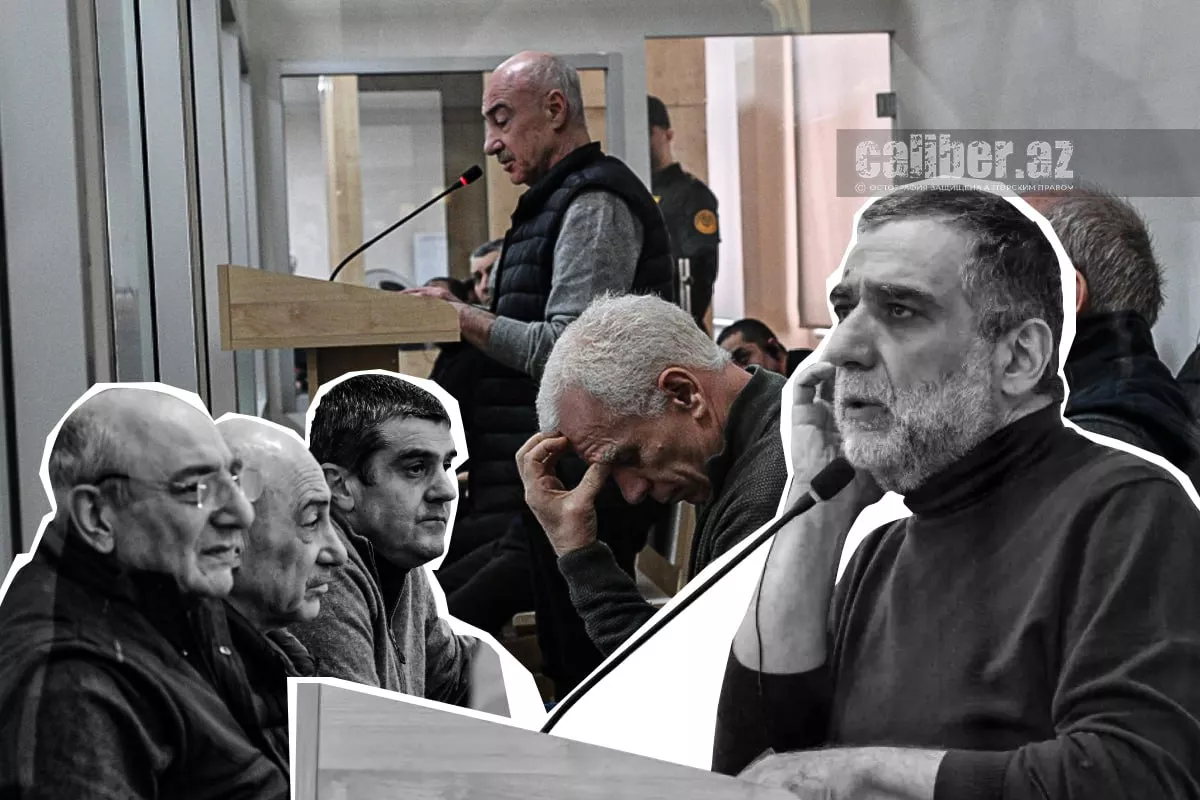
Secondly—and this is far from the first time—Azerbaijan’s mention in a PACE resolution constitutes a blatant interference in the country’s internal affairs. The individuals currently on trial are accused of grave war crimes, and the continued attempts by certain European circles to secure their release by portraying them as so-called “prisoners of conscience” come across as extraordinarily brazen.
Following Azerbaijan’s victory in the autumn of 2020, the same PACE has adopted several anti-Azerbaijani resolutions. Thus, on September 28, 2021, a resolution on the humanitarian consequences of the Karabakh conflict was adopted, one of whose provisions alleged that Azerbaijan, with Türkiye’s assistance, had used Syrian mercenaries during the 2020 war. On June 22, 2023, the Assembly spoke out in favour of “restoring a free and safe access through the Lachin corridor,” thereby challenging Baku’s sovereign decision to establish a checkpoint in Lachin. Later, on October 12, 2023, it called on Azerbaijan to ensure the return of Armenians to Karabakh and guarantee the restoration of all their rights, despite the fact that no Armenians were expelled from Azerbaijan and none of their rights were violated.
The apogee of Azerbaijanophobia within PACE came at the very beginning of 2024, when the Assembly refused to ratify the credentials of Azerbaijan’s delegation. It is important to emphasise that the Azerbaijani delegation left the Assembly before the vote took place, announcing its decision to cease cooperation with and presence in PACE. In the delegation’s statement, it was noted in particular: “Political corruption, discrimination, ethnic and religious hatred, double standards, arrogance, and chauvinism have become the prevailing practice in PACE.”
Furthermore, in August 2024, Azerbaijan banned entry into the country for PACE members who had voted against the ratification of the republic’s delegation credentials.
Incidentally, this still clearly troubles members of the Assembly—there was room for this “grievance” in the current resolution as well. “The Assembly reiterates its condemnation
of the decision by the Azerbaijani Ministry of Foreign Affairs to declare numerous members of the Assembly personae non gratae as a result of, inter alia, their vote in favour of Resolution 2527 (2024) and urges the authorities to immediately revoke this decision,” the document states. In other words, it is the same old rudeness once again: “we will continue to undermine you, and you are expected to stop responding.”
Such behaviour by PACE, much like that of the European Parliament, may also be linked to an inferiority complex among some of their representatives, stemming from an awareness of their limited authority and power compared to other European institutions, such as the European Commission. No, we are not attempting to idealise the European Commission—and at times ambiguous signals do come from its side as well. Nevertheless, overall this body demonstrates a consistent and pragmatic approach to developing strategic ties with Azerbaijan.
As Azerbaijanш President Ilham Aliyev recently noted in an interview with Euronews: “We have for many years already stopped any cooperation with the European Parliament and also with the Parliamentary Assembly of the Council of Europe. We cooperate with the European Commission, and for us, it is enough. But I think the European Parliament puts itself in a very awkward situation, accusing us of what we have never done, including the so-called aggressive position towards Armenia, while Armenia itself appreciates the relationship with Azerbaijan.”
And if the European Parliament is already placing itself in an awkward position, then PACE—which ranks even lower in terms of authority and effectiveness—appears outright ridiculous in its anti-Azerbaijani efforts. Azerbaijan is moving forward on its own path, while PACE’s clumsy gestures increasingly resemble the symptoms of an advanced chronic illness.







 editor@caliber.az
 +994 55 444-88-98
 Азербайджан, Баку, ул. Низами, 203, Af Business House, 5-й этаж