










Poland’s nuclear assertiveness From political fantasy to strategic reality
Polish Prime Minister Donald Tusk has stated that the country needs its own nuclear weapons. How realistic—both technically and politically—are such ambitions?
Atomic fantasies
On March 3, 2026, during a government session, Tusk announced that Poland would move toward developing its own nuclear weapons.
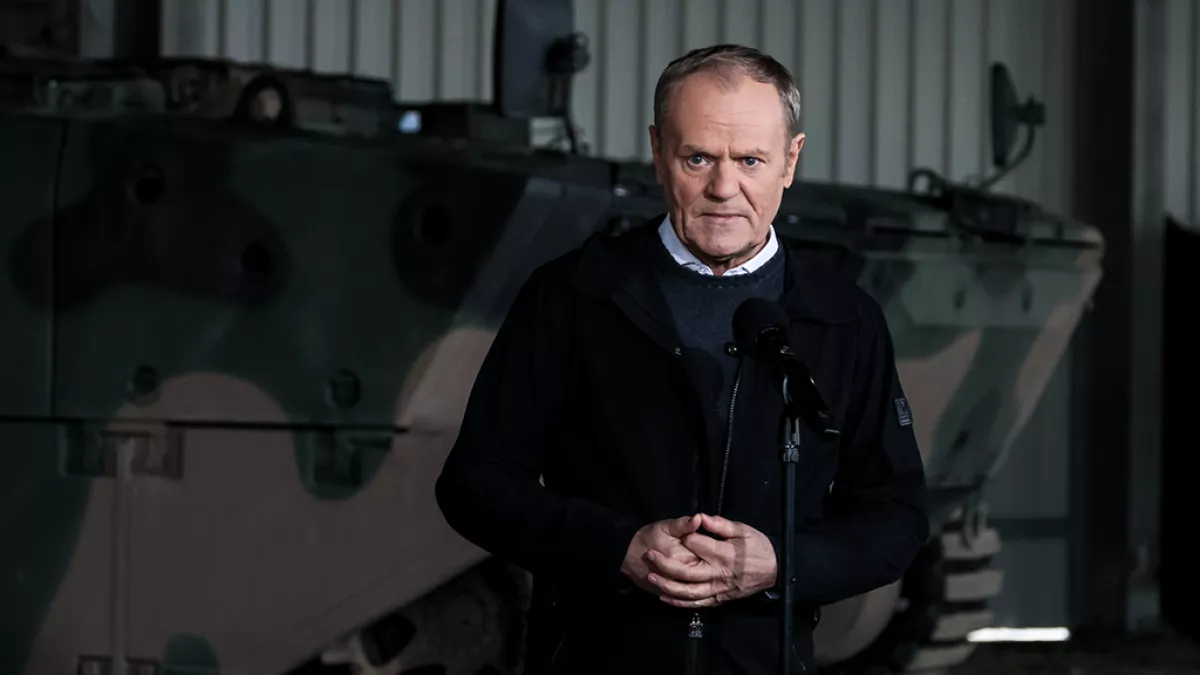
"As we grow our autonomous capabilities, we will strive to prepare Poland for the most independent possible actions on this issue in the future," the Prime Minister said.
This statement came a day after French President Emmanuel Macron, aboard the strategic submarine Ile-Longue, announced an expansion of Paris’s nuclear weapons programme, which other countries, including Poland, have joined.
"What a year ago might have seemed like a political fantasy is now an official statement by the head of government," Polish media commented on Tusk’s declaration about a national atomic bomb.
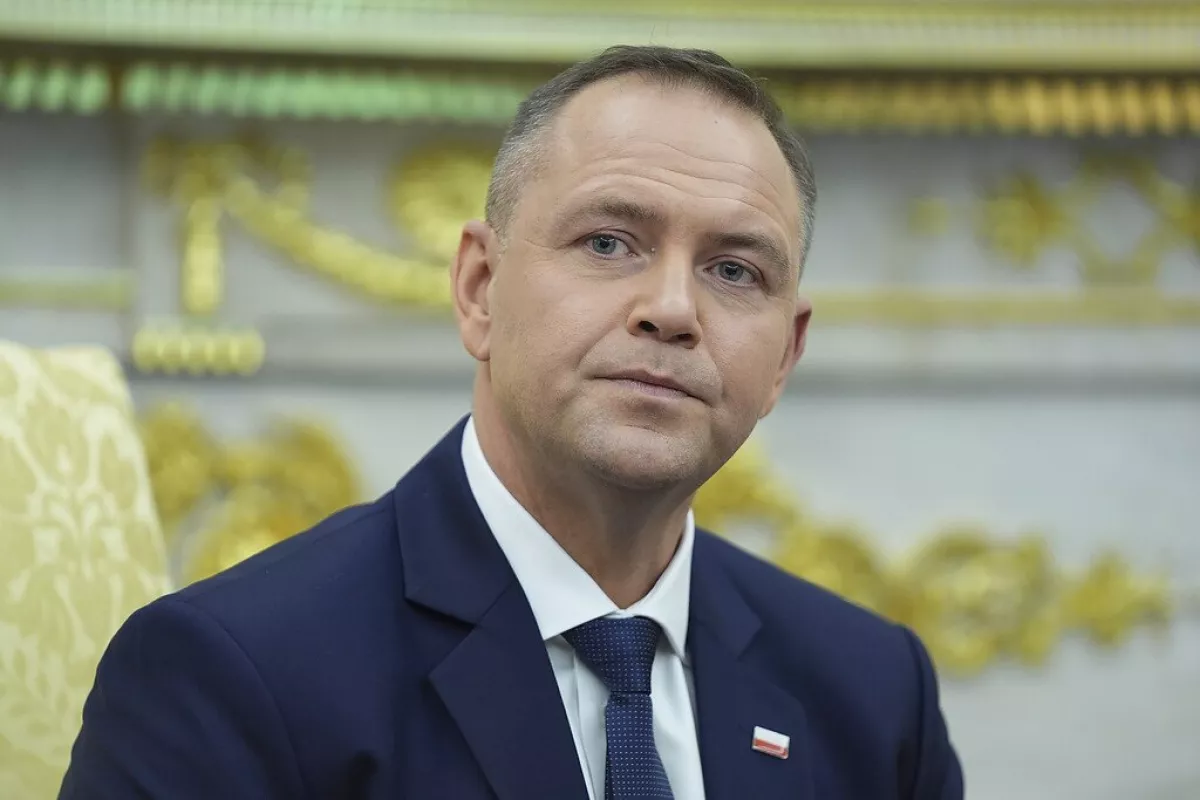
Previously, Polish President Karol Nawrocki had expressed similar sentiments, but his statements were vague. It was unclear whether he meant developing Poland’s own nuclear weapons or simply hosting French nuclear forces on Polish territory. Now, Prime Minister Donald Tusk has clarified the matter—Poland wants to acquire its own atomic bomb.
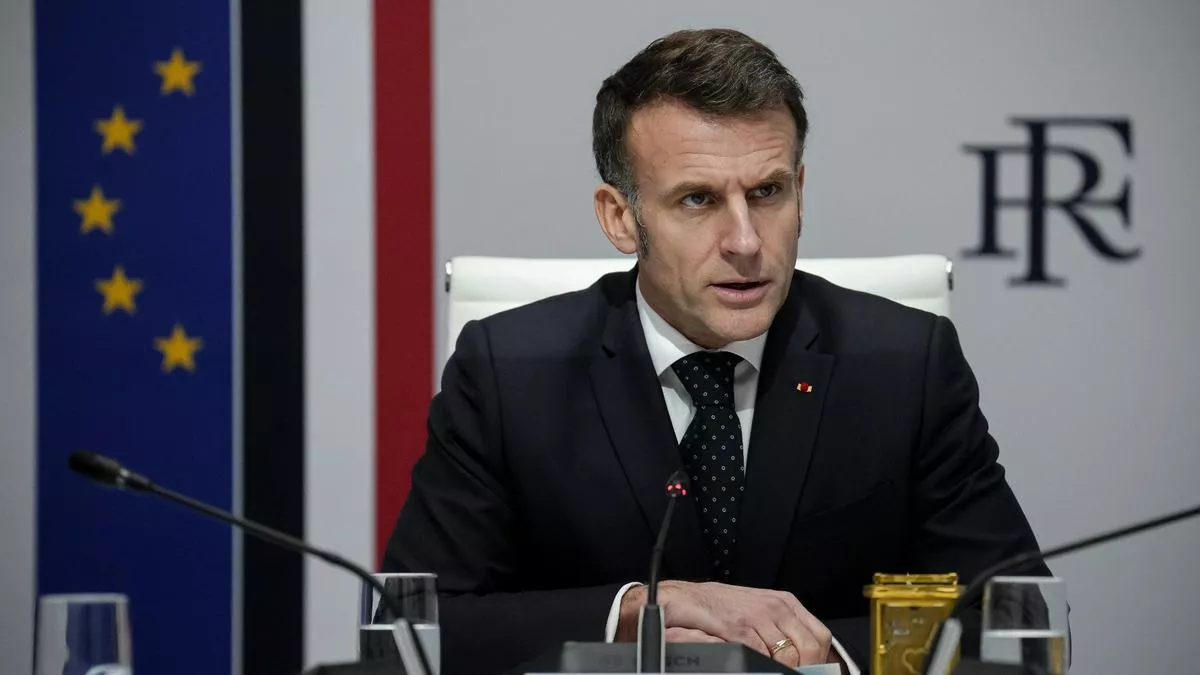
Regarding Warsaw’s nuclear partner, French President Emmanuel Macron cited the war in Ukraine, the growing military potential of China, and shifts in U.S. policy as the main reasons for France’s change in nuclear doctrine. The expanded Franco-European nuclear “deterrence” programme envisions Rafale fighter jets on combat alert in partner countries, as well as participation of military personnel from Poland, Germany, the United Kingdom, the Netherlands, Belgium, Greece, Sweden, and Denmark in French nuclear exercises.
French multirole Rafale fighters from the nuclear squadron have already arrived at Polish airbases. In addition, Paris plans to begin developing new hypersonic missiles this year. Today, France possesses roughly 300 strategic nuclear warheads on submarines and about 60 air-launched tactical warheads. Under the new French nuclear doctrine, this arsenal is set to grow, though the exact numbers are classified. Macron also stated France’s willingness to use nuclear weapons to safeguard the country’s “vital interests.” Currently, nuclear escalation is justified by confrontation with Russia and China—but who knows where in the world Paris might see a threat to its “vital” interests tomorrow? Nuclear Armageddon is hardly compatible with human life. Yet today, as global competition and conflicts reach extreme levels, few Western politicians seem to reflect on this.
When developing the concept of European nuclear forces, the question of command—who would have the authority to order a strike—was long debated. On March 2, at the naval base on Île-Longue, Macron made it clear: the decision to use nuclear weapons is the exclusive prerogative of the President of France.
France’s nuclear forces are not part of NATO and answer solely to the president of the Fifth Republic. In the current climate of militarisation, nuclear France is becoming the dominant military power within the EU.
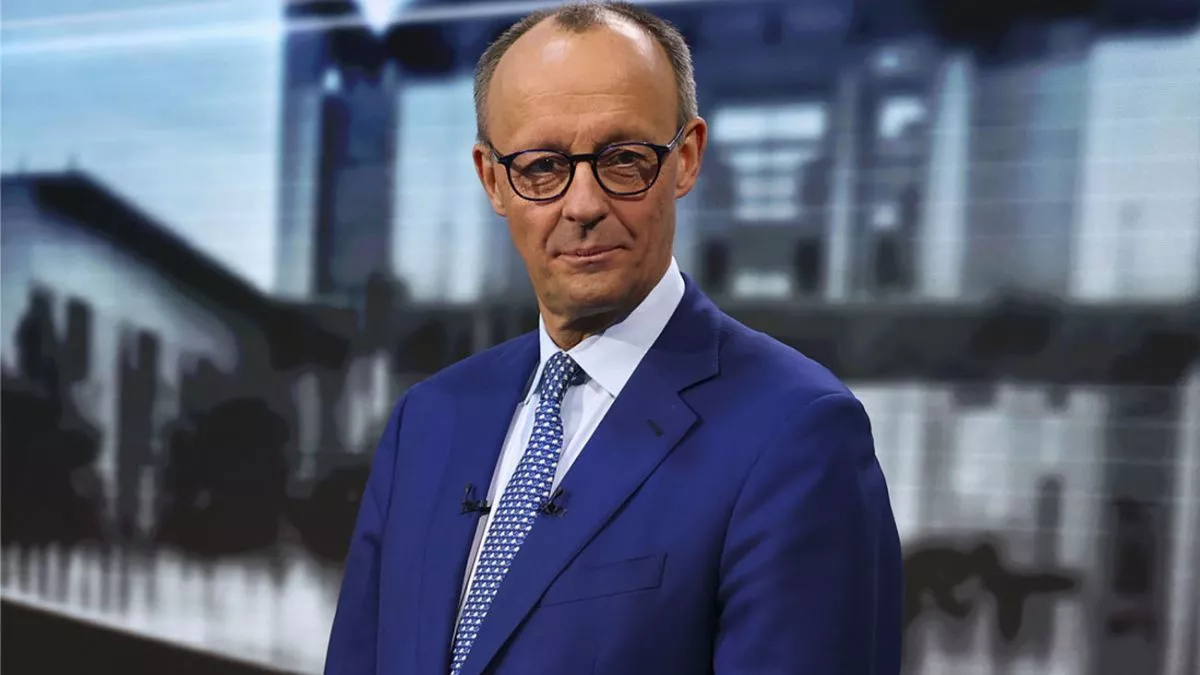
Perhaps for this reason, Germany long resisted participating in the Franco-European nuclear programme. However, in the end, Chancellor Merz also said “gut.”
Poland has previously repeatedly requested that the United States station nuclear weapons on its territory, but these requests were denied. The French, however, agreed. French multirole Rafale fighters from the nuclear squadron have already arrived at the Malbork airbase.
At the same time, Poland could still host American nuclear-capable aircraft, such as F-15 and F-35 fighters, under NATO’s Nuclear Sharing programme. Currently, U.S. nuclear bombs stored in Europe are being replaced with the latest guided modifications of the 11th and 12th generations. These weapons are guided throughout their flight and have yields ranging from 0.3 to 340 kilotons.
Polish General Andrzej Pawlikowski commented on nuclear cooperation with France in an interview with Fakt: "Strengthening cooperation with Paris can enhance Europe’s political cohesion and partially diversify our security, especially amid the instability of U.S. policy… However, it is important to remember that France’s capabilities are limited compared to those of the United States, and there is currently no formal nuclear-sharing mechanism similar to NATO structures under U.S. auspices. Nevertheless, from a purely military and operational perspective, the United States remains the key guarantor of deterrence in Europe."
Atomic bomb vs. international law
As we can see, Warsaw is now talking about having its own independent “nuclear weapon.” Yet Poland has never been a nuclear power. Parallel to Prime Minister Tusk’s statements about wanting nuclear weapons, Polish media have occasionally published articles about atomic weapons in the Polish People’s Republic, sometimes almost calling them “Polish.” In reality, these were Soviet missiles with nuclear warheads deployed in the PPR in response to U.S. Pershing missiles in Western Europe.
Today, Warsaw’s atomic ambitions face significant obstacles, both legal and technical.
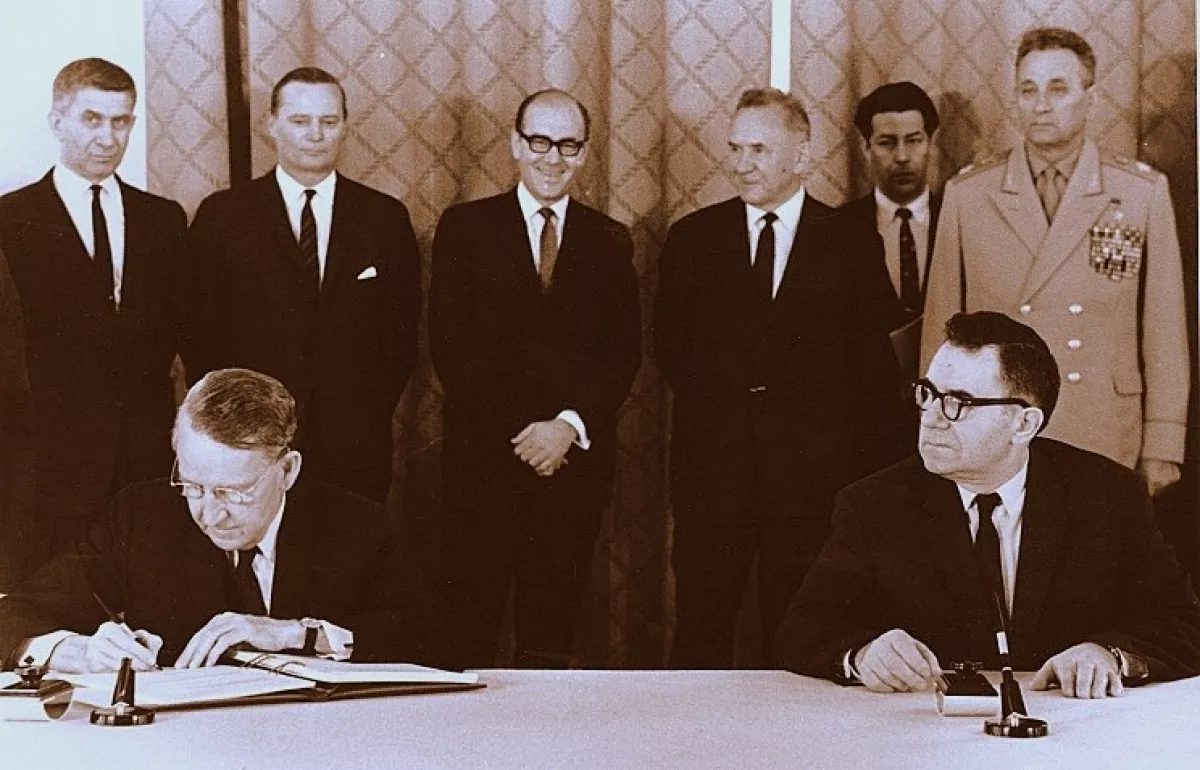
The Treaty on the Non-Proliferation of Nuclear Weapons (NPT) is still in force. The NPT was approved by the UN in 1968, and Poland joined in 1969, without any declaration of withdrawal. Nuclear weapons can, however, be stationed in Poland without leaving the treaty—as is the case in Germany, Belgium, Italy, the Netherlands, and Türkiye under NATO’s Nuclear Sharing. In these cases, though, the weapons are American atomic bombs, and the right to use them belongs exclusively to the United States.
If Warsaw seeks to brandish its own nuclear club, that would conflict directly with the NPT. For example, North Korea, after developing its own bomb, withdrew from the treaty in 2003. But would the UN impose sanctions on a “nuclear” Poland as it did on North Korea? Especially today, as the post-World War II geopolitical order is visibly unraveling. Tensions between the great powers are rising so rapidly that within the Western bloc, old rules and norms of international law are increasingly being set aside.
What, then, are Poland’s technical capabilities to achieve nuclear state status?
There are two possible paths. Nuclear weapons could be transferred to Warsaw by one of the Western nuclear powers— the United States, the United Kingdom, or France. The most likely “nuclear donor” for the Republic of Poland could be Paris. However, transferring atomic weapons would also constitute a blatant violation of the NPT for the supplying country. To date, it seems there has never been a historical case of one country transferring or selling a ready-made atomic bomb to another. Yet in today’s world, almost anything is possible.
The second path is for Poland to produce its own nuclear weapons. So far, Tusk has referred to Poland’s nuclear programme only as a future prospect. This is an extremely complex process, requiring substantial scientific, technological, industrial, financial, and temporal resources. Developing a domestic nuclear weapon could take decades. In addition, it would require stringent cybersecurity measures and protection against nuclear terrorism. Moreover, it carries serious diplomatic risks, even in relations with allies.
It remains unclear whether Washington would approve such a move. It is equally obvious that Berlin would not welcome a Polish atomic bomb.
Nuclear self-assertion
But why does Poland want its own nuclear weapons? After all, such weapons are double-edged and clearly create additional threats to the country—especially to its civilian population.
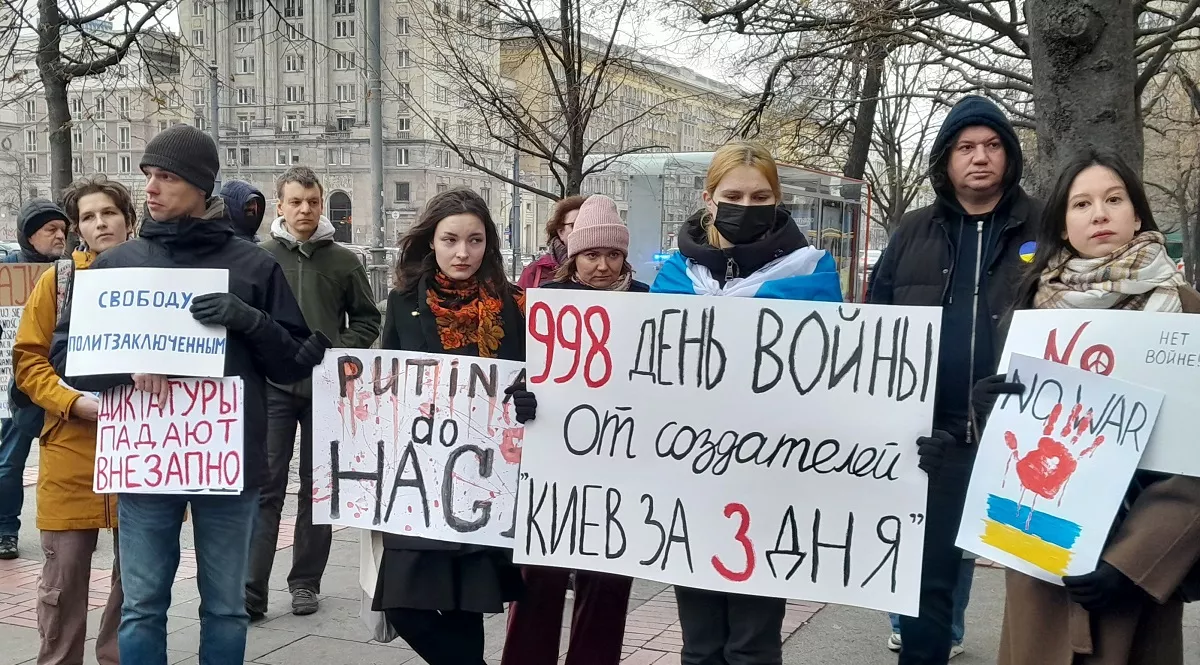
Polish media explain Warsaw’s sudden desire to acquire its own weapons of mass destruction with several reasons. First, there is the so-called “Russian threat.” Yet it is hard to imagine why Russia, already bogged down in the military conflict in Ukraine and unable, for example, to take Kupiansk in four years, would attack NATO as well.
The second reason cited is the perceived distancing of Donald Trump’s administration from Europe.
The third is the concern that, in the future, the United States might prioritise a conflict in another region, for instance with China. Commentators note that ongoing military operations in the Middle and Near East already give grounds for such suspicions.
In reality, however, the drive to acquire its own atomic bomb also reflects Warsaw’s growing geopolitical ambitions. Poland has already declared its intent to form one of NATO’s strongest armies. It currently possesses the largest land force in the alliance in Europe and competes successfully with Germany in this regard. The only country it cannot yet surpass in ground forces is Türkiye. Owning its own nuclear weapons would further increase the Republic of Poland’s military potential.
Moving out from under NATO’s nuclear umbrella to fall under French nuclear protection—and eventually possessing its own “nuclear armour”—appears logical against the backdrop of an emerging global power reshuffle.
In a potential conflict with Russia, nuclear weapons are not strictly necessary for Poland: NATO’s own WMDs suffice, and hosting nuclear weapons on Polish soil would primarily create additional risks for the country. However, in a realignment of spheres of influence, nuclear status—especially possessing one’s own nuclear weapons—carries significant weight, particularly given that Poland has a serious traditional regional rival: Germany.

Belarus also views Poland’s pursuit of nuclear weapons negatively, as it is arguably more threatened than anyone else by Warsaw’s “nuclear games.” In such a scenario, flight times would be measured in mere minutes.
The deployment of tactical nuclear weapons on Belarusian territory has been framed as a response to Poland’s long-standing nuclear ambitions. Previously, Belarusian President Alexander Lukashenko, commenting on Poland’s intentions to host nuclear weapons, urged Warsaw to “think for themselves.”
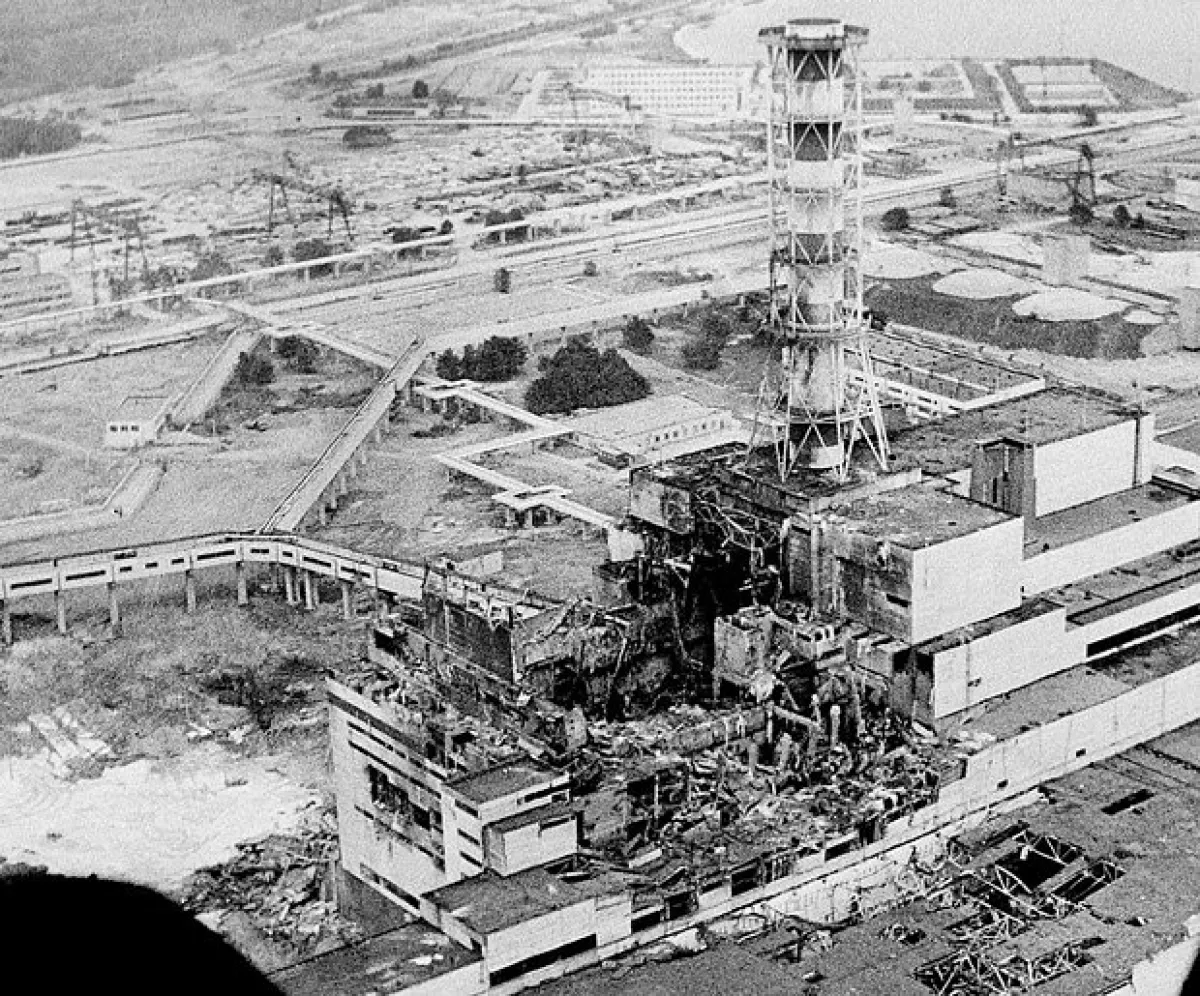
Belarus already suffered greatly from the Chornobyl nuclear disaster in April 1986 and is well aware of the deadly consequences of an uncontrolled nuclear reaction on human life.







 editor@caliber.az
 +994 55 444-88-98
 Азербайджан, Баку, ул. Низами, 203, Af Business House, 5-й этаж