










Market instead of frontline The South Caucasus after Washington
As is well known, economic relations have always served as the foundation determining the superstructure—that is, the political and societal ties between states. This axiom has been clearly reflected in the peace process between Armenia and Azerbaijan, which entered a qualitatively new phase following the historic agreements reached in Washington on August 8, 2025. Another testament to this is the statements made by the Prime Minister of the neighbouring country, Nikol Pashinyan, at a briefing last week.
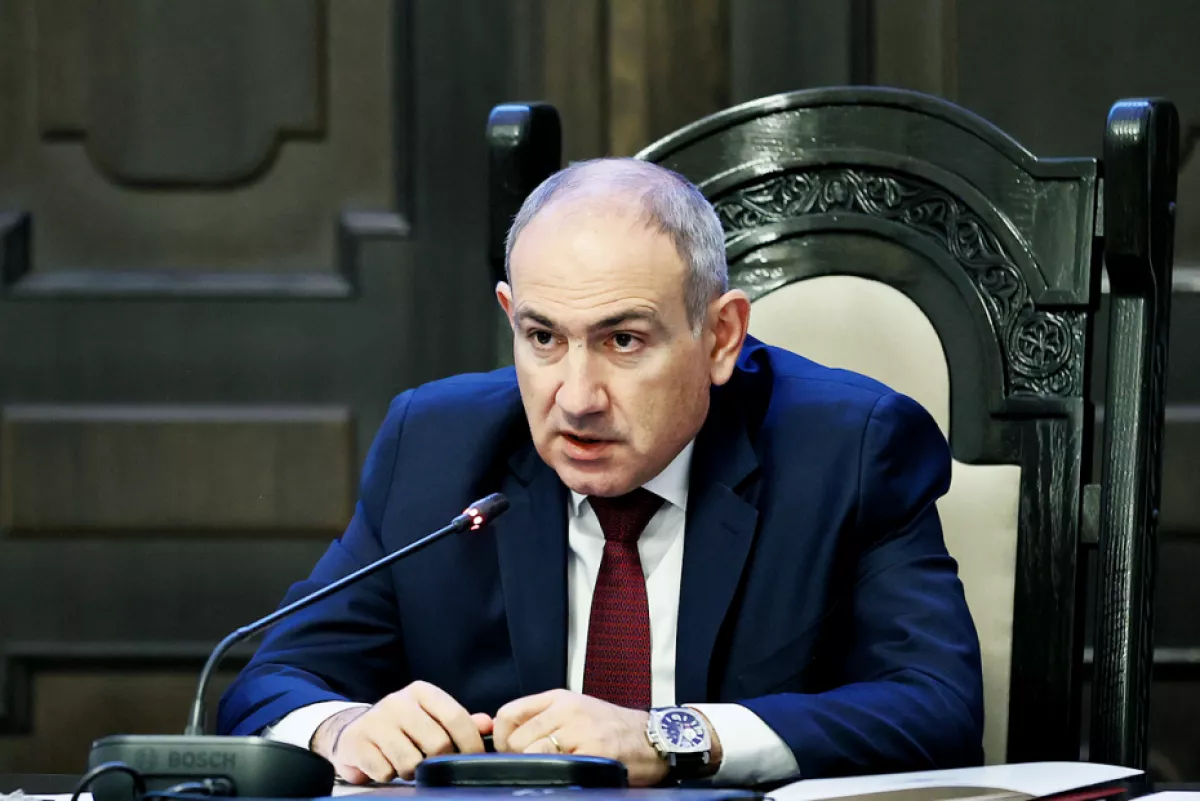
In particular, he noted that the economic agenda in relations between Armenia and Azerbaijan is taking precedence over the political one: “It seems that the economic agenda is prevailing over the political, which is good, because political programmes serve the economy. The events of August 8 opened ample opportunities for economic cooperation, and I am glad that trade between Armenia and Azerbaijan is being established. I hope that, as far as possible, we will soon not only import goods from Azerbaijan but also export Armenian goods to Azerbaijan.”
The optimism of the Armenian leader is reinforced by practical actions, as they say, “on the ground.” In this context, it is first and foremost worth noting that in October 2025, Azerbaijan lifted all restrictions on cargo transit to Armenia through its territory. This step resulted in deliveries of Kazakh and Russian grain to the neighbouring republic. Following this, Azerbaijani fuel began reaching Armenia via Georgia.
Reference: Fuel exports to Armenia began on December 18, 2025, with a delivery of 1,220 tonnes of AI-95 gasoline. In early January of the current year, 1,742 tonnes of AI-95 gasoline and 956 tonnes of diesel fuel were delivered, followed by 979 tonnes of AI-92 gasoline. In February, 4,500 tonnes of diesel fuel were shipped from Azerbaijan to Armenia.
Regarding Pashinyan’s statement on exporting Armenian products to Azerbaijan, this intention has become firmly established on the agenda of the Armenian authorities, as indicated by statements from other officials in the country. For example, in January of this year, Economy Minister Gevorg Papoyan outlined a list of goods that could be supplied to Azerbaijan, noting that Yerevan and Baku were negotiating potential deliveries of aluminium foil, raw materials for aluminium foil production, ferromolybdenum, textiles, and other products.
“There are also Azerbaijani companies that have expressed interest in importing certain goods. The Azerbaijani side provided a list of specific products they are interested in, and we sent information about the quantities we can export. Our list also includes roses and greenhouse products such as tomatoes and peppers. We proposed approximate prices,” he said.
Later, in February, the Armenian minister told journalists that Baku and Yerevan had exchanged lists of goods for export: “Azerbaijan provided us with a list of numerous products it can export to Armenia, and we, in turn, shared our own list. Trade will take place. I am confident that there is potential for bilateral trade worth hundreds of millions of dollars.”
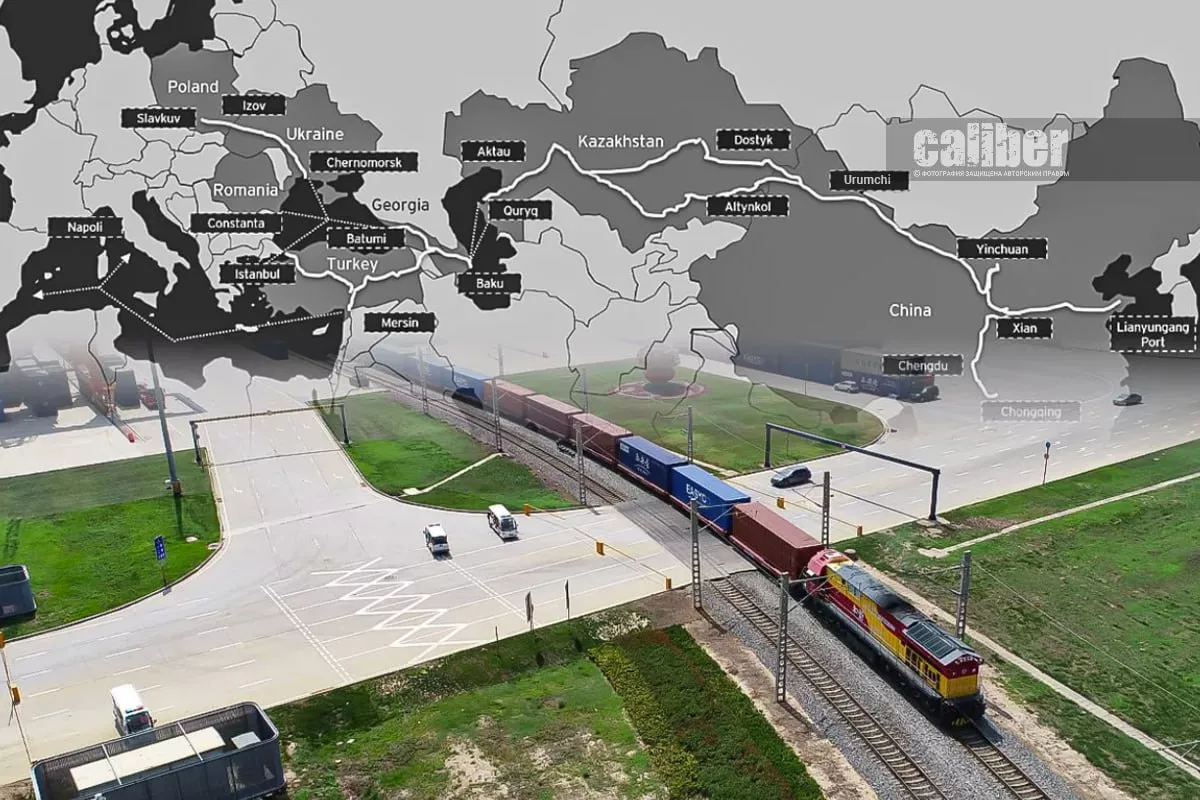
Such heightened interest from the Armenian side in trade with Azerbaijan is entirely natural. Primarily, it effectively opens the door for Armenia to participate in major transport, logistics, energy, and infrastructure projects—such as the Middle Corridor connecting Asia and Europe via the South Caucasus. This will also help shorten the distance to key markets, which will directly affect the cost of imported goods. For a small country, all of this combined means a path out of isolation and an opportunity to develop an economy that has long been stagnant.
However, as we noted earlier, trade and economic ties must be closely aligned with tangible political actions. In this context, it is important to highlight that despite Pashinyan’s statements that there will be no war between Armenia and Azerbaijan, and that signing a peace agreement with Baku is a priority for the Armenian authorities, one crucial issue remains unresolved: amending the Armenian constitution to remove territorial claims against the Azerbaijani state.
A second notable aspect of the Armenian leader’s briefing concerns Yerevan’s plans for European integration, in the course of which Pashinyan provided some clarity regarding the presence of the Russian military base on Armenian soil—a matter that continues to be periodically raised in the media.
“The presence of the Russian military base in Armenia does not, for now, interfere with Armenia’s plans to join the European Union. Yes, Armenia has adopted a law to begin the EU accession process. But we are not yet at the point where the Russian military base obstructs our field of vision. When we see that the Russian base limits our options, then we will consider how to move forward without encountering problems,” he said.
This statement should be seen as further confirmation of Yerevan’s pro-European course, which both the Prime Minister and his team have increasingly emphasised in recent months. For example, in early January, at the conference “Armenia and Peace at the Crossroads of Risks and Opportunities,” attended by U.S. and EU ambassadors, Pashinyan stated: “As soon as we meet European Union standards, we will have two options—either we are accepted into the EU, or we are not. But in either case, we gain. If we are not accepted, we will still comply with European standards and will have a developed, modern state.”

This line was further reinforced by Ararat Mirzoyan during a discussion held in January at the European Parliament’s Committee on Foreign Affairs. Speaking on the prospects for deepening Armenia–EU relations and the country’s ambitious programme of democratic reforms, he emphasised: “The choice is between sovereign democracy and an authoritarian path of subjugation — and we have already made our choice.”
In sum, all of this allows us to state with confidence that Armenia’s foreign policy course—despite resistance from the opposition and the Karabakh clan—is currently focused on European integration and peace with Azerbaijan. Yerevan’s future direction will largely depend on the outcome of the parliamentary elections scheduled for June.







 editor@caliber.az
 +994 55 444-88-98
 Азербайджан, Баку, ул. Низами, 203, Af Business House, 5-й этаж