










Autumn of the socialists? Colombia on the verge of a choice
This summer, Colombia has found itself in the spotlight not only because of the presidential elections but also due to a political crisis that threatens to shape the country’s future for years to come. Less than two weeks before the second round, the head of the Congressional House Committee on Investigations and Accusations, Gloria Arizabaleta, put forward an initiative to temporarily suspend President Gustavo Petro as part of an investigation into his alleged interference in the electoral campaign of left-wing candidate Iván Cepeda.

Although most lawyers and politicians considered this initiative to be contrary to the Constitution, the very fact of its emergence reflects the deep political polarisation of Colombian society. The crisis is unfolding amid a sharp contest between left-wing candidate Iván Cepeda, seen as Petro’s political heir, and right-wing conservative lawyer Abelardo de la Espriella. Following the first round, de la Espriella unexpectedly came out ahead, turning the election into a kind of referendum on the legacy of Colombia’s first left-wing president.
It is precisely through the prism of these developments that U.S. policy toward Colombia should be viewed today. For more than two decades, Bogotá has remained Washington’s key ally in South America. The foundation of this partnership was the “Plan Colombia” — a large-scale cooperation programme in the fields of security, regional stability, and the fight against drug cartels. However, Gustavo Petro’s rise to power in 2022 called many elements of this model into question.
The Petro administration adopted a course of greater foreign policy autonomy, intensified contacts with left-wing governments in the region, and proposed revising approaches to combating drug trafficking. Instead of relying exclusively on forceful methods of coca crop eradication, Bogotá shifted its focus toward the socio-economic development of rural areas. In Washington, these initiatives were met with scepticism, being linked to the growth of cocaine production and a weakening of anti-narcotics efforts. As a result, relations between the two countries have become noticeably cooler than in previous years.
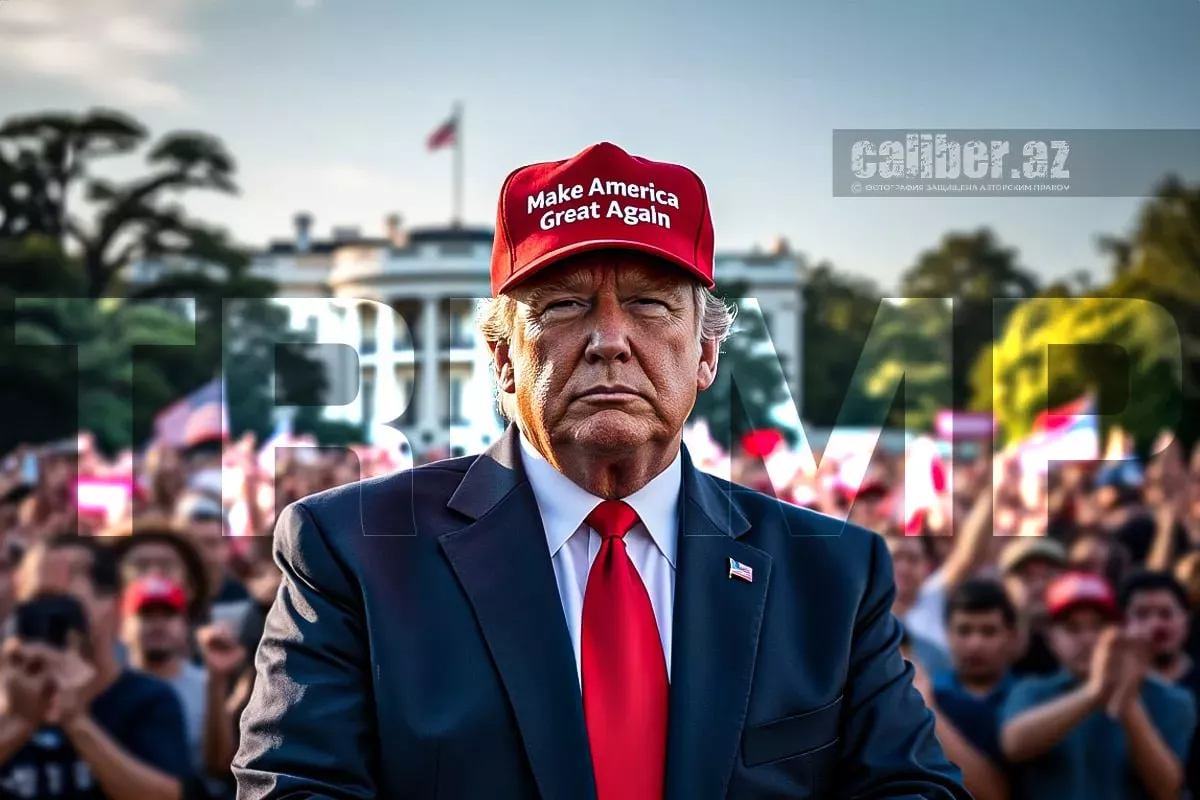
With Donald Trump’s return to the White House, U.S. policy in Latin America has once again shifted its focus toward issues of security, migration, and countering left-wing political projects. Against this backdrop, Colombia has regained particular importance for Washington. Notably, one of the frontrunners in the current presidential race — the aforementioned Abelardo de la Espriella — openly advocates the closest possible cooperation with the United States, including expanded military cooperation and a de facto return to the logic of the “Plan Colombia.” It is no coincidence that Donald Trump has repeatedly signalled sympathy for his agenda.
Another factor shaping U.S. policy toward Colombia is the growing Chinese presence in Latin America. If a decade ago Colombia was considered one of the most pro-American countries in the region, under Petro relations with Beijing have significantly intensified. In May 2025, Bogotá joined China’s “Belt and Road Initiative,” prompting concern in Washington. For the United States, Colombia remains not only a traditional ally but also a key strategic bridge between the Pacific and Atlantic Oceans. As a result, U.S.–Colombian relations are increasingly viewed as part of the broader competition between the United States and China for influence in the Western Hemisphere.
For Donald Trump, who has effectively declared a revival of the Monroe Doctrine in a renewed form, stabilising the situation in Colombia carries not only regional but also symbolic significance. For this reason, some analysts draw parallels with Venezuela and even suggest the possibility of increased pressure on Petro’s circle. Among the arguments cited are reports of investigations in the United States involving members of his family, as well as speculation about possible indictments linked to drug trafficking.
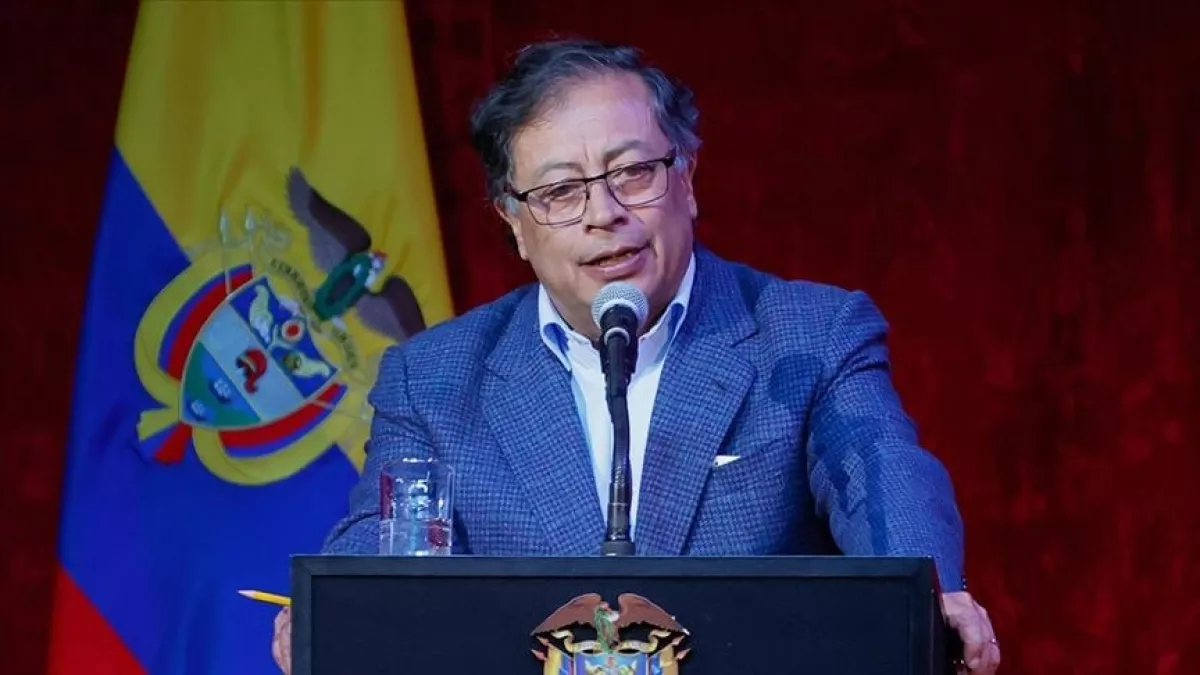
However, many experts consider such comparisons with Venezuela to be overstated. During Petro’s years in office, Colombia has not undergone the kind of radical political transformation experienced by Venezuela under Hugo Chávez and Nicolás Maduro. In addition, Colombia’s armed forces and intelligence services maintain close institutional ties with the United States, which significantly limits the likelihood of a sharp foreign policy realignment.
An additional factor is the fact that Petro himself is not participating in the current presidential race and will soon leave office. Even if victory goes to his successor, Iván Cepeda, the crisis in relations with Washington is likely to shift into a more predictable and pragmatic phase. Despite his left-wing ideology, Cepeda is considered a far more institutional and diplomatic politician than Petro and does not have such a pronounced personal conflict with the U.S. administration. Therefore, many observers suggest that the White House and a potential Cepeda government could find common ground on the most sensitive issues, primarily those related to drug trafficking.
At the same time, Cepeda’s pragmatism could prove no less challenging for Washington than Petro’s more emotional and often confrontational approach. If the current president openly clashed with the United States, his likely successor may continue Colombia’s course of expanding international ties more cautiously and consistently, while maintaining relations with China and other centres of power. From this perspective, the most comfortable scenario for Washington remains a victory for Abelardo de la Espriella.
The question of whether Colombia’s current “autumn of the socialists” will mark the beginning of a new political cycle will be answered very soon.







 editor@caliber.az
 +994 55 444-88-98
 Азербайджан, Баку, ул. Низами, 203, Af Business House, 5-й этаж