










Bulgaria election: Ex-President Radev’s party tops early results PHOTO
Former president Rumen Radev’s centre-left Progressive Bulgaria party has emerged ahead in Bulgaria’s parliamentary elections, according to preliminary official results released early Monday (April 20).
With around a third of ballots counted, Progressive Bulgaria secured 44.59 per cent of the vote, putting it comfortably in first place, Caliber.Az reports via foreign media.
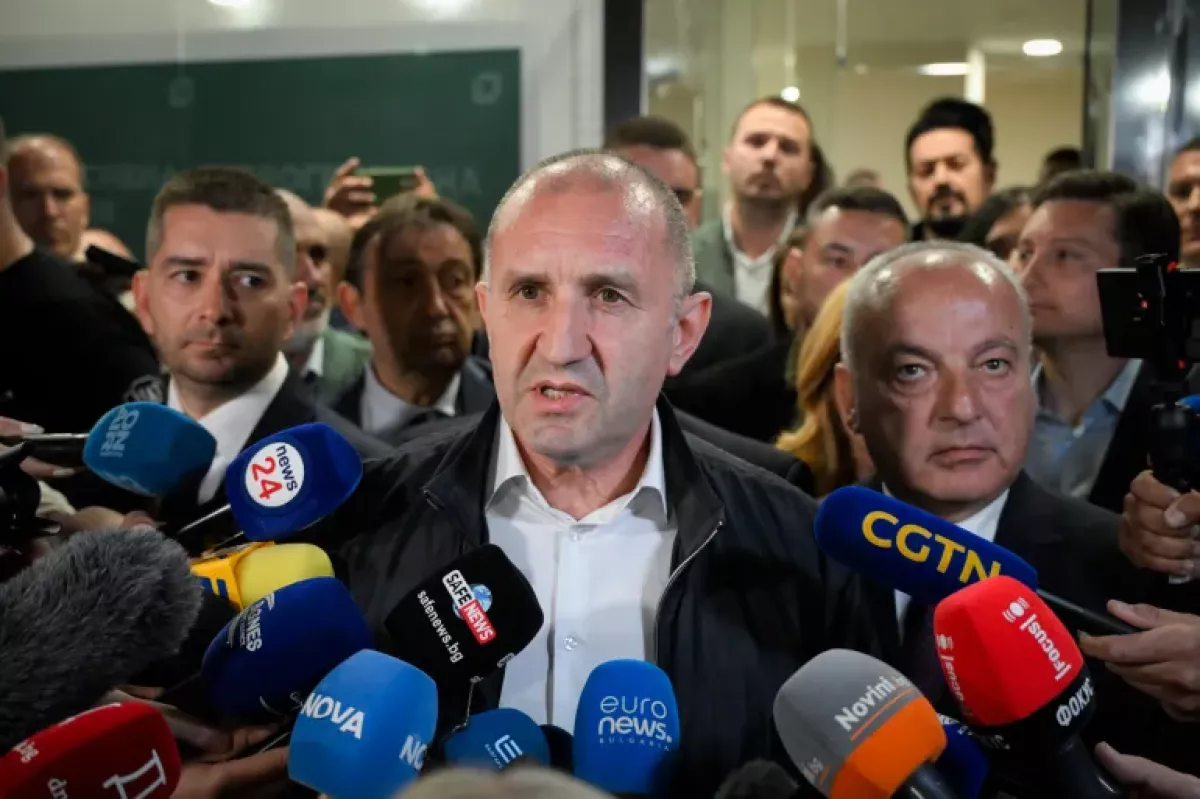
Earlier, an updated exit poll by Alpha Research indicated similar support at roughly 44 per cent, Reuters reported.
The vote marks Bulgaria’s eighth parliamentary election in five years, underscoring persistent political instability. The latest poll was triggered after widespread protests in December forced the resignation of the previous conservative administration.
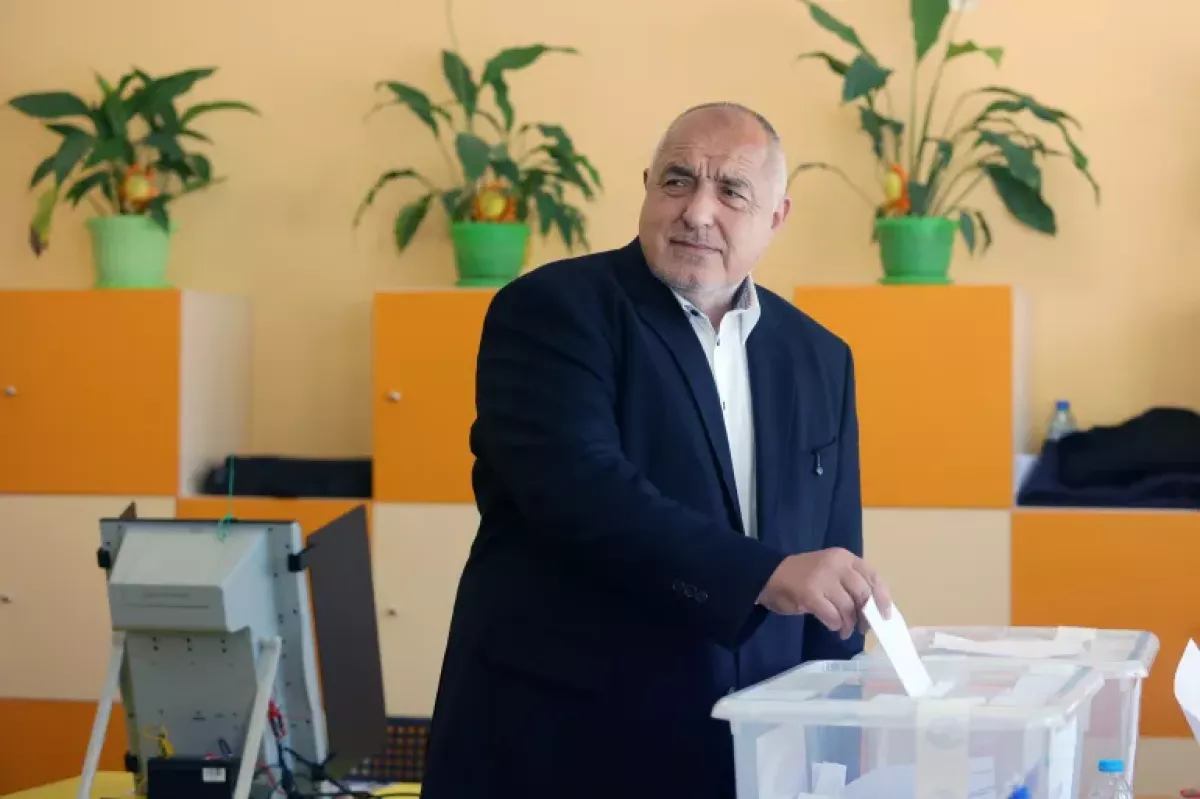
Former prime minister Boyko Borissov’s centre-right GERB party trailed in second place with about 12.5 per cent, while the reformist We Continue the Change–Democratic Bulgaria (PP-DB) coalition was projected to come third. Borissov noted that while elections determine the leading party, coalition talks will ultimately decide who governs.
Radev, who stepped down as president in January after nearly a decade in office to pursue the premiership, signalled openness to forming a coalition, including with PP-DB, though he did not rule out leading a minority government. He emphasised the urgency of forming a stable administration, warning that repeated elections would be damaging for the country.
The Balkan nation has struggled with fractured parliaments since 2021, with successive coalition governments failing to complete full terms.
During his campaign, Radev pledged to dismantle what he described as an “oligarchic governance model” and capitalised on anti-corruption protests that drew large crowds, particularly among younger voters. However, his позиции on foreign policy — including calls to restore ties with Moscow and opposition to military support for Ukraine — have drawn criticism from opponents who view him as overly sympathetic to Russia.
Bulgaria, a member of the European Union since 2007, adopted the euro earlier this year. The election also follows political shifts in the region, including the recent defeat of Hungarian Prime Minister Viktor Orbán after more than a decade in power.
By Aghakazim Guliyev







 editor@caliber.az
 +994 55 444-88-98
 Азербайджан, Баку, ул. Низами, 203, Af Business House, 5-й этаж