










China advances nuclear shipping ambitions by presenting floating hub Posidonia International Shipping Exhibition/PHOTOS
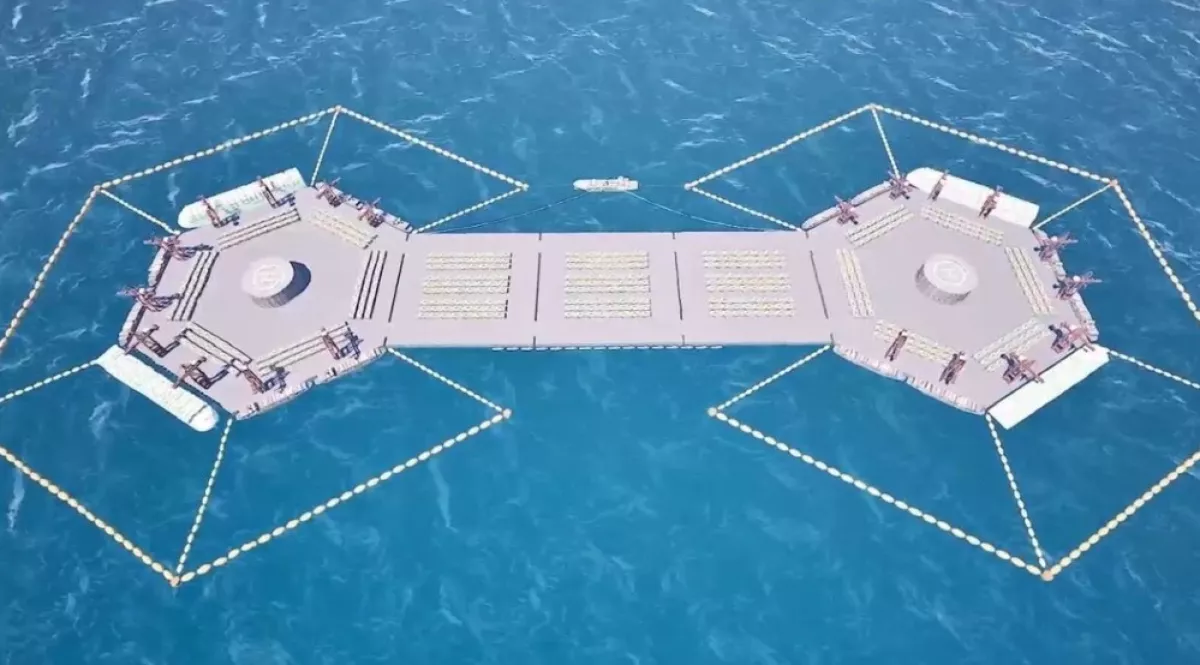
A Chinese shipbuilder has unveiled plans for a massive nuclear-powered floating island designed to serve as a container transhipment hub and energy station for next-generation vessels.
Jiangnan Shipyard, a subsidiary of the state-owned China State Shipbuilding Corporation (CSSC), presented the concept at this week's Posidonia International Shipping Exhibition in Greece, as Chinese media reports.
The proposed offshore transport hub would combine port operations, container transhipment, power generation and green fuel production into a single floating platform, reflecting China's ambitions to decarbonize the maritime sector.
At the heart of the project is an advanced molten salt nuclear reactor, which uses liquid salt as both fuel and coolant. Unlike conventional reactors, molten salt technology can store large amounts of thermal energy and does not rely on water for cooling, according to Chinese media reports.
Jiangnan Shipyard said the facility is intended to create “a new ecosystem for zero-emission ocean container logistics” while offering “a groundbreaking solution for the global shipping industry's carbon-neutral transformation.”
The concept builds on the company's broader push into nuclear-powered commercial shipping. Last year, Jiangnan Shipyard revealed plans for a 25,000-TEU container ship powered by a thorium-fueled molten salt reactor.
According to presentation materials released by the company, the floating island will feature a dedicated nuclear power and green-fuel production platform described as the “zero-carbon heart of the hub.”
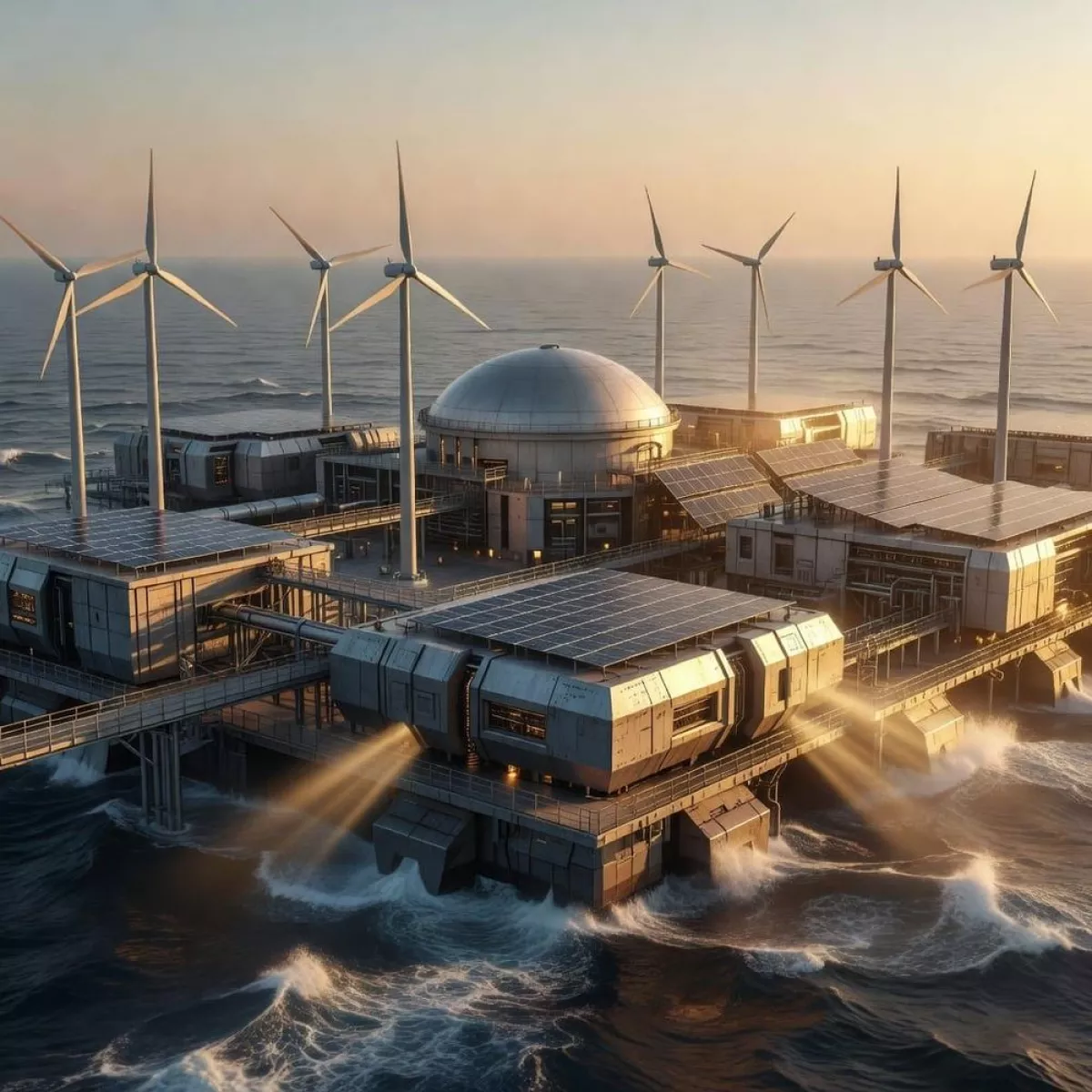
In addition to the molten salt reactor, the platform would incorporate solar panels, wind turbines, hydrogen production facilities, green-fuel synthesis modules and an electrical distribution system capable of supplying power to vessels and on-site infrastructure.
As media outlets point out, the project would represent one of the world's most ambitious attempts to integrate nuclear energy, renewable power and maritime logistics into a single offshore facility, if realized, underscoring China's growing focus on zero-emission shipping technologies.
By Nazrin Sadigova







 editor@caliber.az
 +994 55 444-88-98
 Азербайджан, Баку, ул. Низами, 203, Af Business House, 5-й этаж