










Doctors break down how nutritional demands change in each life stage
Following a balanced diet is widely recognised as one of the most effective ways to protect long-term health, but growing evidence shows that the foods people need most can vary significantly depending on their stage of life.
A large international research team analysed the medical records of around 63,000 people born in the UK between 1951 and 1956, a period when government-imposed sugar rationing was still in place. During the Second World War, the British government introduced food rationing to ensure fair distribution and adequate nutrition, limiting sugar consumption to about 8oz (227g) per person per week. Children under the age of two were not allocated any sugar at all.
When sugar rationing ended in 1953, adult sugar consumption doubled almost overnight. At the time, the long-term health implications were unknown. However, as an article by the BBC explores, this historical shift created a natural experiment that later allowed scientists to examine the lasting effects of early-life sugar exposure.
Working on a study published in 2025, researchers found that children exposed to lower levels of sugar in the womb and during the first 1,000 days of life were 20% less likely to develop cardiovascular disease in adulthood. They were also 25% less likely to develop heart failure and 31% less likely to suffer a stroke compared with those who consumed more sugar after rationing ended.
While the link between excessive sugar intake and poor health later in life is well established, researchers say the nutritional value of many other foods depends heavily on age. For example, infants require higher levels of fats found in whole milk and dairy products, a diet that would be considered less healthy for adults.
According to Federica Amati, a nutritional scientist at Imperial College London, children’s high energy needs mean they require nutrient-dense foods to support development.
"In childhood, food is literally building the body and the brain," Amati told the British outlet. She added that children need sufficient iron, iodine and a wide range of vitamins to support immunity, brain development and muscle growth.
This translates into diets rich in fruit and vegetables, wholegrains, beans and lentils, quality fats such as nuts and seeds, and minimal ultra-processed foods.
"From conception through the first 1,000 days and into the school years, children are growing rapidly and laying down most of their future bone mass," says Amati. "That's why calcium and vitamin D are priority nutrients at this stage; they're essential for normal bone development and for achieving a healthy peak bone mass, which reduces the risk of osteoporosis and fractures later in life."
In practical terms, she recommends regular sources of calcium such as milk, yoghurt, cheese, calcium-set tofu or fortified plant drinks, alongside vitamin D from sunlight and foods including fish and eggs.
Evidence suggests that healthy eating habits in childhood have lasting benefits. A 2023 study found that children who met at least three dietary recommendations from the UK’s Eatwell Guide at the age of seven showed lower heart disease risk markers by age 24.
Teenagers and 20s
Diet remains critical during adolescence and early adulthood, when bone and muscle development is completed and lifestyle demands increase. According to Amati, this period is key for establishing habits that influence long-term cardiovascular and brain health.
"Adolescence and early adulthood are another big window of opportunity for nutrition," says Amati. "In the 20s, growth slows, but it's still a crucial decade for establishing habits that protect heart and brain health in later life. We see that a lot of the groundwork for cardiovascular disease is already being laid in this age group, even though symptoms appear much later."
Teenagers have increased requirements for calcium, vitamin D and iron, while protein and B vitamins also play an important role, she says.
Studies indicate that diet quality at this stage can also affect mental health.
"There's growing evidence that dietary patterns in adolescence can influence mental health risk – diets high in ultra-processed foods and low in whole plant foods are associated with higher rates of depression and anxiety, while more Mediterranean-style patterns appear protective," Amati says.
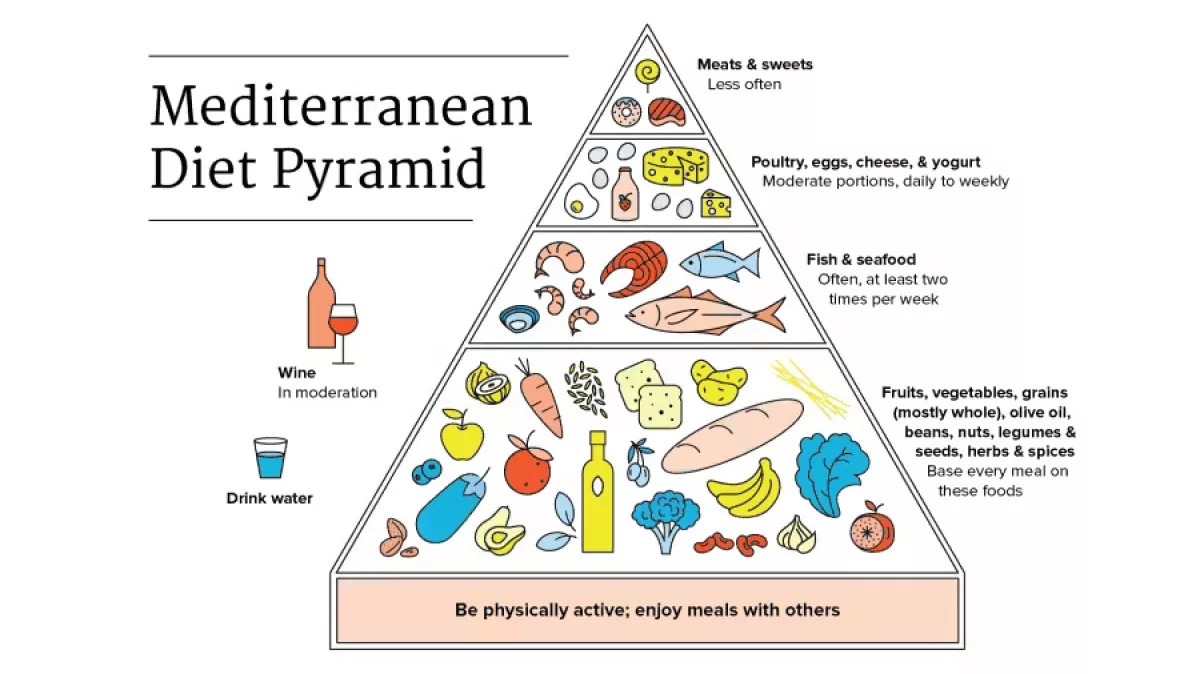
The Mediterranean diet, which emphasises vegetables, legumes, nuts and olive oil, with moderate amounts of fish, dairy and poultry, has also been linked to improved fertility. Research shows it may support reproductive health in both men and women, while Western-style diets are associated with higher rates of infertility, according to the BBC.
Middle age
In mid-life, nutrition plays a growing role in preventing chronic disease and maintaining physical function later on, says Elizabeth Williams, professor of human nutrition at the University of Sheffield.
This is particularly relevant for women approaching menopause, "when there is accelerated loss of bone density, sarcopenia [age-related muscle loss] and osteoporosis", says Williams.
Menopause is also linked to increased risks of obesity, heart disease and type 2 diabetes, as declining oestrogen levels affect appetite regulation and insulin sensitivity.
As women move into their 40s and 50s, two big nutritional priorities emerge: heart health and bone and muscle health – Federica Amati
Research suggests that dietary improvements can significantly reduce these risks. A large population study of more than 100,000 US adults aged 39 and over found that diets rich in fruits, vegetables, whole grains, unsaturated fats, nuts, legumes and low-fat dairy were strongly associated with healthy ageing.
Amati also advises a modest increase in protein intake during mid-life to help counter muscle loss, alongside a Mediterranean-style diet to support cardiometabolic, gut and mental health.
Later life
As people age, energy requirements decline, but the need for essential nutrients remains high. According to Williams, calcium and vitamin D become particularly important to prevent osteoporosis and fractures.
Calcium-rich foods include milk, fortified alternatives, hard cheese, yoghurt, sardines, tofu and spinach, while vitamin D can be obtained from oily fish, egg yolks and fortified foods.
Protein intake is also crucial, says Jane Murphy, dietician and co-lead of the Ageing and Dementia Research Centre at Bournemouth University.
"As we age, our form and functions deteriorate, we lose muscle mass and strength, and need protein to prevent sarcopenia," she says.
Murphy stresses that protein should be part of a balanced diet that also includes carbohydrates, healthy fats such as olive oil, avocados and oily fish, and a full range of vitamins and minerals.
Ageing also alters the gut microbiome, with reductions in beneficial bacteria and increases in potentially harmful species, changes that have been linked to conditions including Alzheimer’s disease, stroke and heart disease.
Although much remains unknown, insights can be drawn from people who live exceptionally long lives, according to Mary Ni Lochlainn, clinical lecturer in geriatric medicine at King’s College London.
"People living [to] 100 seem to be defying many other aspects of ageing common to other people," says Ni Lochlainn. "They have a diverse microbiome that looks different to other older people's."
According to the BBC, researchers believe these findings highlight how diet, tailored to each life stage, can play a central role in supporting health across the lifespan.
By Nazrin Sadigova







 editor@caliber.az
 +994 55 444-88-98
 Азербайджан, Баку, ул. Низами, 203, Af Business House, 5-й этаж