










Oxford scientists rush to develop vaccine for rare Ebola virus strain wreaking havoc
Scientists are racing to develop the world's first vaccine against the rare Bundibugyo strain of Ebola as health workers battle a deadly outbreak in the Democratic Republic of Congo (DRC) and Uganda that has already claimed 141 lives, as of the moment of this reporting. Three research teams are currently working to develop a vaccine against the Bundibugyo strain, including scientists at one of the UK's most prestigious universities who are repurposing the technology that underpinned the Oxford-AstraZeneca Covid-19 vaccine.
Unlike the two approved Ebola vaccines, which protect against the more common Zaire strain, no licensed vaccine or targeted treatment currently exists for Bundibugyo—the virus responsible for the 2026 outbreak. So far, over 700 confirmed cases have been recorded across the DRC and neighbouring Uganda.
The outbreak is centred in Ituri province in northeastern DRC, where ongoing conflict, population displacement, cross-border migration and overstretched healthcare facilities have made containing the virus especially difficult.
Besides the absence of a targeted vaccine, there are also no approved therapies specifically targeting Bundibugyo. The World Health Organization has recommended evaluating - under careful supervision - the experimental antiviral drug obeldesivir that was originally developed during the COVID-19 pandemic.
Among the groups working to close the vaccine gap is the Oxford Vaccine Group at the University of Oxford, where researchers Teresa Lambe and Rebecca Makinson are developing a vaccine candidate for the Bundibugyo virus. They were interviewed for a podcast series by The Conversation outlet, where they provided some insights into their initiative's progress.
The Oxford team is one of three research groups to receive fast-track funding from the Coalition for Epidemic Preparedness Innovations (CEPI), alongside pharmaceutical company Moderna and the International AIDS Vaccine Initiative (IAVI).
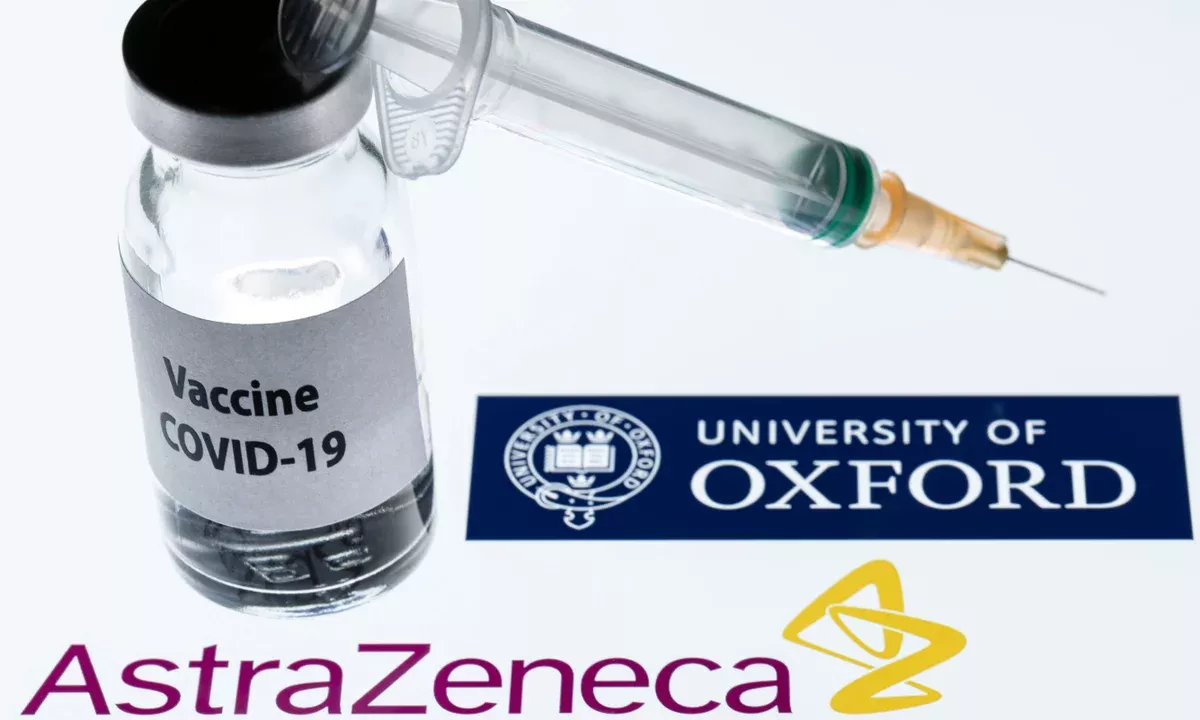
The researchers are adapting ChAdOx1—the viral-vector platform that formed the basis of the Oxford-AstraZeneca COVID-19 vaccine—to target the Bundibugyo strain, building on earlier work to develop a vaccine against another Ebola variant in 2022.
Normally, vaccine development progresses through pre-clinical research, animal testing and manufacturing before entering human trials. This time, the Oxford team is compressing that timeline by running several stages simultaneously.
"Because we are using a platform technology where we have amassed a lot of knowledge around how to make these types of vaccines, we're trying to run each of those different streams at the same time."
Lambe said researchers have already begun testing the vaccine in small animals while simultaneously manufacturing doses for clinical studies. She added that the team hopes to launch a phase one human trial "relatively soon, and certainly faster than you would routinely do".
For Makinson, developing an Ebola vaccine is no longer the greatest hurdle.
"The question isn't really whether we can make an Ebola vaccine because it's very clear that's possible," explains Makinson, a postdoctoral researcher in Lambe's group. "The big challenge is being able to develop these vaccines … when there's not an outbreak happening, and then making sure that they're available as and when and where the outbreaks occur."
Researchers warn that Ebola outbreaks are becoming increasingly difficult to contain. While infections were once largely confined to isolated rural communities, urbanisation is bringing larger populations into closer contact with the virus's natural reservoirs, increasing the risk of transmission.
Named after a district in Uganda where it was first identified, the Bundibugyo strain has caused only two previous outbreaks—in 2007 and 2012. One study cited by the BBC found it killed roughly one-third of those infected, making it less deadly than the Zaire strain, which has a fatality rate of about 66.6%, and the Sudan strain, at approximately 48.5%.
By Nazrin Sadigova







 editor@caliber.az
 +994 55 444-88-98
 Азербайджан, Баку, ул. Низами, 203, Af Business House, 5-й этаж