










Russian, Turkish experts secure spot at UN's global scientific panel on AI
The United Nations has appointed a 40-member global scientific panel to examine the risks associated with artificial intelligence (AI), naming among its members a leading Turkish physicist and a senior executive from Russia’s largest bank. The decision comes as former employees of AI companies have publicly raised concerns about the technology’s rapid development.
UN Secretary-General Antonio Guterres described the initiative as a "foundational step toward global scientific understanding of AI", despite strong opposition from the United States, according to Russian media.
“In a world where AI is racing ahead,” Guterres said, “this panel will provide what’s been missing — rigorous, independent scientific insight that enables all member states, regardless of their technological capacity, to engage on an equal footing.”
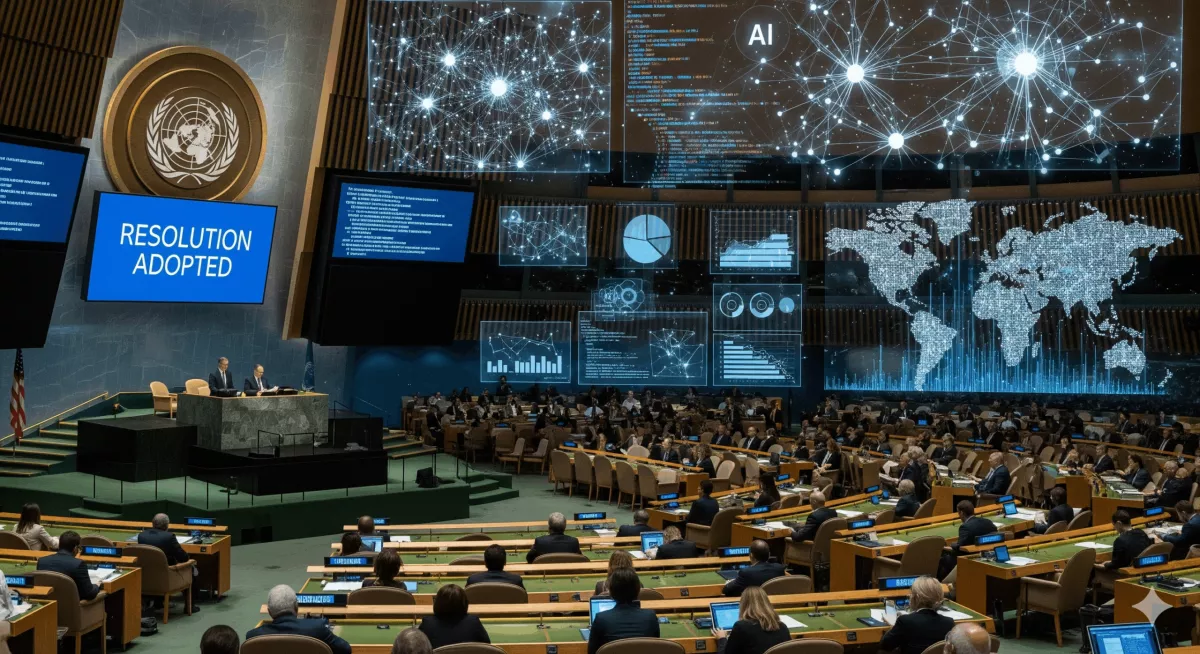
The United Nations General Assembly approved the panel in a 117-2 vote. The United States and Paraguay voted against the measure, while Tunisia and Ukraine abstained. Russia, China and several European allies supported the resolution.
According to Guterres, the 40 experts were chosen from a pool of more than 2,600 applicants following an independent review by multiple UN bodies and the International Telecommunication Union. Members will serve three-year terms.
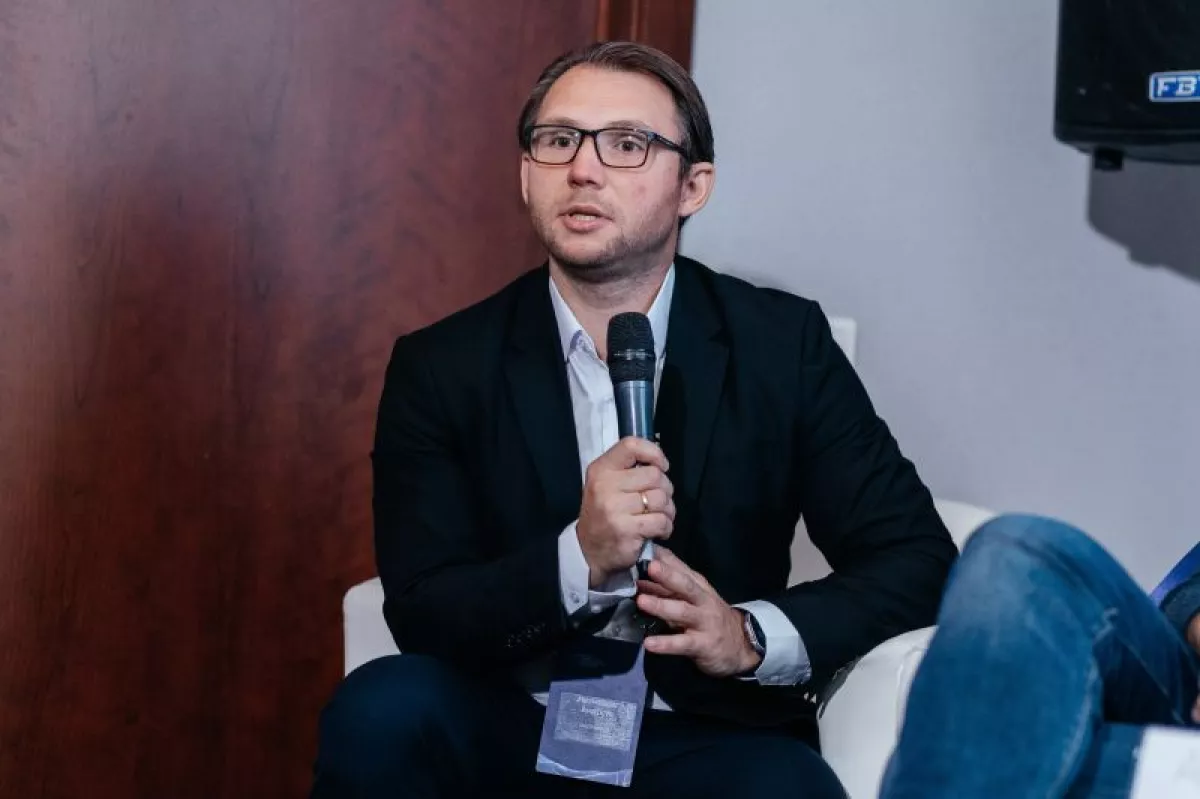
Russia’s representative on the panel is Andrey Neznamov, who heads the Human-Centered Artificial Intelligence Center at Sberbank, the country’s largest bank, and also chairs the Russian National Commission on AI Ethics. His appointment contributed to Ukraine’s decision to abstain, citing the ongoing conflict with Moscow.
Türkiye is represented by Bilge Demirköz, a professor of high-energy physics at the renowned Middle East Technical University in Ankara. She leads the Particle Radiation Tests Creation Laboratory, the first joint initiative between Türkiye and CERN, the prestigious European Organization for Nuclear Research. Demirköz has received several honours, including the L'Oréal-UNESCO For Women in Science International Rising Talents fellowship.
Among the 40 members of the panel are experts from Austria, China, Egypt, Germany, Israel, Italy, Pakistan and the UK.
The UN vote comes as employees at various artificial intelligence firms stage walkouts over concerns about corporate practices.
Prominent AI figures — including Dario Amodei of Anthropic, Sam Altman of OpenAI and Steve Wozniak — have also cautioned about the potential risks posed by AI.
US opposition — from a country widely regarded as a leader in AI development — is based on the view that the panel represents “a significant overreach of the UN's mandate and competence” and that “AI governance is not a matter for the UN to dictate.”
Lauren Lovelace, a counselor at the US mission to the UN, urged the organization to focus on its "core missions" instead of "attempting to regulate or stifle the development of cross-cutting ... technologies that will determine economic and strategic competition in the twenty-first century."
By Nazrin Sadigova







 editor@caliber.az
 +994 55 444-88-98
 Азербайджан, Баку, ул. Низами, 203, Af Business House, 5-й этаж