










Abkhazia and Tskhinvali Region: possible scenarios Georgia’s red lines
Georgian Prime Minister Irakli Kobakhidze has called the restoration of diplomatic relations with Russia “a red line” until Russian troops withdraw from Abkhazia and South Ossetia.
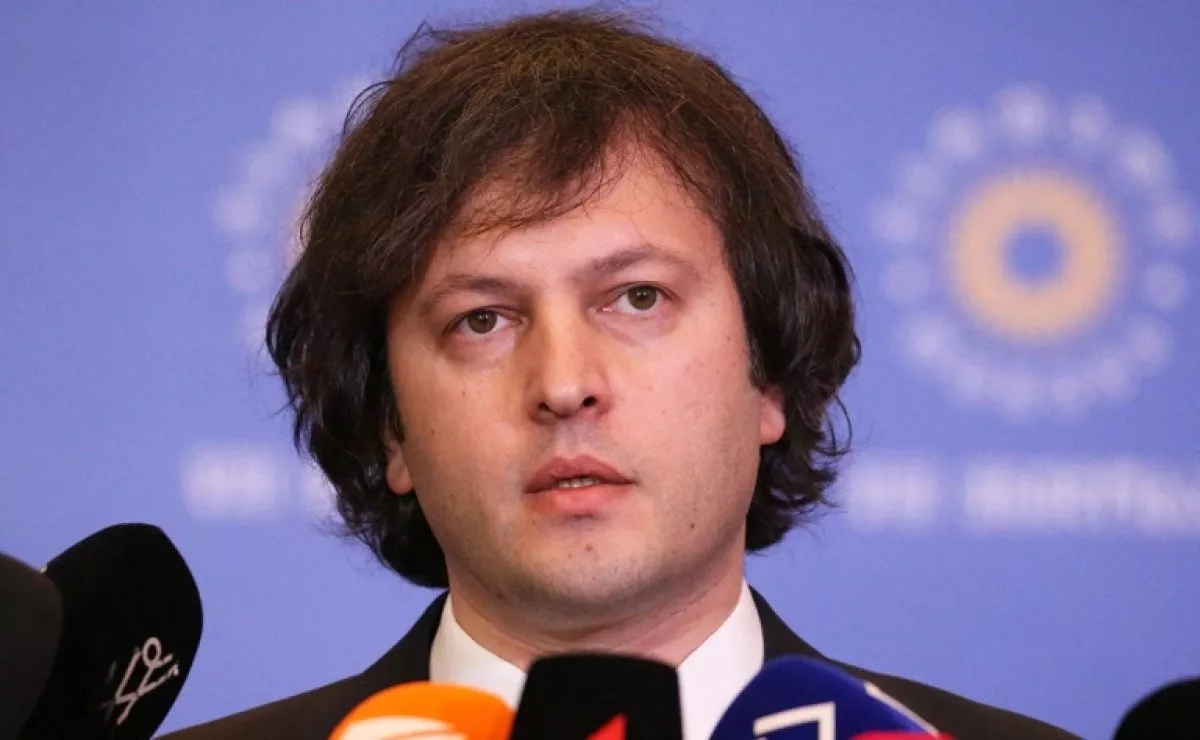
“For us, the main thing is our principled position and adherence to our red lines. These red lines are connected to the issue of de-occupation. There can be no compromise here, and our position will not be revised. I am stating this clearly,” Kobakhidze said in response to a journalist’s question about the possible restoration of diplomatic relations with Russia, which were severed after the 2008 war.
At the same briefing, the Prime Minister noted that former U.S. Ambassador to Georgia Kelly Degnan, after the start of the Russia–Ukraine war, “threw tantrums” during meetings with Georgian authorities, “demanding the imposition of sanctions against Russia,” but “received a firm refusal.” By this, the Prime Minister indicated that despite the lack of diplomatic relations with Russia, Tbilisi does not intend to abandon economic engagement with it.
Kobakhidze’s remarks were essentially a response to a statement by the Russian Foreign Ministry, which claims that the Kremlin “does not see any grounds” for resuming political dialogue with Georgia.
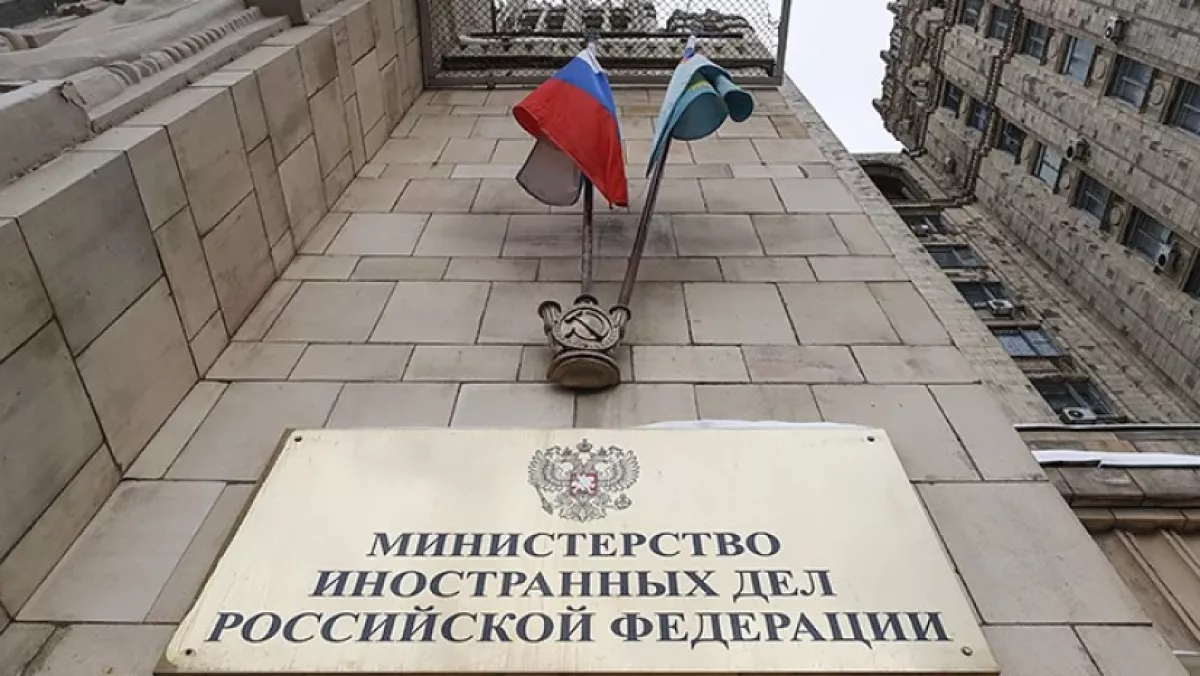
“The prerequisites for resuming political dialogue between Russia and Georgia do not exist, since Tbilisi maintains the position of the Saakashvili regime, linking the restoration of diplomatic relations to Russia’s renunciation of recognition of Abkhazia and South Ossetia. This demand is harmful and unrealistic for Georgia itself. Moscow emphasises that the decision to recognise the statehood of the republics is irreversible. Nevertheless, Russia is open to further normalisation of relations to the extent that Tbilisi itself desires. The ball is now in Georgia’s court, which, in our view, should be the most interested party in this,” the Russian Foreign Ministry stated.
The Russian Foreign Ministry’s statement caused genuine “delight” among Georgia’s pro-Western opposition. At first glance, this seems paradoxical: the opposition publicly declares “patriotism” and a desire to restore territorial integrity, while Moscow’s position goes against that goal. However, today the opposition is far more concerned about the ruling party’s rising popularity. If a peaceful opportunity arose—as the Georgian Dream party claims—to regain Abkhazia and the Tskhinvali Region, the ruling party’s rating would become virtually untouchable.
Kobakhidze’s remarks that Georgia’s territorial integrity is a red line that the government will never cross were expected, including in Moscow. At the same time, it is clear that Russia informally seeks to build mutually beneficial relations with the Georgian Dream party without officially restoring diplomatic ties. The situation Moscow faces is quite complex, and it cannot afford to ignore Georgia’s de facto neutrality and its informal yet productive cooperation with Tbilisi.
To understand why the Russian Foreign Ministry is not yet ready to officially raise the issue of revoking recognition of the “independence” of the occupied Georgian territories—Abkhazia and the recently fully abolished by Georgian authorities so-called “South Ossetia” (the Tskhinvali Region)—one must take into account the current context in which Russia itself finds itself.
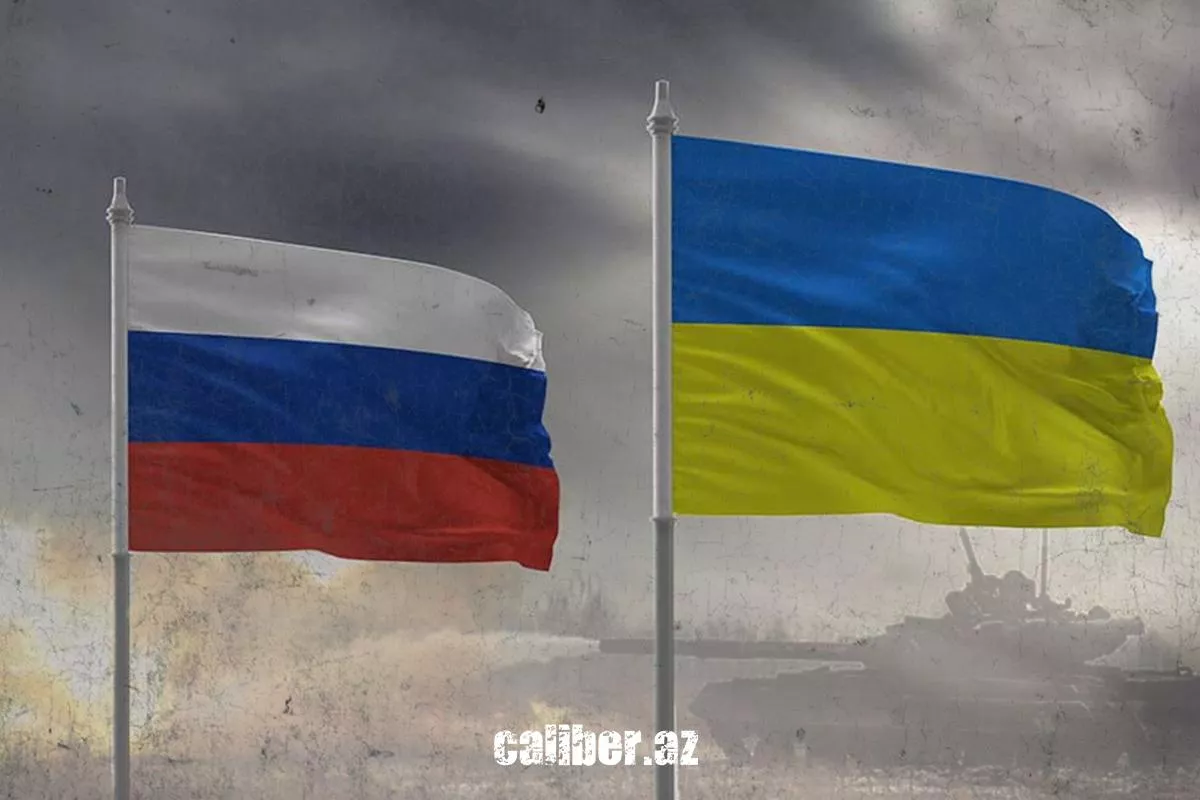
The war against Ukraine has reached a deadlock. Despite the boastful statements of Russian propaganda, a quick victory for Russia has proven unattainable. In fact, Moscow broadly supports the so-called “Trump Plan” for ending the war.
However, in the autumn of 2023, Russia “incorporated” Ukraine’s Kherson and Zaporizhzhia regions into its territory, making corresponding amendments to its Constitution. In Zaporizhzhia itself, no “referendum” was held—the regional centre was not under Russian control—and Russian forces soon withdrew from Kherson, returning the city to Ukrainian control.
According to the latest information, under the framework of the “Trump Plan,” Moscow has only managed to achieve discussions on the possible transfer of parts of the Donetsk region, currently controlled by Ukraine, to Russia in exchange for the areas of Kharkiv, Sumy, and Dnipropetrovsk regions occupied by Russia. However, it is not certain that Kyiv will agree to such an exchange. The “remaining” part of Donetsk region under Ukrainian control is critically important for Russia due to the destroyed Siverskyi Donets – Donbas Canal: without it, the region is effectively uninhabitable. Currently, water in occupied Donetsk is supplied for a maximum of 1–2 hours once every three days, and it does not reach the upper floors of apartment buildings.
The “Trump Plan” does not mention transferring Kherson and Zaporizhzhia to Russia at all. However, in the event of a potential agreement to “freeze” the war, the question of removing these regions from the Russian Constitution would inevitably arise. It is in this context that the topic of a possible revocation of recognition of Abkhazia and the so-called South Ossetia emerges. The logic is clear: if Moscow agrees to withdraw recognition of the occupied Georgian regions, it could, by analogy, remove Kherson and Zaporizhzhia from its Constitution. This, in turn, could open the door to far larger demands.
However, Russia apparently seeks to “negotiate the maximum” in talks on Ukraine and is currently categorically unwilling even to discuss removing Kherson and Zaporizhzhia from its “constitutional territories.” From this, it becomes clear why the question of restoring diplomatic relations between Russia and Georgia is surfacing in the media right now: by firmly denying such a possibility, the Russian Foreign Ministry is effectively “raising the stakes” in negotiations over Ukraine. Any hint of willingness to reconsider recognition of Abkhazia and the Tskhinvali Region would signal to the United States that Moscow is also open to relinquishing claims to Ukrainian territories—even if only formally. But Russia has given no such signal.
Does this mean that Georgia should “say goodbye” to its occupied territories, and that their return is impossible without Russia’s defeat in the war in Ukraine? Moscow’s interest in deepening cooperation with Tbilisi does not allow such conclusions.

Russia increasingly needs to restore railway transit through Abkhazia, which would provide it with direct and shortest access to the Middle Corridor passing through Georgia—especially in the context of the construction of the deep-water port of Anaklia near occupied Abkhazia, supported by China. In Abkhazia, Russia has previously carried out work to restore the railway infrastructure. However, the position of the Georgian authorities remains unchanged: without de-occupation and the return of refugees, no transit is possible. In a scenario of a potential “freeze” of the war in Ukraine, Moscow’s economic pragmatism is likely to prevail sooner or later.
Furthermore, it is unclear in what final form a peace agreement between Russia and Ukraine will be concluded. If the Kremlin does decide to officially relinquish Kherson and Zaporizhzhia, which it does not fully control anyway, the likelihood of revoking recognition of the “independence” of the occupied Georgian territories and their subsequent de-occupation would sharply increase, despite today’s firm statements.
The very existence of separatist projects in a “partially recognised” state also creates problems for Russia itself, which has more than two dozen national autonomies. The war in Ukraine has only exacerbated this situation: among the casualties, there is a disproportionately high share of people from national republics. The level of losses there is significantly higher than in Moscow or St. Petersburg, which is already generating “centrifugal” sentiments. Ossetians, who have suffered particularly heavy losses, increasingly write on social media that they have “paid—and overpaid”—with the blood of their people for all the “debts” owed to Russia.
The existence of separatist regimes in the occupied Georgian territories requires enormous resources from Russia and is causing increasing problems. The only arguments for maintaining control over them are the military bases stationed there and the use of Abkhazia’s resort potential, which, due to isolation, has become a kind of “all-Russian health resort.” However, in the era of “drone warfare,” Russian bases in the occupied territories are becoming increasingly vulnerable, and their upkeep diverts resources that Moscow needs in other regions.
Moreover, more and more Russians believe that vacationing in a united, friendly Georgia would be far more comfortable and safe, and that investments would be far better protected under Georgian jurisdiction than in the corrupt separatist “republics.” Another point is clear: the Kremlin is increasingly frustrated that the rapidly developing North Caucasus has become a relative “logistical dead end” due to the unresolved territorial issue with Georgia. This is particularly critical in the context of the rapid development of the Middle Corridor, where China and Central Asian states are increasingly redirecting their transit.
By Vladimir Tskhvediani, Georgia, exclusively for Caliber.Az







 editor@caliber.az
 +994 55 444-88-98
 Азербайджан, Баку, ул. Низами, 203, Af Business House, 5-й этаж