










Switzerland, the ICRC, and the anatomy of selective morality From Reichsbank gold to smuggling on the Lachin road
There is a particular kind of hypocrisy that hides behind an impeccable reputation. It does not announce itself—on the contrary, it is cloaked in the white coat of diplomatic correctness, shielded by the banners of humanitarian institutions, and protected by decades of a carefully polished image. Switzerland—a state that has turned neutrality into a national brand—perhaps represents the most instructive example of how one can profit enormously from the tragedies of others over decades while maintaining an aura of supposed moral superiority. Its history of relations with Nazi Germany, the conduct of the International Committee of the Red Cross during the Holocaust, and—what is particularly relevant today—the systematically biased stance of the ICRC towards Azerbaijan, together form a picture that forces a fresh look at the true nature of so-called neutrality.
Let’s start with the foundation. When Europe was engulfed in the flames of World War II in September 1939, Switzerland formally did not take sides. In reality, however, the Swiss financial system became the circulatory system of the Nazi war machine. The Swiss National Bank (SNB) conducted large-scale operations with Reichsbank gold, fully aware of the origin of the ingots it received.
The Bergier Commission—a group of international historians established by the Swiss parliament in 1996 to investigate the Confederation’s financial ties with the Nazi regime—determined that the SNB received gold from Nazi Germany worth approximately $440 million in the prices of the time, equivalent to roughly eight billion dollars in today’s terms. Of this sum, at least $316 million was stolen gold—taken from the central banks of occupied European countries, confiscated from victims of racial persecution, including gold extracted from the dental crowns of concentration camp prisoners.
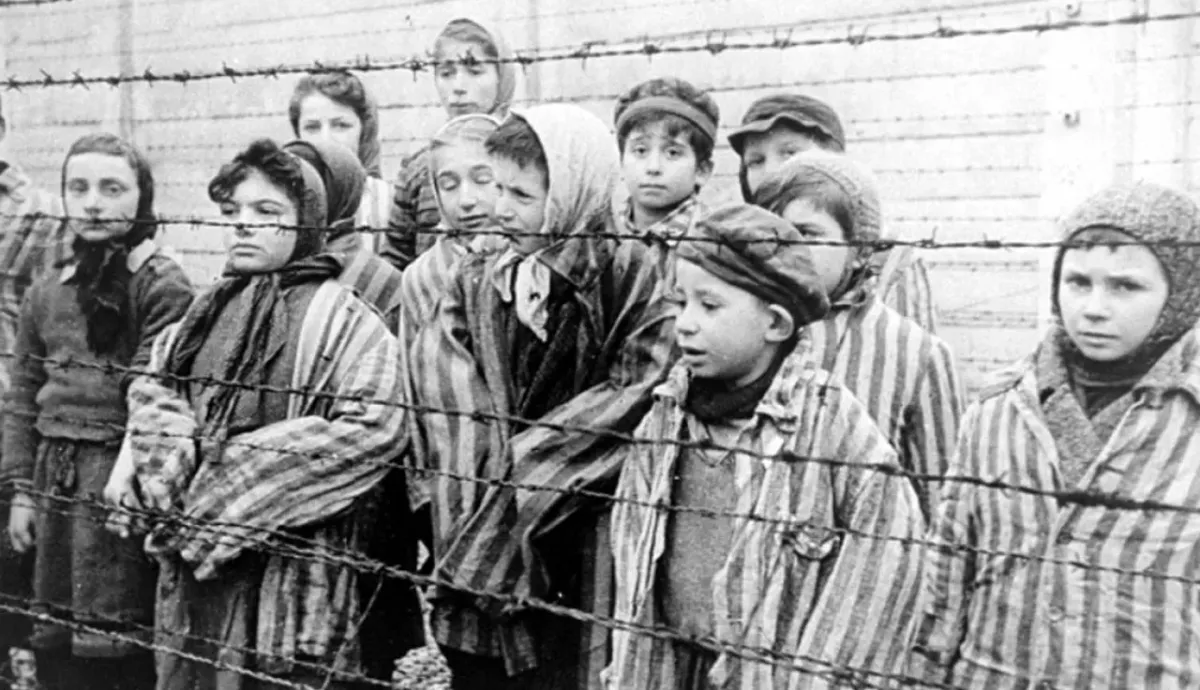
The leadership of the Swiss National Bank, as the Bergier Commission clearly established, was aware of the criminal origin of the gold at a very early stage. This was neither ignorance nor the result of deception—it was a conscious choice driven by “financial expediency.” Swiss bankers understood that the gold the Reichsbank offered in exchange for Swiss francs had been looted from occupied territories. Nevertheless, the transactions continued with increasing intensity.
The Swiss franc remained one of the few freely convertible currencies in war-torn Europe, and it was precisely through the Swiss banking system that Nazi Germany gained access to the currency needed to purchase strategic raw materials from Portugal, Spain, Sweden, and Türkiye. Without this financial channel, the Reich’s economic machine would have faced critical difficulties much earlier. In other words, Swiss financial neutrality objectively helped prolong the war.
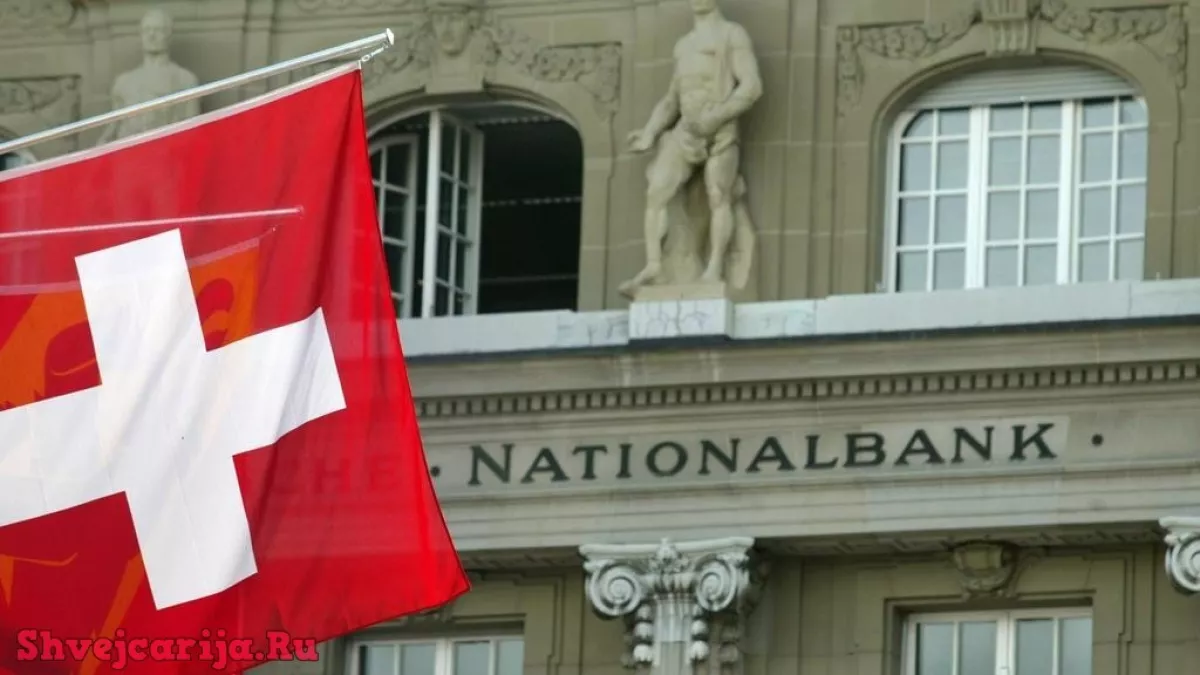
In parallel with the banking operations, a large-scale industrial and commercial collaboration was taking place. Swiss companies exported to Germany high-precision instruments, engineering equipment, chemical products, and dual-use goods suitable for military production. In return, they became dependent on German coal and raw material supplies. This interdependence, as the Bergier Commission found, went far beyond ordinary trade: it actively supported Germany’s industrial and military potential at a time when an international blockade was intended to undermine it.
Moreover, the Commission documented that Swiss firms operating in occupied territories were actively involved in the so-called “Aryanisation”—the confiscation of Jewish property. The investigation found that Swiss companies employed forced labour at their subsidiaries in the Reich; conservative estimates put the number of enslaved workers and prisoners of war at more than eleven thousand. The headquarters in Switzerland were not merely aware of this—they approved it.
However, the most merciless indicator of the true morality of Swiss neutrality was its policy toward refugees. It was here that the neutral façade finally collapsed. In 1938, after the Anschluss of Austria, thousands of Jewish refugees flocked to the Swiss border. Bern’s response was brutal. That autumn, the Swiss authorities—on the initiative of Heinrich Rothmund, head of the federal police for foreign affairs—entered into negotiations with the Nazi leadership, resulting in an agreement to mark the passports of German Jews with a red “J” (Jude—Jew).
This measure, adopted on October 5, 1938, had a clear purpose: to provide Swiss border guards with a tool to identify and deny entry specifically to Jewish refugees. Swiss historians and researchers confirmed to Yad Vashem, Israel’s national Holocaust memorial and research centre, that the initiative originated from the Swiss side.
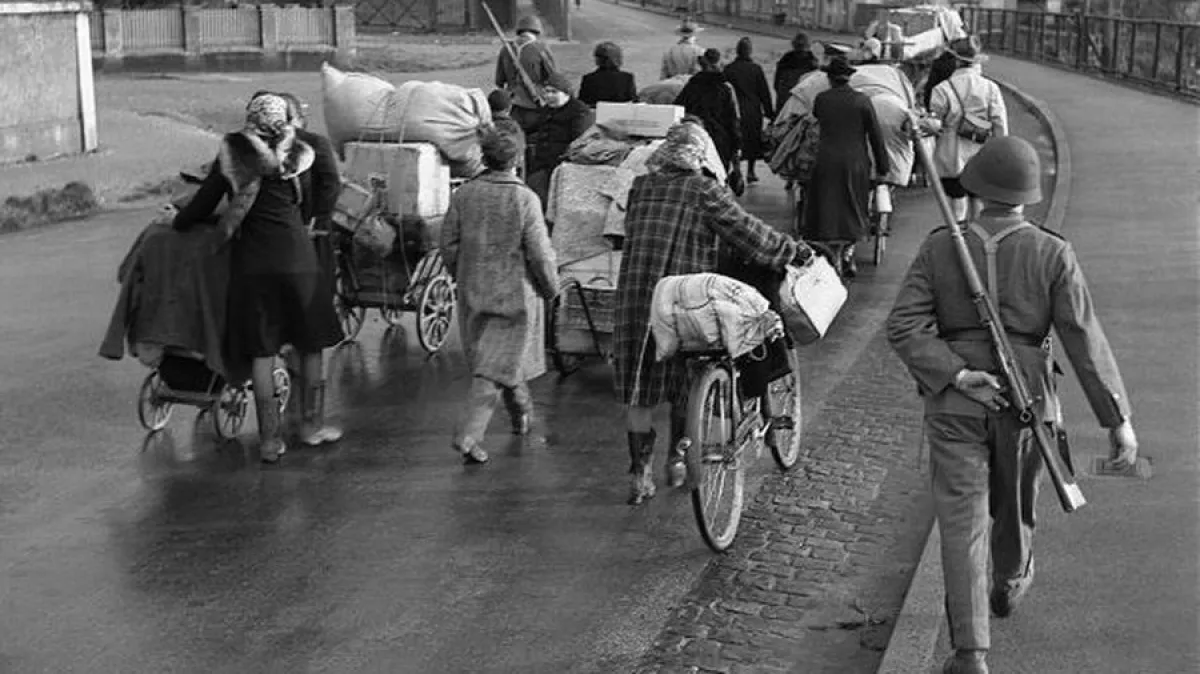
The consequences of this decision were measured in human lives. From 1942 onwards, the Swiss borders were effectively closed to Jewish refugees. Thousands of people were turned away at the border, even though the Swiss authorities knew they were sending them to almost certain death. In its 956-page report presented in 1999, the Bergier Commission concluded that Switzerland “declined to help people in mortal danger” and that “by creating additional barriers for them to overcome, Swiss officials helped the Nazi regime achieve its goals.”
Historians found no evidence that Germany threatened Switzerland with invasion if it accepted refugees. As the Commission determined, Switzerland could have accommodated significantly more people.
But within this narrative, there is a particularly grim chapter—the story of the International Committee of the Red Cross. Founded in Geneva and inextricably linked to Switzerland, its emblem—an inverted Swiss flag—has become a worldwide symbol of humanitarian aid. Yet during the Holocaust, the organisation demonstrated a failure it later described as “the greatest in its history.”
The ICRC was aware of the scale of the Nazi genocide. This is a well-documented fact. By the summer of 1942, the Committee’s top leadership had information about the systematic extermination of Jews. In November 1942, when American consul Paul Squire directly asked Carl Burckhardt—one of the leading members of the ICRC—about the existence of Hitler’s order to annihilate the Jewish population, he confirmed it, adding that since there was nowhere to resettle the Jews, “ this could only mean one thing.”
And what did the ICRC do with this knowledge? In practice—nothing proportionate to the scale of the tragedy. The organisation refused to publicly condemn the genocide, arguing that the 1929 Geneva Convention applied only to prisoners of war and that the mass extermination of Jews was an “internal matter of Germany.”
In August 1938, the ICRC inspected the Dachau concentration camp—personally, Carl Burckhardt. Following the visit, the organisation issued an official statement, describing Dachau as “exemplary in its organisation and management.” In June 1944, ICRC delegate Maurice Rossel visited the Theresienstadt ghetto, which the Nazis had carefully “prepared” for the visit, turning it into a Potemkin village. Rossel produced a favourable report and claimed that no deportations were taking place from the ghetto. Historians trace a direct link between this report and the liquidation of the so-called “family camp” at Auschwitz in July 1944, when six and a half thousand people were killed.
In September of the same year, Rossel also visited Auschwitz but was not allowed inside the camp and failed to realise that he was at the heart of a site of mass extermination. Decades later, in an interview for Claude Lanzmann’s documentary Shoah, Rossel continued to defend his assessments.
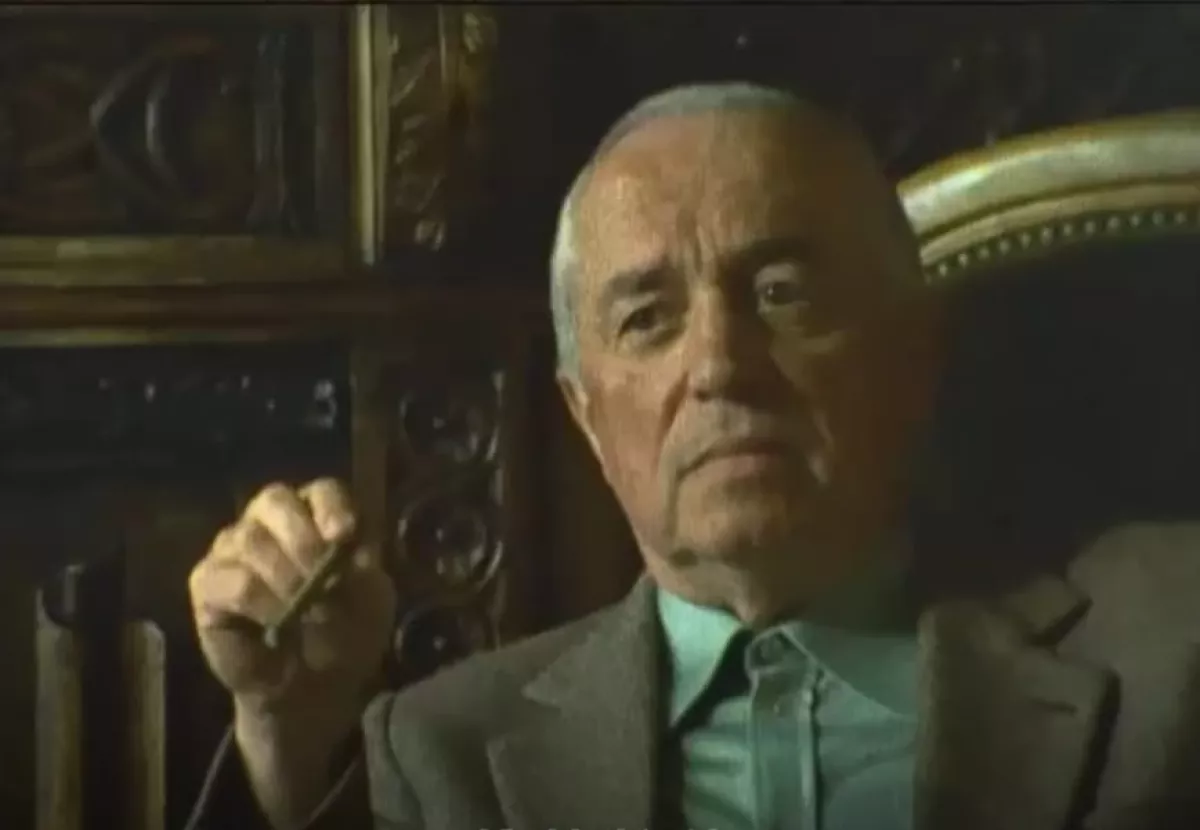
The chronicle of the ICRC’s moral bankruptcy did not end with the conclusion of the war. In the postwar years, the Committee’s Rome office issued travel documents—so-called laissez-passer—which became passports to a new life for Nazi war criminals. The “ratlines”—secret escape routes for Nazis from Europe to South America—operated with the direct involvement of the ICRC.
Over six postwar years, the Red Cross issued around 120,000 travel documents, often without any verification of the applicants’ identities. Among those who used these documents to escape were Adolf Eichmann—one of the main architects of the Holocaust, who received a document under the name “Ricardo Klement”; Josef Mengele—the sadistic Auschwitz doctor who conducted horrific experiments on prisoners; Klaus Barbie—the “Butcher of Lyon”; and Franz Stangl—the commandant of the Treblinka extermination camp.
Harvard historian Gerald Steinacher, who conducted extensive research in the ICRC archives, estimated the number of Nazi criminals helped to escape by the Red Cross at “tens of thousands.” The ICRC later acknowledged that its documents had been abused, but attempted to portray this as the result of “shameless exploitation of humanitarian services” by criminals and their accomplices, rather than as a consequence of its own negligence or complicity.
Such is the historical context without which it is impossible to adequately assess the conduct of the ICRC in later conflicts—and in particular, its role in the Armenian–Azerbaijani confrontation. An organisation whose record includes silence in the face of the Holocaust, the issuance of travel documents to Nazi executioners, and favourable assessments of concentration camps has consistently demonstrated toward Azerbaijan the very same “selective neutrality” that is, in essence, a form of political bias.
For nearly thirty years of Armenian occupation of Azerbaijani territories, around four thousand citizens of Azerbaijan were listed as missing. Behind each of these figures lies a specific human story: families living in uncertainty for decades, children who grew up without parents, relatives who waited their entire lives for even the smallest piece of news. Throughout these years, Armenia consistently avoided providing information about the whereabouts of the missing, the locations of mass graves, or the fate of prisoners and hostages. Numerous testimonies and the mass graves discovered in the liberated territories confirmed that Azerbaijani captives had been subjected to brutal torture and mass killings.
Under such circumstances, the work of the ICRC in searching for missing Azerbaijanis can hardly be described as satisfactory. An organisation obliged to act as a neutral intermediary systematically devoted disproportionate attention to the Armenian side of the conflict.
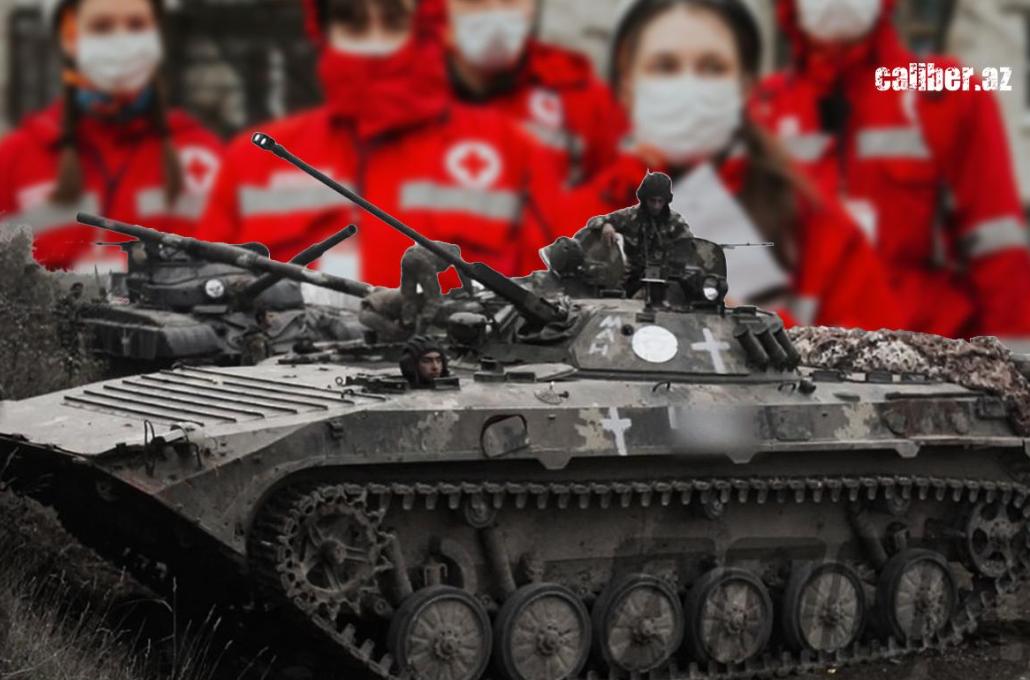
The problem became particularly pronounced in the period following the Second Karabakh War and during the events of 2022–2023. The Azerbaijani side repeatedly voiced serious concerns regarding the activities of the ICRC. Even during the 44-day war in the autumn of 2020, Baku had reasonable grounds to suspect that some of the organisation’s personnel were engaging in activities that went beyond their humanitarian mandate.
After the war, when Azerbaijan proposed that the ICRC use Azerbaijani logistics and infrastructure to deliver humanitarian cargo to the Karabakh region via Azerbaijani territory, the organisation rejected the offer, insisting that supplies be delivered exclusively from Armenia through the Lachin road. This insistence is difficult to explain on purely humanitarian grounds—it more closely resembled a political stance that de facto supported Armenian claims to the formerly occupied territories.
In July 2023, the State Border Service of Azerbaijan reported the discovery of smuggling activities involving vehicles associated with the ICRC. During a border inspection, undeclared mobile phones, spare parts, power units, cigarettes, and petrol were found.
The ICRC denied institutional involvement, stating that the smuggling had been carried out by four contracted drivers using their personal vehicles, which were “temporarily” bearing the organisation’s emblem. According to the Committee, the drivers were dismissed immediately.
However, the very fact of such incidents—the transport of undeclared goods under the cover of a humanitarian emblem—undermined the foundations of trust and pointed to, at the very least, serious shortcomings in the organisation’s oversight of its own operations.
The Azerbaijani side viewed the matter in broader terms: as Azerbaijan’s representative stated during a meeting of the UN Security Council, Armenia had used the ICRC to smuggle certain technologies, including microchips, into the Karabakh region—an allegation that, if substantiated, would represent a serious blow to the organisation’s humanitarian mandate.
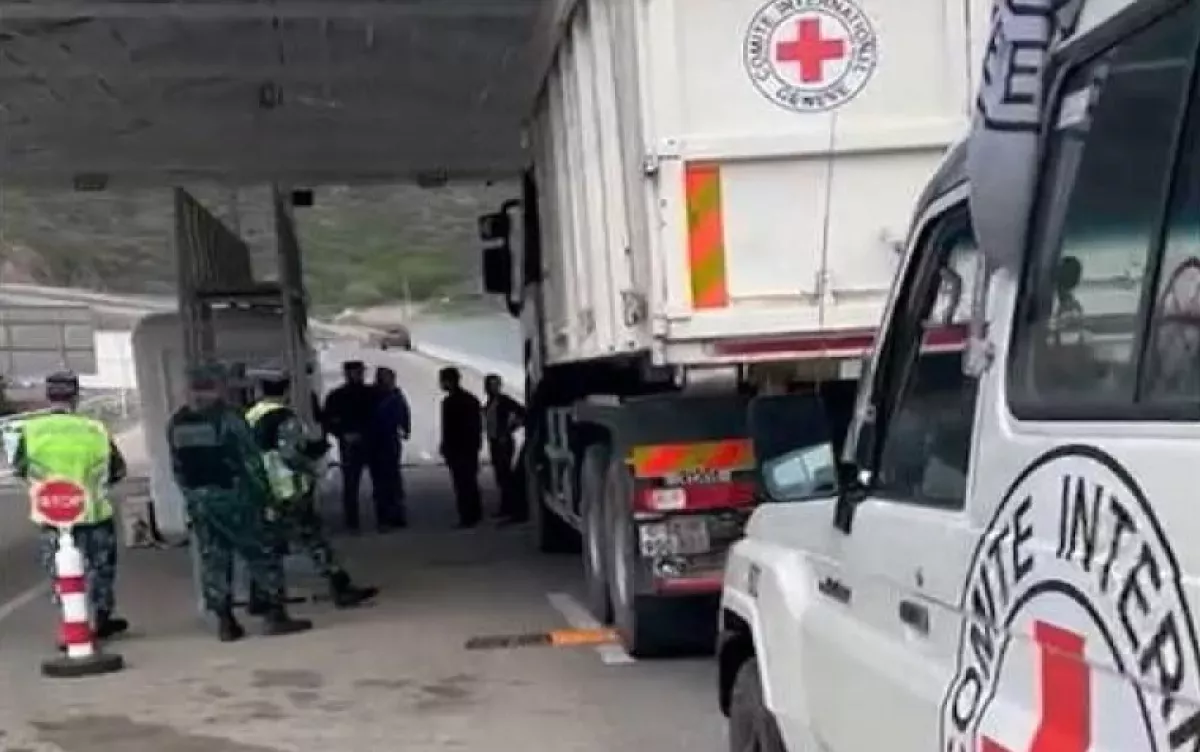
The picture was further compounded by a systemic problem in the information sphere. Hikmet Hajiyev, Assistant to the President of Azerbaijan, stated that the ICRC, in violation of its own statute and international humanitarian law, had been providing misleading information to the authors of reports commissioned by the Armenian side and participating in a biased anti-Azerbaijani propaganda campaign.
The allegations concerned so-called “background leaks”—the informal provision of information by ICRC staff to Western politicians and journalists, shaping a one-sided, anti-Azerbaijani narrative of the conflict. Instead of impartially documenting the situation—including the tragedy of four thousand missing Azerbaijani citizens and the mass graves discovered in the liberated territories—the organisation focused its attention and public messaging predominantly on the Armenian narrative.
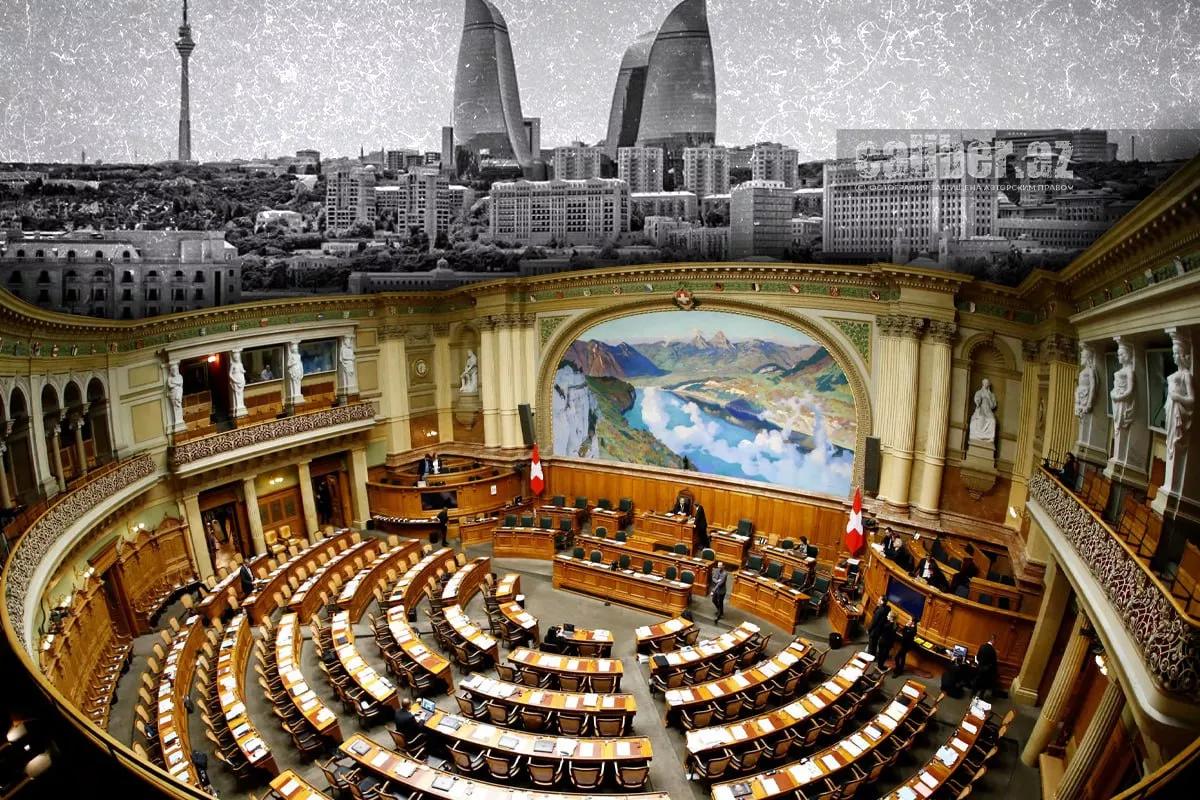
The problem of the ICRC’s double standards toward Azerbaijan was also evident at the institutional level. An organisation headquartered in Geneva can hardly be regarded as entirely independent from the interests of its host state. A report commissioned by the Swiss Federal Department of Foreign Affairs and published in 2017 explicitly pointed to the close ties between Switzerland and the structures of the ICRC, which, according to the document, hinder open and honest discussions about the organisation’s internal realities.
Moreover, the report noted that Switzerland’s Ministry of Foreign Affairs is often perceived internationally as an “administrative resource” of the ICRC. Switzerland allocates eighty million Swiss francs annually to the Committee from the state budget. At such a level of financial and political interconnection, it becomes difficult to speak of the ICRC’s genuine independence from Swiss state interests.
The culmination of this confrontation came in early 2025, when Azerbaijan decided to review the format of its cooperation with the ICRC and several other international organisations. Baku formally notified the ICRC, the United Nations Development Programme (UNDP), and the Office of the United Nations High Commissioner for Refugees (UNHCR) that their presence in the country would be subject to reconsideration.
In September 2025, the ICRC delegation in Azerbaijan ceased its activities. The official position of Baku was based on the assertion that Azerbaijan is fully capable of addressing emerging challenges independently, including those related to the post-conflict reconstruction of Karabakh, for which more than four billion manats ($2.3 billion) were allocated in 2025 alone.
However, behind this decision stood a deeper sense of disappointment in an organisation that for decades had proclaimed neutrality but, in practice, acted with an evident tilt toward one side of the conflict.
What unites all these episodes—from Reichsbank gold to smuggling along the Lachin corridor? Above all, it is a structural problem inherent in Swiss neutrality itself. Historically, Swiss neutrality has not represented a moral stance, but a tool for extracting advantage. During World War II, it enabled trade with the Nazis, laundering of looted gold, and the closure of borders to people facing almost certain death—all under the banner of neutrality.
In the postwar years, it allowed the ICRC—an organisation deeply embedded within the Swiss state system—to issue travel documents to war criminals without facing accountability. In the 21st century, the same pattern was reproduced in the Karabakh context: formal neutrality combined with the practical servicing of the interests of one side.
The parallels between the ICRC’s conduct in the 1940s and its actions in the Azerbaijani context are far from superficial. In both cases, the organisation invoked its mandate and principles of neutrality to justify inaction or selective action. During the Holocaust, the ICRC defended its silence by claiming that the persecution of Jews was an “internal matter of Germany,” beyond the scope of the Geneva Conventions. In the context of the Armenian–Azerbaijani conflict, the organisation hid behind principles of confidentiality. In both cases, the side whose interests did not fit the organisation’s unspoken hierarchy of priorities suffered.
One more crucial point must be emphasised. The neutrality so often claimed by both Switzerland and the ICRC was never truly neutral when one side in a conflict was the aggressor. When Switzerland traded with Nazi Germany and denied entry to Jewish refugees, it was not taking a neutral stance—it was objectively facilitating the Nazi machinery of extermination. When the ICRC remained silent about the Holocaust and described Dachau as an “exemplary camp,” it was not neutral—it was complicit in propaganda. When the same organisation insisted on delivering humanitarian supplies to Karabakh exclusively from Armenia, rejecting Azerbaijani routes, it was not demonstrating neutrality—it was de facto supporting the occupation of sovereign Azerbaijani territory. Neutrality that systematically operates in favour of one side is not neutrality at all; it is a political choice cloaked in humanitarian rhetoric.
For Azerbaijan, having restored its territorial integrity and undertaken a large-scale reconstruction of the liberated territories, the lesson of this history is clear. International institutions, no matter how venerable their emblems, do not hold a monopoly on morality. Neutrality is a principle that must be continuously verified through actions, not declarations. An organisation whose history includes the financial facilitation of genocide and the provision of escape routes for its perpetrators cannot claim the role of moral arbiter. Likewise, a state that for centuries prospered by “neutral” service to whichever party was willing to pay—whether the Reichsbank or the Armenian lobby—can hardly be considered a reliable guarantor of the impartiality of the institutions based on its territory.
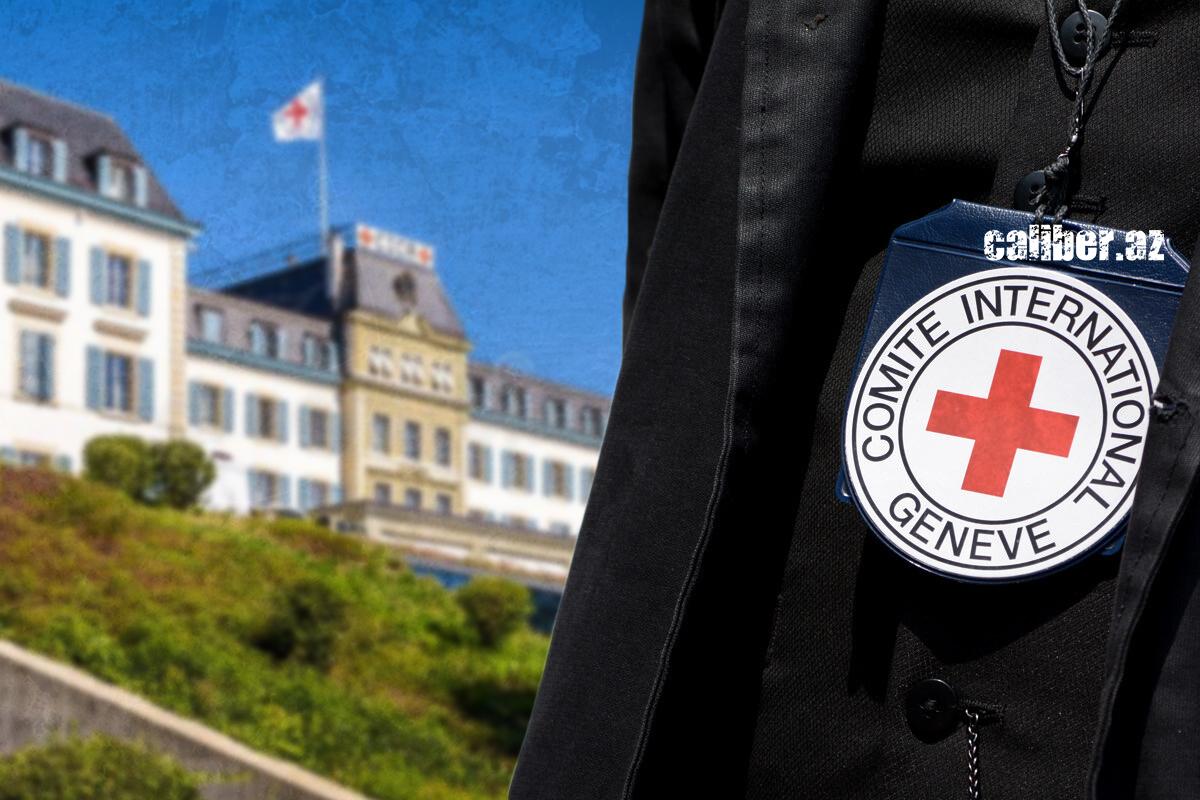
Switzerland has undoubtedly taken certain steps to reckon with its past. The establishment of the Bergier Commission, the acknowledgement of mistakes, and the payment of compensation—all of these were important measures. The ICRC itself, in 1995 at a ceremony marking the 50th anniversary of the liberation of Auschwitz, publicly expressed regret for its failures. In 2015, ICRC President Peter Maurer described the organisation’s silence in the face of the Holocaust as the greatest failure in its history, acknowledging that the ICRC “had failed to protect civilians and most notably the Jews persecuted and murdered by the Nazi regime; it had failed to understand the uniqueness of the inhumanity by responding to the outrageous with standard procedures; it had looked on helplessly and silently, not really trying – certainly not hard enough - to live up to the principle of humanity.”
Yet between such expressions of remorse and a genuine transformation of institutional culture lies a gap that, judging by its behaviour in the South Caucasus, the ICRC has yet to bridge.
History does not repeat itself exactly, but it often rhymes—a saying often attributed to Mark Twain, though its true authorship remains disputed. Yet in this context, the idea could not be more apt. The mechanism of Swiss neutrality—a readiness to profit from conflicts while maintaining an impeccable image—has been reproduced from generation to generation, adapting to new circumstances while preserving its essential character. From the gold of Holocaust victims to bias in the Karabakh conflict, there is not a direct causal line, but a clear line of institutional continuity. The only difference is scale—the principle remains the same.
True neutrality is rare and difficult to achieve. It requires not merely abstaining from participation in a conflict, but giving equal attention to the suffering of all sides, applying principles consistently, and being willing to engage in self-criticism. None of this was demonstrated by Switzerland or the ICRC—neither during World War II nor throughout the decades of the Armenian–Azerbaijani conflict.
Azerbaijan, having endured a thirty-year occupation and forced for decades to witness “neutral” international institutions effectively serving the interests of the occupier, has every justification for reassessing its relations with such structures. Neutrality that operates only in one direction is not neutrality. It is hypocrisy elevated to the status of principle.







 editor@caliber.az
 +994 55 444-88-98
 Азербайджан, Баку, ул. Низами, 203, Af Business House, 5-й этаж