










US–China–Iran: A military signal without war Article by Matanat Nasibova
China continues to support Iran despite the increasingly complex geopolitical situation in the Middle East and rising tensions between Washington and Tehran.
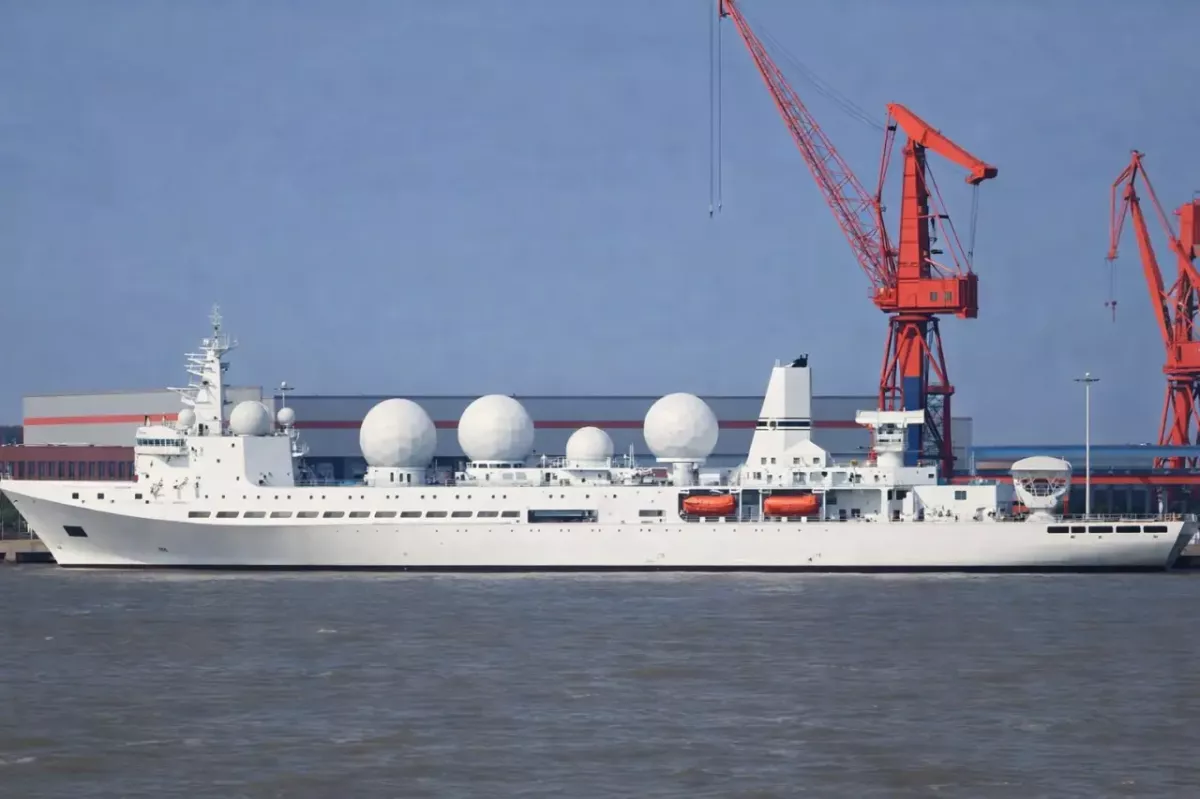
In recent days, at the request of the Islamic Republic of Iran, Beijing reportedly deployed the naval electronic intelligence vessel “Liaowang-1” to the Gulf of Oman. The ship’s mission is said to involve collecting and analysing hard-to-intercept data, including the electromagnetic signatures of stealth fighter jets, as well as refining assessments of U.S. military infrastructure in the event of a potential strike against Iran.
According to the Telegram channel Diary of an Iranian Journalist, the vessel represents a large-scale reconnaissance platform capable of significantly reducing the element of surprise in any prospective U.S. military operation. The source claims that the operation includes tracking and analysing F-22 Raptor and F-35 Lightning II fighter aircraft, as well as identifying the operational frequencies of the EA-18G Growler electronic warfare jet.
This move can be interpreted as a clear signal of solidarity from Beijing toward Tehran—and, simultaneously, an unwelcome message to Washington, particularly amid the growing concentration of U.S. forces in the region.
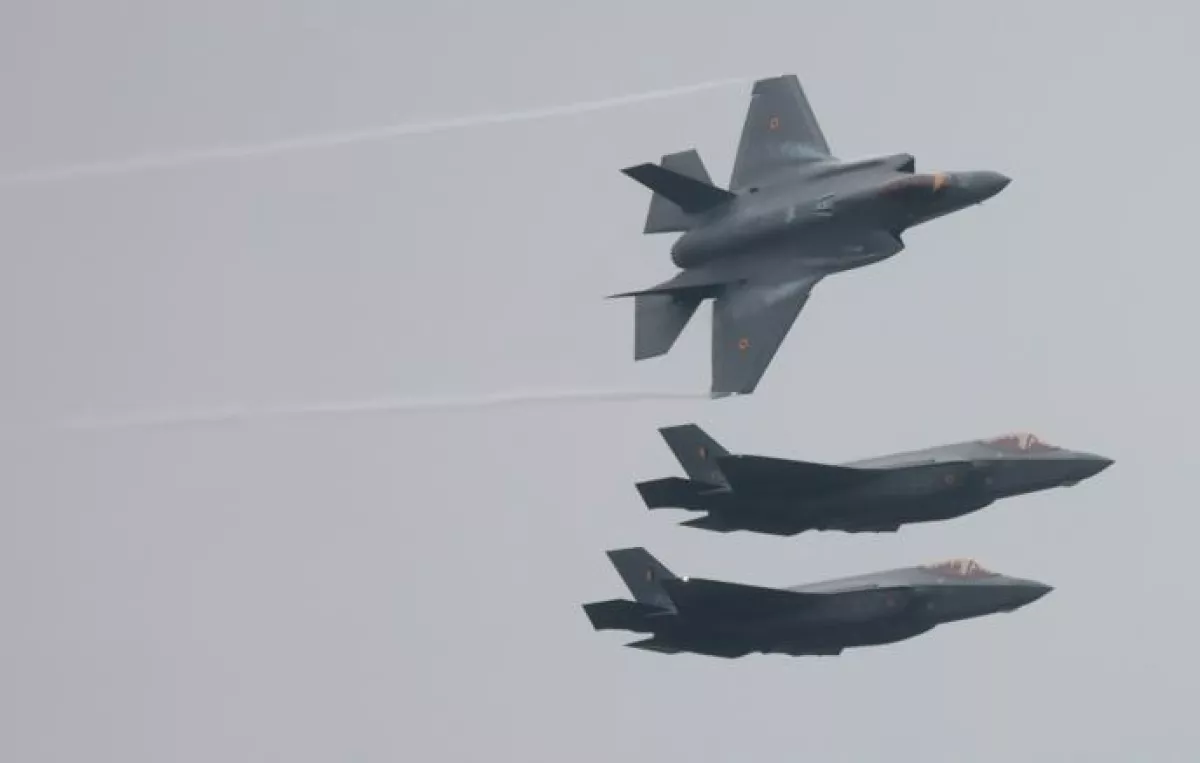
Last week, the United States deployed more than 50 F-35 Lightning II, F-22 Raptor, and F-16 Fighting Falcon jets to the Middle East. The move sent a strong signal to Tehran and demonstrated the Pentagon’s apparent readiness for a large-scale operation against Iran. Following U.S.–Iran nuclear talks held in early February in Oman, Donald Trump announced the deployment of a second aircraft carrier to Iranian waters. The Pentagon later reported plans to bolster its regional presence with roughly 1,000 additional troops, along with the redeployment of more fighter jets and missile-equipped destroyers.
Ahead of the Geneva negotiations on Iran’s nuclear programme—which yielded little tangible progress—Reuters, citing sources, reported that military action against Iran could be launched if President Trump decided to do so.

Statements from the White House, including remarks by J.D. Vance, indicated that Washington reserves the right to use military force should the negotiation process reach a deadlock.
Amid rising prospects of military confrontation—and in light of Iran’s increasingly hardline rhetoric—it is natural to ask: why is Beijing openly supporting Tehran, seemingly disregarding the U.S. factor?
The answer lies largely in the nature of China–Iran relations. China and Iran are strategic partners with close economic and geopolitical ties, yet they are not formally bound by a military alliance.
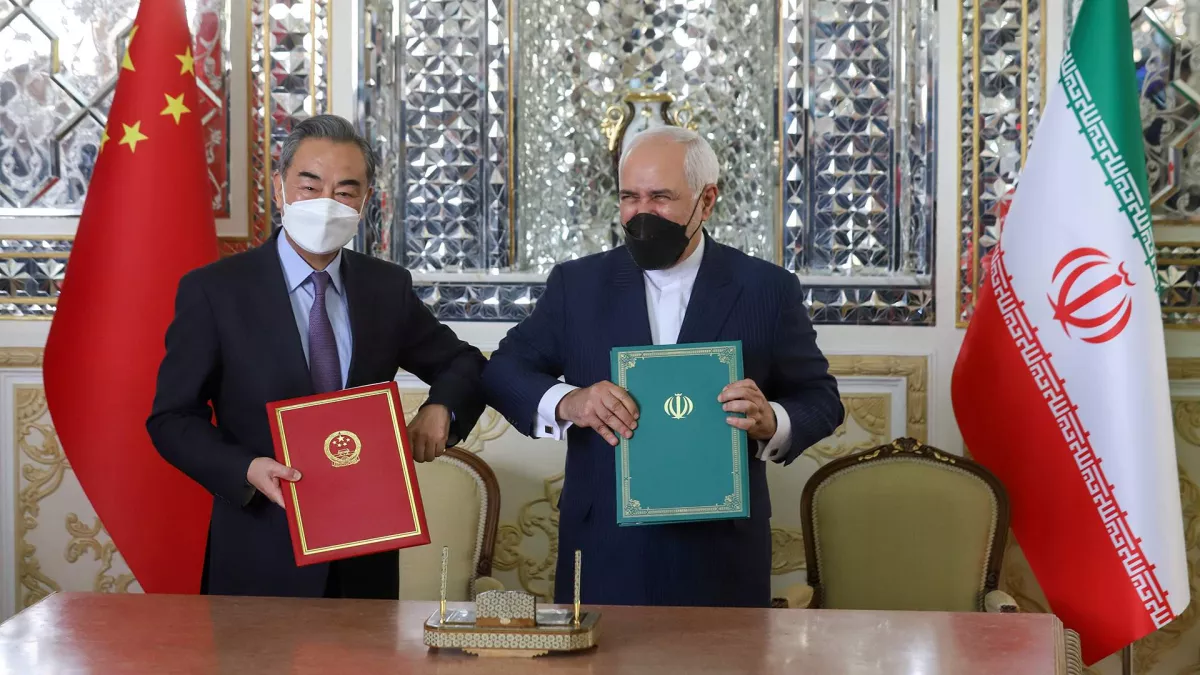
In 2021, China and Iran signed a 25-year comprehensive cooperation agreement. Both countries share an interest in counterbalancing American influence, which largely explains the alignment of their positions on a number of global issues. However, their relationship does not entail mutual defense obligations. Rather, it reflects a pragmatic calculation and convergence of long-term interests.
Second, China is the largest buyer of Iranian oil and Iran’s primary trading partner. Despite U.S. sanctions, Chinese companies continue to purchase Iranian oil at significant discounts. This reduces Beijing’s reliance on other energy suppliers while partially mitigating U.S. sanction pressure on Tehran.
Third, supporting Iran allows China to weaken U.S. influence in the Middle East and strengthen an informal bloc of states whose interests diverge from Washington and the West more broadly.
Fourth, Iran plays a crucial role in China’s Belt and Road Initiative. For Beijing, maintaining stable logistics corridors is of strategic importance, meaning that Iranian stability directly serves China’s long-term interests.
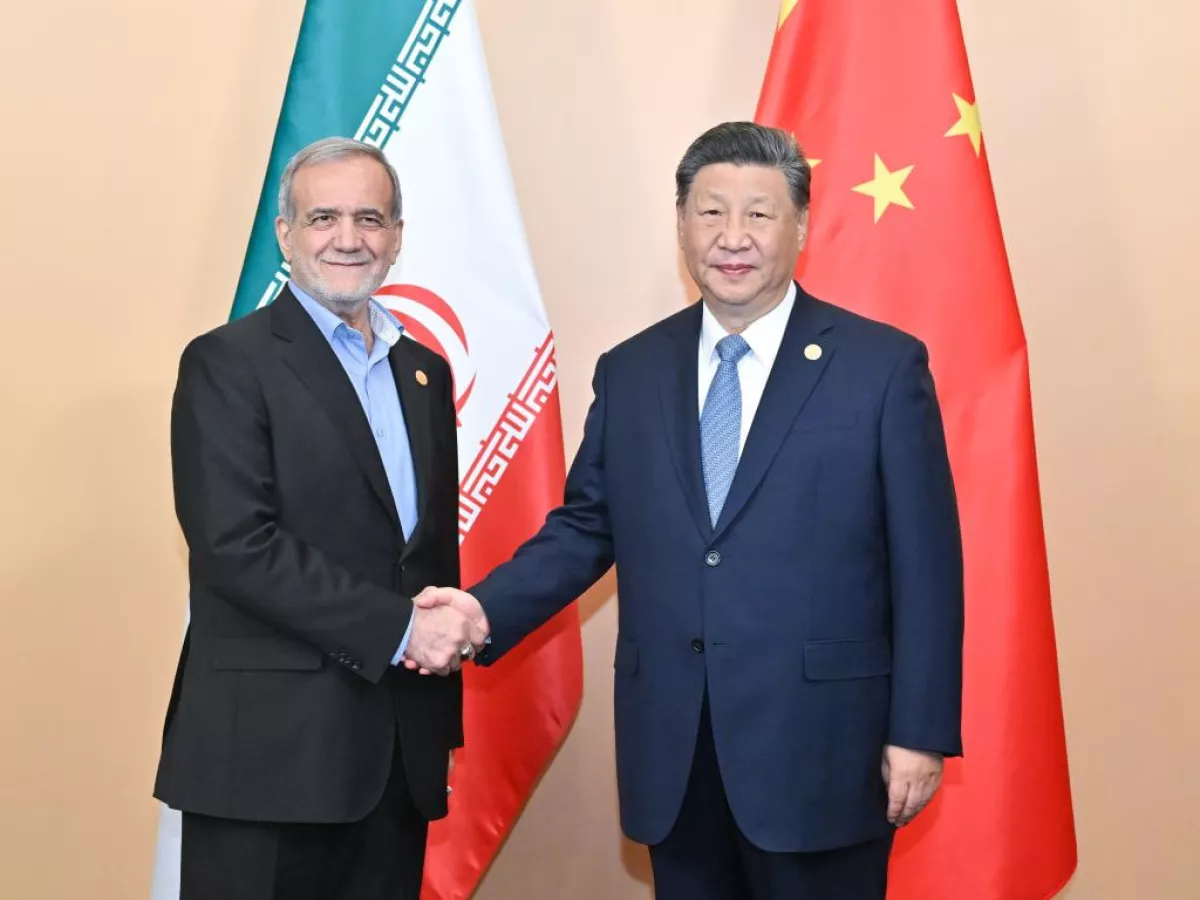
For these reasons, Beijing provides Iran with technical support, supplies certain components and dual-use technologies, and invests in infrastructure projects, including through barter arrangements. In addition, China offers Tehran diplomatic backing on international platforms such as the United Nations, BRICS, and Shanghai Cooperation Organisation, effectively acting as a strategic rear for Iran.
Undoubtedly, this stance complicates China’s already tense relationship with the United States, adding an element of strategic rivalry. However, Beijing is not seeking direct confrontation with Washington over Iran. It has no interest in military escalation and supports Tehran only to the extent that it serves China’s own national interests.
Accordingly, in the event of direct military confrontation between the U.S. and Iran, China is most likely to adopt a cautious posture. Even if Chinese ships operate in the Persian Gulf alongside American aircraft carriers, the likelihood of Beijing engaging militarily in a conflict with the U.S. is extremely low. More plausibly, China would limit itself to signalling its presence and issuing diplomatic statements.







 editor@caliber.az
 +994 55 444-88-98
 Азербайджан, Баку, ул. Низами, 203, Af Business House, 5-й этаж