










The Middle East and the threat of a new war Sanctions, talks, and military pressure
On February 17, the second round of indirect talks between the United States and Iran was held in Geneva with Oman acting as mediator. The negotiations concluded without the signing of a final agreement: the sides exchanged positions on Iran’s nuclear programme and the possible lifting of Western sanctions. However, it is unfortunately too early to speak of any breakthrough following the several-hour meeting, primarily because key disagreements remain unresolved.
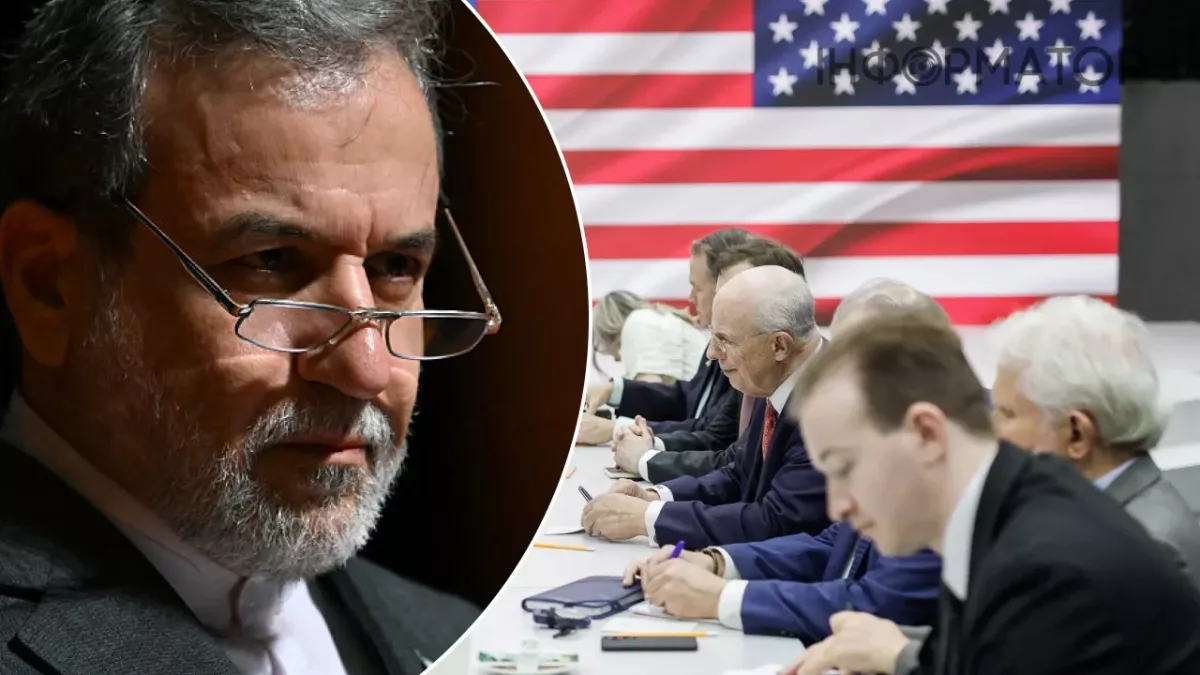
Iran proposed a new plan regarding the nuclear deal, seeking to move the process forward and reduce the risk of a military scenario involving the United States. Nevertheless, Tehran did not comply with Washington’s principal demand. In particular, Iran expressed readiness to suspend uranium enrichment programmes, transfer part of its stockpile of highly enriched uranium to third countries, including Russia, and conclude a trade agreement with the United States.
Following the talks, the American side stated that substantial differences persist and require further consultations. For its part, Iran noted that a certain degree of mutual understanding had been reached on the “basic principles” that could form the foundation for the next stage. At the same time, it was emphasised that a comprehensive agreement is not yet on the table.
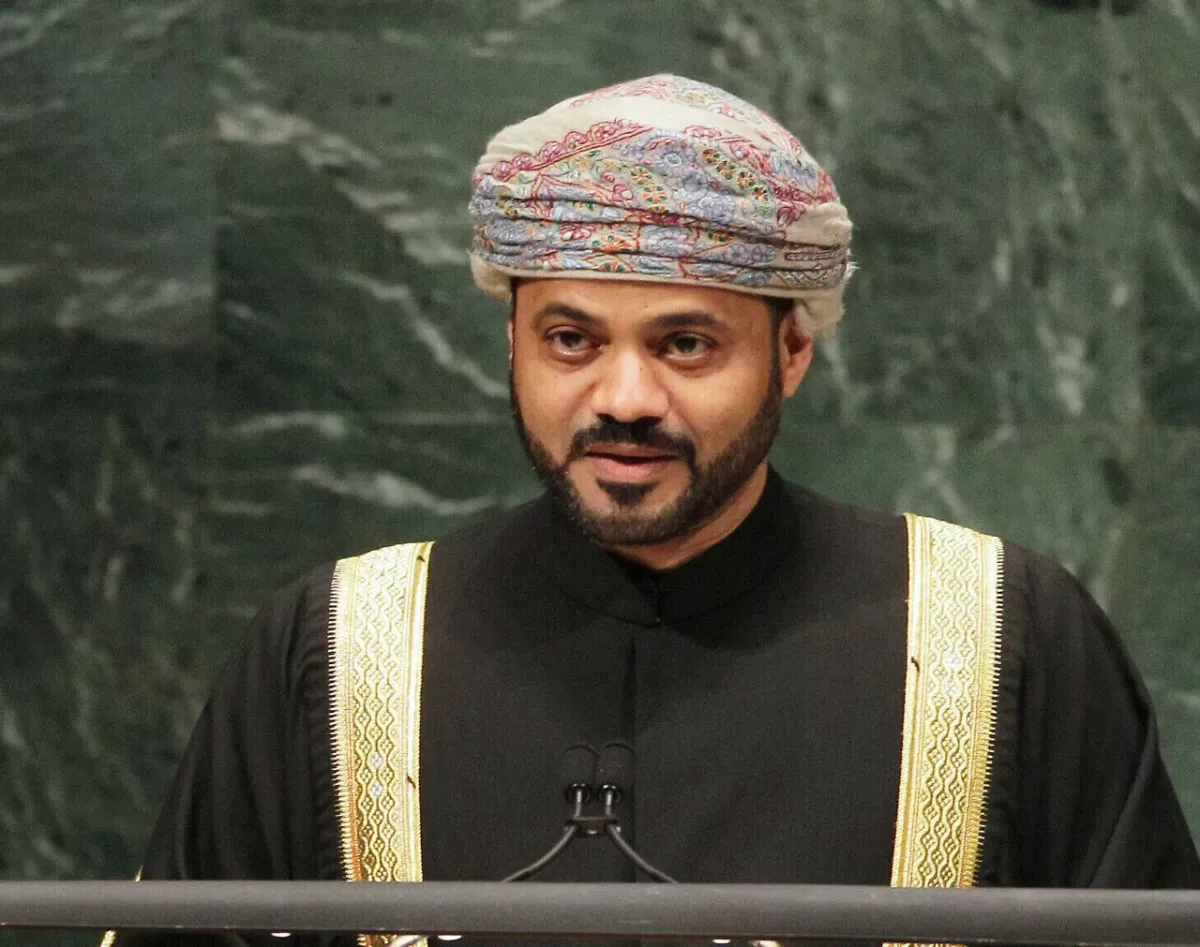
Oman’s Foreign Minister, Sayyid Badr bin Hamad Al Busaidi, stated that compared to the previous round, a certain degree of progress had been achieved in Geneva. According to him, Iran and the United States agreed to continue negotiations, which in itself indicates that the diplomatic track remains alive despite the intense confrontation between Washington and Tehran.
Nevertheless, this does not rule out the possibility of a military scenario, as evidenced by the significant concentration of US forces in the Middle East.
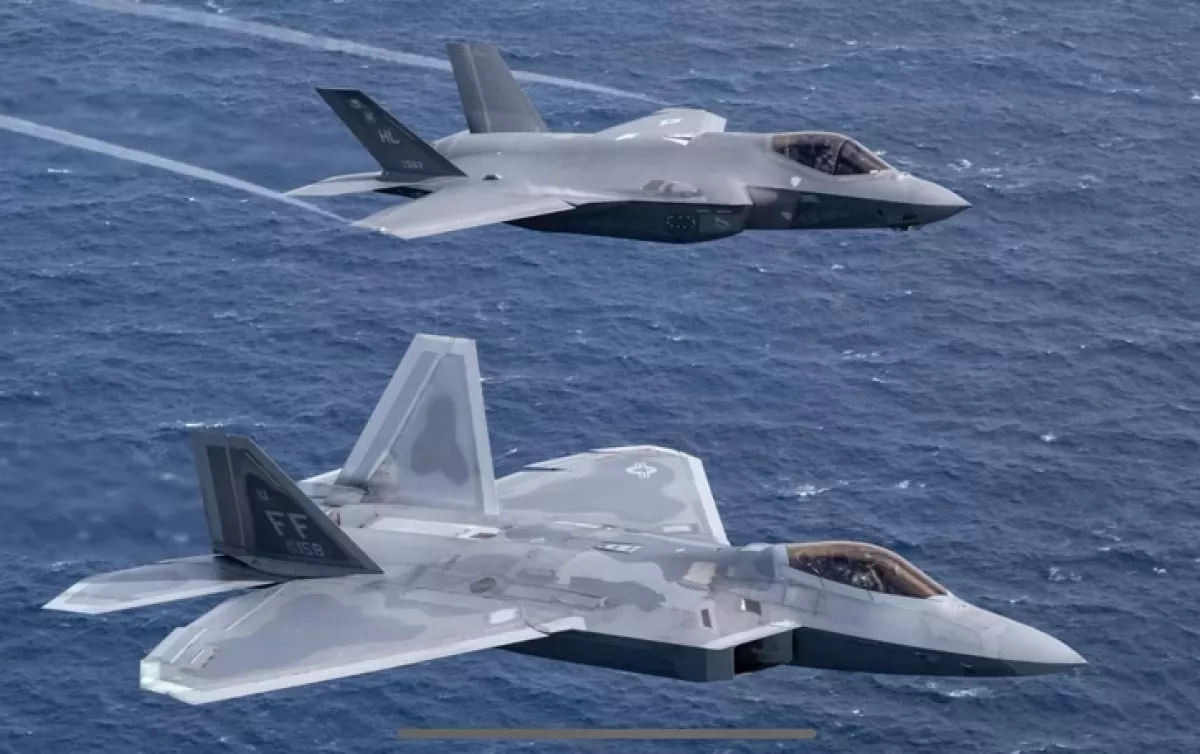
In recent days, the United States has redeployed more than 50 F-35, F-22, and F-16 fighter jets to the region — a serious signal to Tehran and a clear indication that the Pentagon is demonstrating readiness for a large-scale operation against Iran. After the US and Iran held talks on the nuclear programme in Oman in early February, Donald Trump announced that a second aircraft carrier was being dispatched to Iran’s shores. At the time, the Pentagon reported plans to reinforce its regional contingent by approximately one thousand personnel, as well as to deploy additional fighter jets and guided-missile destroyers.
In addition, ahead of the Geneva negotiations, Reuters, citing sources, noted that an operation against Iran could begin if ordered by US President Donald Trump.
This logic is further reinforced by statements from US Vice President J.D. Vance, who emphasised that Washington reserves the right to use military force if negotiations with Tehran reach a deadlock.
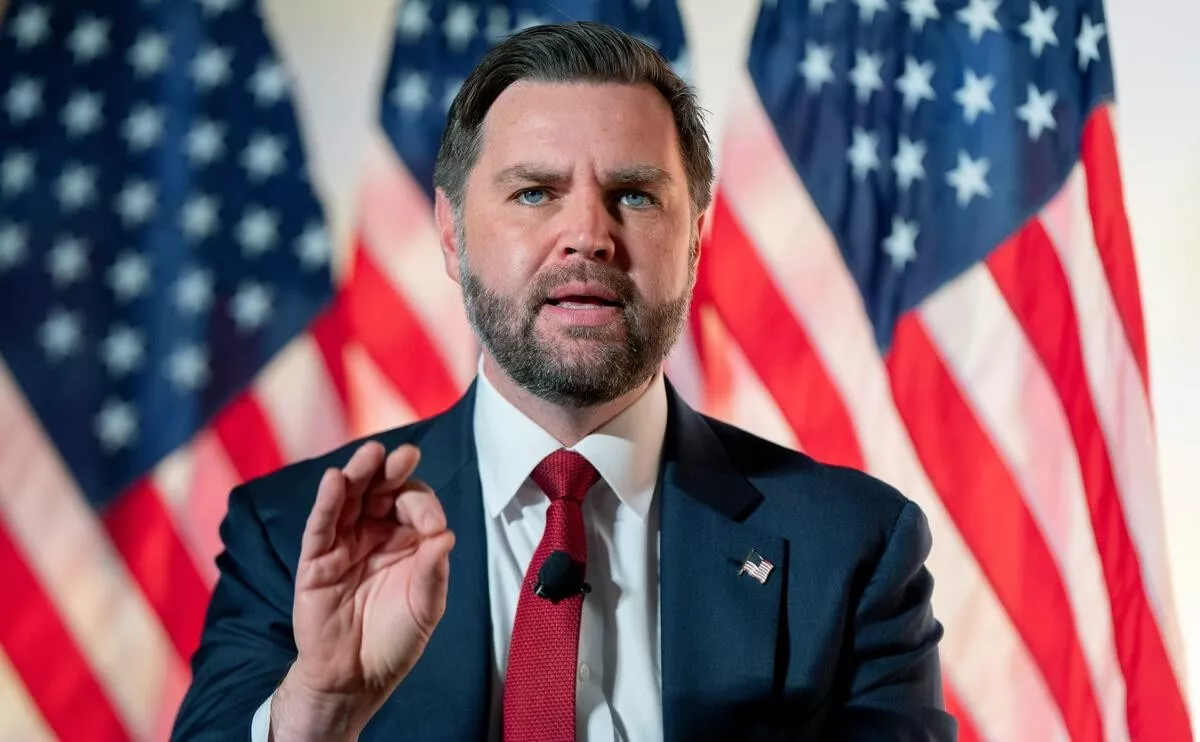
“The President has lots of options. We have a powerful military. The President has shown a willingness to use it and he has a remarkable diplomatic team and shown a willingness to use that too,” Vance said in an interview with Fox News following the Geneva talks.
This is a direct signal to Iran that Washington does not intend to “play diplomacy” indefinitely, and that a military option for resolving the Iranian nuclear issue remains on the US agenda.
First, such rhetoric increases pressure on Tehran. Second, the likelihood of military confrontation rises in the face of Iran’s increasingly firm responses. After the conclusion of the second round of Geneva talks, Iran’s Supreme Leader, Ayatollah Ali Khamenei, cited the Quran on his social media blog X: “So should anyone aggress against you, assail him in the manner he assailed you…” — quoting Surah Al-Baqarah.
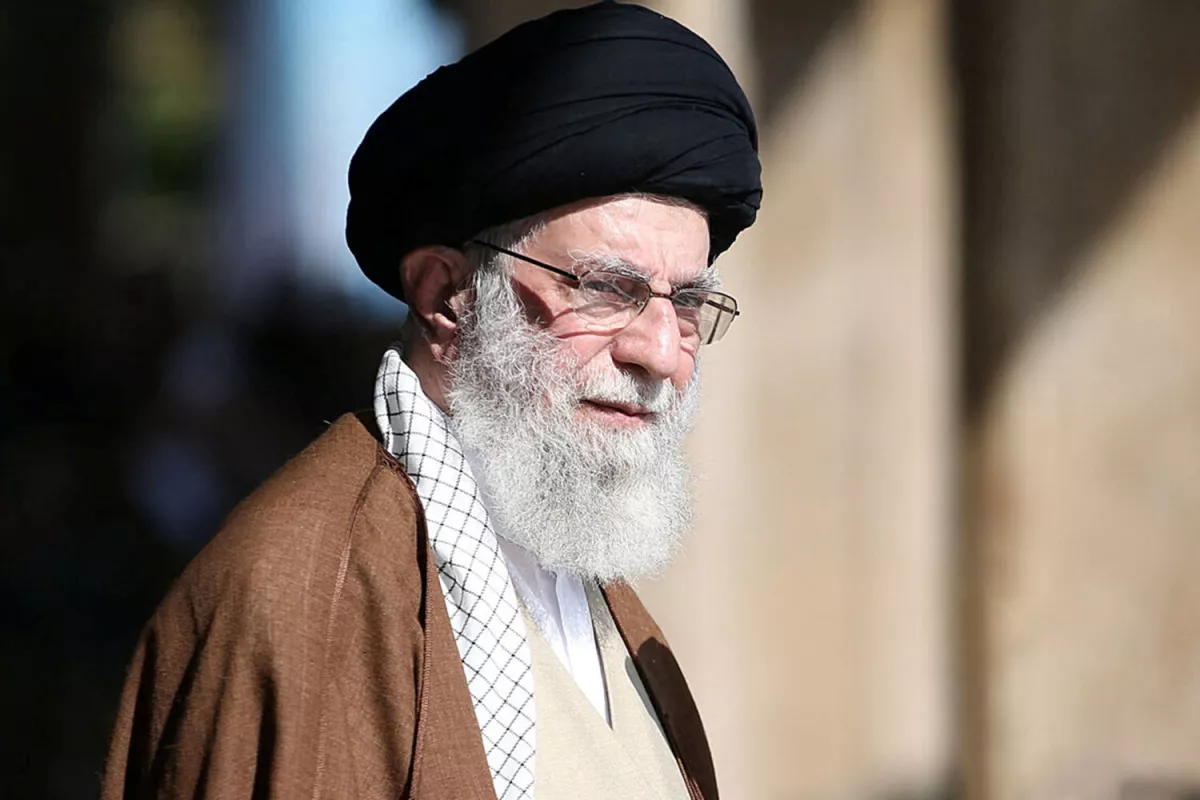
Earlier, Khamenei wrote: “The Americans say, ‘Let's negotiate over your nuclear energy, and the result of the negotiation is supposed to be that you do not have this energy!,” adding that “If that’s the case, there is no room for negotiation.”
In other words, the Iranian side has effectively indicated that it is not willing to make radical concessions regarding its nuclear programme. Considering that Washington insists on quantitative limits on uranium enrichment under the Joint Comprehensive Plan of Action (JCPOA), while Tehran seeks recognition of its right to enrich uranium for civilian purposes, asserting that its programme is peaceful, any consensus can be considered only in theory. In practical terms, a diplomatic resolution of this issue currently appears highly unlikely.
Thirdly, the prospect of a diplomatic settlement of Iran’s nuclear issue is further diminished by the reduced likelihood of the United States easing economic sanctions on Iran. In early February, US President Donald Trump signed an executive order permitting higher customs tariffs on imports from countries that continue trading with Iran.
The document does not specify an exact tariff rate but outlines the mechanism for its application: “Beginning on the effective date of this order, an additional ad valorem rate of duty — for example, 25 percent — may be imposed on goods imported into the United States that are products of any country that directly or indirectly purchases, imports, or otherwise acquires any goods or services from Iran.”
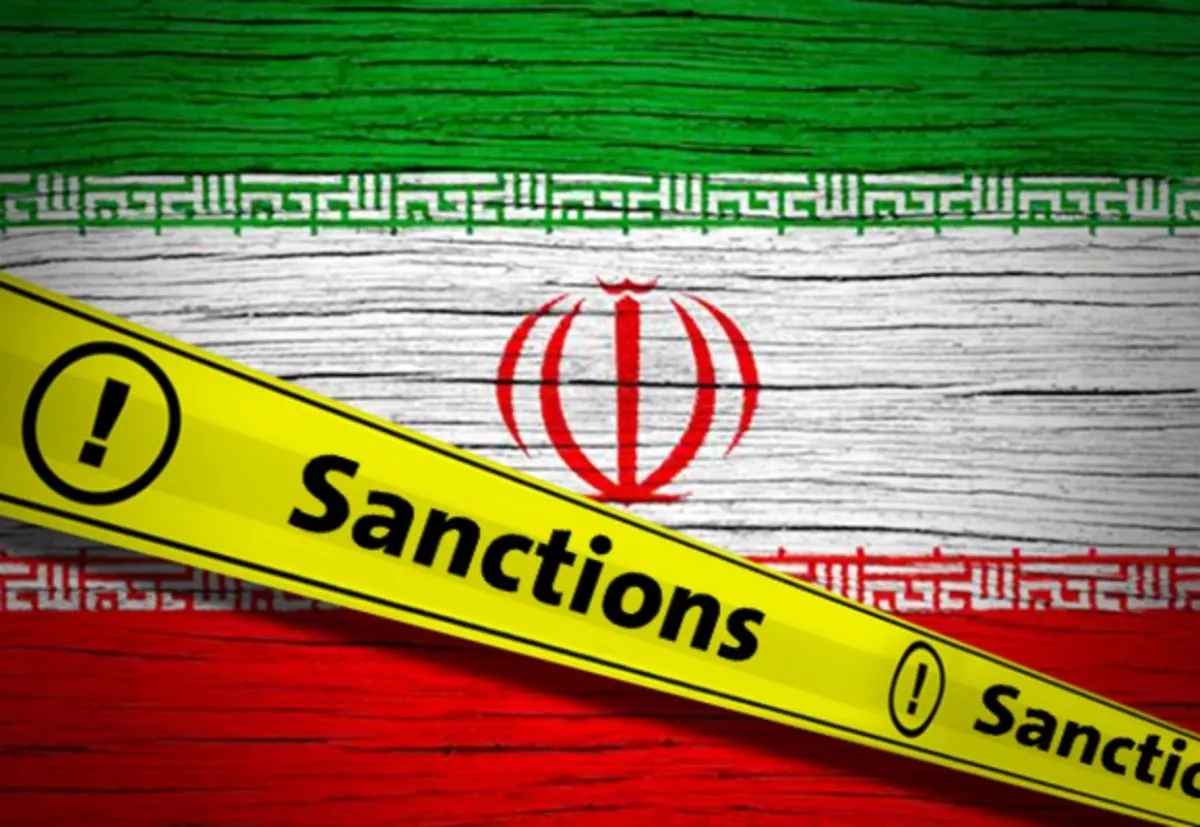
Thus, the tightening of US sanctions could trigger new unrest, further exacerbating the domestic political situation in Iran. Such a scenario appears quite plausible. According to several analysts, the recent mass protests in Iran, in which youth played an active role, not only revealed a deep social crisis but also exposed internal divisions within the conservative faction that forms the backbone of the ruling elite. Accordingly, the socio-economic factor could become a trigger for internal destabilisation, as economic pressure has historically often been used as a tool to effect changes in power.
In this context, a recent statement by the US president directed at Iran’s theocratic regime is particularly telling. “Regime change in Iran is the ‘best thing that could happen,’” Trump said, signalling support for the idea of political transformation in the country.
Given these factors, it cannot be ruled out that the current tension between Tehran and Washington could escalate into military confrontation in the near future, which would inevitably destabilise the Middle East, exposing an already fragile region to further shocks.







 editor@caliber.az
 +994 55 444-88-98
 Азербайджан, Баку, ул. Низами, 203, Af Business House, 5-й этаж