










Line of support Baku’s geopolitical capital and authority
March 5, 2026, will go down in Azerbaijan’s modern history as the day when the mullocratic regime crossed the red line.
Iranian drones struck the terminal building of Nakhchivan International Airport and crashed near a school in the village of Shakarabad. Civilians were injured, and civilian infrastructure was damaged.
At an emergency meeting of the Security Council, President Ilham Aliyev described the incident as a terrorist act and demanded that Tehran provide immediate explanations, issue an apology, and punish those responsible.
The Armed Forces — the Ministry of Defence, the State Border Service, and all other special forces units — have been placed on the highest level of mobilisation.
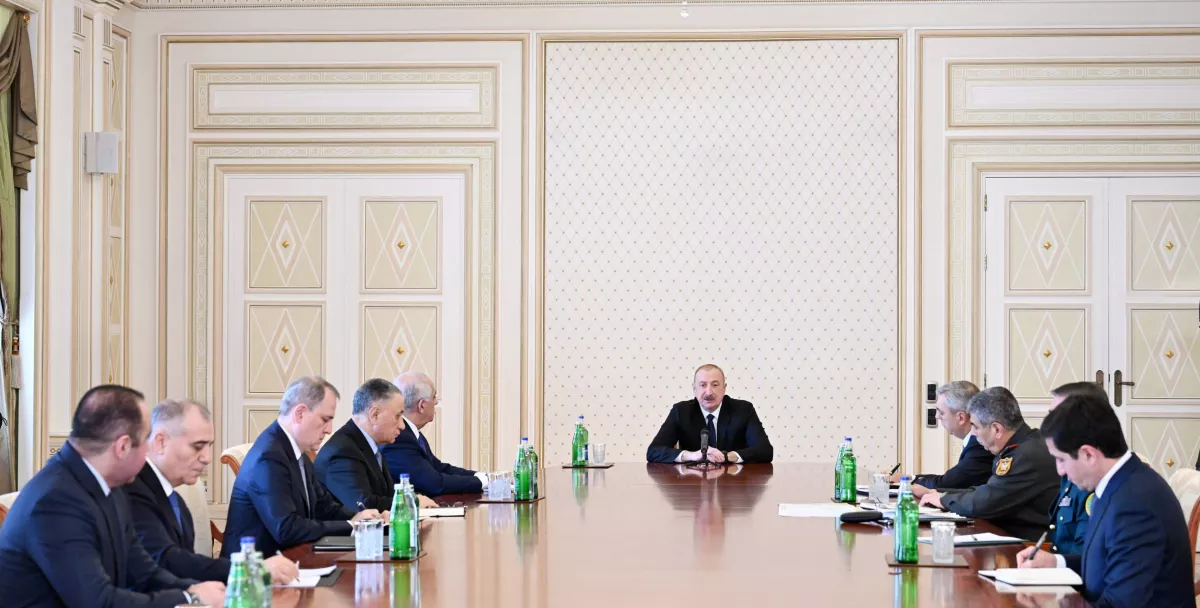
Azerbaijan, which for years had demonstrated restraint and a commitment to good-neighbourly relations with Iran, and had refused to allow its territory to be used for military action against Tehran, received a stab in the back from its southern neighbour.
But March 5 will be remembered for something else as well. The dust had not yet settled at the Nakhchivan airport terminal, the blood of the wounded civilians had not yet dried — and President Ilham Aliyev had already begun receiving phone calls. One after another, from leaders of various countries.
These calls became something more than mere protocol gestures of sympathy. They outlined the contours of a broad international coalition of solidarity that formed around Azerbaijan with remarkable speed — and this is perhaps the main geopolitical outcome of that tragic day.
Let us first highlight the position of the United Arab Emirates. UAE President Sheikh Mohamed bin Zayed Al Nahyan personally called President Aliyev, condemned the drone attack, and wished the injured a speedy recovery.
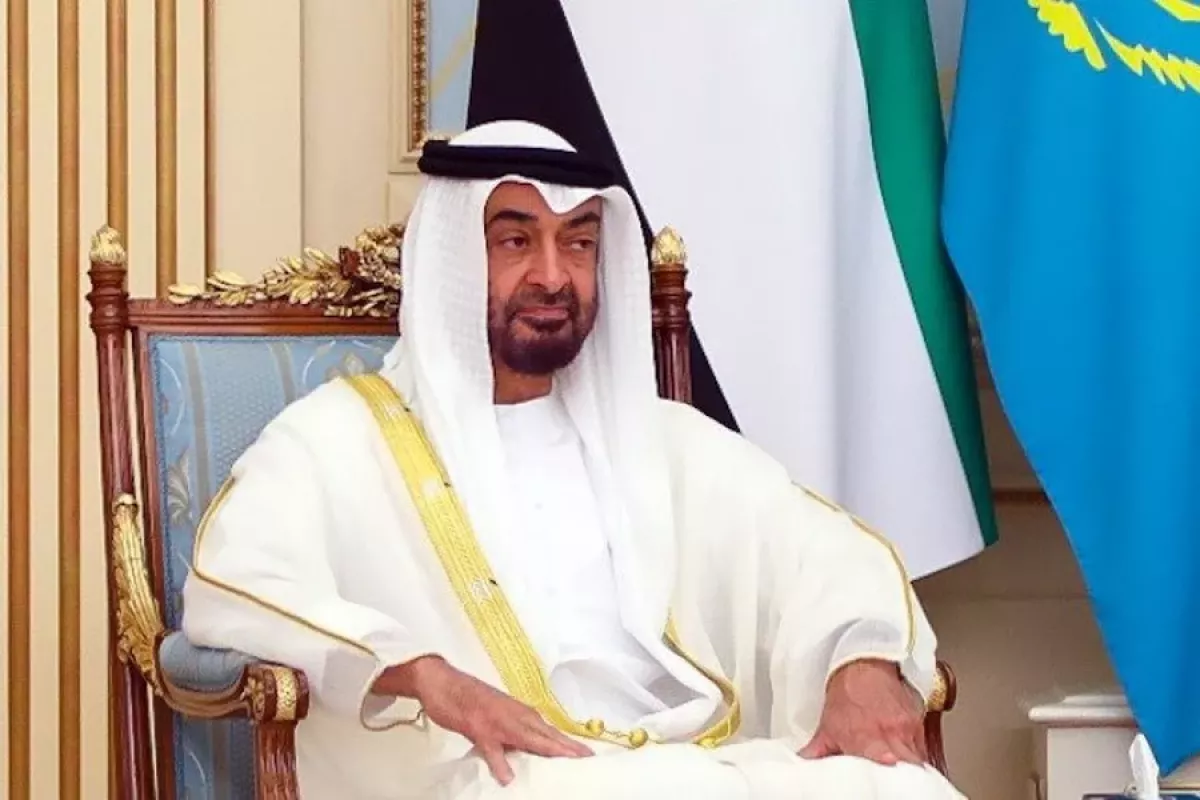
However, the substance of this conversation went far beyond situational solidarity. Sheikh Mohamed bin Zayed once again expressed gratitude for the support that the head of the Azerbaijani state had extended to the Emirates during Iran’s missile strikes on UAE territory, and for Baku’s position condemning that attack.
President Ilham Aliyev, in turn, once again condemned the missile and drone attacks carried out by the Islamic Republic of Iran against the UAE and emphasised that, as he had noted during his telephone conversation with the President of the United Arab Emirates on February 28, Azerbaijan stands alongside the UAE.
This represents a mutual formula of solidarity, reinforced by concrete actions rather than abstract declarations. For Baku and Abu Dhabi, Iranian aggression is not a theoretical scenario described in expert reports but a daily reality, in the face of which both states demonstrate unity of position.
In this case, the UAE set the tone for the entire international response: swiftly, decisively, without equivocation — with a direct condemnation of the perpetrator and a personal call at the highest level.
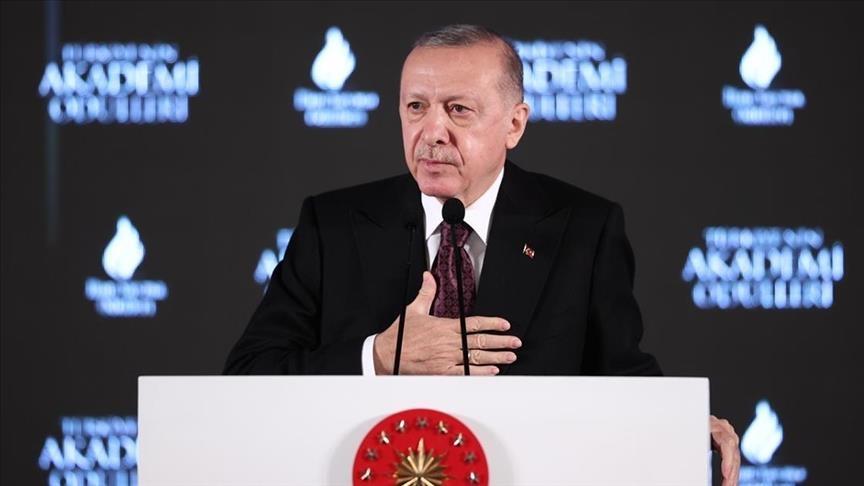
The phone call from the President of Türkiye, Recep Tayyip Erdoğan, was expected, yet it was no less significant as confirmation of the unshakable Azerbaijani–Turkish brotherhood. Erdoğan condemned the drone attack on the Nakhchivan Autonomous Republic and expressed support for brotherly Azerbaijan.
The Ministry of Foreign Affairs of the Republic of Türkiye also issued a statement stressing the need to put an end as soon as possible to attacks in the region directed against third countries and increasing the risk of the war spreading.
“Türkiye, as always, will continue to support Azerbaijan in the future as well,” the foreign ministry of the brotherly country emphasised.
Ankara, as always, stood by Baku — both in word and in action. On the same day, the Turkish defence minister held a telephone conversation with his Azerbaijani counterpart, Zakir Hasanov.
The formula “one nation — two states” once again proved its resilience at a moment of real threat.
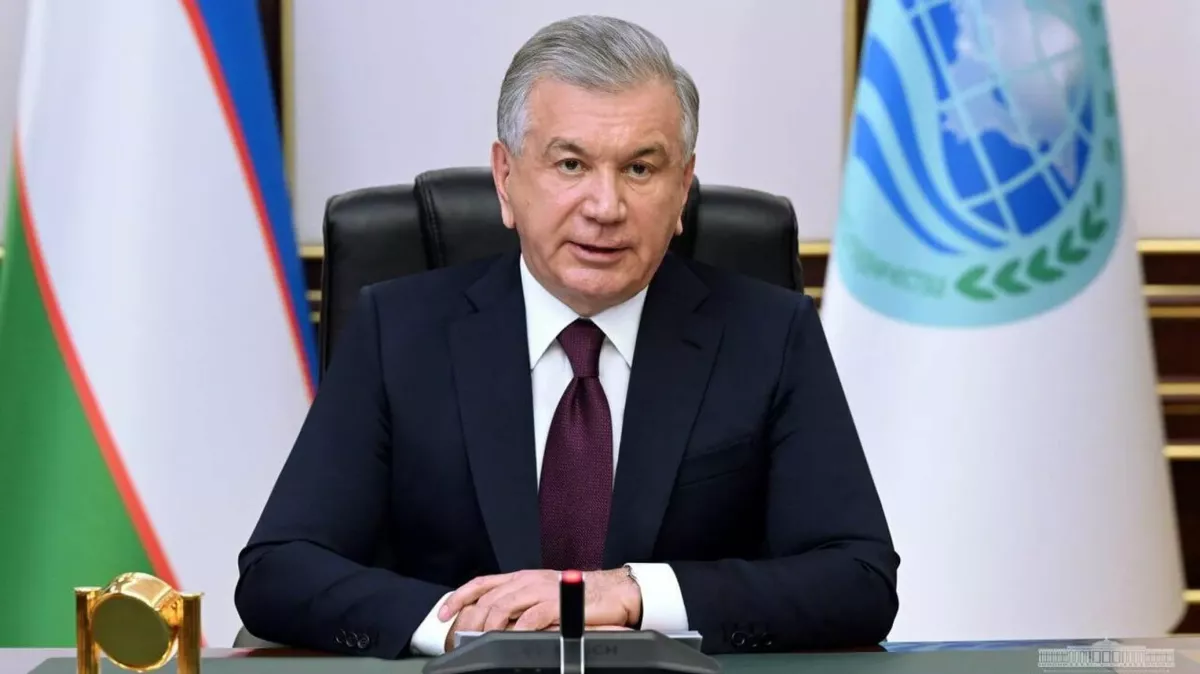
A significant and telling gesture was the phone call from the President of Uzbekistan, Shavkat Mirziyoyev. The leader of Central Asia’s most populous country firmly condemned Iran’s attacks and expressed full support for Azerbaijan, emphasising that Uzbekistan always stands alongside its brotherly nation.
Ilham Aliyev informed him about the details of the incident, assuring that the situation is under full control. The two heads of state reaffirmed their commitment to strengthening friendly, brotherly and allied relations and assured one another of their unwavering mutual support.
Uzbekistan’s position demonstrates that Turkic unity extends beyond cultural affinity and functions as a mechanism of real mutual assistance in times of crisis.
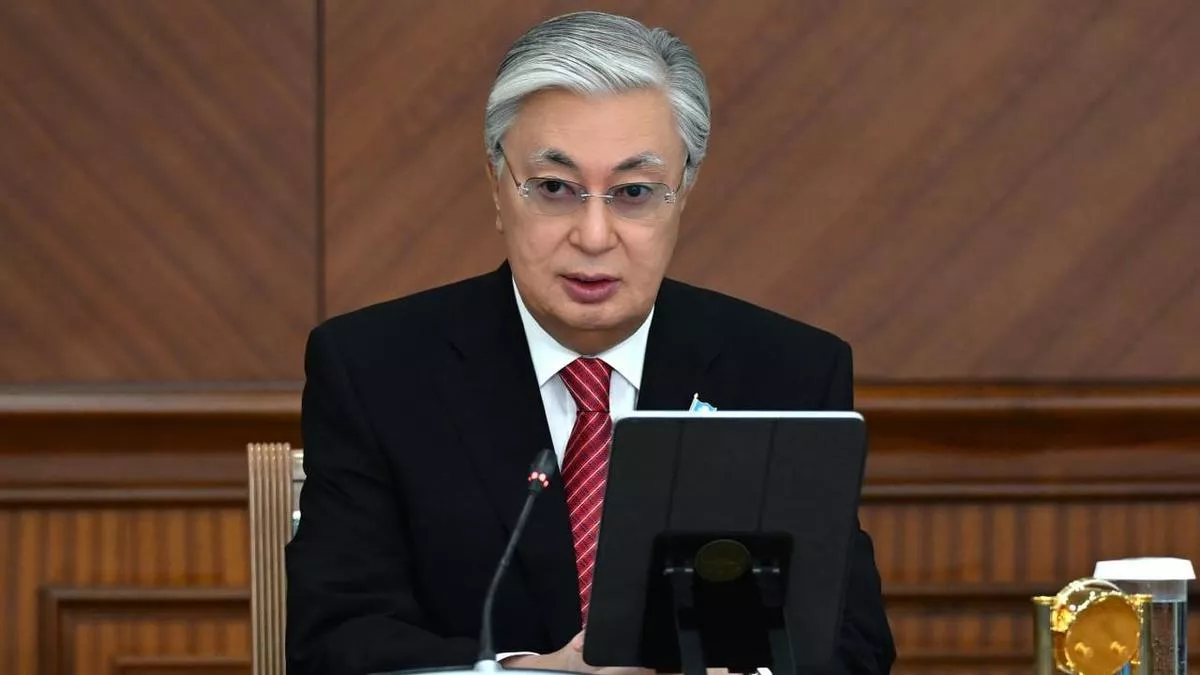
The President of Kazakhstan, Kassym-Jomart Tokayev, also firmly condemned the Iranian drone attack on Nakhchivan International Airport. He described the incident as an act against brotherly and allied Azerbaijan and expressed hope for a thorough joint investigation with Iran and for the settlement of the conflict through diplomatic means in order to avoid further escalation of tensions in the region.
Kazakhstan’s emphasis on diplomacy is a hallmark of Astana’s foreign policy style, yet the key point remains the very definition of what occurred — and the unequivocal solidarity expressed with Baku.
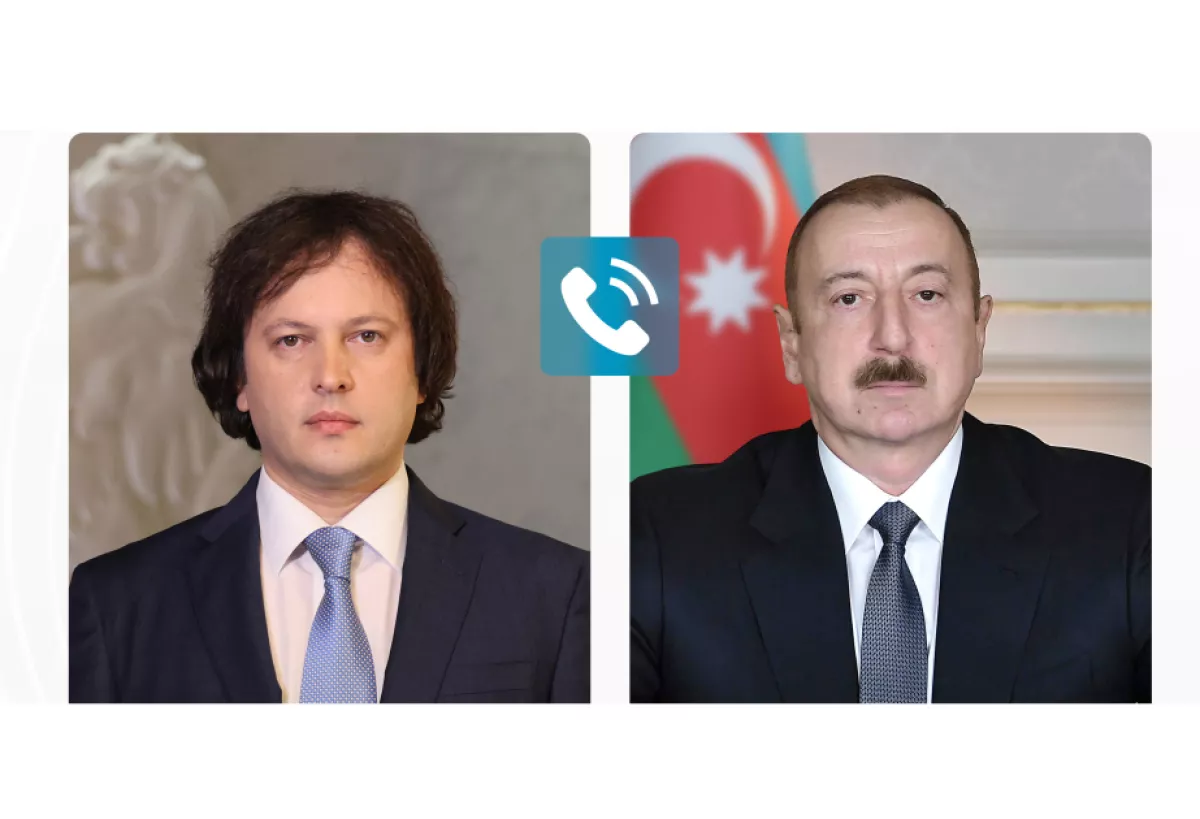
From Tbilisi, a phone call came from the Prime Minister of Georgia, Irakli Kobakhidze. He strongly condemned the attack and expressed solidarity with the Azerbaijani state and people, wishing the injured a speedy recovery.
For Georgia, which shares with Azerbaijan not merely a border but an entire system of strategic communications — including the Baku–Tbilisi–Ceyhan pipeline, major gas transit routes, and railway corridors — the security of Nakhchivan and the overall stability of Azerbaijan represent a matter of vital interest.
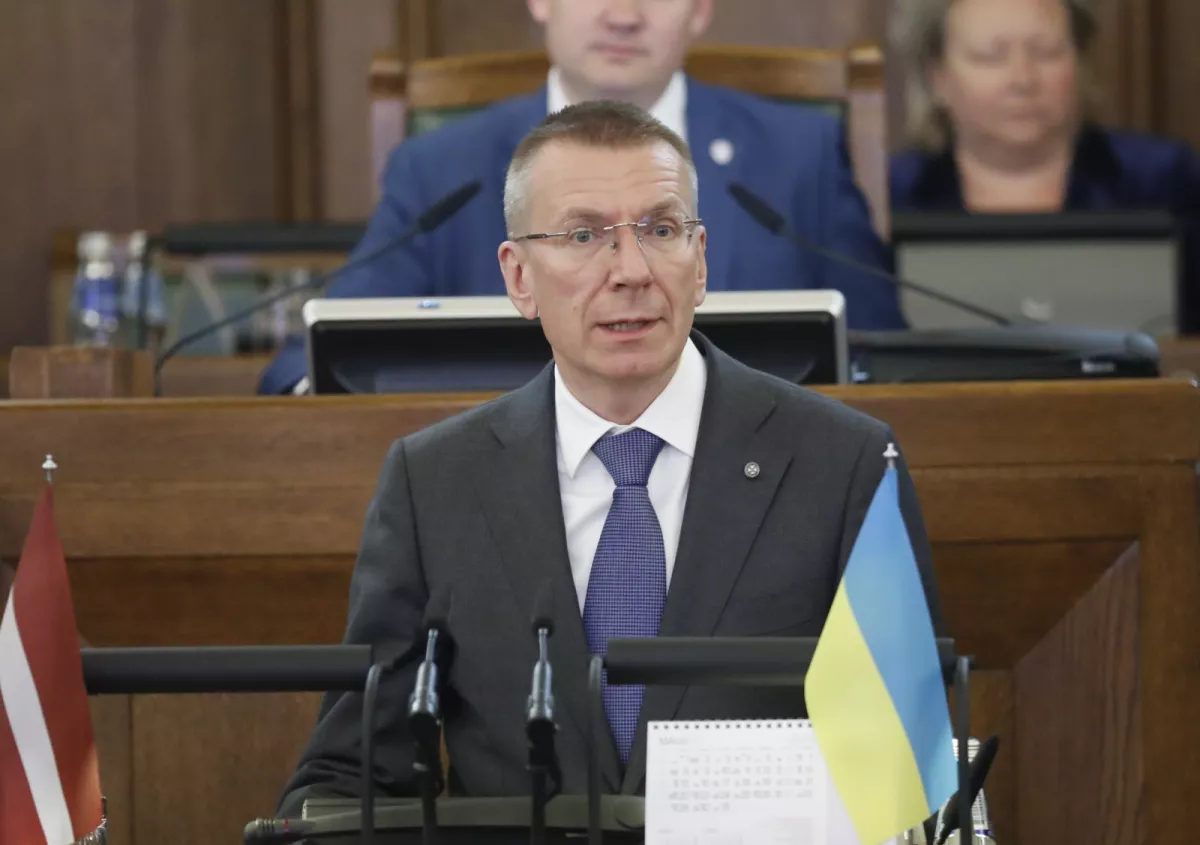
Latvia also made its position clear. The President of Latvia, Edgars Rinkēvičs, called President Ilham Aliyev, firmly condemned the Iranian attack, and expressed solidarity with Azerbaijan. The sides also discussed the current state of bilateral relations and prospects for cooperation.
As a member of both the European Union and NATO, Latvia articulates the stance of a segment of the European political establishment for which violations of sovereignty are unacceptable, regardless of the geographical location of the victim state.
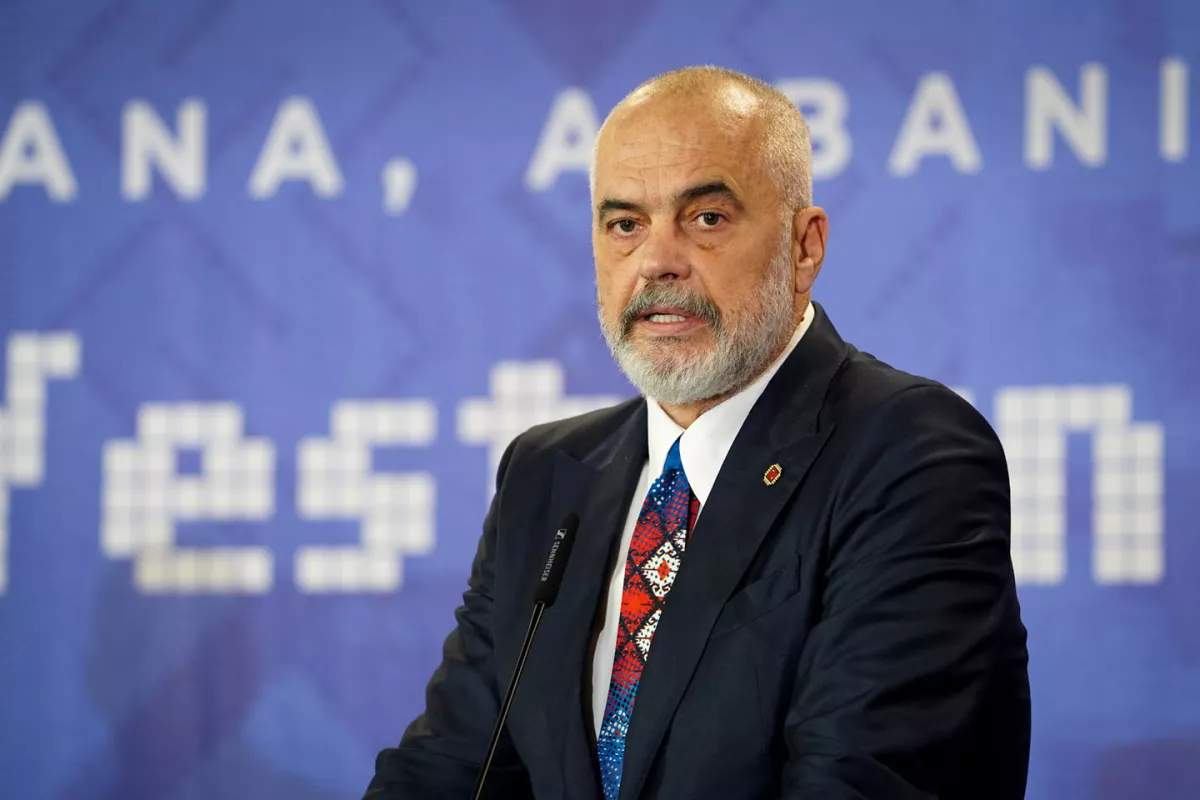
Particular attention should be paid to the statement by the Prime Minister of Albania, Edi Rama, which was perhaps the most emotionally charged and politically uncompromising. Rama described the attack as a serious and unacceptable act of aggression by what he called the “Khomeinist Republic.”
According to the Albanian prime minister, the only “sin” of the targeted states is that they shine on the global stage through their development, prosperity, and openness—making the Iranian regime appear even more grim by comparison.
Rama called Azerbaijan a valuable friend and ally of Albania, noting the national pride, resilience, and commitment to development demonstrated by the Azerbaijani state. Yet his central argument went beyond situational support: when civilian infrastructure in other countries comes under attack, the line between aggression and terrorism disappears.
He called on all those who believe in a rules-based international order to recognise the Iranian regime for what it is—a terrorist state—and to work towards its complete isolation.
In this sense, Tirana set a benchmark for the discussion that many other capitals may not yet be ready to reach, but which clearly reflects the reality of the situation.
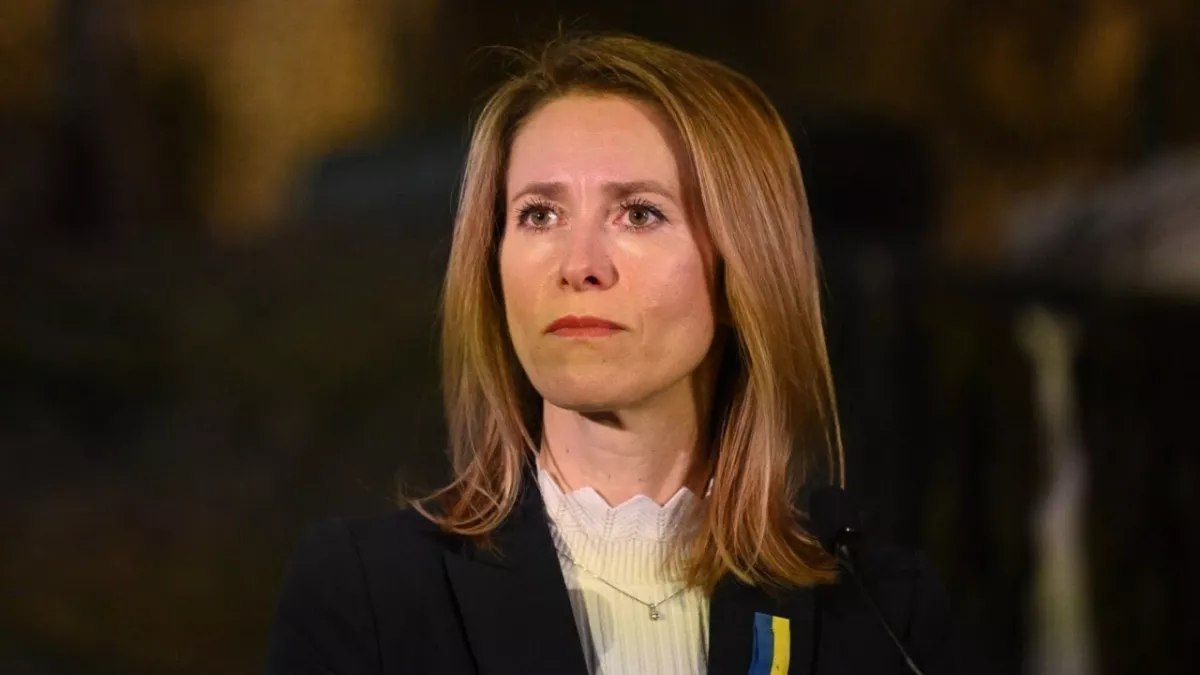
The High Representative of the European Union for Foreign Affairs and Security Policy, Kaja Kallas, held talks with Azerbaijan’s Foreign Minister Jeyhun Bayramov and stated that the Iranian drone strikes on Nakhchivan are completely unacceptable. According to her, the attack represents yet another escalation by Iran and increases the risk of the conflict spreading beyond the Middle East. Kallas emphasised the European Union’s full solidarity with the government and people of Azerbaijan.
The General Secretariat of the Organisation of Islamic Cooperation also issued a strong condemnation of the strikes on Azerbaijani territory, stressing that attacks on civilian facilities violate the country’s sovereignty and threaten its security. The OIC reaffirmed its full solidarity with Azerbaijan and called for the immediate cessation of provocative actions capable of destabilising the region.
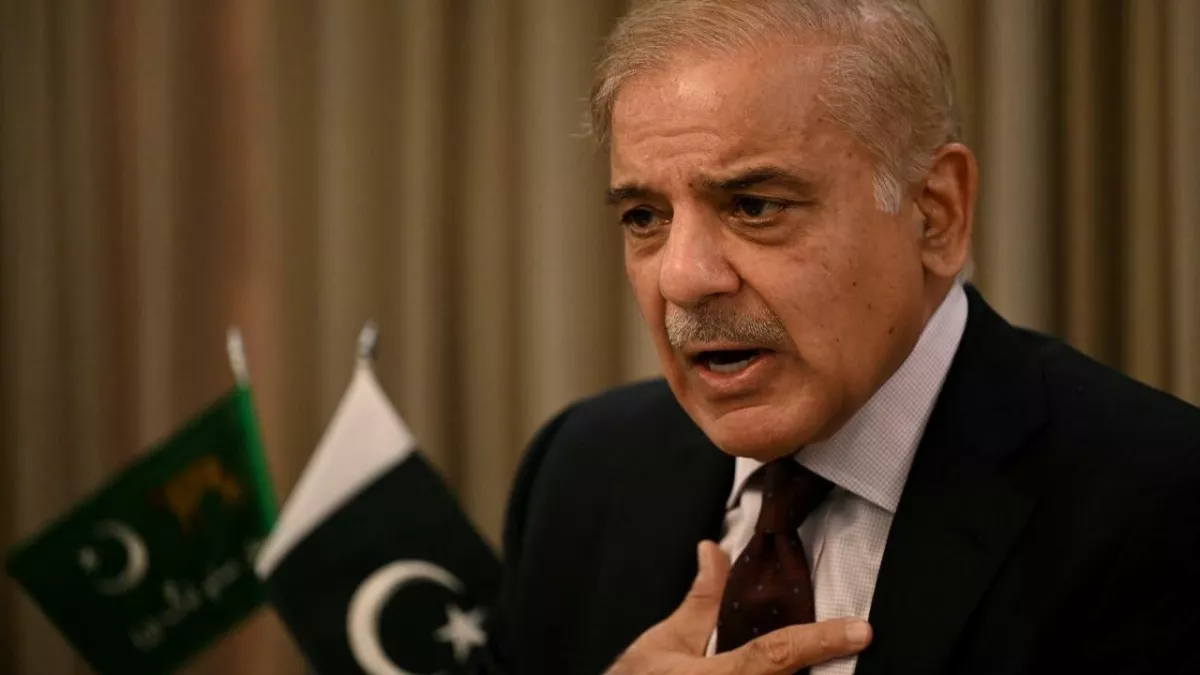
The Prime Minister of Pakistan, Shehbaz Sharif, expressed serious concern over the attacks on the brotherly country, stating that Islamabad firmly stands alongside the leadership and people of Azerbaijan and condemns actions that risk further escalation and undermine regional peace.
The overall picture of the international reaction to the events of March 5 appears highly favourable for Baku — and this is no coincidence. Behind these calls, statements, and condemnations lies the result of a consistent diplomatic strategy that Azerbaijan has been building for years.
A country that has managed to restore its territorial integrity on its own, assert its sovereignty, become an energy and transport hub of Eurasian scale, and play an active role in the global climate agenda — including its chairmanship of COP29 — such a country does not stand alone in a moment of crisis.
The geopolitical capital accumulated by Baku is now being converted into tangible support at a critical hour.







 editor@caliber.az
 +994 55 444-88-98
 Азербайджан, Баку, ул. Низами, 203, Af Business House, 5-й этаж