










Iran in flames and the attack on Nakhchivan Caliber.Az weekly review
The editorial team of Caliber.Az presents the latest episode of the programme “Events” with Murad Abiyev.
US - Iran
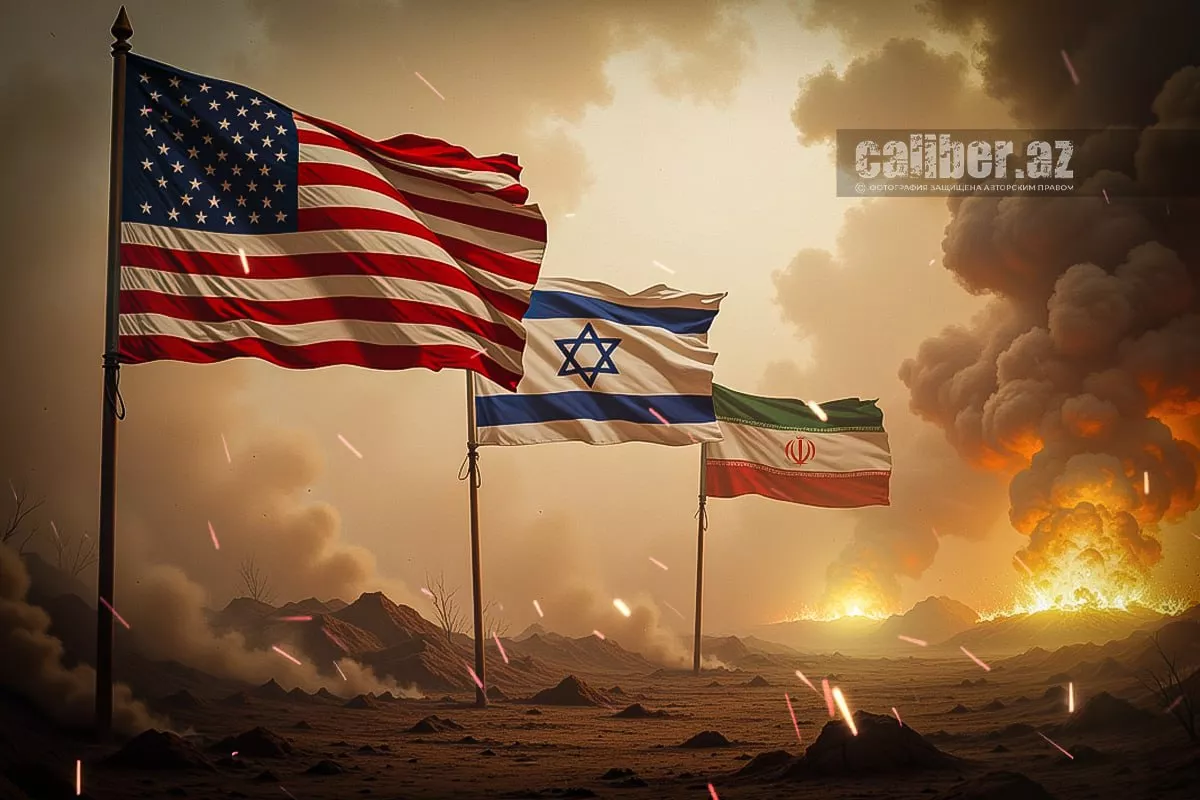
The war of the United States and Israel against Iran remains the central issue on the global agenda and, judging by current trends, is likely to remain so for some time. The military operation, which began on February 28, is gradually intensifying.
Washington and Tel Aviv claim they are systematically moving toward their objective — the destruction of Iran’s military infrastructure and the elimination of key elements of its missile and nuclear programmes. The strikes target not only military installations but also members of the country’s senior command, primarily the structures of the Islamic Revolutionary Guard Corps, the main pillar of the Iranian regime’s power.
Despite the intensity of the strikes, Tehran continues to resist, indicating that the Iranian leadership had prepared in advance for a possible attack. Drones are playing an increasingly important role in Iran’s counteractions. Their relatively low flight altitude and large numbers make them difficult targets for expensive air defence systems.
Nevertheless, according to assessments by the United States and Israel, the intensity of Iran’s retaliatory strikes is gradually declining — and the pace of this decline has been faster than expected. This could be explained by the destruction of a significant portion of Iran’s launch systems, as well as potential issues within the country’s military command structure.
However, there is another explanation. Iran may be deliberately conserving its missile and drone resources, preparing them for a far more important strategic objective.
This concerns control over the Strait of Hormuz — a key artery of the global energy market. Approximately one-fifth of the world’s oil supply and a substantial portion of liquefied natural gas exports from Persian Gulf countries pass through this narrow maritime corridor.
Amid the war, shipping in the strait has sharply declined due to the threat of attacks, and many tankers have effectively halted operations. “We will not allow a single drop of oil to leave this region,” said one of the IRGC commanders.
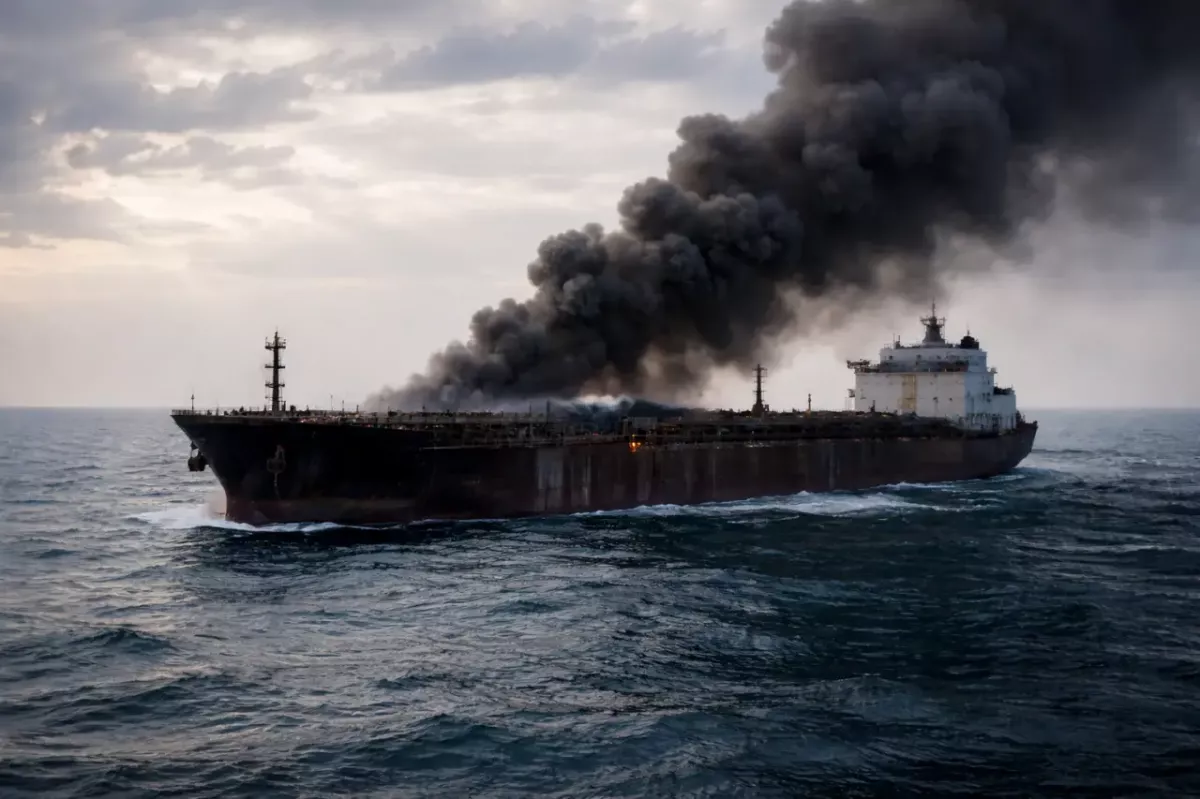
If the situation persists, the world could face a serious energy crisis caused by a physical shortage of resources. This would primarily affect the largest consumers of Middle Eastern hydrocarbons — the European Union, China, and India. This is not necessarily in the United States’ favour. The Gulf monarchies, which position themselves as safe havens for capital, would suffer enormous reputational losses, with the blame largely placed on Washington.
Here, Beijing has moved swiftly, negotiating with Iran to secure passage through the Strait of Hormuz for oil tankers as well as Qatari liquefied gas. If Iran grants China such guarantees, it could trigger a major geopolitical shift: Beijing would become the key external partner for the Gulf monarchies.
Moreover, if Beijing resolves the Strait of Hormuz issue, the prolonged war in the Middle East offers it additional strategic advantages, as it inevitably diverts American resources away from the Indo-Pacific region — the primary theatre of strategic competition between Washington and Beijing.
For this reason, the United States is interested in the conflict reaching a swift and decisive conclusion. Washington is likely to aim for a crushing defeat of the IRGC, depriving Iran of the ability to continue resisting. However, a critical question remains: is it possible to achieve this solely through air and missile strikes, without a ground operation?
Azerbaijan
Meanwhile, the escalation of the conflict has reached the South Caucasus.
Four drones launched from Iranian territory struck the Nakhchivan Autonomous Republic of Azerbaijan. In particular, one drone hit the terminal building of Nakhchivan airport, while another fell near a school building in the village of Shakarabad.
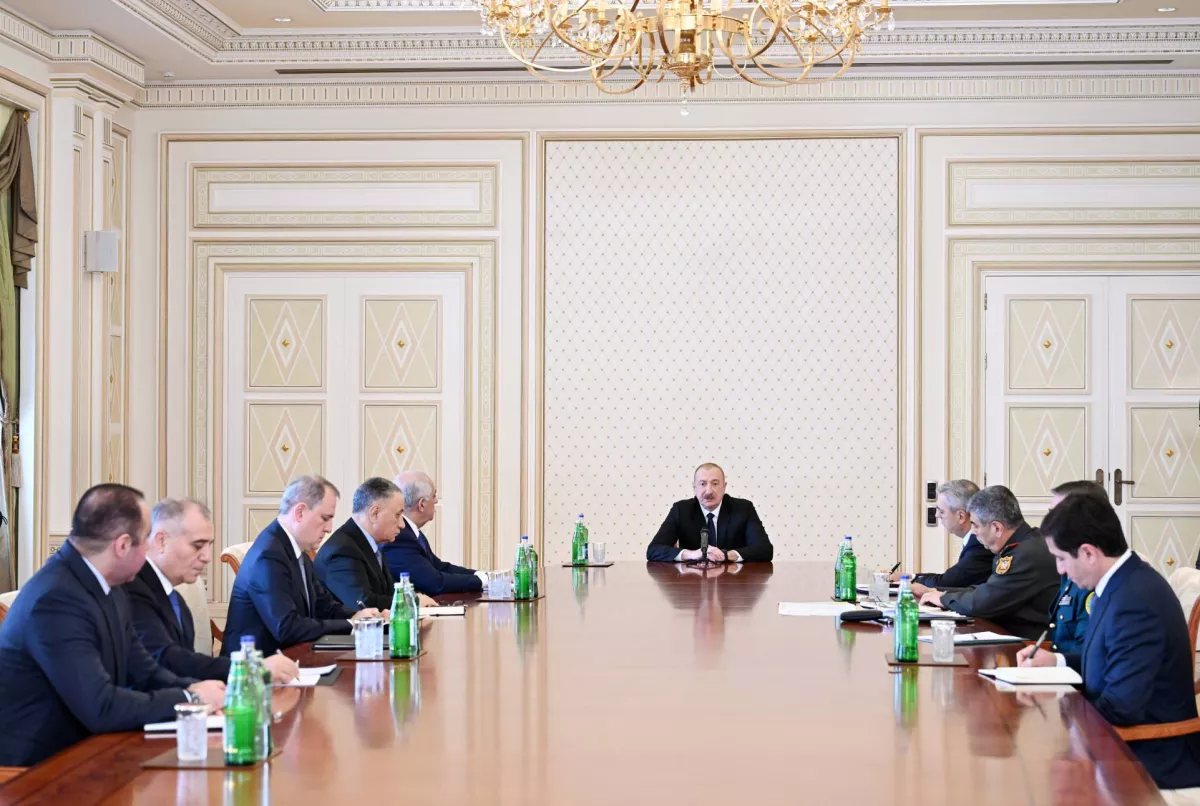
Azerbaijani President Ilham Aliyev convened an emergency meeting of the Security Council. He demanded official explanations from Tehran, an apology, and the prosecution of those responsible for the incident.
Later, Azerbaijani journalists interviewed Iran’s ambassador in Baku. His answers were notably evasive. The diplomat spoke vaguely about “suspicious details” and the need for further investigation. This evasiveness could be partly attributed to the internal complexity of Iran itself. In wartime, real power is increasingly concentrated in the hands of the Islamic Revolutionary Guard Corps — a structure that effectively functions as a state within a state.
The destructive stance of this structure toward Azerbaijan was further confirmed by information released the previous day. As a result of comprehensive counterintelligence measures, Azerbaijan’s State Security Service prevented terrorist-provocative acts planned by the IRGC on Azerbaijani territory. Among the targets were the Baku–Tbilisi–Ceyhan oil pipeline and the Israeli embassy.
Whoever was behind the Nakhchivan attack inside Iran, and whatever objectives the Iranian side pursued, this terrorist act has only heightened regional tensions and forced Azerbaijan to increase the combat readiness of its armed forces.







 editor@caliber.az
 +994 55 444-88-98
 Азербайджан, Баку, ул. Низами, 203, Af Business House, 5-й этаж