










Warsaw’s nuclear dream Ambitions, limitations, and the West’s position
Amid today’s geopolitical turbulence, with much of the world embroiled in armed conflicts, several EU member states are increasingly considering the development of their own nuclear weapons as a means of ensuring national security. Following Sweden, which recently announced such plans, another country – Poland – has made a similar statement.
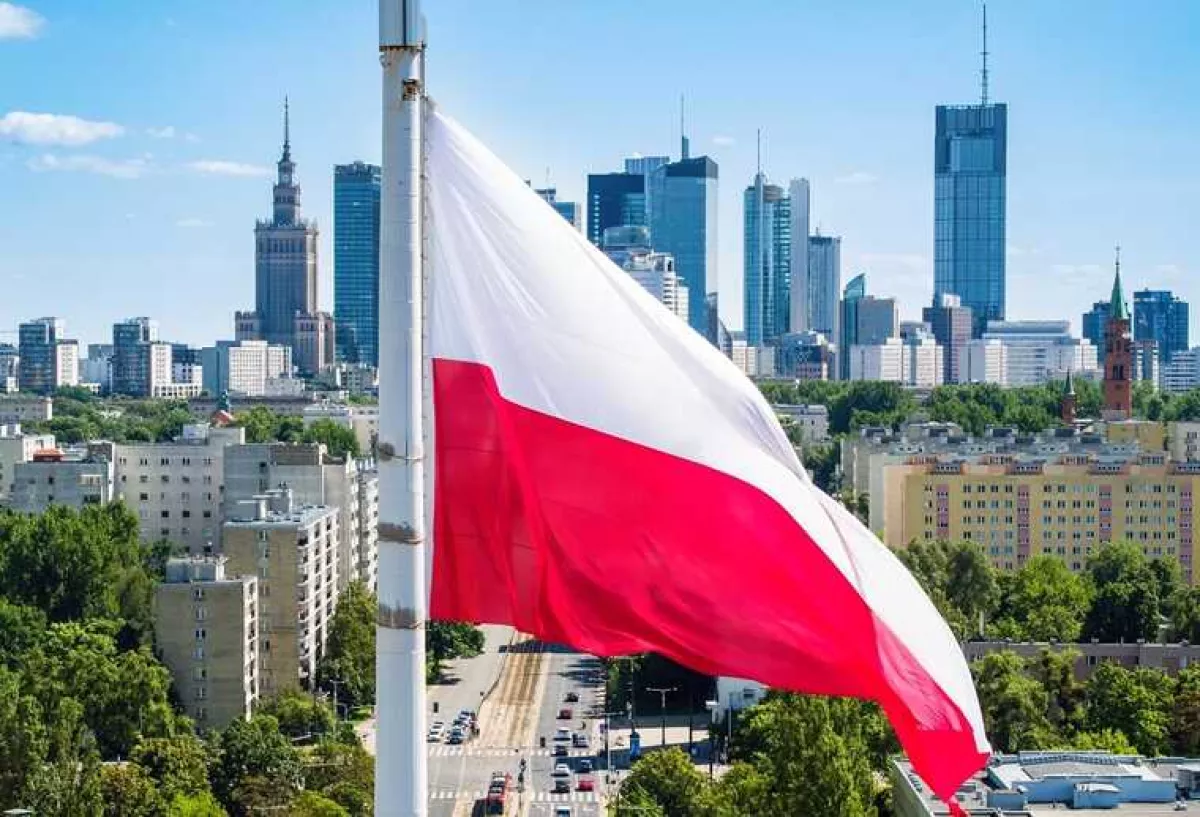
According to several international media outlets citing Bloomberg, Polish Prime Minister Donald Tusk stated that Warsaw intends to pursue its own nuclear weapons in the long term.
“Poland takes nuclear security very seriously,” Tusk said, noting that the government plans to prepare the country for “the most autonomous actions possible” in this area in the future, as the state’s autonomy grows. The Prime Minister also emphasised that Warsaw does not intend to remain “passive” and will continue developing projects in the field of nuclear energy.
Earlier this February, Polish President Karol Nawrocki also spoke on the topic. In an interview with Polsat News, commenting on the international situation, he advocated strengthening the country’s security “even on the basis of nuclear capabilities.”
So, how realistic is it for Poland to develop its own nuclear weapons and potentially join the ranks of the global “nuclear club”? To answer this question, several significant factors must be considered, including Poland’s membership in NATO and the EU.
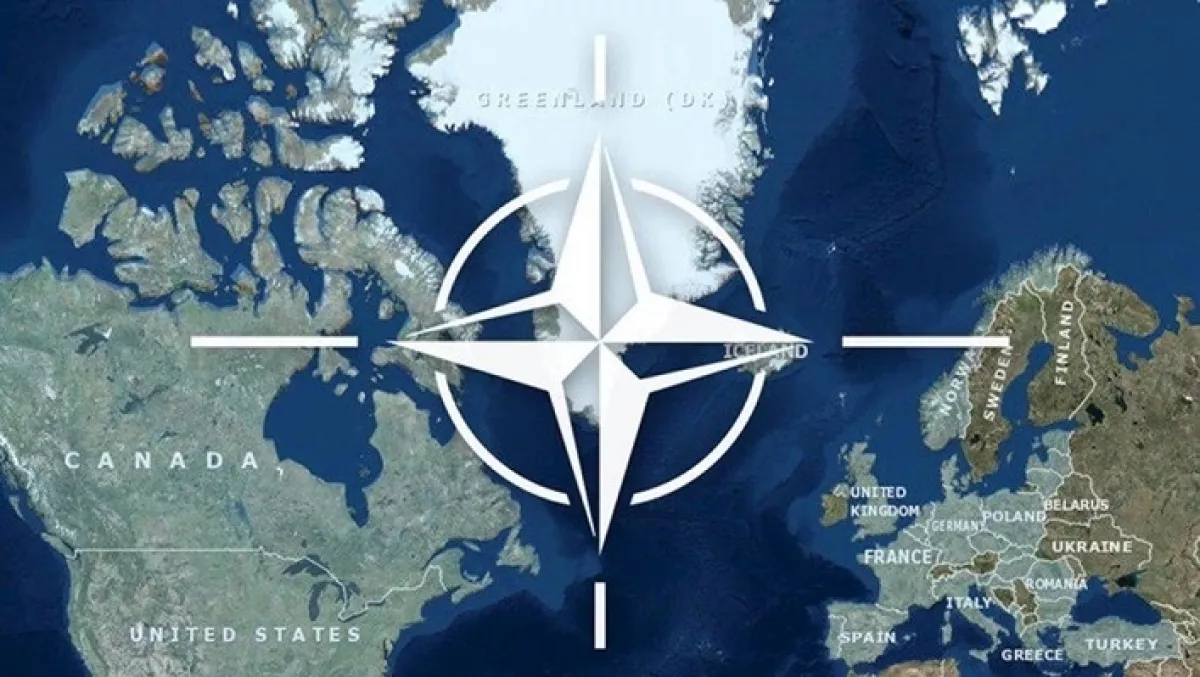
First, Poland is a signatory to the Treaty on the Non-Proliferation of Nuclear Weapons (NPT), which commits the country not to develop nuclear weapons. On the other hand, in 1999, Poland became a full member of NATO, joining the alliance during its fourth enlargement alongside the Czech Republic and Hungary to strengthen regional security. Today, Poland remains an active participant in the alliance with a substantial defence budget.
This means that Poland is covered by NATO’s “nuclear umbrella,” even though there is no nuclear weapons deployment on its territory. At the same time, Polish authorities have repeatedly expressed their readiness to participate in the alliance’s Nuclear sharing program, similar to Germany, the Netherlands, and Belgium. In February 2024, General Jarosław Kraszewski suggested that this could happen within the next few years, and in March 2025, then-President Andrzej Duda told the Financial Times that he called on the United States to deploy nuclear weapons in Poland.
Background: Extended nuclear deterrence in Europe within the framework of NATO relies primarily on the United States, with limited participation from the United Kingdom and a high degree of autonomy on the part of France, which is not part of the alliance’s integrated nuclear planning system. Importantly, the right to possess nuclear weapons is not transferred within NATO. To ensure the deployment of nuclear weapons on the territory of its allies, the United States has established a system of safeguards designed to prevent the unauthorised use of American nuclear warheads.
Thus, the deployment of U.S. nuclear weapons in Poland under NATO’s framework would in no way violate the NPT, since the document pursues two main objectives: achieving general and complete nuclear disarmament and preventing a global war. However, if Poland were to develop its own nuclear weapons, this would constitute a direct violation of the Treaty and would inevitably result in reputational and political costs for the Polish state.

On the other hand, given that the United States intends to reduce, if not entirely scale back, its involvement in the defence of EU countries under key points of its new National Security Strategy regarding the European Union, France is stepping into the European foreground. The French leadership, in line with its imperial ambitions, aims to take Washington’s place in ensuring the security of European nations, including through its own nuclear capabilities. The Élysée Palace has received backing from the United Kingdom in this regard, as stated by the office of UK Prime Minister Keir Starmer.
“We welcome the proposals put forward by President Macron for closer cooperation with allies on nuclear matters,” the statement emphasised, adding that “the United Kingdom and France are firmly committed to preventing threats to Europe.”
In this context, Paris would not approve of Poland’s intention to develop its own nuclear weapons, as it runs counter to France’s interests in establishing its military — including nuclear — hegemony in Europe.

As for the positions of the United States and the United Kingdom regarding the creation of Polish nuclear weapons, the U.S., as one of the main architects of the non-proliferation regime, would most likely oppose it. If Washington were to give Poland the “green light,” other countries might follow suit and seek to exit the restrictions of the regime. Meanwhile, London, which also supports non-proliferation and, as noted, backs Macron’s nuclear strategy, would most likely veto Poland’s nuclear “dream.”
In summary, taking all the above into account, the chances of Poland realising its nuclear ambitions are virtually nonexistent.







 editor@caliber.az
 +994 55 444-88-98
 Азербайджан, Баку, ул. Низами, 203, Af Business House, 5-й этаж