










Kyiv’s own goals Crisis in Hungary–Ukraine relations
Hungarian–Ukrainian relations have never been particularly smooth, but after the outbreak of the large-scale Russian–Ukrainian war they entered a phase of open tension. Kyiv has repeatedly accused Budapest of refusing to join sanctions against Russia and, more broadly, of “playing into the hands of the aggressor state.” The Hungarian side has rejected these accusations, stressing that it prioritises its national interests and does not wish to become a party to the Russian–Ukrainian confrontation.
At the same time, Hungary has provided shelter and employment to many Ukrainian refugees, who until recently also received various forms of assistance, including free public transport and access to medical services.
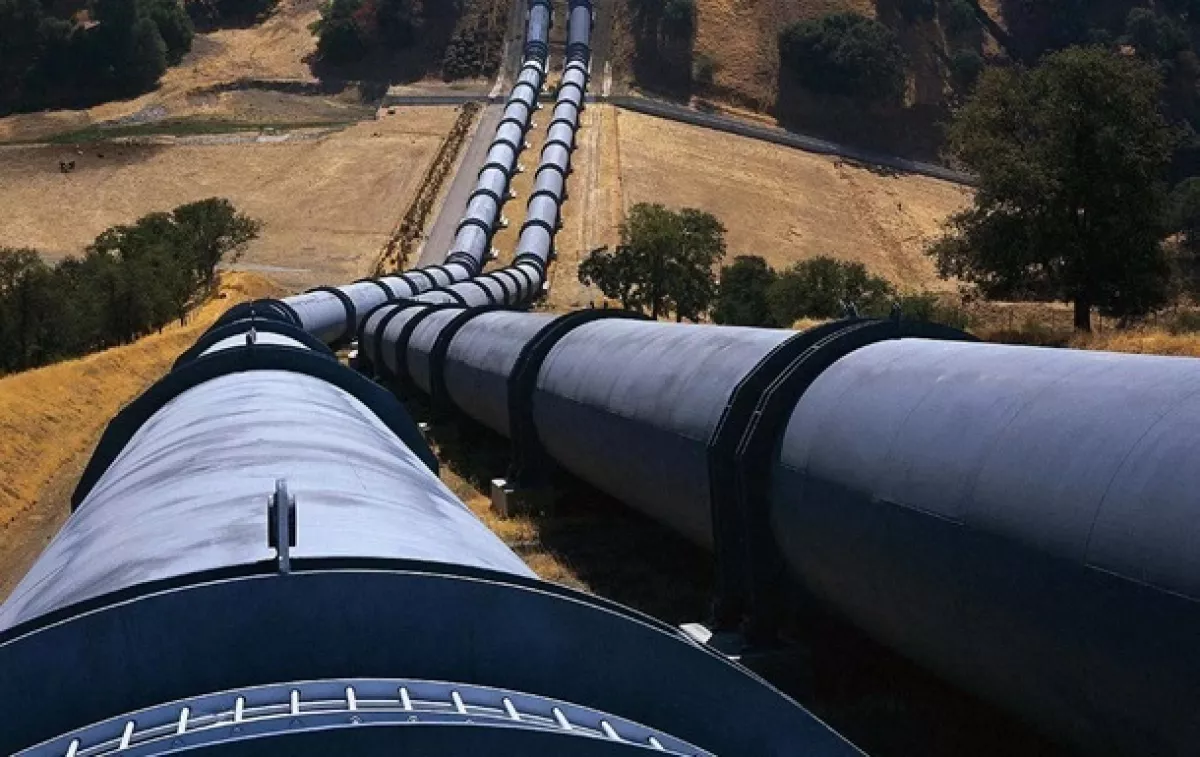
Thus, over the past four years Kyiv and Budapest have repeatedly exchanged sharp remarks. However, on January 27 an incident occurred that pushed this confrontation to a new level. In the city of Brody in Ukraine’s Lviv region, Russian strikes ignited petroleum products, causing heavy smoke. Later, Ukraine’s state energy company Naftogaz stated that the strike had targeted a critical infrastructure facility connected to the Druzhba oil pipeline, through which Russian oil had been transported to Hungary and Slovakia.
In the wake of the incident, Budapest officially suspended not only the supply of petrol and diesel fuel to Ukraine, but also the transit of important cargo destined for the neighbouring country across its territory. Moreover, since February 20, Hungary has been blocking EU assistance to Ukraine in the form of a €90-billion loan, €60 billion of which is intended directly for defence needs. As German Foreign Minister Johann Wadephul noted, the package is crucial not only for Kyiv’s defence capability but also for peace in Europe.
However, Hungary remains firm on the issue, explaining its veto by claiming that it is no longer receiving Russian oil because Kyiv has allegedly failed to repair the Druzhba pipeline following the Russian strike.
In response, Volodymyr Zelenskyy stated that Russian oil has no place on the European market. Frankly speaking, this remark provokes genuine astonishment, since the above-mentioned pipeline had been operating uninterruptedly for nearly four years, bringing Kyiv certain revenues from transit fees. At the same time, the Ukrainian opposition repeatedly pointed out the paradox of the situation, but the country’s leadership ignored these criticisms.
Meanwhile, the European Union has increased pressure on Ukraine over the situation surrounding the Druzhba oil pipeline and demanded that a European inspection be granted access to the facility. As one senior EU diplomat stated, Kyiv had “scored an own goal,” giving Hungary a reason to block the €90-billion loan. In this context, it is also worth recalling what happened at the Munich Security Conference in February this year.
In his speech at this influential international forum, Volodymyr Zelenskyy said that Viktor Orbán, the prime minister of Hungary, is thinking about “how to grow his belly, not how to grow his army.” Responding to the remark on the social network X (social network), the Hungarian prime minister wrote:
“Thank you for yet another campaign speech in support of Ukraine’s accession to the European Union. It will greatly help Hungarians see the situation more clearly. There is, however, something you misunderstand: this debate is not about me and it is not about you. It is about the future of Hungary, Ukraine, and Europe. This is precisely why you cannot become a member of the European Union.”
In essence, it resembled a dialogue between a teacher and a rowdy student. At the same time, and importantly, remarks reminiscent of the days when Volodymyr Zelenskyy performed on stage as the leading star of Kvartal 95 were received negatively not only in Hungary but also by many representatives of the Ukrainian expert community. They noted that the Ukrainian president’s ill-timed jokes were actually helping boost the ratings of the Fidesz party led by Viktor Orbán.
This is borne out by polling data: according to surveys, following Zelenskyy’s verbal attacks on the Hungarian prime minister, Fidesz reduced its gap by several points with the opposition Tisza Party, led by Member of the European Parliament Péter Magyar.
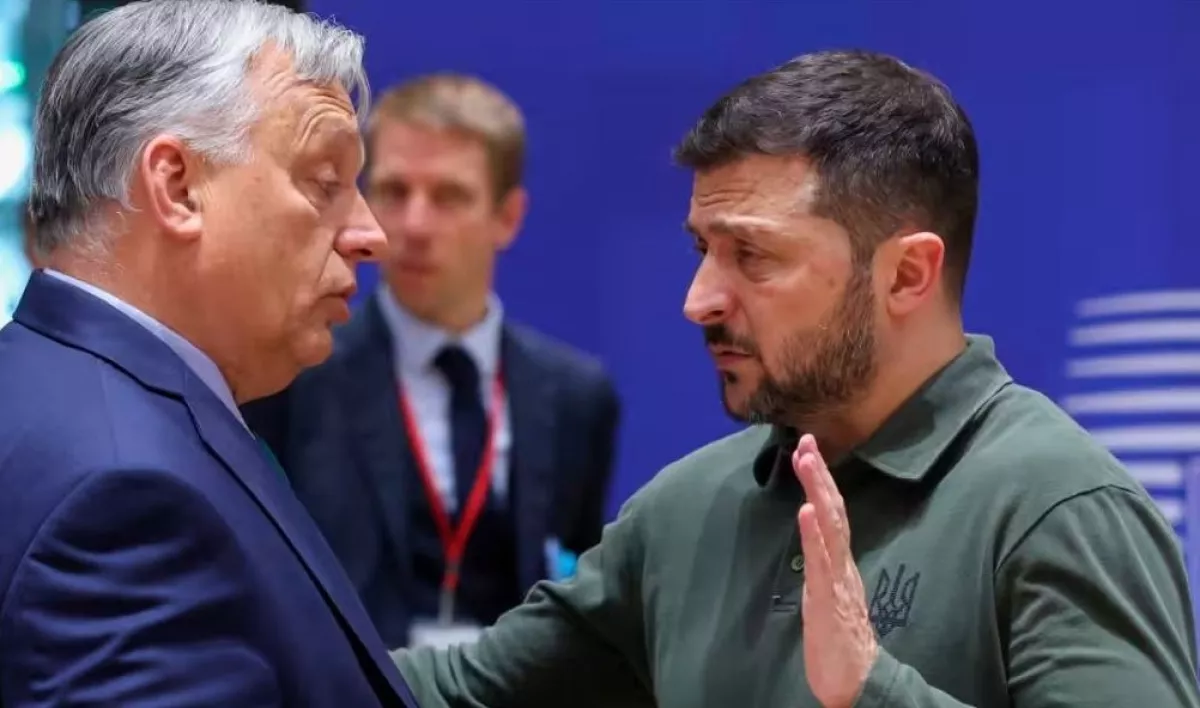
However, Zelenskyy ignored these wise recommendations and issued another statement:
“We hope that a certain person in the European Union will not block the €90 billion, or the first tranche from the €90 billion, and our defenders will have weapons. Otherwise, we will give that person's address to our Armed Forces, to our lads, so they can call him on the phone and speak to him in their own language.”
These words became yet another “own goal.”
To begin with, the European Commission criticised Zelenskyy’s remarks, which were perceived in Hungary as a threat to the country’s prime minister. In particular, Commission spokesperson Olof Gill described such rhetoric as unacceptable and stressed that EU member states cannot be threatened:
“At the moment, there is an escalation of rhetoric and provocative statements. We believe that such rhetoric from all sides is not helpful and does not contribute to achieving the common goals we all have here. As for President Zelenskyy's comments specifically, the European Commission clearly states that such rhetoric is unacceptable. There can be no threats against EU member states.”
But what is even more troubling for the Ukrainian leader and his team is that Péter Magyar called on the European Union to sever relations with Ukraine until President Volodymyr Zelenskyy apologises:
“Not a single foreign leader can threaten any Hungarian. Hungary’s energy supply is a national issue that stands above party politics and election campaigns. I expect the leadership of the European Union to suspend all relations with Ukraine until President Zelenskyy clarifies his words and apologises to all Hungarian citizens for his statements.”
Thus, the leader of the Hungarian opposition party placed the interests of his country above personal considerations—something that, given Ukraine’s particular domestic political culture, is a rather rare phenomenon for the Ukrainian side. In light of these developments, many Ukrainian media outlets and members of the expert community have openly and clearly pointed out that Zelenskyy’s statements are bringing nothing but harm to the country.
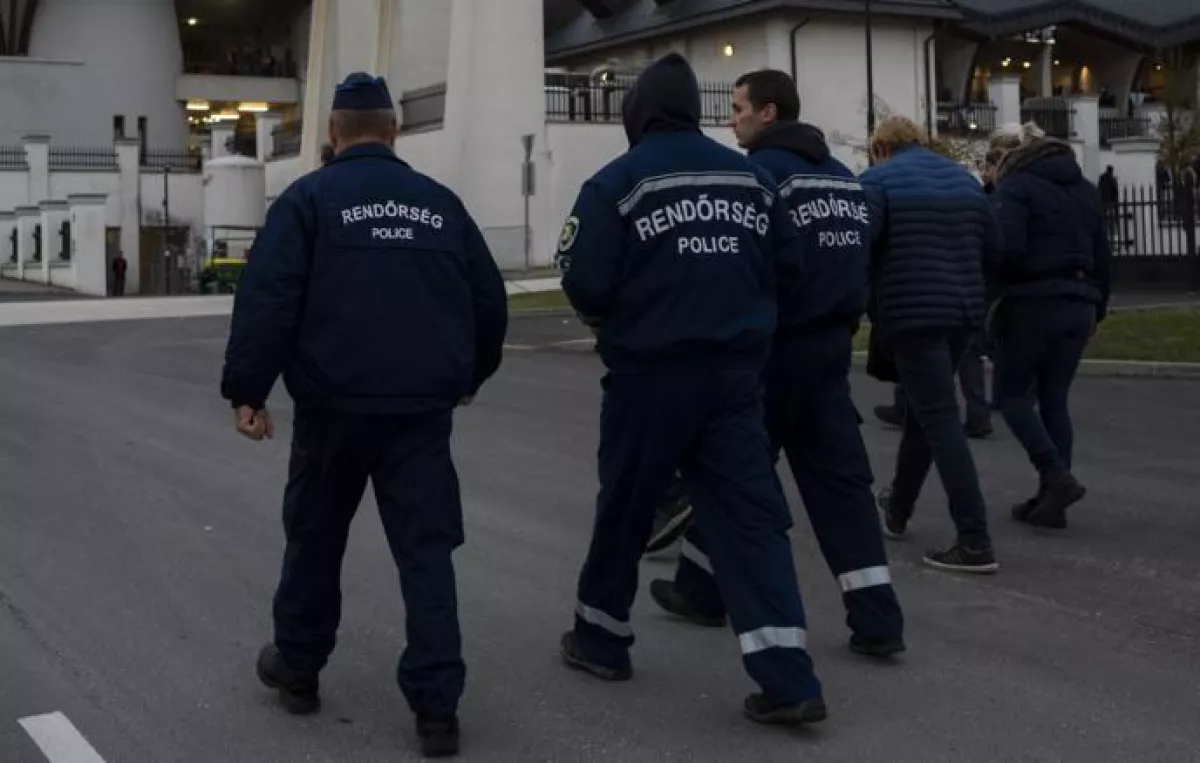
Against this backdrop, another high-profile incident occurred on March 5: the press service of Oschadbank reported that two armoured vehicles belonging to the bank’s cash-in-transit service had been unjustifiably detained in Hungary while carrying out a regular transport of foreign currency and precious metals.
Hungary’s National Tax and Customs Administration of Hungary (NAV) confirmed the detention of Ukrainian citizens, stating that it took place within the framework of a criminal investigation on suspicion of money laundering. In addition, the YouTube channel of the Hungarian government, Magyarország Kormánya, published a video showing officers of the country’s Counter Terrorism Centre (Hungary) detaining the Ukrainian cash-in-transit vehicles and employees of Oschadbank at a petrol station.
Hungarian Foreign Minister Péter Szijjártó stated that Hungary “does not know whose money” was being transported and suggested that it could belong to the “Ukrainian military mafia.” A similar view was expressed by the chief adviser to the Hungarian prime minister, Balázs Orbán.
“Whose money is this? What was it intended for? Who benefits from it? How is it possible that such sums are moving across Europe? The Hungarian government demands immediate answers and explanations from Ukraine regarding these cash transfers, since it is entirely reasonable to ask whether this money could be linked to Ukraine’s wartime mafia networks,” he said.
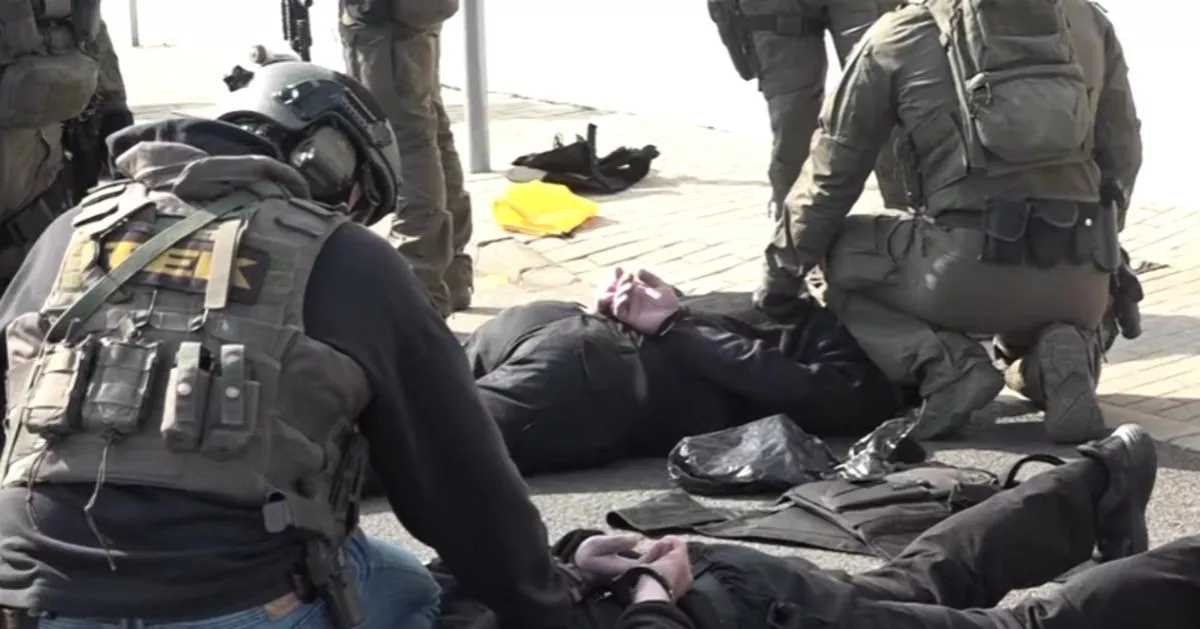
According to the Hungarian government, a total of seven Ukrainian citizens were detained, including allegedly a former general of the Ukrainian special services. They were reportedly transporting $40 million, €35 million and 9 kilograms of gold in two armoured vehicles from Austria to Ukraine via Hungary. Authorities also noted that more than $900 million, €420 million and 146 kilograms of gold had been transported through Hungarian territory to Ukraine since the beginning of this year alone.
Meanwhile, Ukrainian journalist Vitaliy Glagola, citing his own sources, reported that along with the Ukrainian cash-in-transit personnel, Hungary also detained a former general of the Security Service of Ukraine (SBU), Hennadii Kuznetsov, the former head of the Centre for Special Anti-Terrorist Operations, who is now retired. According to the journalist, Kuznetsov previously held senior positions in the Anti-Terrorist Centre under the SBU and was also linked to the special unit Alpha Group (SBU special unit).
For ordinary cash-in-transit operations, the involvement of such a high-ranking representative of the security services appears highly unusual.
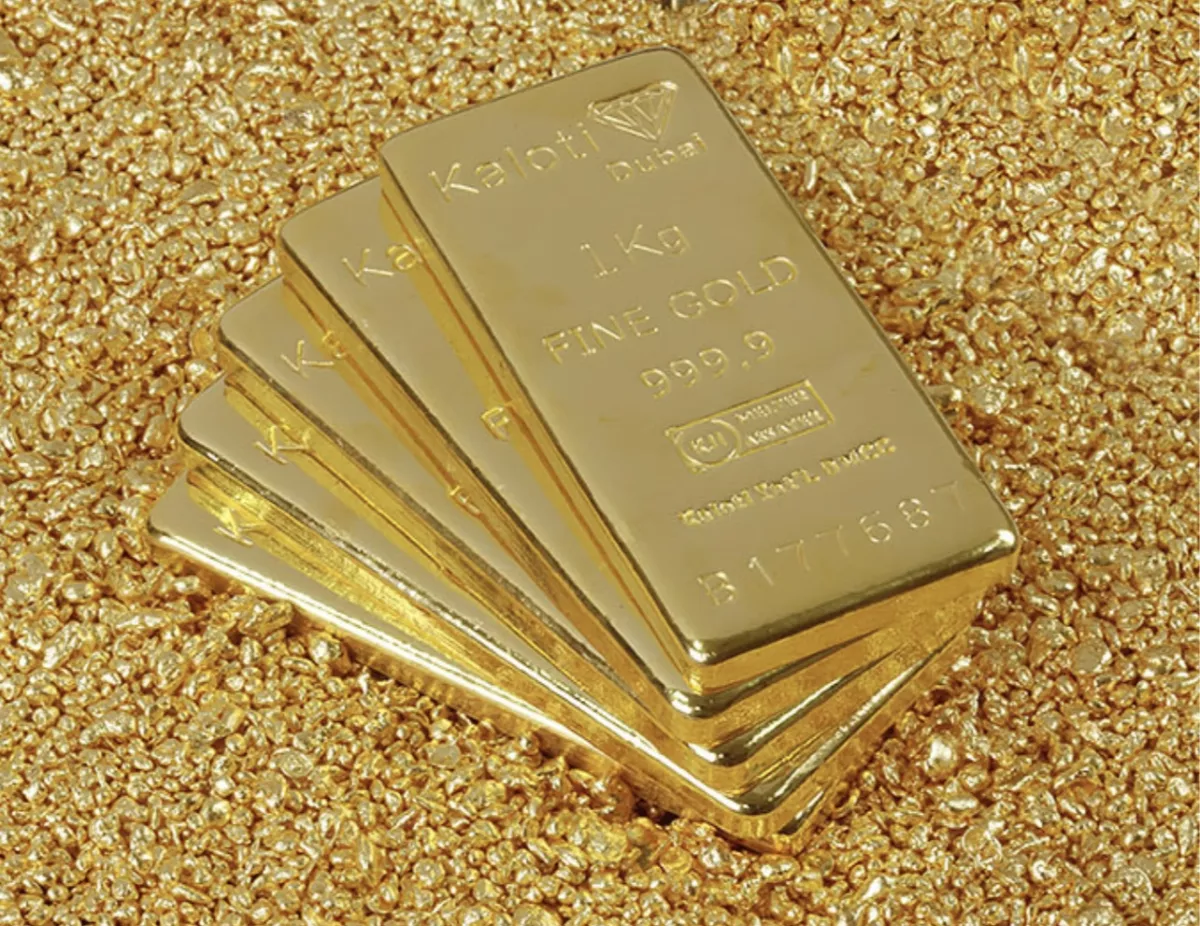
There is another interesting detail in this story — the one-kilogram gold bars. As a number of Ukrainian bloggers point out, such bars are typically used in interbank operations or in the jewellery industry, whereas private individuals are usually sold bars of much smaller weight. Given all this, a logical question arises about the ultimate recipients of this gold, which requires additional clarification, particularly from the National Bank of Ukraine. It is also worth noting that bars of this type are frequently confiscated from Ukrainian corruption suspects.
This episode once again confirms that relations between Kyiv and Budapest are likely to remain at Arctic-level temperatures for a long time, regardless of the outcome of elections in Hungary. The main reason for this, according to critics, is Volodymyr Zelenskyy’s persistent tendency to score “own goals” — and not only in his political “matches” with the Hungarian side.







 editor@caliber.az
 +994 55 444-88-98
 Азербайджан, Баку, ул. Низами, 203, Af Business House, 5-й этаж