










Tehran risks triggering an anti-Iran coalition Analysis by Shereshevskiy
Smoke rises over the northern part of Riyadh, the capital of Saudi Arabia. Diplomats in the city have been ordered to take shelter due to a potential threat of attacks.
If Iran continues shelling the Saudis, the risks for Tehran will increase. The main chance for the Iranian regime to survive right now lies in the absence of “boots on the ground” — foreign troops who could carry out operations on Iranian soil. The regime may try to hide in shelters (though they offer little protection), endure the bombings, and wait for the moment when rising oil prices, the threat of a global economic recession, and the influence of wealthy Arab oil monarchies force Trump to halt a war with Iran.
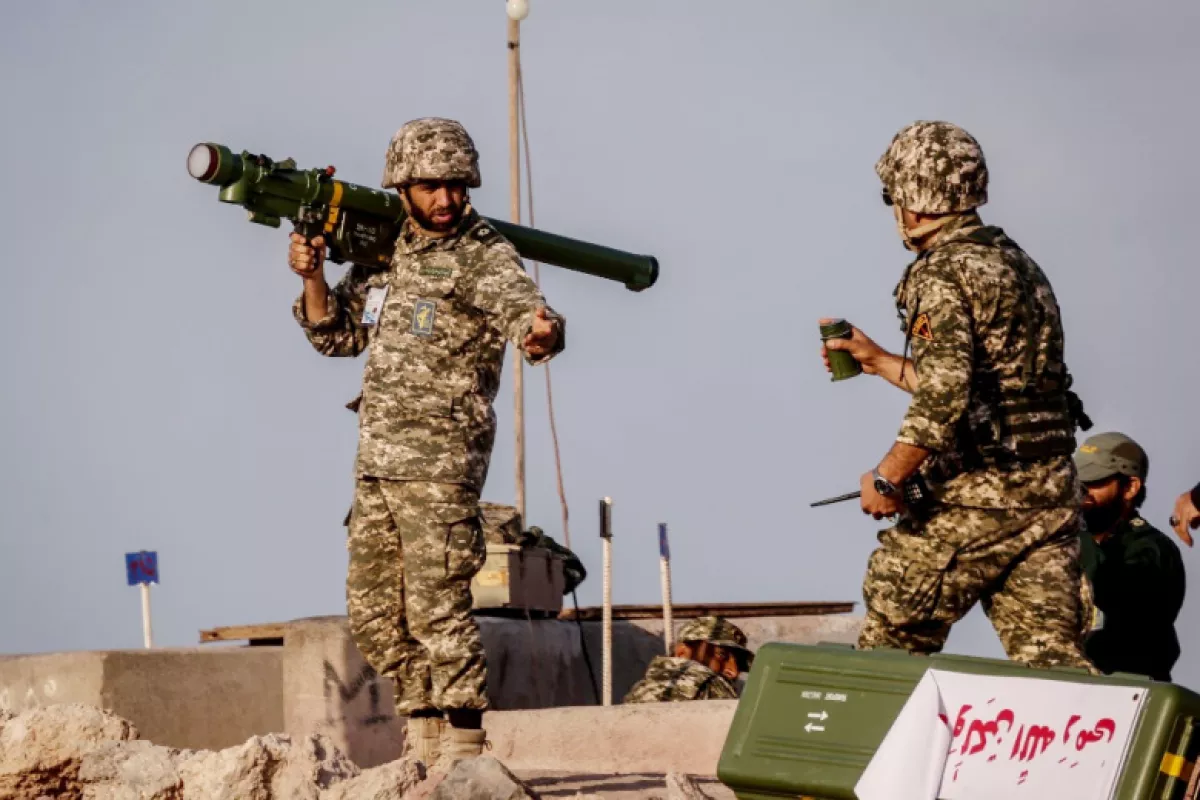
Tehran is shelling neighbouring countries with this exact goal — to create chaos in the global economy and pressure Arab rulers to influence the U.S. administration into halting a war.
But this strategy has a downside. Countries such as Azerbaijan, Saudi Arabia, Qatar, the UAE, Bahrain, and Oman have come under Iranian attacks. Iranian ballistic missiles and drones are striking airports, hotels, high-rise buildings, oil refineries, and high-tech facilities. These strikes aim to undermine the Gulf states’ economies, and there is no sign that they will stop anytime soon.
If the Gulf monarchies and others conclude that they cannot persuade Washington to halt the war, they may take another path — retaliating against the Islamic Republic with the backing of a U.S. air umbrella.
Here, Saudi Arabia occupies a special position. Not only does it possess some of the most modern and largest air forces in the Gulf, but it is also connected through a NATO-like defence alliance with Pakistan. Pakistan, which borders Iran, has already warned Tehran to stop its attacks on Saudi Arabia.
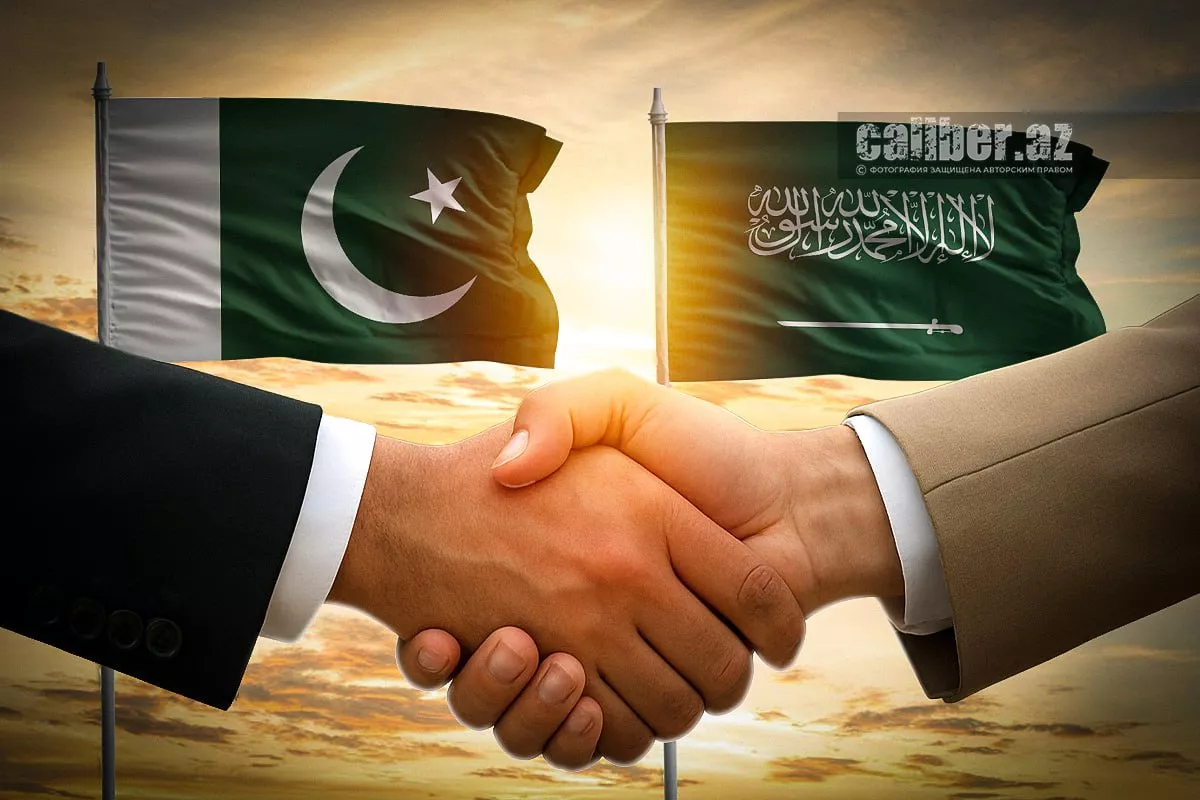
Pakistan has a population of around 250 million. Its army, even without mobilising reserves, numbers about 700,000 troops and roughly 240 combat aircraft. Moreover, it has been prepared for war with India — a country far more powerful militarily than Iran.
Right now, Pakistan is unlikely to act decisively. But if the attacks continue, it could become a test of the strength of its alliance with the Saudi kingdom. What if the Pakistan Armed Forces become the very “boots on the ground”?
The Iranian armed forces are limited in what they can achieve when the skies are completely dominated by a U.S.-Israeli coalition. Iranian military headquarters are being destroyed, their communications systems disrupted, and any convoy of equipment can be easily wiped out.
As Tehran continues its attacks on Saudi Arabia, the UAE, and other Gulf states, the risk of these countries entering the war against Iran only grows — and this applies to Pakistan as well.







 editor@caliber.az
 +994 55 444-88-98
 Азербайджан, Баку, ул. Низами, 203, Af Business House, 5-й этаж