










Calm in Minsk, growing unease in Vilnius Tsikhanouskaya, nationalism, and Lithuania’s dilemma
The first reports that former 2020 Belarusian presidential candidate Sviatlana Tsikhanouskaya was planning to move from Vilnius to Warsaw appeared late last year — after the government of the Republic of Lithuania downgraded the security level of her office on October 1.
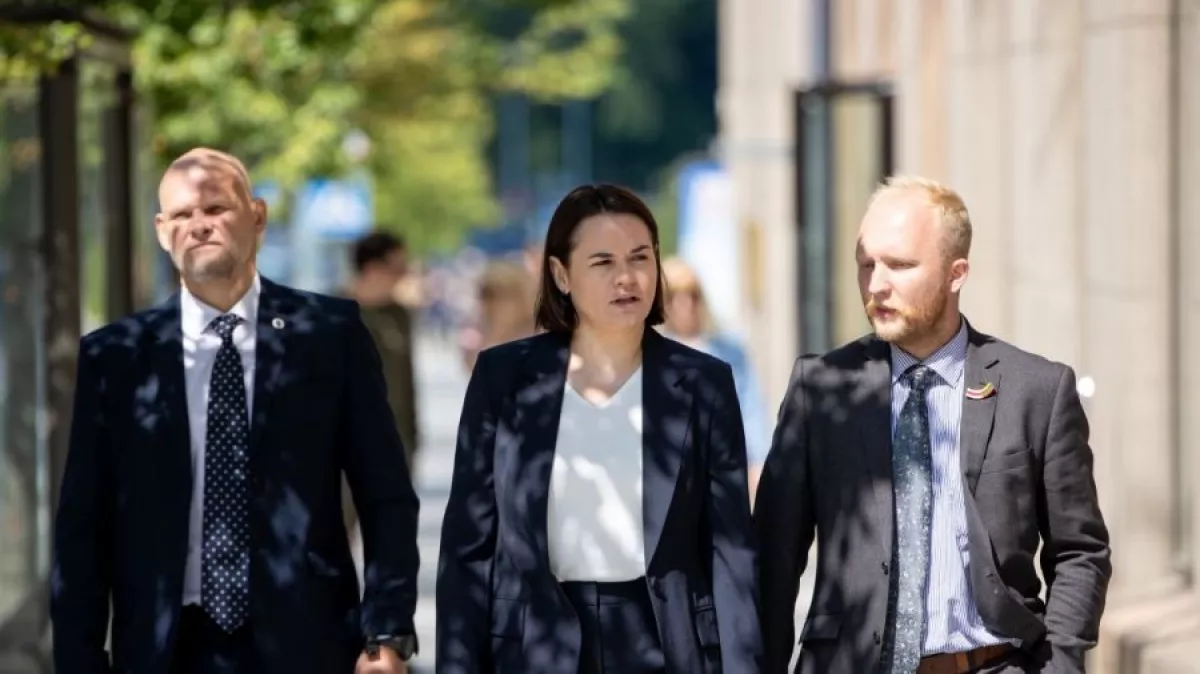
Previously, her security had been provided by the State Protection Service, but these functions were later transferred to the Criminal Police Bureau — on par with the protection of witnesses in criminal cases. As a result, Tsikhanouskaya’s office temporarily suspended operations, allegedly due to the lack of adequate security guarantees. At the same time, no real threats or incidents related to the office were recorded either during that period or before.
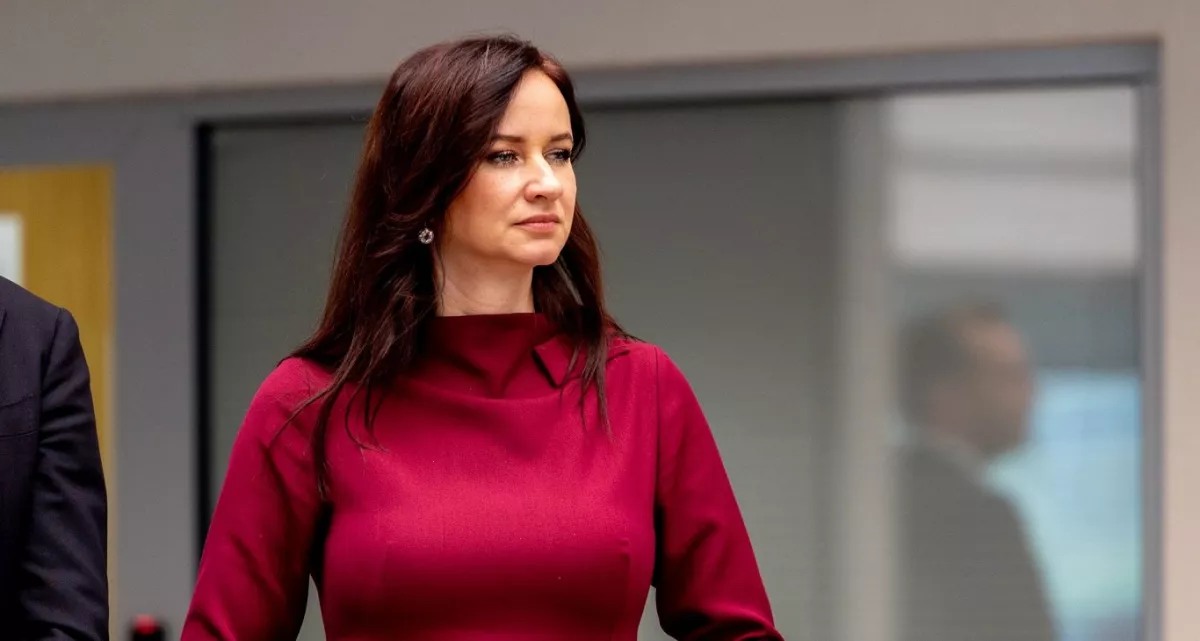
Tsikhanouskaya sent a letter to Prime Minister Inga Ruginienė but received no response. She also held a series of meetings with representatives of the Ministry of Foreign Affairs and the President’s office in Lithuania, but these did not yield any results.
For a long time, Tsikhanouskaya’s office neither confirmed nor denied information about a possible relocation. By February 2026, it became known that the “democratic leader,” together with her closest associates, was indeed moving to the Polish capital. The Vilnius office will continue to operate, but only in a supporting role. In Warsaw, the structure is expected to be located in the “Belarusian House” at Saska Kępa — in the building of the former residence of the Tunisian ambassador. Tsikhanouskaya also stated that in the future she intends to “permanently settle in Warsaw” with her husband, Sergei Tikhanovsky, and their children. Meanwhile, her Vilnius office had diplomatic accreditation, whereas in Warsaw she will hold only guest status.
Security worth a million
What prompted this reshuffle? Tsikhanouskaya’s office mainly cites technical issues related to security provision. According to them, recently the protection was reduced to simply giving the “leader” a police phone to call “if anything happens.” Physical security, they claim, was not provided due to a shortage of personnel.
At the same time, Tsikhanouskaya avoids giving detailed explanations for the change in attitude toward her by the Lithuanian authorities. “She does not go into details and evades questions about the reasons for the Vilnius authorities’ decision,” reports Rzeczpospolita, whose journalist interviewed her regarding the relocation to Poland.
Why did this happen? Lithuanian authorities explain that the decision to reduce her security level was made after assessing the actual threat situation. In addition, providing presidential-level protection to a foreign opposition figure, according to them, contradicts the Lithuanian Constitution.
Among the explanations circulating in opposition circles are more down-to-earth theories. Some suggest that the Lithuanian government simply ran out of funds. As reported by LRT in early October 2025, Lithuania spends around €1 million annually on the 24-hour security of the Belarusian opposition leader, including transport and accommodation. Could cost-cutting have played a role in the decision? This is especially plausible given Lithuania’s spending on rearmament and preparations for a potential military scenario involving Russia and Belarus. Another possibility is that the government’s willingness to invest resources in the Belarusian opposition—which has so far shown very limited effectiveness—may simply have been exhausted.
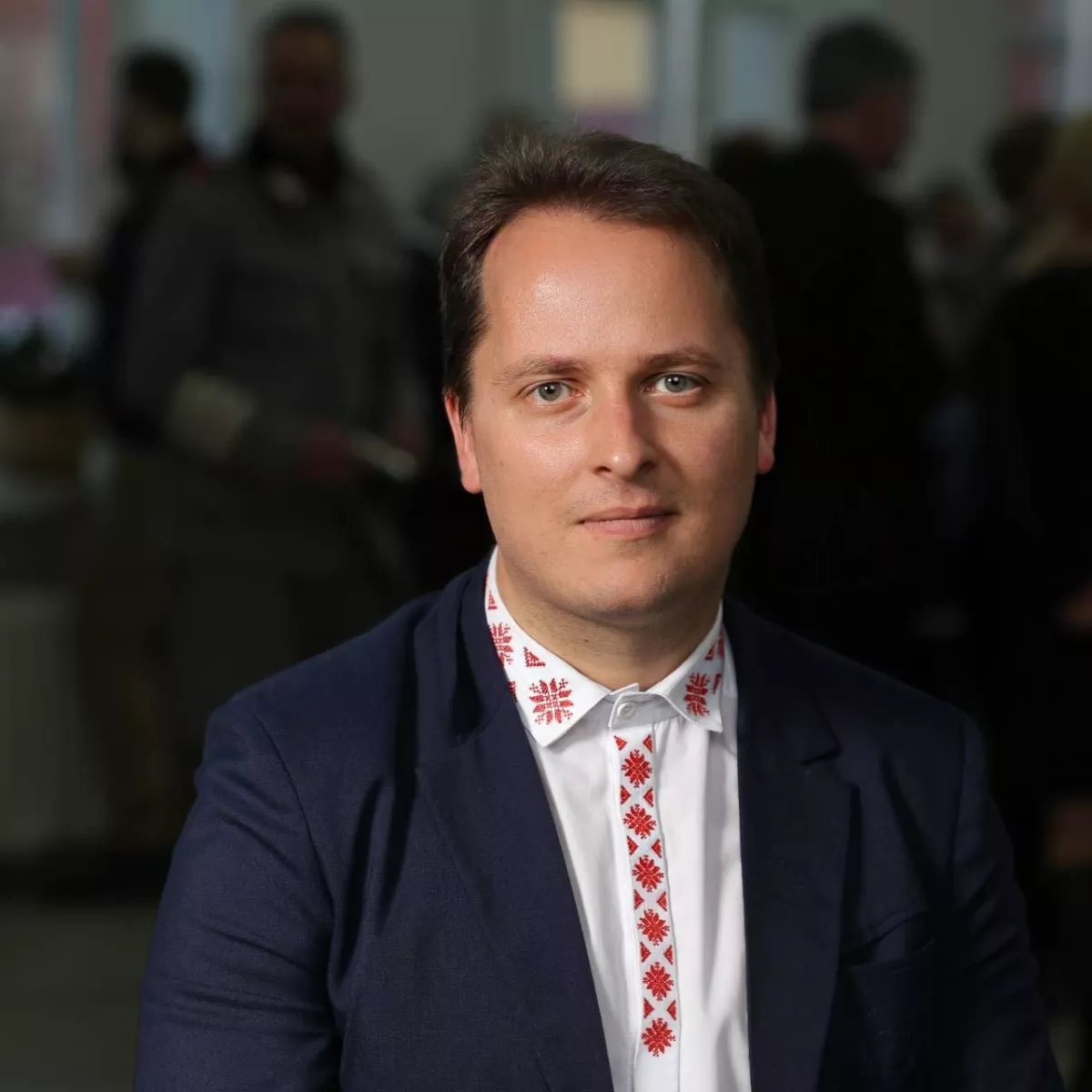
Tsikhanouskaya’s political influence — along with that of her team — continues to shrink, literally “like a shagreen leather.” She has long lacked support inside Belarus. At the same time, she, or rather her “grey cardinal” Franak Viačorka, still attract the attention of Western leaders and foundations. However, even in this sphere, they now face serious competitors.
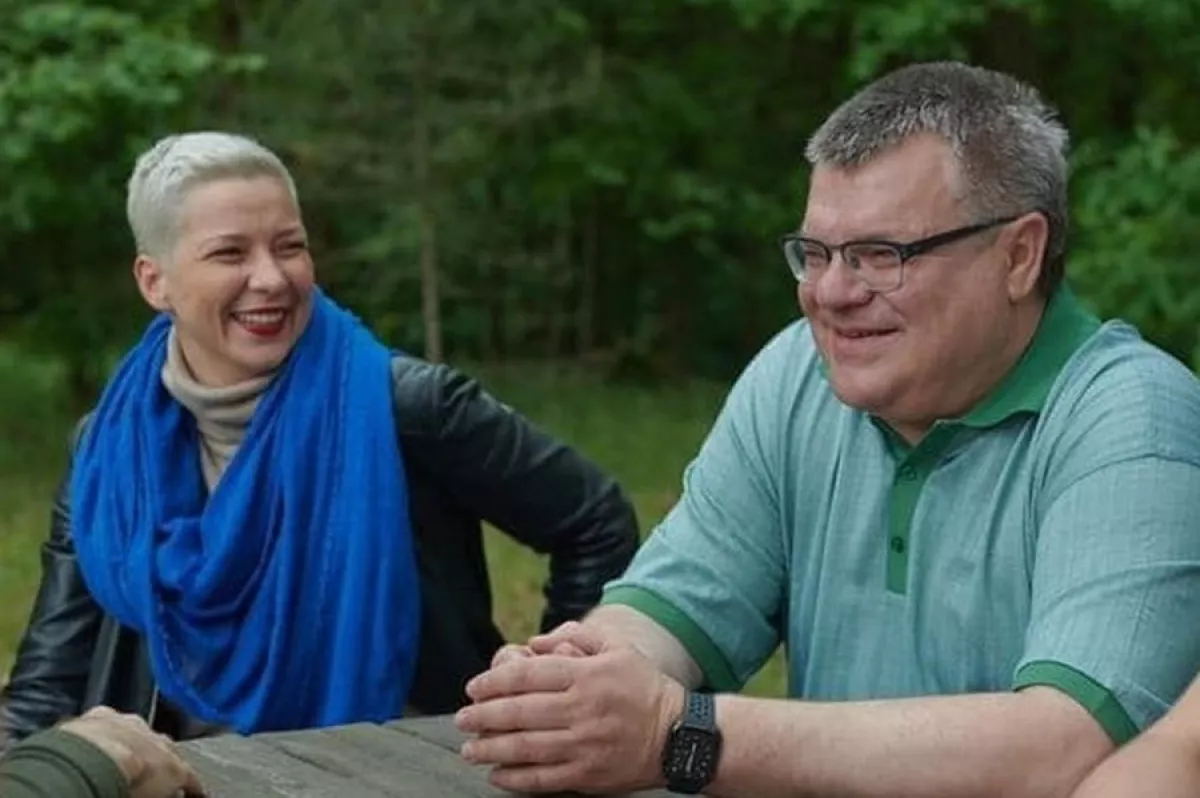
The reference is to Maria Kolesnikova, recently pardoned by the President of Belarus, who has in recent months been actively promoting proposals to lift sanctions and establish dialogue between the EU and Minsk. Behind Kolesnikova stands another former presidential candidate — also recently released — former banker Viktor Babaryka, as well as circles of German and broader European business and NGOs interested in returning to the Belarusian market. Her initiatives may also align with the expectations of certain Belarusian business groups seeking rapprochement with the West.
An additional factor has been the intensification of negotiations between Minsk and the administration of US President Donald Trump. As a result of these contacts, a group of individuals convicted over the events of 2020 was released, and some sanctions were partially eased. Belarus received an invitation and officially became one of the founding members of the Board of Peace established by Trump.
In this context, some observers suggest that the Lithuanian government may be seeking to move Tsikhanouskaya out of Vilnius so that her presence does not complicate a potential normalisation of relations with Minsk. Some more radical representatives of the Belarusian opposition have already accused the Lithuanian authorities of intending to “strike a deal with Lukashenko.” However, this version sits uneasily with Lithuania’s recent unfriendly steps, including the closure of border crossings with Belarus.
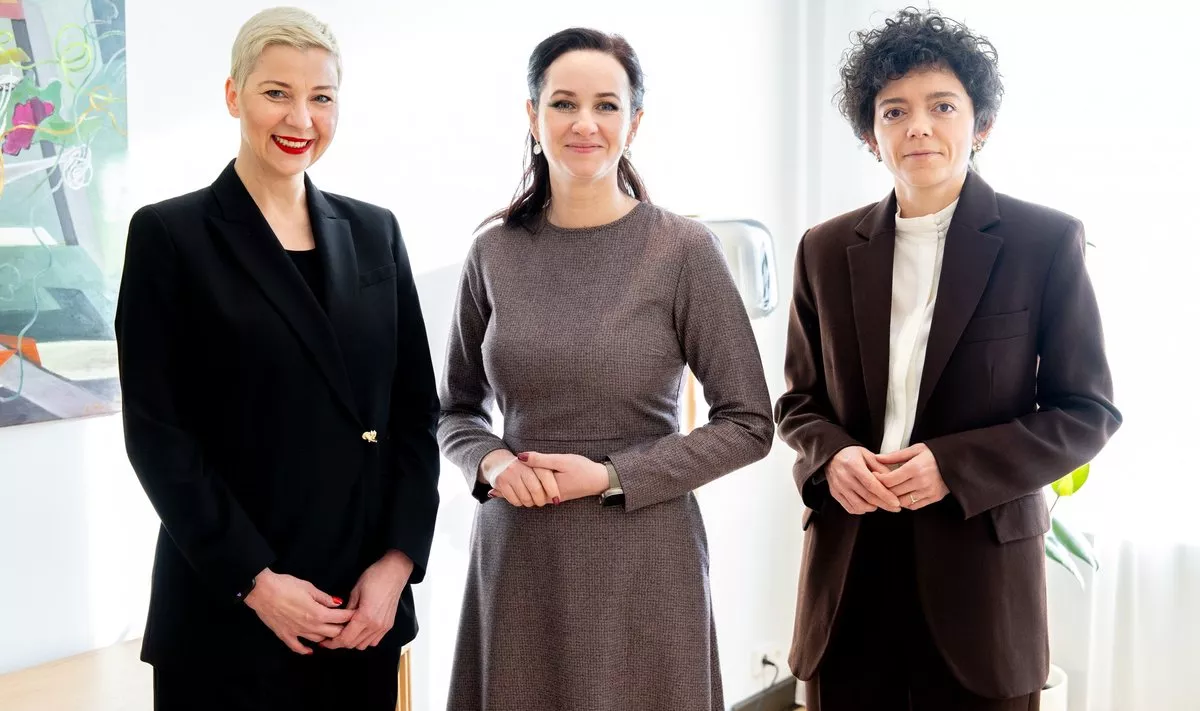
It is telling that, while failing to respond to Tsikhanouskaya’s letters, Lithuanian Prime Minister Inga Ruginienė held a meeting with Maria Kolesnikova on February 3. During the discussion, the pardoned opposition figure urged support for Trump’s policy toward Belarus and called for the restoration of railway links between Vilnius and Minsk.
Tsikhanouskaya’s office, by contrast, continues to insist on maintaining sanctions and increasing pressure on Minsk. Another opposition figure, former Culture Minister Pavel Latushko, has taken an equally hard line:“We ask our European partners not to talk to Lukashenko without us and not to make decisions concerning Belarus without our participation. Nothing about us without us. This would not only be a major betrayal, but also a pointless act…”
In effect, these statements contain veiled criticism of Trump’s policy: his special envoy, John Coale, is conducting negotiations with Alexander Lukashenko without the participation of the Belarusian opposition or EU representatives.
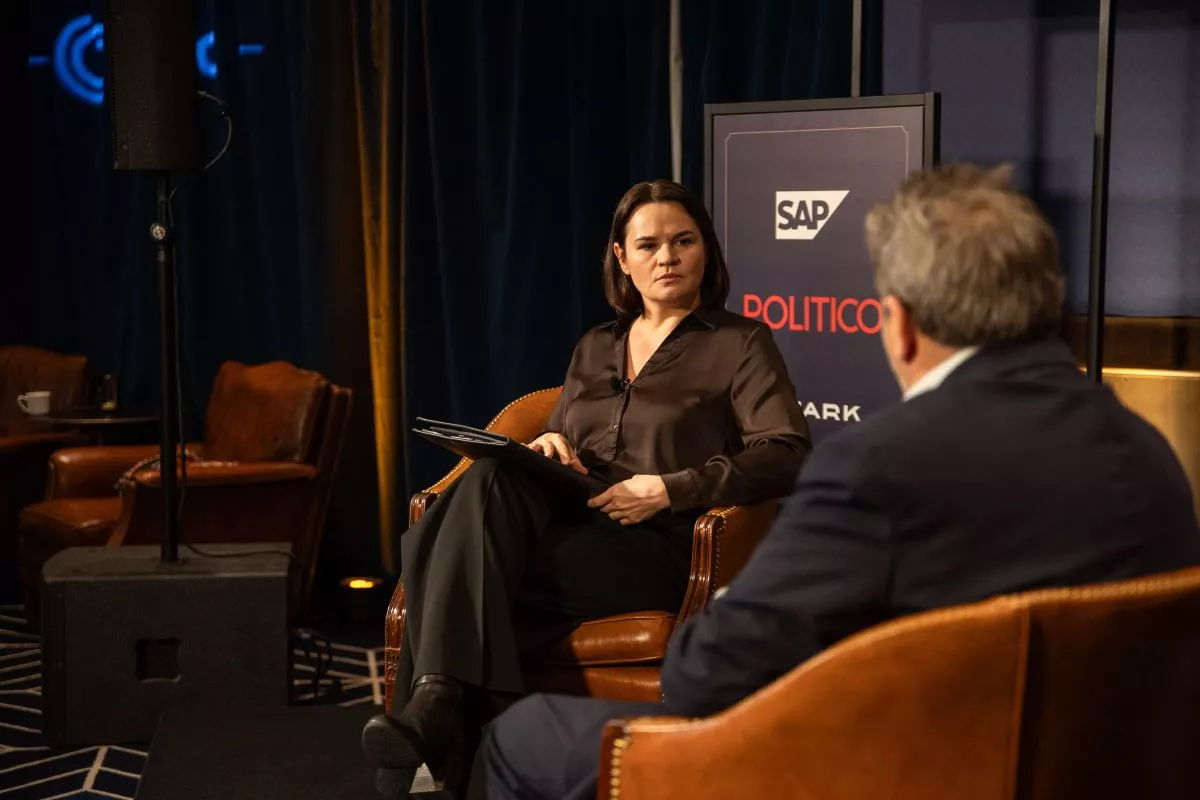
On the sidelines of the Munich Security Conference, Tsikhanouskaya gave an interview to Politico, stating that Trump “should not be obstructed” and acknowledging his Belarus policy as effective. At the same time, she stressed: “We ask Europe not to copy President Trump’s policy.” In her logic, Trump plays the role of the “good cop” for Belarus, while the EU should remain the “bad cop” — although previously the distribution of roles had been interpreted differently. At the same time, her position effectively diverges from Trump’s course: she demands the release of political prisoners without lifting sanctions and without ending isolation measures.
The day before, a meeting took place in Berlin between Tsikhanouskaya and her advisers and Maria Kolesnikova and Viktor Babaryka. The sides were likely attempting to formulate a common line — or at least clarify the differences between the two centres of gravity within the Belarusian opposition.
“Litvins” against Lithuania
The most probable reason for the shift in attitude toward the “exiled” Belarusians appears to be tensions triggered by the rise of Belarusian nationalism in Lithuania. And this concerns not only individual radicals or marginal groups.
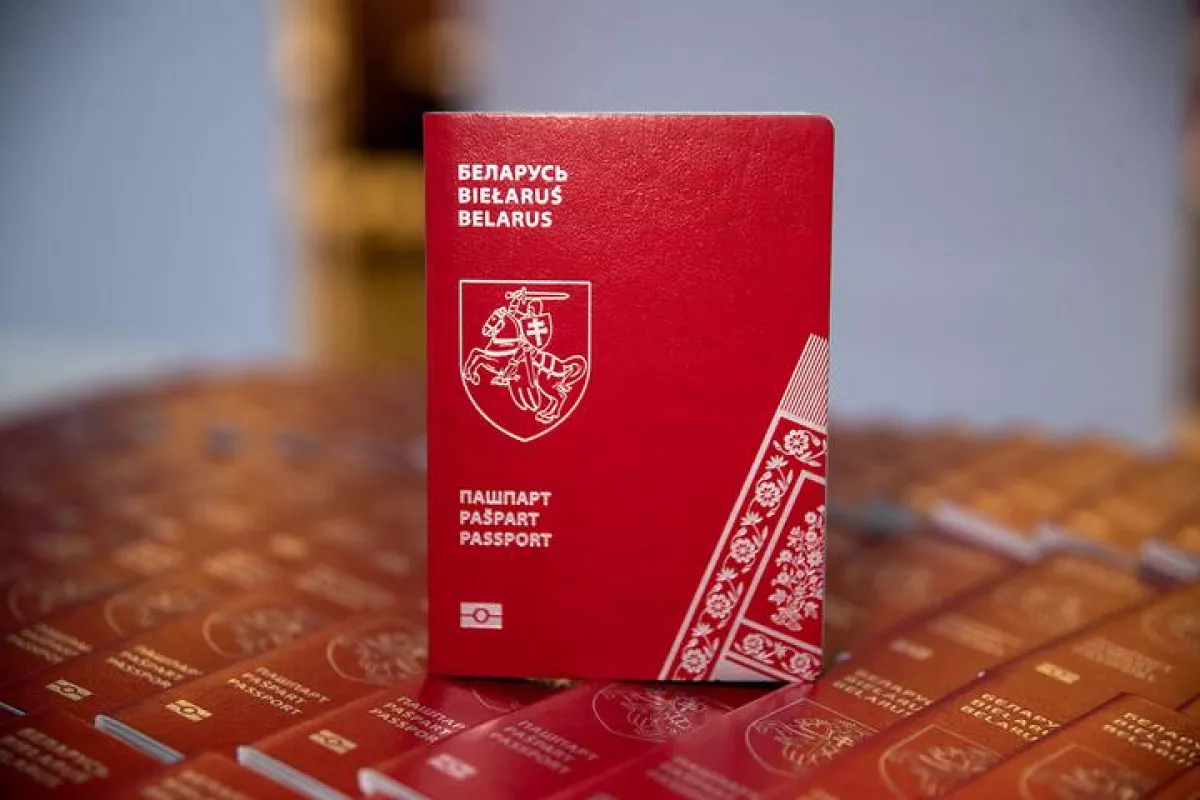
In 2025, Tsikhanouskaya’s office initiated the issuance of the so-called “New Belarus” passports. The campaign was largely symbolic and PR-driven, as no country in the world recognises these documents. However, what drew particular attention in Lithuania was something else: the passports featured the coat of arms of the Grand Duchy of Lithuania — an armed horseman. In Belarus, the symbol is known as the “Pahonia”; in Lithuania, as the “Vytis.” Today, it is the state emblem of the Republic of Lithuania; in Belarus, it served as the national coat of arms from 1991 to 1995. The renewed use of this symbol once again caused irritation in Lithuania, where it is perceived as part of the country’s own national identity.
Yet the issue goes beyond heraldic disputes. Radical representatives of Belarusian nationalism lay claim not only to historical heritage but also to interpretations of territorial questions. In addition, Lithuanian authorities face objective strain due to the presence of a sizeable Belarusian diaspora in a relatively small country.
Against this backdrop, Tsikhanouskaya stated in an interview with The Times that Minsk and Moscow were behind the “sudden revival of a little-known historical conspiracy theory… that the medieval Lithuanian empire was in fact Slavic.” She was referring to the concept of so-called “litvinism,” according to which the Grand Duchy of Lithuania — encompassing the territories of present-day Lithuania, Belarus and Ukraine — was allegedly an exclusively “Belarusian state.”
However, this theory is promoted not by the official structures of the Republic of Belarus, but by representatives of the Belarusian nationalist opposition.
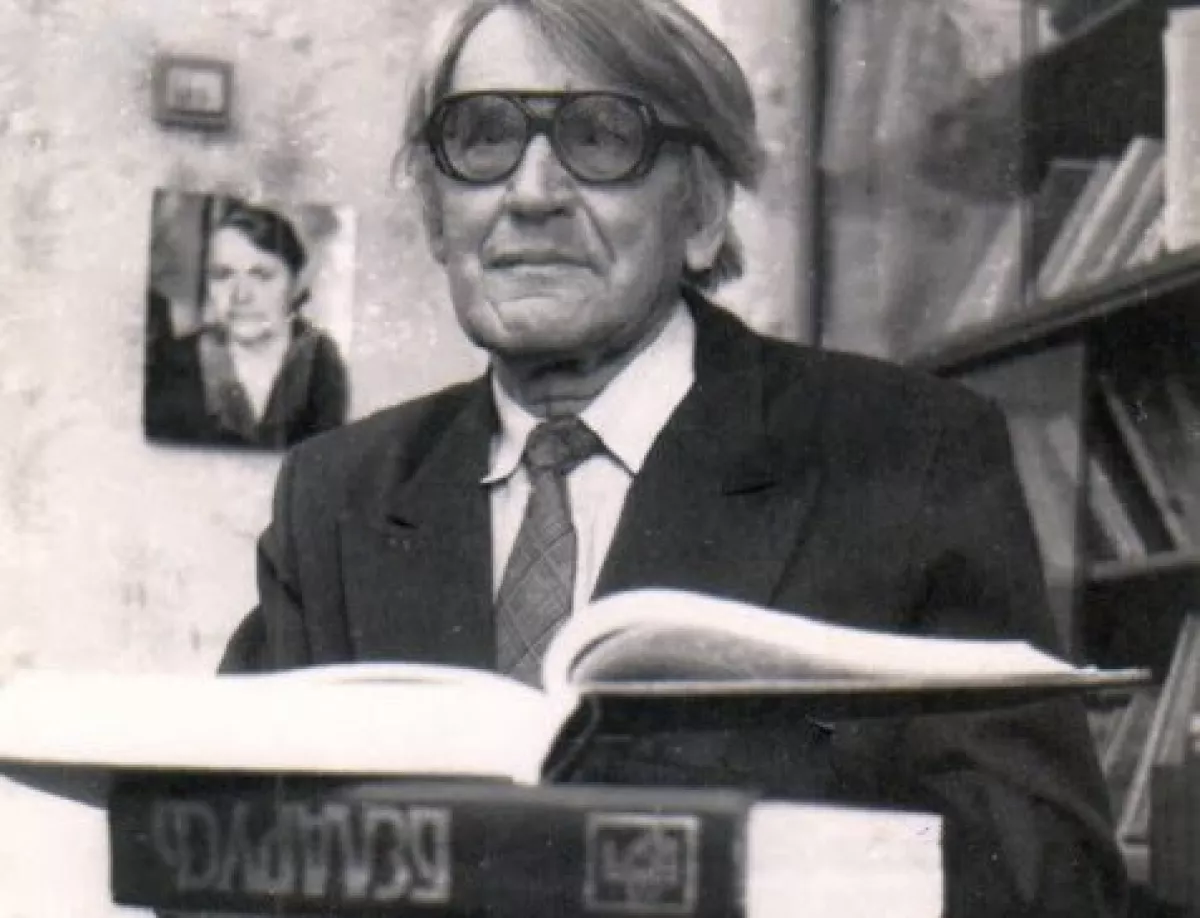
At the origins of litvinism stood Mikola (Nikolai) Yermalovich, one of the founders of the nationalist Belarusian Popular Front (BNF). The first congress of the BNF took place in Vilnius in 1989. Yermalovich advanced the thesis that modern Lithuanians were allegedly not the “true Lithuanians,” but rather Samogitians and Aukštaitians (“Lietuviai”), while the “genuine Litvins” were supposedly Belarusians — claimed to have been the state-forming people of the Grand Duchy of Lithuania (GDL).
Within this framework, it was argued that Vilnius was in fact “Belarusian Vilnia,” that the ancestors of today’s Belarusians had allegedly conquered the territory of present-day Lithuania — rather than the other way around — and other controversial historical interpretations were put forward.
Such radical ideas of litvinism are not supported by official Belarusian historiography. In the state interpretation, the Grand Duchy of Lithuania is viewed as a Lithuanian-Belarusian polity: while Old Belarusian was indeed used in official record-keeping, the duchy’s legacy is recognised as shared by both nations. Official Minsk has also never advanced territorial claims against Lithuania.
In 2024, the Lithuanian State Security Department noted in its National Threat Assessment report: “Public statements by followers of litvinism, a radical branch of Belarusian chauvinism, are being disseminated in Lithuania’s information space. These individuals deny the Baltic origin of the rulers of the Grand Duchy of Lithuania and question the belonging of the Vilnius region to the Republic of Lithuania. Some followers of litvinism residing in Lithuania actively promote their ideological views on social media. A broader spread of these views among the Belarusian diaspora in Lithuania would harm their integration into Lithuanian society and contribute to rising ethnic tensions…”
The issue of litvinism has also been discussed in the Seimas of Lithuania. At the same time, within Lithuanian political discourse, suggestions have been voiced about a possible Polish factor in the spread of this concept.
Andrei Kazakevich, a lecturer at Vytautas Magnus University residing in Lithuania, was accused of promoting litvinism on his YouTube channel. He has been sentenced in absentia in Belarus in connection with the Tsikhanouskaya case. Employees of the Belarusian opposition outlet Belsat — linked to Polish state structures — have also faced similar accusations.
According to some estimates, around 60,000 Belarusians reside in Vilnius. Organisations of a Belarusian nationalist orientation also operate in Lithuania, including those united under a structure known as “Pospolite Ruszenie.”
At the same time, the ideas of litvinism face opposition from Lithuanian right-wing radical movements. Specialised “anti-litvin” resources exist on social media. The decision to downgrade the security of Tsikhanouskaya’s office was preceded by a campaign organised by local nationalists. In August 2025, a protest took place in Vilnius outside the Lithuanian Ministry of Foreign Affairs, demanding the revocation of the “privileges granted to the Tsikhanousky family,” under the slogan “Leave, Tsikhanouskaya!” The organiser of the rally was Vytautas Sinica, a member of the Seimas from the ultra-right National Alliance party.
Among the grievances raised against Tsikhanouskaya was her failure to provide an unequivocal assessment of the ideology of litvinism. Lithuanian media also reported that some Belarusians residing in Vilnius expressed dissatisfaction that their position was not being reflected or acknowledged by Tsikhanouskaya’s office.







 editor@caliber.az
 +994 55 444-88-98
 Азербайджан, Баку, ул. Низами, 203, Af Business House, 5-й этаж