










Pyongyang’s nuclear joker A bet on deterrence and blackmail
The confrontation between Washington and Tehran over Iran’s nuclear programme, which continuously raises tensions in the Middle East, appears to be serving as a powerful trigger for the expansion of the global nuclear race — including in East Asia.
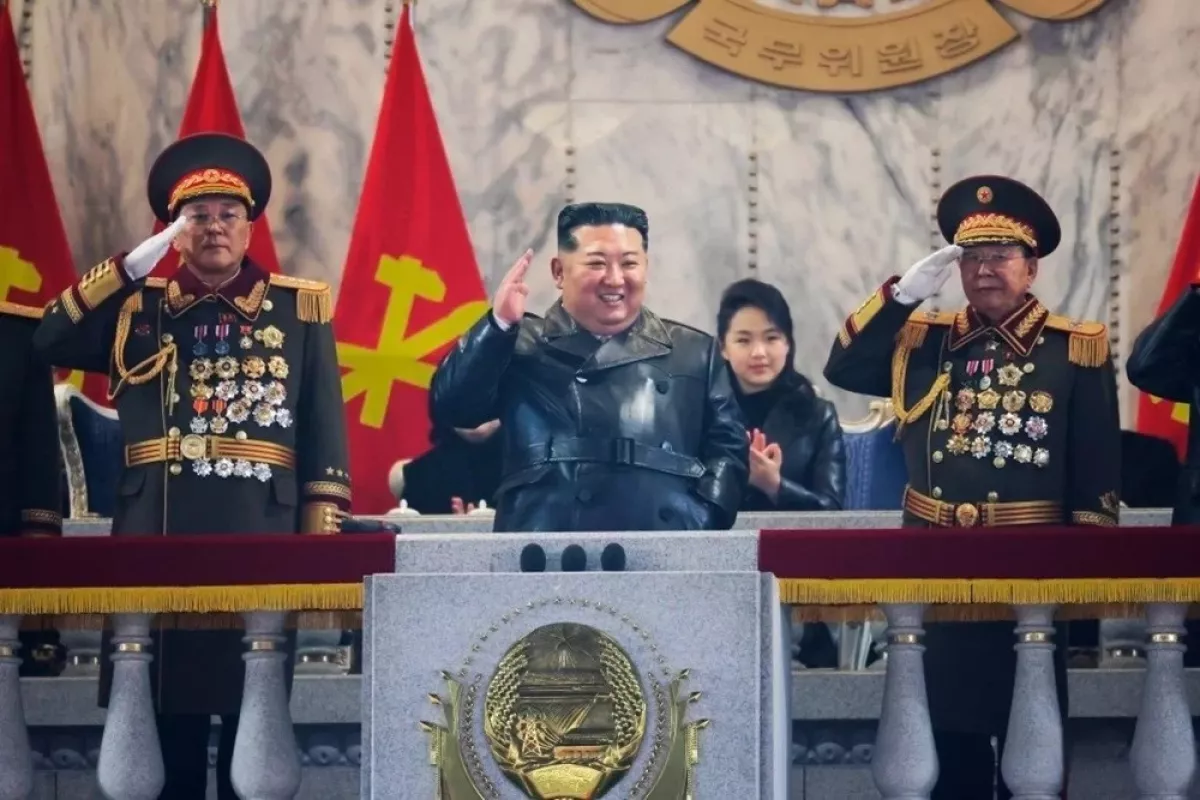
At the very least, this is suggested by the plans of North Korean leader Kim Jong Un to further expand the country’s nuclear capabilities, which he announced during a military parade held after the Ninth Congress of the Workers’ Party. According to Reuters, citing statements by the head of the DPRK, the country intends to develop more powerful intercontinental ballistic missiles as well as strike systems incorporating artificial intelligence and unmanned aerial vehicles.
“It is our party's firm will to further expand and strengthen our national nuclear power, and thoroughly exercise our status as a nuclear state. We will focus on projects to increase the number of nuclear weapons and expand nuclear operational means,” Kim Jong Un said, while also declaring readiness for both peaceful coexistence and eternal confrontation.
It can be assumed that the North Korean leader’s remarks were addressed to the country’s two key adversaries — the United States of America and South Korea.
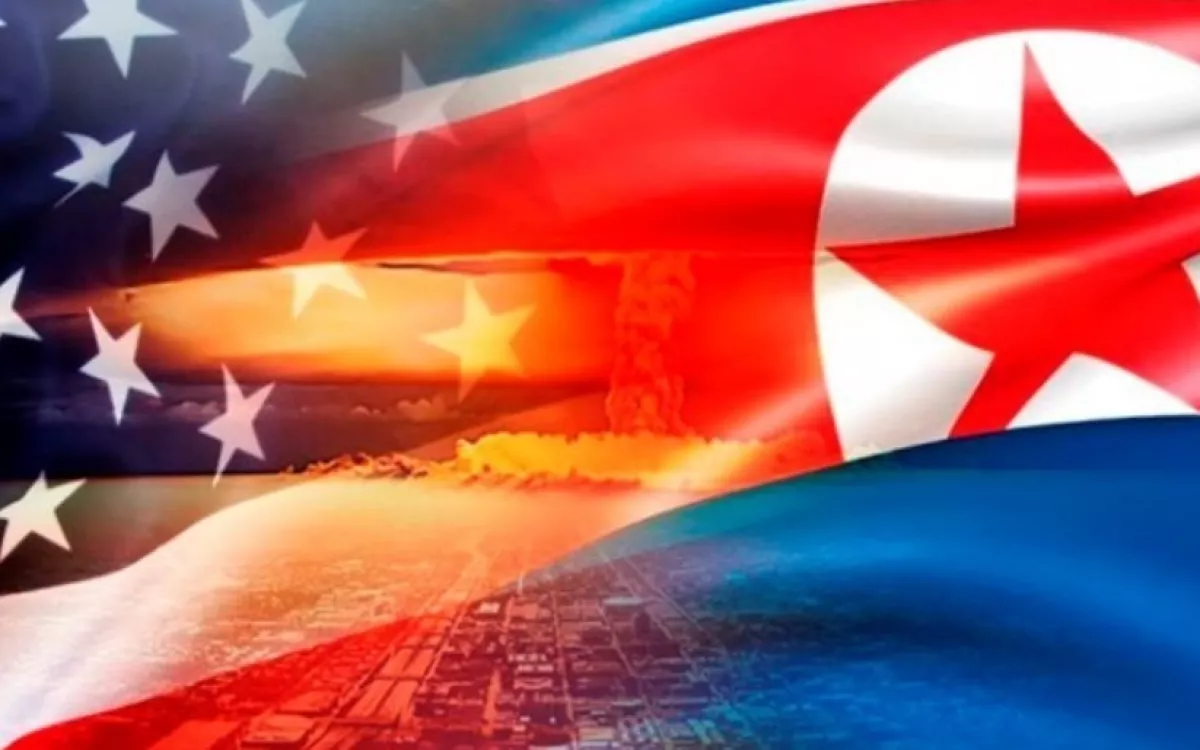
“Pyongyang could normalise relations with Washington if the United States officially recognises the DPRK as a nuclear power and abandons its hostile policy, respecting our country’s current status,” the North Korean leader noted, effectively shifting responsibility for bilateral relations onto Washington. At the same time, he stressed that “if the United States does not free itself from its old habitual approach toward us and ultimately adopts a confrontational stance, then we will consistently provide proportionate responses. We have sufficient means and methods to do so.”
Following such bold rhetoric directed at the United States, even harsher and more uncompromising statements were made toward Seoul. Describing South Korea as the “most hostile enemy,” Kim Jong Un ruled out the possibility of negotiations.
“Pyongyang may take action if Seoul behaves disgracefully,” he said, adding that in such a case “the complete collapse of South Korea cannot be ruled out.”
According to the North Korean authorities, this militant position is neither groundless nor unjustified. For Pyongyang, a red line is the fact that the United States is actively expanding its alliance ties with South Korea.
Another factor causing concern in Pyongyang is the strengthening of military cooperation along the US–Japan track: back in July 2024, defence ministers and senior officials from the two countries agreed during a meeting in Tokyo to establish a new joint forces headquarters in Japan under US command.
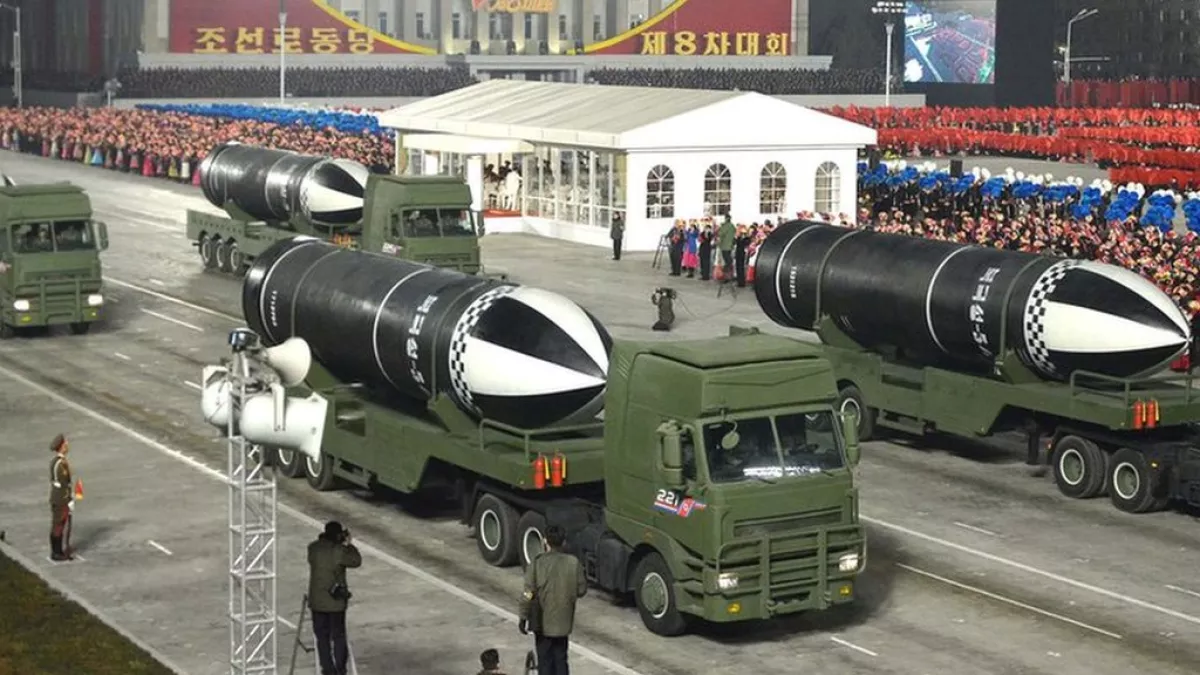
Thus, the expansion of the DPRK’s nuclear potential is far from a spontaneous process; rather, it represents a long-term strategy of the current regime aimed at enhancing the country’s political weight on the international stage. In other words, for the North Korean authorities, the nuclear arsenal serves as a kind of insurance policy — especially amid the ongoing transformation of the global order.
Within this logic, Pyongyang views the nuclear arms race as protection against the United States in order to avoid repeating the Iraqi, Libyan, or Venezuelan scenarios, while also using it as a joker in its confrontation with South Korea and Japan. In this sense, it can be argued that Pyongyang is acting in accordance with the classical model of nuclear deterrence. That is the first point.
On the other hand, the DPRK regards its nuclear arsenal as an instrument of blackmail and diplomatic pressure — a tool that can, if necessary, compel negotiations or sanctions relief. Possession of nuclear weapons grants North Korea the status of a self-assured global actor whose position must be taken into account by all countries, including the powers that belong to the so-called “nuclear club.”
The third aspect is that, beyond countering external threats, the existence of nuclear weapons also strengthens the position of the North Korean leadership domestically. It reinforces the cult of a strong and indispensable leader and plays a significant role in Pyongyang’s rivalry with China amid shifts in the global security architecture.
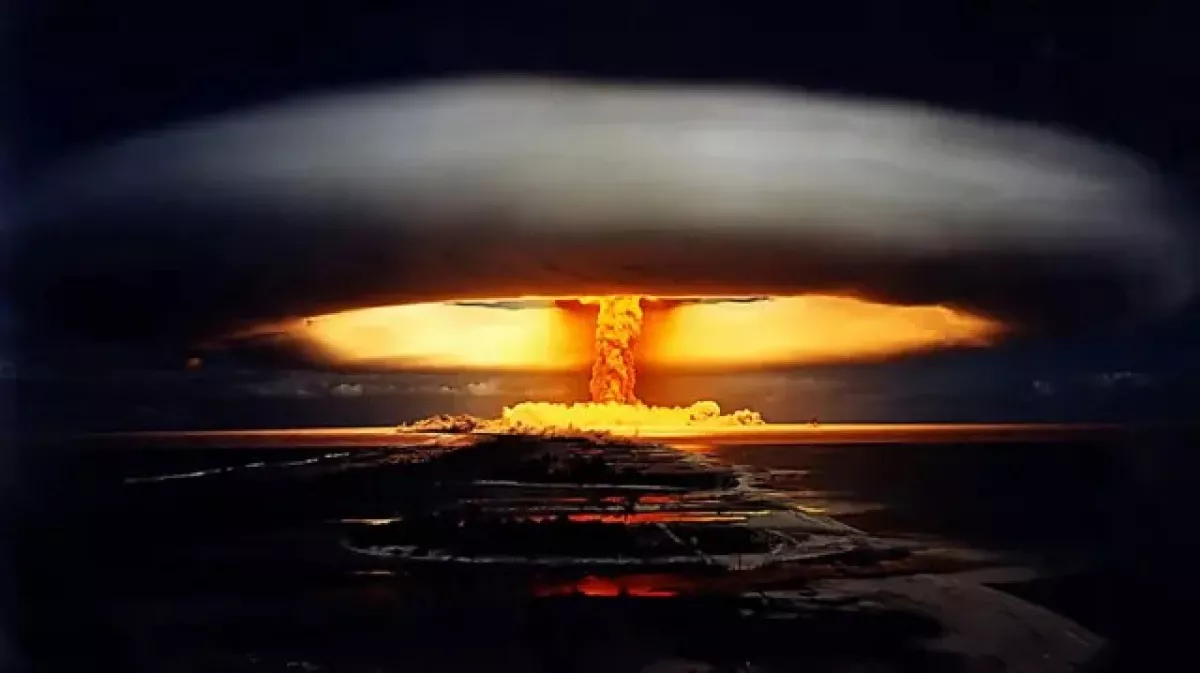
Unfortunately, in today’s era of geopolitical turbulence, North Korea is not the only country seeking to strengthen its nuclear capabilities. This is underscored by the forecast presented in the 56th annual report of the Stockholm International Peace Research Institute (SIPRI) for 2025, which states that all nine nuclear-armed states are now involved in a new nuclear arms race.
Such an alarming signal must by no means be ignored, as it confirms the high probability that humanity is effectively balancing on the brink of a monstrous catastrophe known as “nuclear war.” After all, no one can give a definitive answer to the question of whether the leadership of the established nuclear powers will have the political will and restraint not to press the button at a moment of acute crisis.







 editor@caliber.az
 +994 55 444-88-98
 Азербайджан, Баку, ул. Низами, 203, Af Business House, 5-й этаж