










Donald Trump and the fourth estate: a transformation of relations Analysis by Artem Kirpichenok
U.S. President Donald Trump is among the politicians who understand that skilful use of media influence can bring success both in business and in politics. The interviews he gave to newspapers, magazines, and television outlets, along with his effective use of the press in disputes with local authorities, helped shape his reputation as a businessman capable of achieving his goals.
The image of a “successful dealmaker,” which Trump cultivated for 13 years on the NBC programme The Apprentice, played a significant role in paving his way into politics and ultimately opening the road to the presidency.
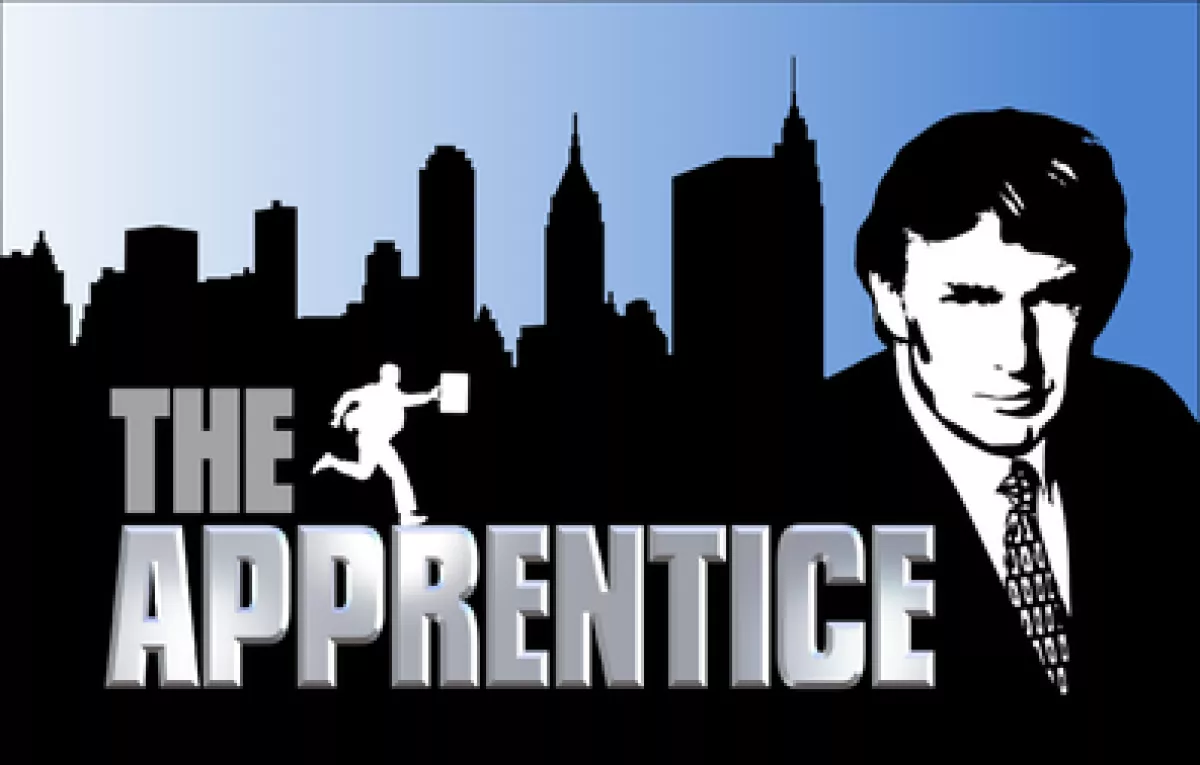
Through The Apprentice—which became a landmark in American television—Donald Trump effectively “reinvented” himself as a figure unafraid to display wealth, power, and privilege.
This image of a triumphant master of his own destiny resonated with millions of viewers. The media experience he accumulated was later deployed at campaign rallies and woven into the rhetoric of his presidential bids. In this sense, his ascent began long before his formal entry into politics.
Yet, once he assumed the presidency, Trump—ironically—found himself in open conflict with the very media environment that had once contributed to his public success.
For an extended period, the White House became an arena of confrontation between the president and the “fourth estate,” which he had regarded as a tool but which increasingly turned into a weapon in the hands of his opponents.
During his first presidential term, the White House was at the centre of constant media-driven controversies. Allegations labelled as “fake news”—including claims of espionage on behalf of Russia—became a recurring feature of the information landscape, particularly among outlets previously considered authoritative and respectable.
Journalists often employed language in reference to Trump that would have been unlikely to be used toward previous presidents, leading to open and sometimes bitter clashes between the administration and the press.
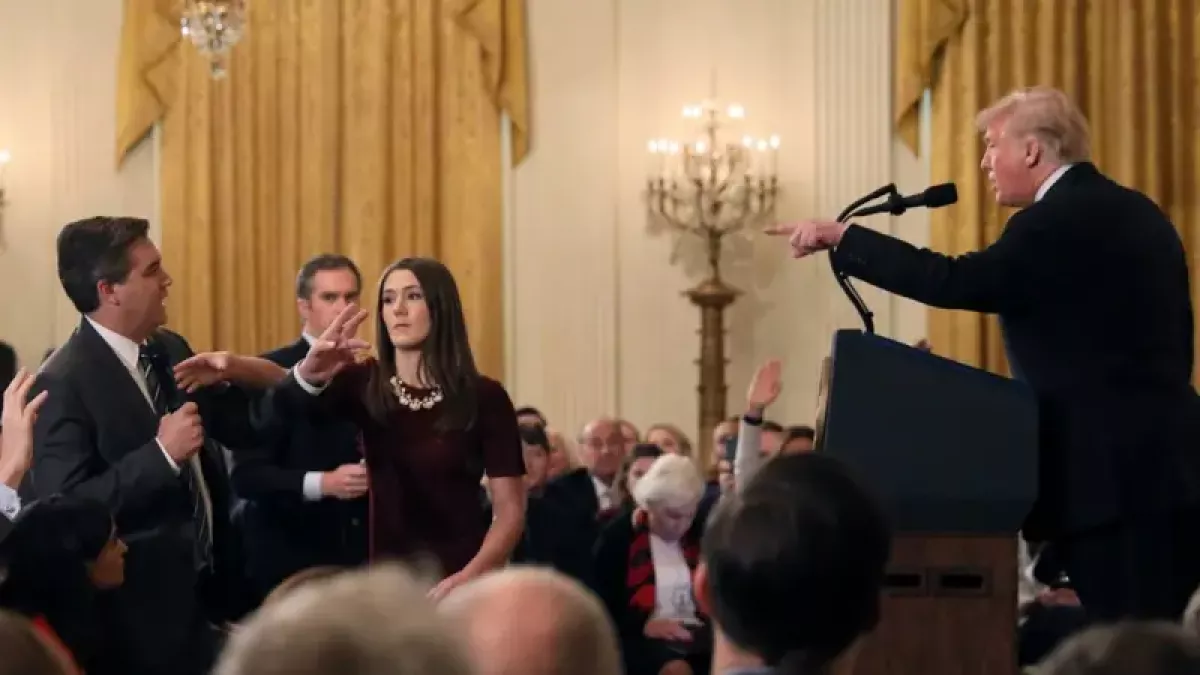
In 2018, for example, a public clash erupted during a press conference between Donald Trump and Jim Acosta of CNN. Trump described the reporter as a “rude and terrible person,” adding that CNN “should be ashamed of itself having you working for them.” Acosta’s White House press credentials were subsequently revoked—though later reinstated by court order—and the presidential press office introduced new rules governing interactions with journalists.
Despite the fact that, following Trump’s return to the White House, a significant portion of the American establishment appeared to have come to terms with his political course, the confrontation between the administration and several media outlets traditionally associated with the Democratic Party continued and took on a more systemic character. A wide range of financial, political, legal, and administrative instruments available to the executive branch were employed, contributing to a weakening of opposition-leaning media structures.
In particular, a “Fake News” section was created on the official White House website, publishing rebuttals of information the administration deemed inaccurate. In addition, the Trump administration initiated efforts to reduce federal funding for public broadcasters National Public Radio (NPR) and Public Broadcasting Service (PBS). The proposed cuts amounted to $1.1 billion over the following two years. The reduction in government funding led to the closure of several programmes and significant staff reductions in regional PBS and NPR divisions.
Amid a broader reassessment of funding for international broadcasting, staff cuts also took place within Voice of America. As a result of the reductions, hundreds of employees were dismissed, significantly decreasing the volume of programming.
A new instrument of pressure employed by Donald Trump was not limited to financial constraints but extended to major defamation lawsuits seeking substantial damages.
CBS News faced the threat of a $10 billion lawsuit over a single interview and subsequently agreed to a $16 million settlement. Trump also filed a $5 billion lawsuit against the British broadcaster BBC, alleging that it had distorted coverage of his speech on January 6, 2021. Another $10 billion lawsuit was filed against the publisher Dow Jones & Company and its owner, Rupert Murdoch.
The White House also intensified what observers described as “accreditation pressure”: access for several unfriendly media outlets to federal institutions and to the Pentagon was significantly restricted.
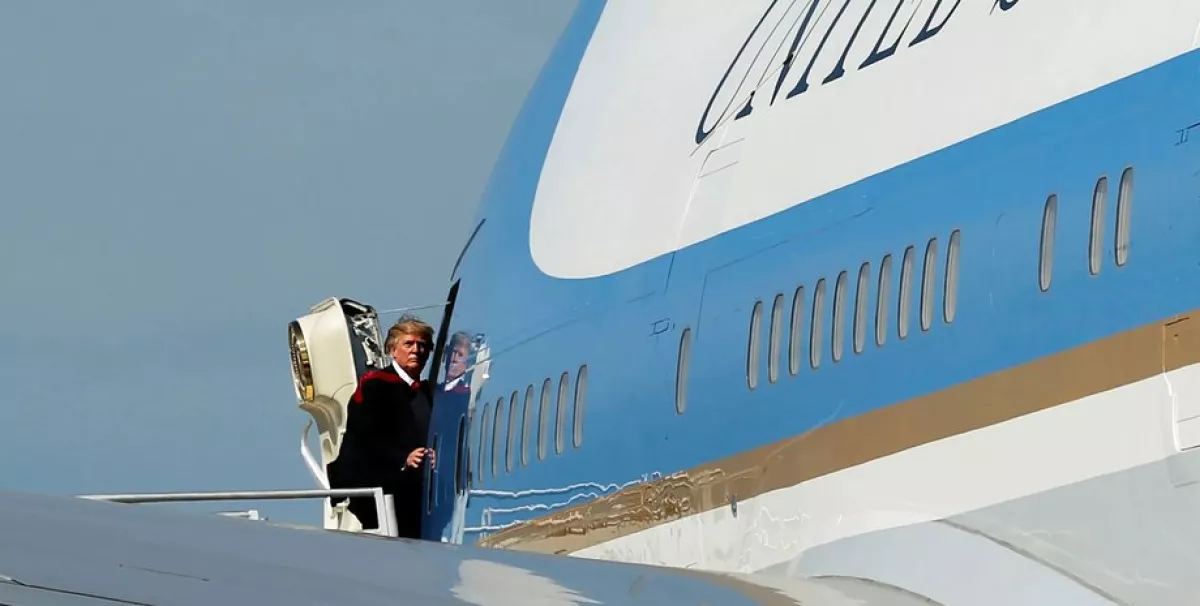
The Associated Press (AP) was removed from the White House press pool and from the list of media outlets granted access to the presidential aircraft, Air Force One. The Department of Defense introduced new rules requiring journalists to obtain approval from designated officials before publishing information—even when it was not classified.
Several major outlets traditionally associated with the Democratic Party — The New York Times, AP, The Washington Post, CNN, The Guardian, and Reuters — refused to sign the new regulations and vacated their offices within the Pentagon. They were replaced by media organisations considered more loyal to the administration.
At the same time, digital media networks began to play an increasingly prominent role, as their influence in the United States continued to grow. By various estimates, around 38% of Americans now receive news primarily through social media and digital platforms rather than traditional outlets. Pro-Trump networks aligned with the MAGA (Make America Great Again) movement on platforms such as Telegram, Rumble, and X command millions of subscribers.
Critics argue that the success of right-leaning media outlets supportive of Trump — such as Breitbart News, One America News Network (OANN), and Newsmax — stems in part from simplified news presentation and emotionally charged content that fosters a strong sense of audience engagement.
One of the most striking episodes in the confrontation between Donald Trump and the media involved a shift in the editorial policy of The Washington Post, one of the oldest and most influential newspapers in the United States. It was this publication that played a decisive role in uncovering the Richard Nixon administration’s involvement in the Watergate scandal, which ultimately led to Nixon’s resignation. Traditionally, the newspaper had maintained a liberal editorial stance and had been sharply critical of Trump’s policies.
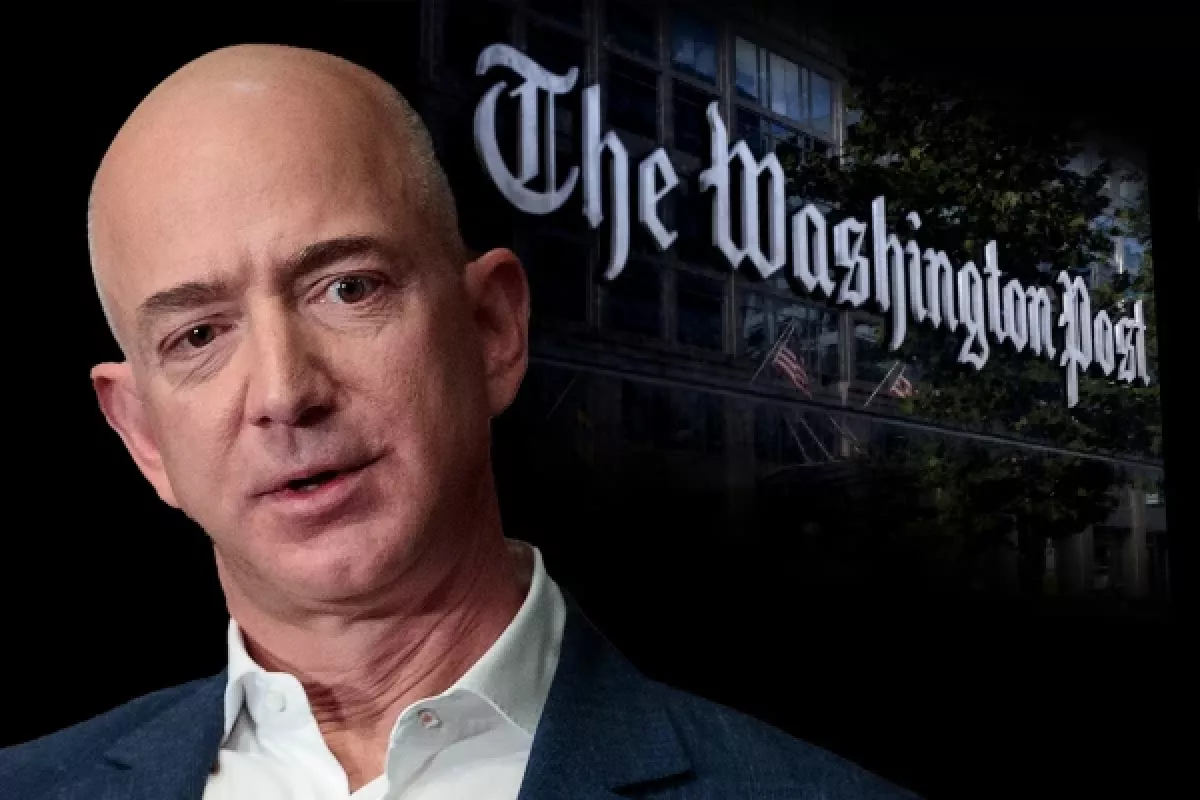
Since 2013, The Washington Post has been owned by Jeff Bezos, one of the world’s wealthiest businessmen, who purchased the paper for $250 million. After Donald Trump returned to the White House, Bezos—who had previously kept his distance from day-to-day editorial policy—reassessed his position. As the owner of Amazon and Blue Origin, he found himself in close interaction with the federal administration, a factor of clear relevance to his broader business interests.
As a result, The Washington Post underwent significant downsizing, with around 300 employees losing their jobs worldwide. International, sports, books, and other departments faced substantial cuts. War correspondents covering Ukraine and the Middle East were reportedly viewed as placing excessive strain on the newspaper’s budget.
A similar course was followed by the owners of other media companies — including the Los Angeles Times, CBS News, Paramount Global, National Public Radio (NPR), and Public Broadcasting Service (PBS). Observers suggest that their leadership concluded that continued open confrontation with the administration carried significant financial and political risks.
Thus, by the time of his second presidential term, Donald Trump had significantly expanded his influence over the media landscape—an instrument that had once played a key role in his own political rise. This was achieved through a combination of agreements with major business actors, reliance on digital platforms, and the use of administrative and legal mechanisms against his most determined opponents.
At the same time, the question remains whether Trump will be able to preserve these positions amid the ongoing political confrontation within the United States.







 editor@caliber.az
 +994 55 444-88-98
 Азербайджан, Баку, ул. Низами, 203, Af Business House, 5-й этаж