










Washington’s redesign of global diplomacy When the UN is paralysed
In the context of a profound transformation of the international relations system, when existing mechanisms of global governance no longer provide an adequate response to new realities, the creation of qualitatively new institutions of political influence becomes an extremely important step.
This need is primarily driven by the ongoing wars and armed conflicts in various regions of the world, where security issues are under serious threat, and traditional international organisations demonstrate an inability to respond effectively to regional crises and humanitarian challenges.
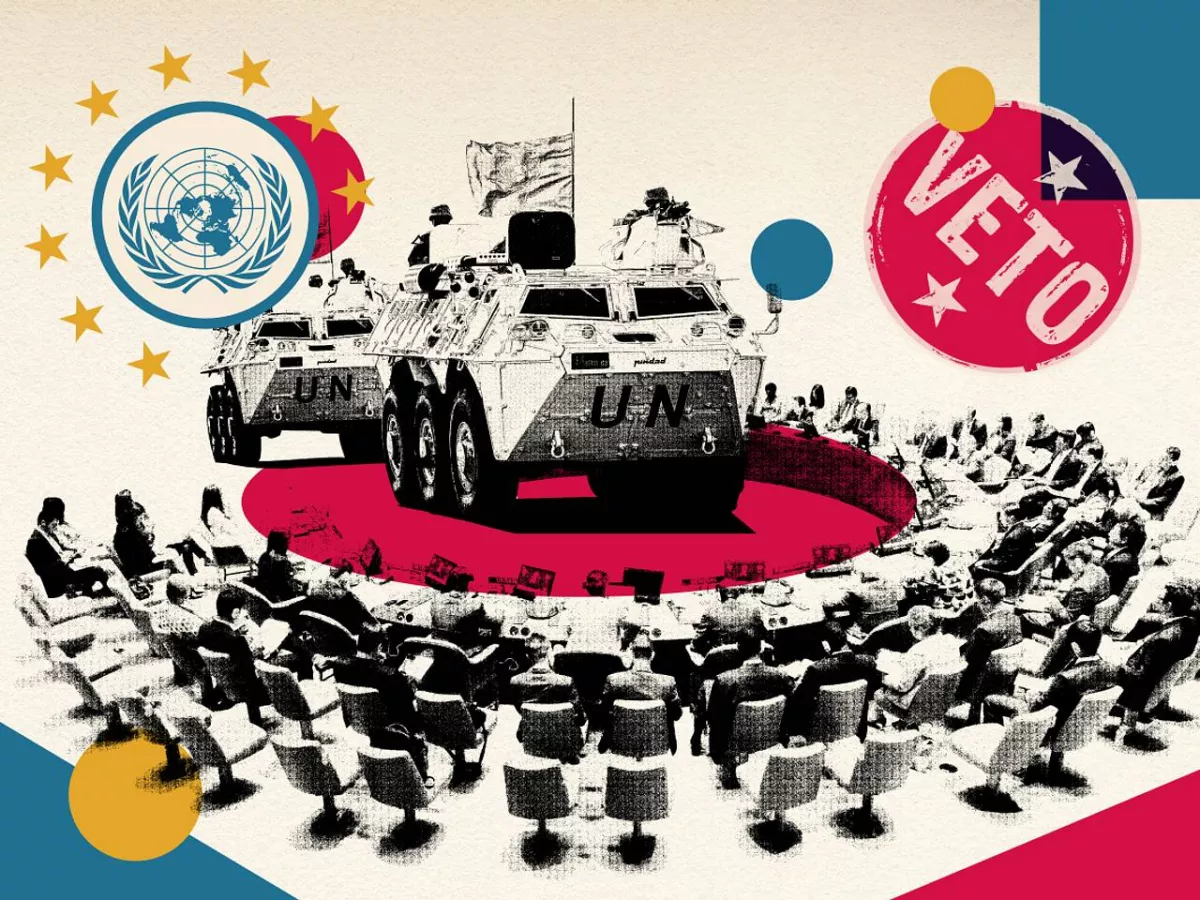
The existence of more than 60 conflict hotspots today, including events in Gaza and the ongoing Russia–Ukraine war, clearly highlights the limitations of existing international mechanisms, including institutions such as the United Nations (UN). It must be acknowledged that this once-authoritative structure no longer possesses sufficient political will or real instruments of influence to prevent and resolve conflicts. In this context, a new international platform — the Board of Peace, initiated by U.S. President Donald Trump — is being considered as a possible alternative.
In light of the UN’s demonstrated inability to respond swiftly and effectively to contemporary challenges, the Trump administration proposed the establishment of the Board of Peace as an alternative peacekeeping mechanism. This initiative aligns with the United States’ earlier withdrawal from several UN bodies and the suspension of their funding, actions justified by Washington on the grounds that these institutions had deviated from the fundamental principles enshrined in the UN Charter, thereby undermining trust in their effectiveness.
The first practical step toward implementing the Board of Peace concept was taken on October 13, 2025, during the Gaza Peace Summit in Sharm El-Sheikh, which focused on resolving the two-year-long conflict in the region.
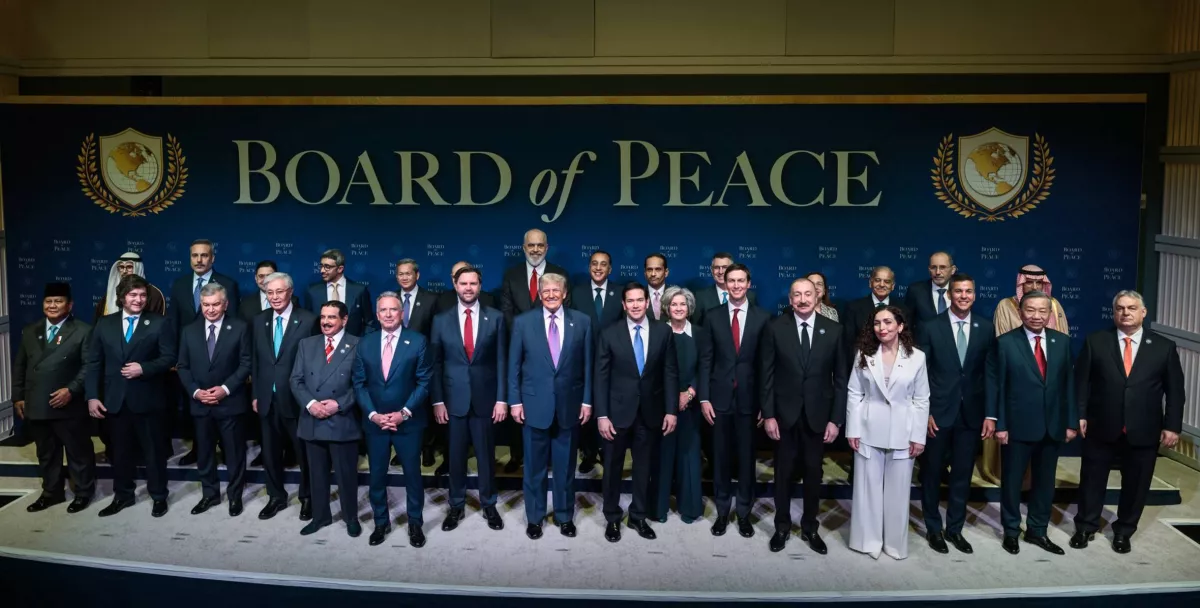
On January 22, 2026, in Davos, Switzerland, Donald Trump officially ratified the charter of the newly established international organisation — the Board of Peace. The first session of the Board took place on February 19 in Washington, D.C., under the chairmanship of the U.S. president, with Azerbaijani President Ilham Aliyev in attendance. The head of state was personally invited to the summit, which once again emphasised Azerbaijan's growing role in international peace initiatives.
Azerbaijan’s representation in the Board of Peace further confirmed the country’s recognition as a significant player in regional politics and the broader international architecture. During the World Economic Forum, countries were issued an open invitation to join the new platform.
Azerbaijan joined the Board as a founding member. Given the country’s contributions to multilateral diplomacy and its constructive stance on regional conflict resolution, such participation appears entirely consistent.
At the first session in Washington, President Trump announced that several countries were prepared to contribute over $7 billion to the Board of Peace budget to support projects in Gaza.
The Assistant to the President of the Republic of Azerbaijan and Head of the Foreign Policy Affairs Department of the Presidential Administration, Hikmet Hajiyev, clarified on his X account that Azerbaijan, as a founding member, supports the goals and intentions of the Board of Peace and may, in the future, consider participating in investment projects in Gaza through this mechanism. At the same time, he emphasised that Azerbaijan’s participation is not included in the $7 billion financial project for Gaza.
The initiative also included discussions on the formation of Stabilisation Forces in Gaza. Azerbaijan does not intend to join these forces, and there is a clear reason: the country has only recently emerged from a war, making the issue not only military or legal but also socio-political in nature. Sending troops into a new conflict would inevitably be a sensitive topic for society. In this context, the decision to abstain from participation in the military component reflects Baku’s pragmatic and responsible approach.
One of the reasons Azerbaijan has been positioned at the forefront of the Board of Peace is its promotion of a peaceful agenda in relations with Armenia. This approach enabled the resolution of a long-standing regional conflict, providing a rare example of addressing a protracted dispute within the framework of state sovereignty and international law.
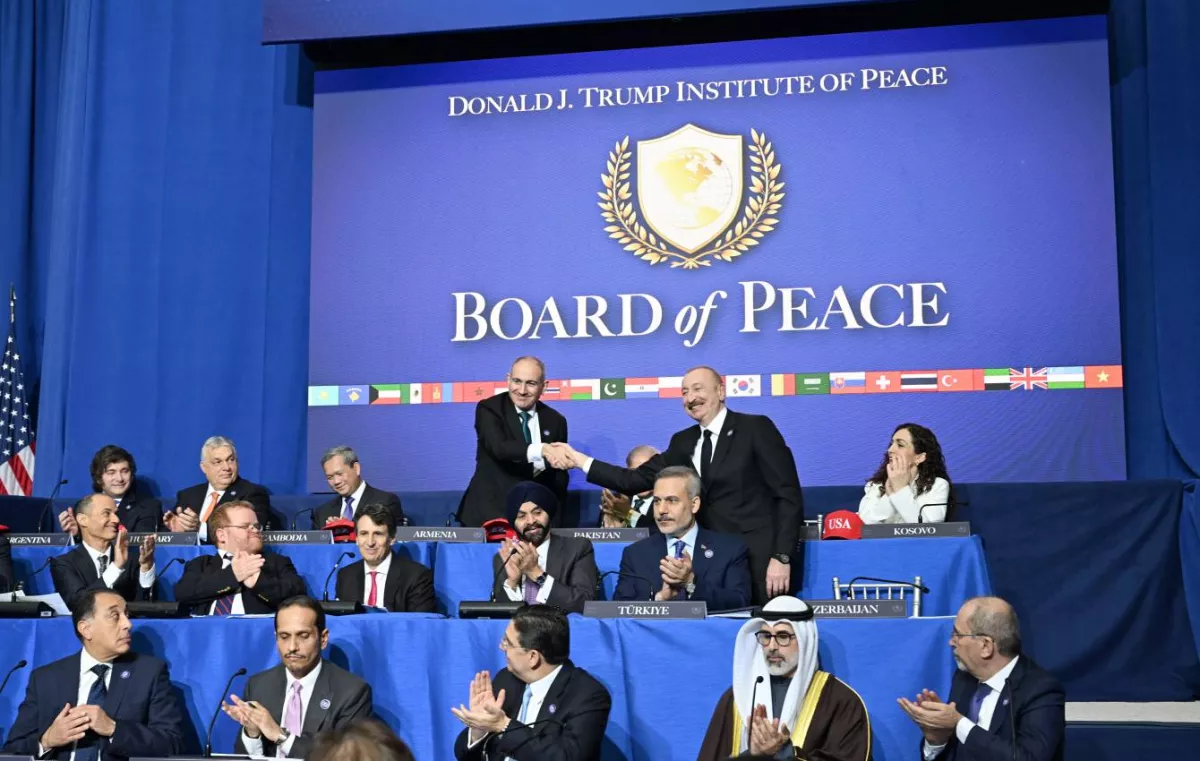
In this context, it is notable that the normalisation of Armenian–Azerbaijani relations remains a priority of U.S. policy in the South Caucasus. During his address in Washington, President Trump recalled the signing of a joint declaration in August 2025 between Azerbaijani President Ilham Aliyev and Armenian Prime Minister Nikol Pashinyan. Against this backdrop, the handshake between the leaders of the two countries at the first session of the Board of Peace carried special symbolic significance.
Continuing the topic of Armenian–Azerbaijani reconciliation, it is worth noting the assessment of U.S. Vice President J.D. Vance, who, in Washington, thanked the leaders of Azerbaijan and Armenia for their efforts to achieve peace in the South Caucasus.
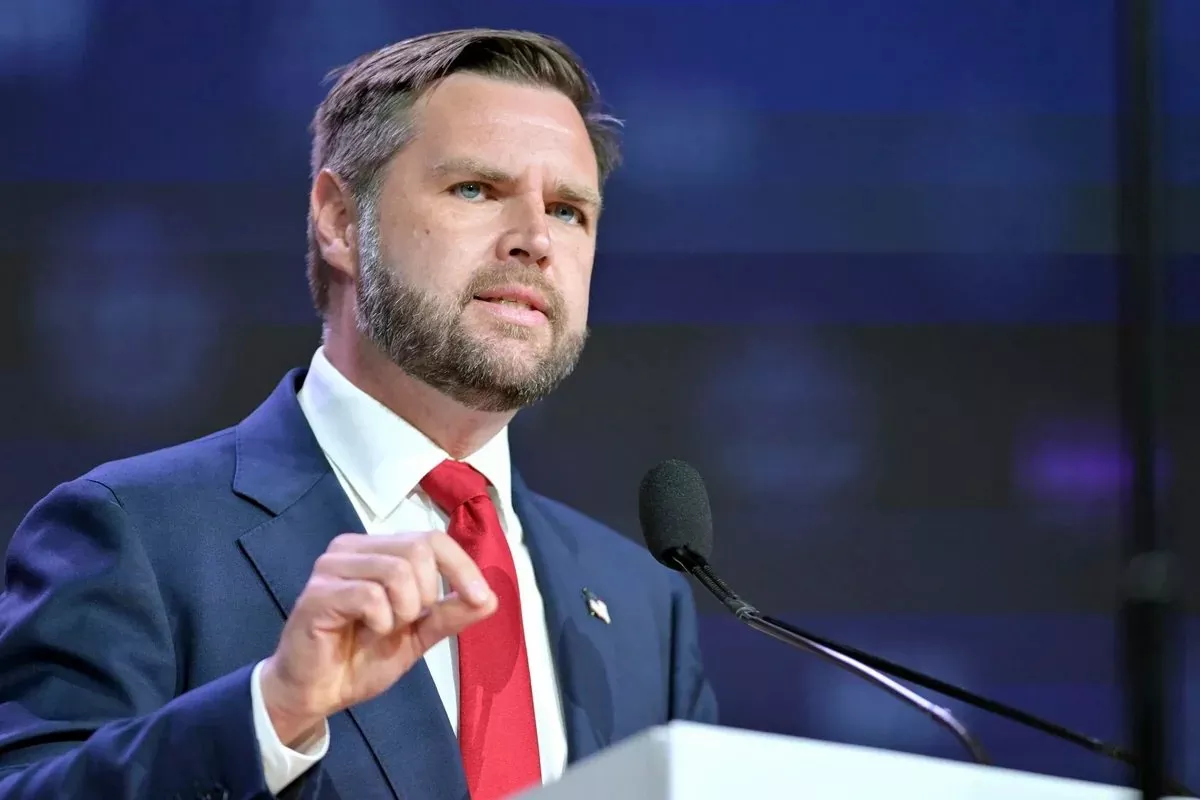
“What you have all accomplished is simply incredible. We thank all the leaders gathered here today, those who are contributing to the future, to peace. We are grateful to you for your partnership.
And in particular, I would like to thank the President of Azerbaijan and the Prime Minister of Armenia, whom I met last week, for making this possible and for showing what true leadership can achieve. When you lay down weapons, killings, and destruction and invest everything in your people and prosperity, it can yield good results. I thank both of you for what you have done. I believe you have demonstrated remarkable leadership,” Vance said at the inaugural session of the Board of Peace in Washington.
The atmosphere of the meeting also deserves mention. Donald Trump demonstrated a warm attitude toward Azerbaijan, noting that he had learned to pronounce the country’s name correctly. Addressing the meeting, he stated: “Aliyev is the President of Azerbaijan. I love saying that name now. You know, at the beginning it was giving me a hard time. Now I love saying it. It's a beautiful name.” These symbolic gestures complemented the political context of the session, emphasising the special nature of the dialogue between Baku and Washington.
Thus, the Board of Peace, initially focused on resolving the protracted conflict in the Middle East, demonstrates the potential to serve as a broader international platform. It represents the creation of an alternative mechanism capable of offering constructive approaches to resolving the most complex and long-standing crises — at a time when traditional global governance institutions face significant limitations.







 editor@caliber.az
 +994 55 444-88-98
 Азербайджан, Баку, ул. Низами, 203, Af Business House, 5-й этаж