










President Aliyev in Washington and USS Gerald Ford off the coast of Iran Caliber.Az weekly review
The editorial team of Caliber.Az presents the latest episode of the Events programme with Murad Abiyev.
Azerbaijan – Armenia
The trial of Armenian citizen Ruben Vardanyan has concluded with the announcement of the verdict: the former Russian businessman and so-called “state minister” of the Karabakh separatists has been sentenced to 20 years’ imprisonment on charges of crimes against peace and humanity, terrorism, and financing terrorism.

Attempts by third parties to impose their own agenda on Baku — portraying Vardanyan as a supposed prisoner of conscience — have failed. Azerbaijan has repelled all such attacks. The region’s new reality leaves no room for separatism or for manipulating public opinion.
President of Azerbaijan Ilham Aliyev paid an official visit to Serbia. A landmark event during the trip was the first meeting of the Strategic Partnership Council between Azerbaijan and Serbia. The meeting concluded with the signing of the Council’s Resolution, symbolising the elevation of Azerbaijani-Serbian relations to a strategic level.

In a press statement, President of Serbia Aleksandar Vučić enthusiastically spoke about the upcoming launch of a Belgrade–Baku flight route, the growth in tourism exchanges, and plans to build a joint 500-megawatt gas-fired power plant in Serbia.
President Aliyev, for his part, noted that Azerbaijan stands ready to invest actively in the Serbian economy, while highlighting Serbia’s favourable investment climate.
Board of Peace
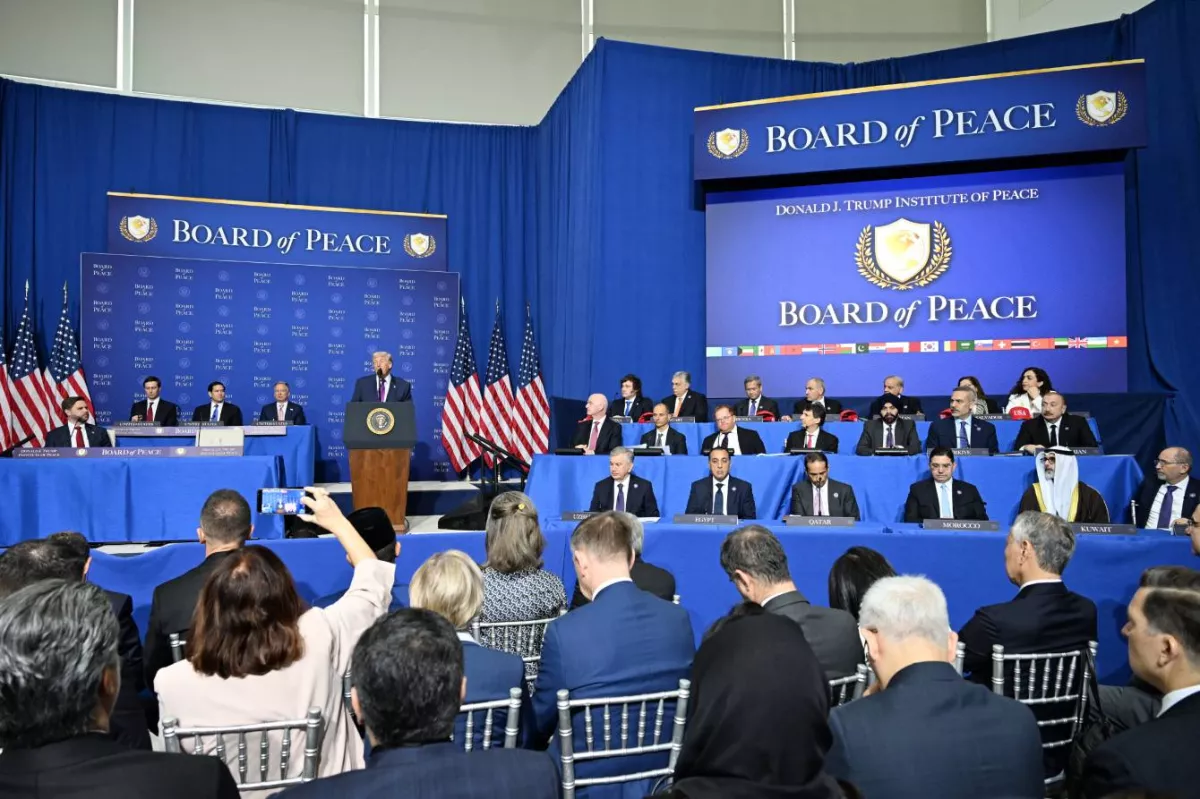
The next stop on the Azerbaijani leader’s agenda was Washington, where he participated in the first session of the Board of Peace under the chairmanship of Donald Trump. Representatives from nearly 50 countries and the European Union attended the event. The Board itself comprises 27 member states, with the others participating as observers.
The main outcome of the meeting was the agreement on post-conflict reconstruction in the Gaza Strip. Several member states collectively pledged $7 billion in humanitarian aid and reconstruction funding for Gaza. The United States committed an additional $10 billion, bringing the total announced funding to over $17 billion. The participation of some countries in the International Stabilization Forces (ISF), tasked with ensuring security in Gaza, was also confirmed.
However, these and other initiatives hinge on the unresolved issue of Hamas’s disarmament. Israel has stressed that it will launch a military operation against the group if it does not lay down its arms within 60 days—a deadline to be declared by the United States. This raises a critical question: what happens if Hamas does not disarm? What factor will determine Israel’s victory in a new conflict if two and a half years of continuous operations against the organization have not achieved this outcome?
For now, it seems that it is not in Trump’s interest to see escalation in Gaza ahead of the upcoming Congressional elections. On the contrary, it benefits him to maximise the political gains from the successful completion of the first phase of the deal, the main achievement of which was the return of all Israeli hostages previously held by Hamas. It can therefore be assumed that Washington will try to freeze the situation in Gaza in its current state for the rest of the year.
Nevertheless, the initial steps of the Board of Peace overall establish practical and constructive guidelines for resolving some of the most complex disputes and conflicts—especially given the de facto paralysis of the United Nations.
United States – Iran
Meanwhile, in another part of the Middle East, the United States appears to be taking a more resolute stance. Negotiations with Iran in Geneva, as previously in Oman’s capital, seem to have led nowhere—the U.S. demands are simply too unbearable for Tehran: to halt all uranium enrichment work and to limit its missile programme.
At the same time, the U.S. has deployed its second carrier strike group off the Iranian coast, led by the new-generation aircraft carrier USS Gerald Ford. Trump is known for counting every dollar, and it is reasonable to assume that maintaining two fully combat-ready carrier strike groups is not merely an act of intimidation.
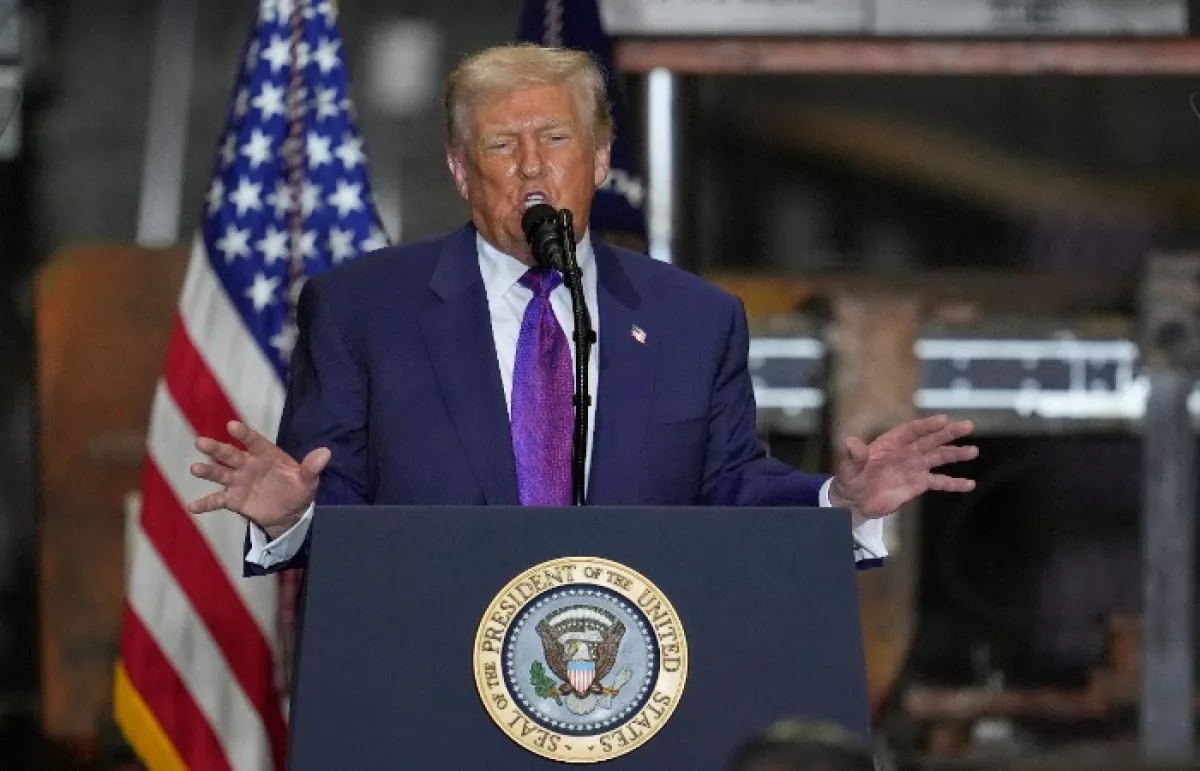
An increasing number of analysts now believe that a U.S. military operation against Iran is inevitable. Among many factors, one of the main reasons seems clear: for the United States, which seeks to reclaim its status as the world’s arbiter in practice—not just in words—it is crucial to conduct a major successful military operation.
The operation to capture Nicolás Maduro was insufficient in this regard. First, it was too limited in scope, conducted against a weak country, and in South America—a region already perceived as a strategic U.S. sphere of influence. Therefore, to demonstrate who truly runs the world, the U.S. urgently needs a small but victorious war in the Eastern Hemisphere, and at present, Iran seems to be the most immediate and opportune target.
Whether this will actually happen remains to be seen in the coming weeks, during which all countries in the region would be wise to fasten their seatbelts.
Ukraine – Russia
The latest round of Russia–Ukraine talks in Geneva appears, if not at a deadlock, then at least severely stalled. The main sticking point is the territorial issue. Kyiv proposes a ceasefire along the contact line, while Moscow demands the withdrawal of Ukrainian forces from Donetsk Oblast.
U.S. President Donald Trump is also exerting pressure on Kyiv, as it is extremely important for him to secure a ceasefire in Ukraine and claim it as an achievement within the next two to three months. By summer, Republican attention will be fully focused on the midterm Congressional elections. If no breakthrough occurs in the Ukrainian peace process by then, the U.S. president is likely to write off peace in Ukraine as a lost cause.

For Volodymyr Zelenskyy, the goal is twofold: to remain in power, and closely linked to that, to prevent any Russian breakthrough on the front lines. It is therefore in his interest to delay matters until Trump disengages, especially given Europe’s promises of support.
At the same time, it is crucial for Zelenskyy to secure re-election quickly. The further he gets from the end of his term in May 2024, the less legitimate his actions may appear, particularly if they do not produce a significant shift on the front. Reports about upcoming presidential elections and a referendum on the fate of territories seem plausible. Another signal of imminent elections is the rising political profile of former Chief of the Armed Forces, now Ukrainian Ambassador to the United Kingdom, Valerii Zaluzhnyi.
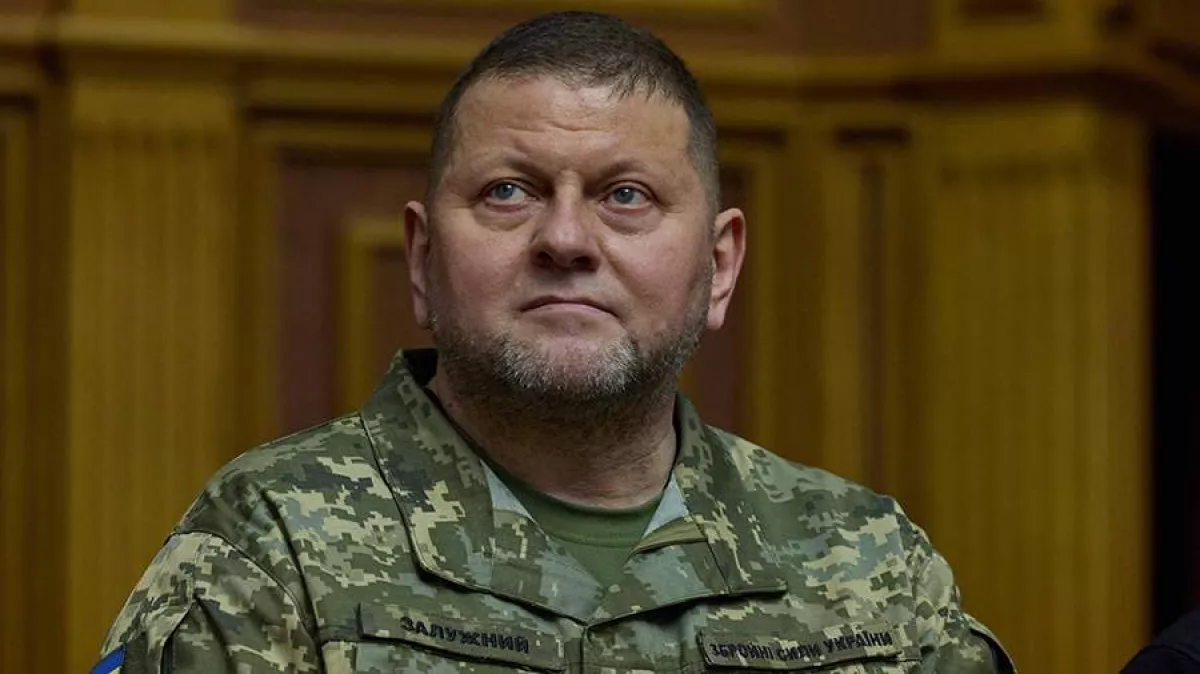
In an interview with the Associated Press, he effectively blamed Zelenskyy for the failure of the summer 2023 counteroffensive. The accusation is that Zelenskyy spread forces too thin along the front line, reducing their effectiveness. Zaluzhnyi’s own plan, coordinated with NATO partners, involved concentrating forces in the Zaporizhzhia direction to reach the Sea of Azov, with the ultimate goal of cutting Russia’s land corridor to Crimea.
This is a serious accusation that could significantly weaken Zelenskyy’s position. His political fate may depend not only on election results but also on whether members of his inner circle shift their allegiance to Zaluzhnyi.







 editor@caliber.az
 +994 55 444-88-98
 Азербайджан, Баку, ул. Низами, 203, Af Business House, 5-й этаж