










Rift in war-torn Ukraine Zaluzhnyi criticises Zelenskyy
In Ukraine, the fallout from a new “information bomb” is sparking intense debate. The Associated Press published an extensive article in which former Ukrainian Armed Forces Commander-in-Chief General Valerii Zaluzhnyi, now Ukraine’s ambassador to the United Kingdom, revealed that his command centre was stormed by SBU special units in 2022. He also claimed that President Volodymyr Zelenskyy’s decisions hindered the counteroffensive on the Zaporizhzhia front.
“Zaluzhnyi, 52, refuses to discuss his political ambitions, saying he doesn’t want to risk harming national unity during a war with Russia that is approaching its fourth anniversary. Yet in a sign of his possible desire to run for the presidency – after the war is over – Zaluzhnyi spoke publicly for the first time about a deep rift between himself and Zelenskyy in a recent interview with The Associated Press,” the article begins.
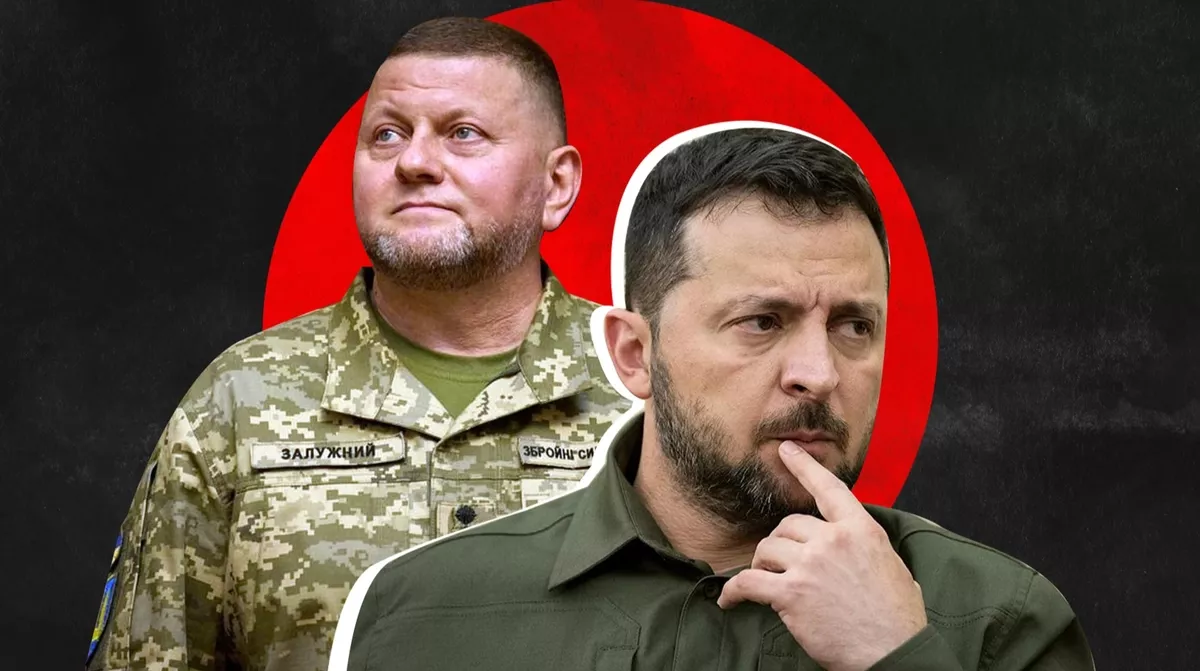
The piece also claims that during the 2022 storming of his office, Zaluzhnyi called then-Head of the Office of the President of Ukraine Andriy Yermak and warned that he was ready to deploy the military to defend his command centre: “I will fight with you and have already called in reinforcements to the center of Kyiv for support.” This admission alone illustrates just how intense the confrontation between Zaluzhnyi and Zelenskyy had become.
This statement once again highlighted the extent of Andriy Yermak’s influence. Nevertheless, he still maintains a significant position today. After stepping down as head of the Presidential Office, no charges were brought against him, although the Ukrainian press has regularly published reports suggesting his possible involvement in corruption schemes. His public promise to join the Ukrainian Armed Forces after leaving office was also widely discussed. In reality, however, he has resumed his legal practice and continues to meet regularly with high-ranking officials.
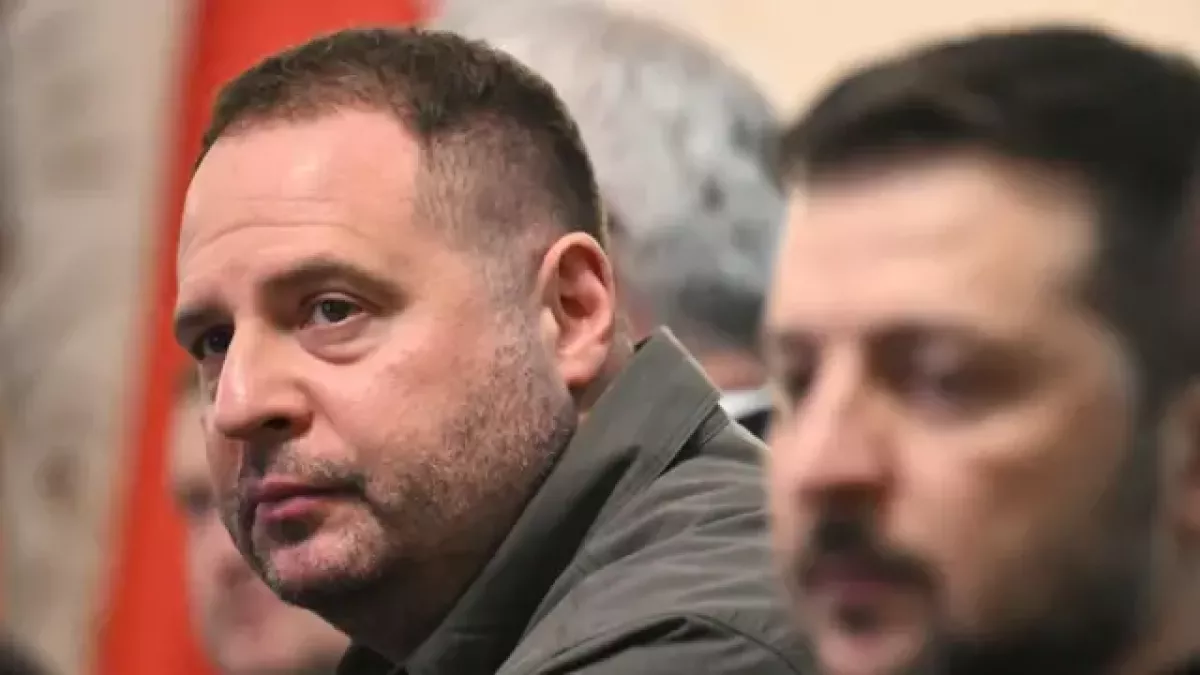
Furthermore, according to several sources, it was Yermak who, through loyal deputies in the Verkhovna Rada and journalists, initiated a campaign against Zaluzhnyi, blaming him for the Ukrainian army’s failures. This debate has resurfaced only recently. In this context, the current interview can be seen as a countermeasure by Zaluzhnyi, aimed primarily at Volodymyr Zelenskyy.
"The 2023 counteroffensive drew widespread criticism from military experts for being too ambitious and coming too late, giving Russian forces time to fortify positions.
Zaluzhnyi says the plan he had crafted with help from NATO partners failed because Zelenskyy and other officials wouldn’t commit the resources it required.
The original plan was to concentrate enough forces into a ‘single fist’ to retake the partially occupied region of Zaporizhzhia — home to a vital nuclear power plant — and then have them advance south to the Sea of Azov. This would sever a corridor of land the Russian army had been using to resupply Crimea, which it illegally annexed in 2014. Success required a large, concentrated buildup and tactical surprise, Zaluzhnyi said.
What happened instead, he said, was that forces were dispersed over a wide area, diluting their striking power.
His account of how the counteroffensive diverged from the original plan was corroborated by two Western defense officials who spoke on condition of anonymity because they aren’t authorized to speak publicly to the media," the article states.
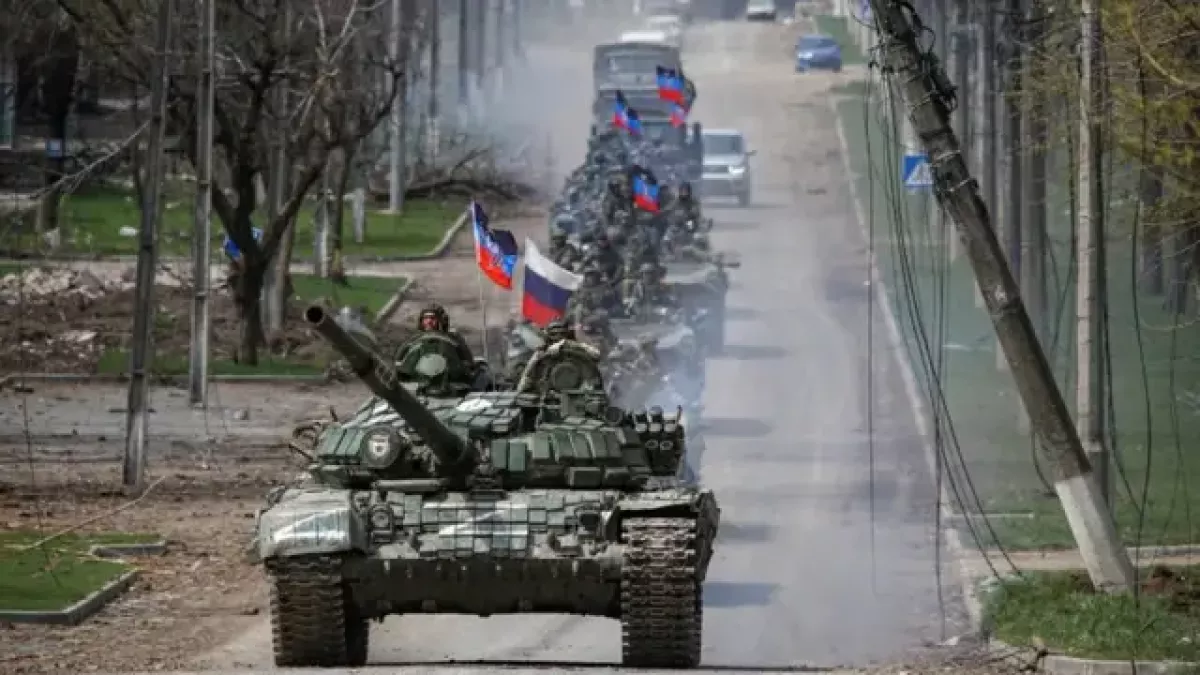
The report delivers another serious blow to the reputation of Ukraine’s president. This is not merely about political ratings, but about public trust, which has shifted significantly over nearly four years of war. As the fourth anniversary of Russia’s full-scale invasion approaches, both Ukrainian and international media have recalled that, despite repeated warnings about the high likelihood of conflict, Zelenskyy continued to project optimism, vacationed in Bukovel, and recorded video messages speaking of “May holidays with barbecues.”
In Ukraine, it is also recalled that government officials at the time dismissed the possibility of a large-scale war and criticised those who warned of its inevitability. Zelenskyy focused public attention on infrastructure projects and road construction, emphasising the importance of economic stability. Today, these statements are frequently cited in debates over the country’s readiness for war.
At the same time, over nearly four years, Ukraine has received unprecedented international support—financial, humanitarian, and military—totalling hundreds of billions of dollars. Yet a persistent paradox remains: body armour, drones, vehicles, medical supplies, and even basic provisions for military units are often purchased through volunteer fundraising.
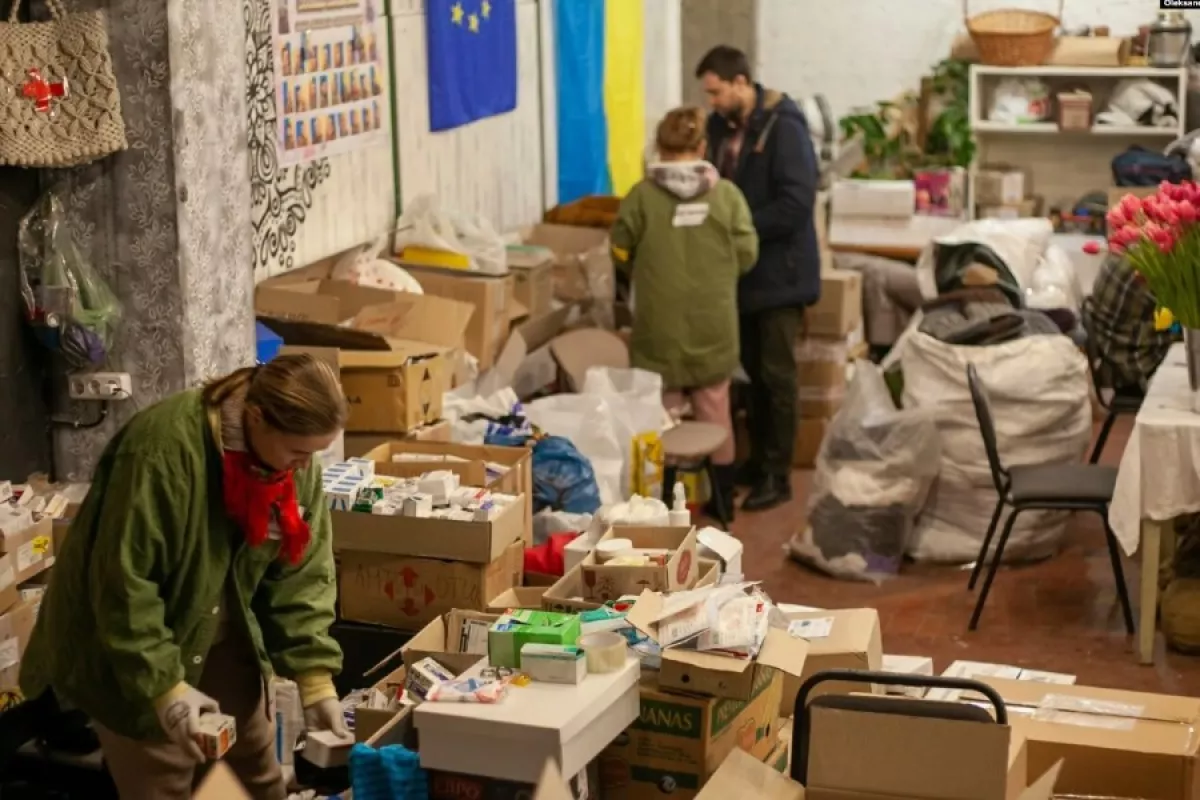
Volunteerism, self-organisation, and mutual aid have become a national phenomenon and a source of pride. At the same time, however, they raise questions about the systemic efficiency of state governance: if a significant portion of the military’s supplies relies on civilian initiatives, it indicates that government mechanisms are not functioning fully.
This brings us to the central question in public discourse: why is the state, despite receiving massive resources, unable to fully meet the needs of its armed forces? It is worth remembering that Zelenskyy came to power as a symbol of anti-corruption expectations. Yet his presidency is increasingly accompanied by scandals that fuel public frustration. Controversies surrounding the energy sector, state procurement, the influence of business groups close to power, and high-profile figures in the president’s circle all contribute to the perception that “new faces” have quickly adapted to old political practices.
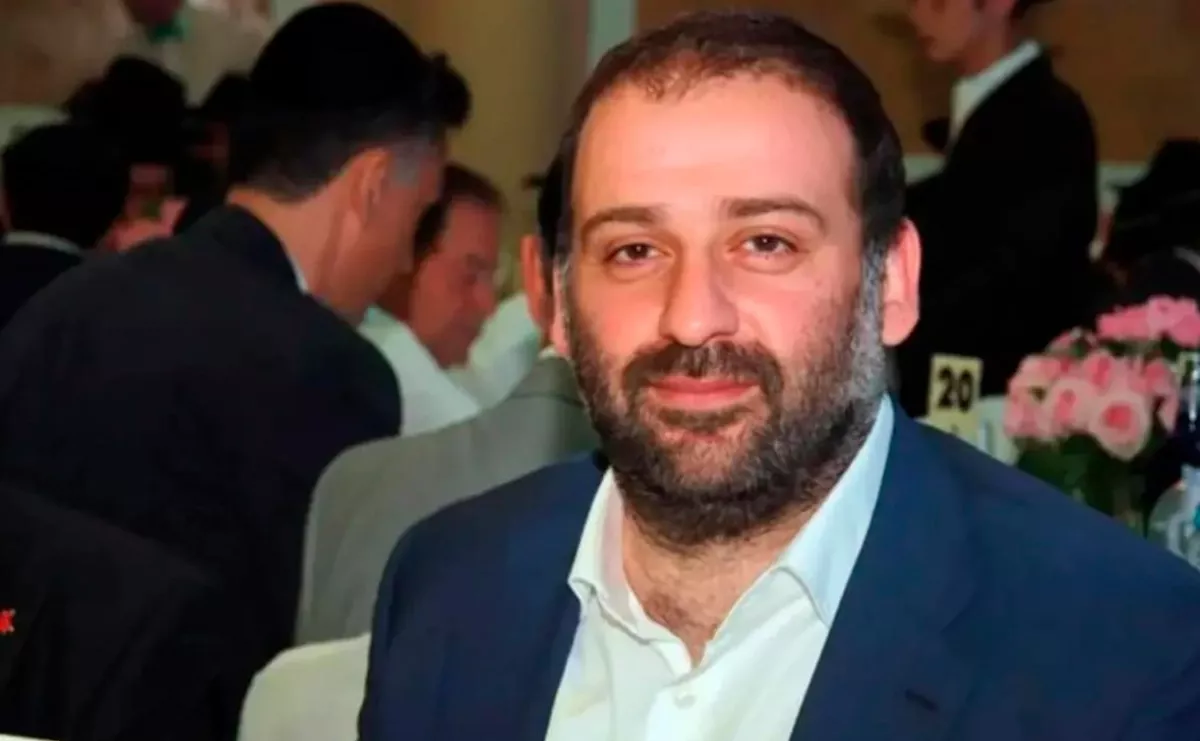
The high-profile “Timur Mindich case” has become another example of how part of the public perceives the current government as a closed system, where proximity to the Presidential Office on Bankova Street provides access to significant financial flows.
“Zelenskyy’s once-robust popularity has waned as the war drags on. A corruption scandal implicating several of Zelenskyy’s top officials has eroded public trust, according to lawmakers and activists,” the Associated Press article reports. These developments reflect prevailing public sentiment, making it unsurprising that, in several sociological polls, Valerii Zaluzhnyi now ranks ahead of Zelenskyy.
However, Zaluzhnyi’s own position also raises questions. He currently serves as Ukraine’s ambassador to the United Kingdom. A situation in which a sitting diplomat publicly criticises the president and points to the tragic missteps of the country’s top leadership is inevitably seen as controversial. Moreover, the former Armed Forces commander is effectively criticising the current Commander-in-Chief. A more consistent step on Zaluzhnyi’s part might have been to resign from his diplomatic post and openly announce the start of a political career. However, he has so far taken no such steps, continuing instead to speak about the need for national unity in a country at war.
One way or another, Valerii Zaluzhnyi has made his move. The final judgment, however, will be made by Ukrainian society — both now and in the future, when the war ends and presidential and parliamentary elections are held.







 editor@caliber.az
 +994 55 444-88-98
 Азербайджан, Баку, ул. Низами, 203, Af Business House, 5-й этаж