










Türkiye’s pivot to Africa Expanding influence across the Horn
The growing strategic importance of the Red Sea, the Horn of Africa, and the Bab-el-Mandeb Strait for global security, trade, and energy, along with intensifying competition for control over major maritime routes, has prompted both regional and global actors to reassess their priorities. In this context, Turkish President Recep Tayyip Erdoğan’s visit to Ethiopia should be seen as a landmark event. It demonstrated Ankara’s ambition to expand its presence in the region beyond symbolic diplomatic contacts and to do so systematically—through the growth of economic, diplomatic, and military-political cooperation.
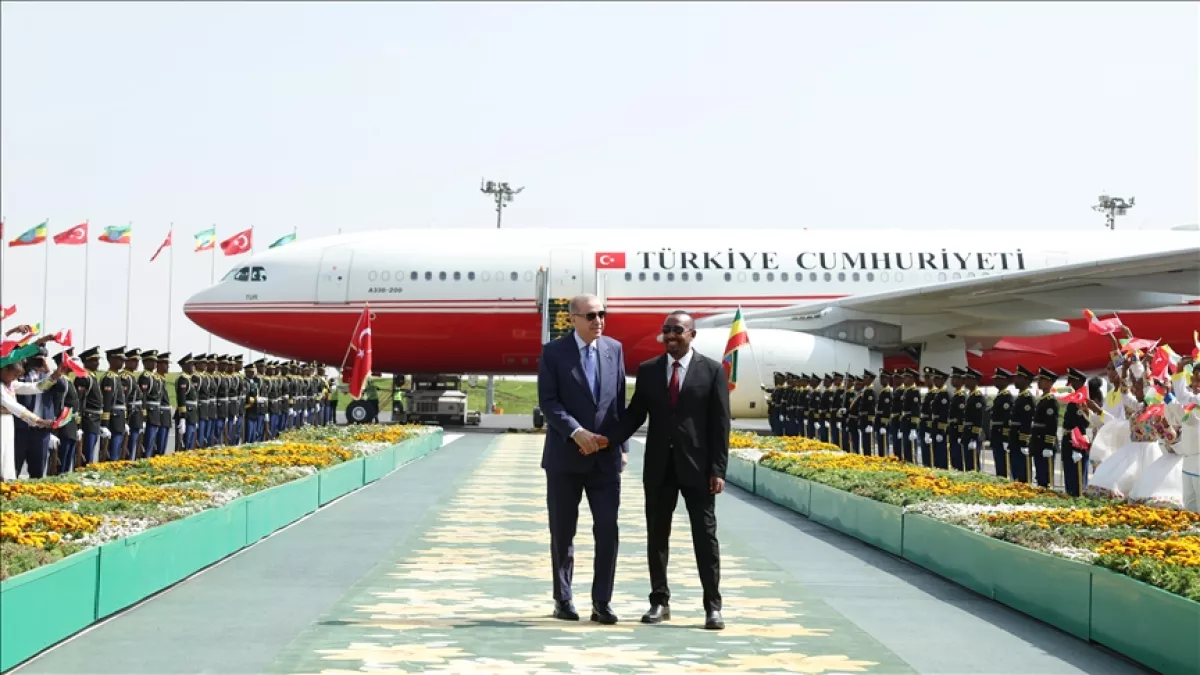
The Horn of Africa has remained a zone of chronic instability for decades, driven both by internal divisions and by rivalry among global powers. Ethiopia has experienced large-scale internal conflicts. Somalia has struggled for years with terrorism while trying to preserve its territorial integrity. Sudan has been enduring a severe political crisis for about three years. Tensions also persist in Eritrea.
Ankara understands that the geopolitical gaps created by such an unstable environment present a window of opportunity for a rising Türkiye. Therefore, Erdoğan’s visit to Ethiopia should be viewed not only in a bilateral context but also as part of a broader strategy aimed at strengthening Türkiye’s position in the Red Sea basin and in East Africa as a whole.
Ethiopia’s strategic significance stems not only from being Africa’s second most populous country but also from its military and political potential. Addis Ababa remains a key actor shaping the balance of power in the Horn of Africa. In addition, Ethiopia represents a rapidly growing market and an important economic partner. Türkiye is among the leading foreign investors in the Ethiopian economy, directing capital primarily into the textile industry, construction, and engineering sectors. According to various estimates, around 200 Turkish companies operate in the country, taking advantage of relatively low labour costs and Ethiopia’s investment-friendly policies. Erdoğan’s visit provides an additional boost to economic cooperation, but its agenda extends far beyond trade.
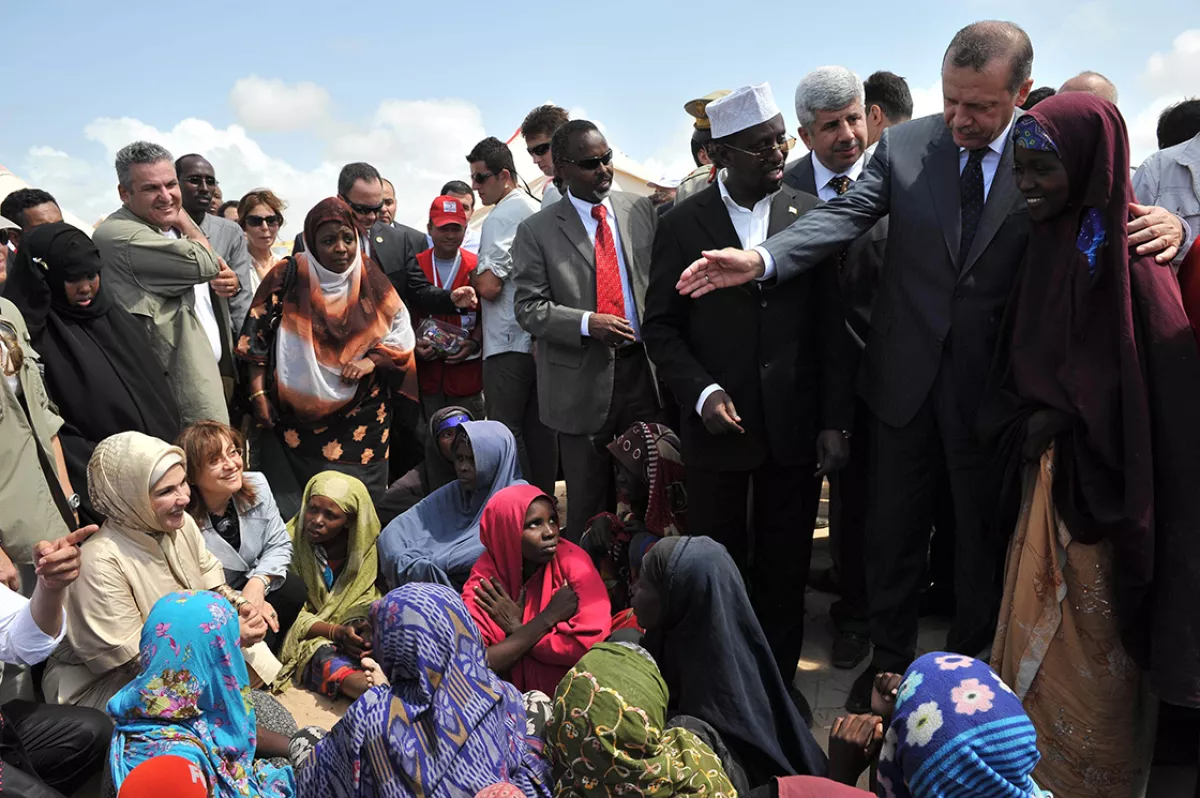
Türkiye’s interest in Africa has been shaped through tools of “soft power”—humanitarian aid, educational programmes, scholarships, infrastructure projects, and the expansion of diplomatic presence. Erdoğan’s visit to Somalia in 2011 marked a turning point in how African public opinion perceives Türkiye. Ankara positioned itself as a partner not associated with a colonial past. Over time, there was a shift from a model of “humanitarian diplomacy” to a multidimensional partnership—moving from development assistance to cooperation in the security sphere, including defence collaboration and the transfer of military technologies, which strengthened mutual interdependence.
Erdoğan’s visit to Ethiopia coincided with rising tensions along the Ethiopia–Sudan border, creating a risk to the fragile regional balance of power. From Ankara’s perspective, the situation requires a cautious and measured approach. By maintaining relations with both Ethiopia and Sudan, Türkiye seeks to contribute to regional stability. The risk of escalation calls for diplomatic manoeuvring aimed at easing tensions and preventing further deterioration.
The conflict between Ethiopia and Eritrea remains a serious challenge. Despite the 2018 peace agreement, both sides continue to harbour deep mutual distrust. Disputes over border demarcation and access to the sea only exacerbate tensions. For Türkiye, a potential escalation is highly undesirable, as it could threaten maritime security in the Red Sea and draw Ankara into an unwelcome confrontation.

An additional geopolitical factor ahead of the visit was Israel’s recognition of Somaliland at the end of last year. In this context, Türkiye needs to demonstrate to its partners a commitment to its previously undertaken military and political obligations in the region.
As with the Ethiopia–Sudan and Ethiopia–Eritrea disputes, Ankara emphasises that it does not belong to rigid foreign policy blocs and positions itself as an independent partner seeking to build balanced relations with all stakeholders.
It is important to note that Türkiye is not the only actor in the Horn of Africa. The region remains a space of competition among global powers, including China and the United States, as well as a number of African and Arab states. This requires Ankara to pursue a cautious policy that avoids being drawn into external conflicts or proxy confrontations. In the investment sphere, Türkiye also needs to take local risks into account. Nevertheless, in the case of Ethiopia, Ankara operates on the assumption that a long-term partnership with Addis Ababa can yield both economic and political dividends.
For its part, Ethiopia seeks to diversify its foreign policy and economic ties to avoid dependence on a single power. In this context, partnership with Türkiye is seen as a pragmatic option, combining investment, defence cooperation, and the absence of direct interference in the country’s internal affairs.
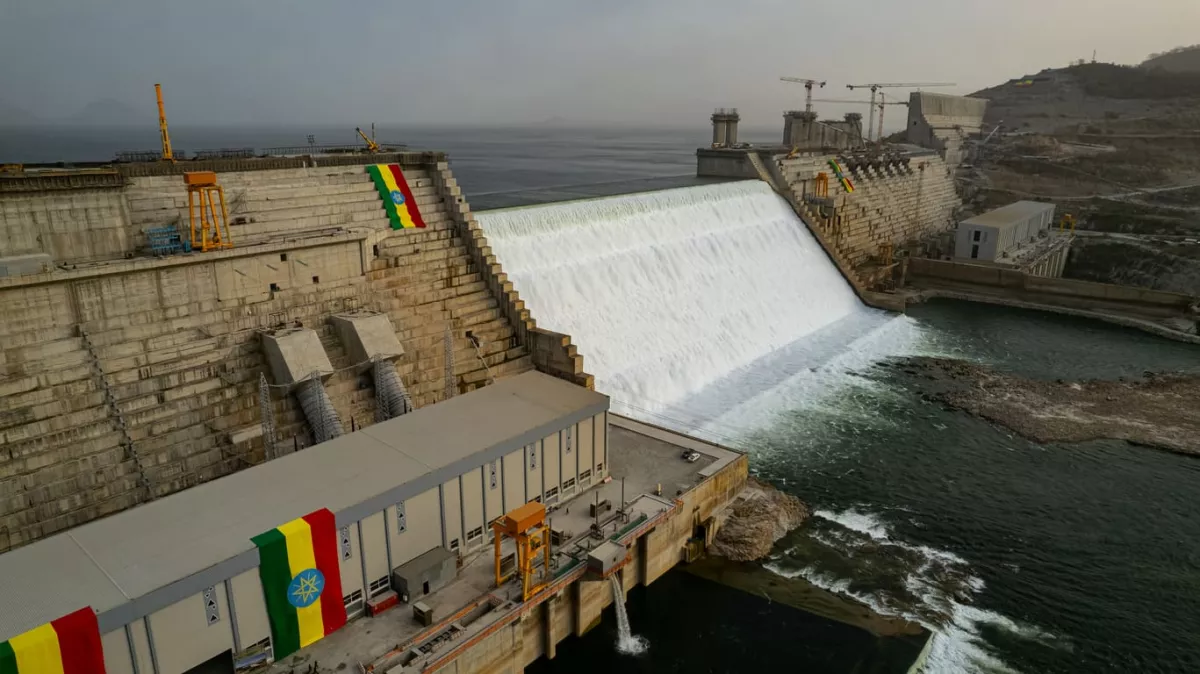
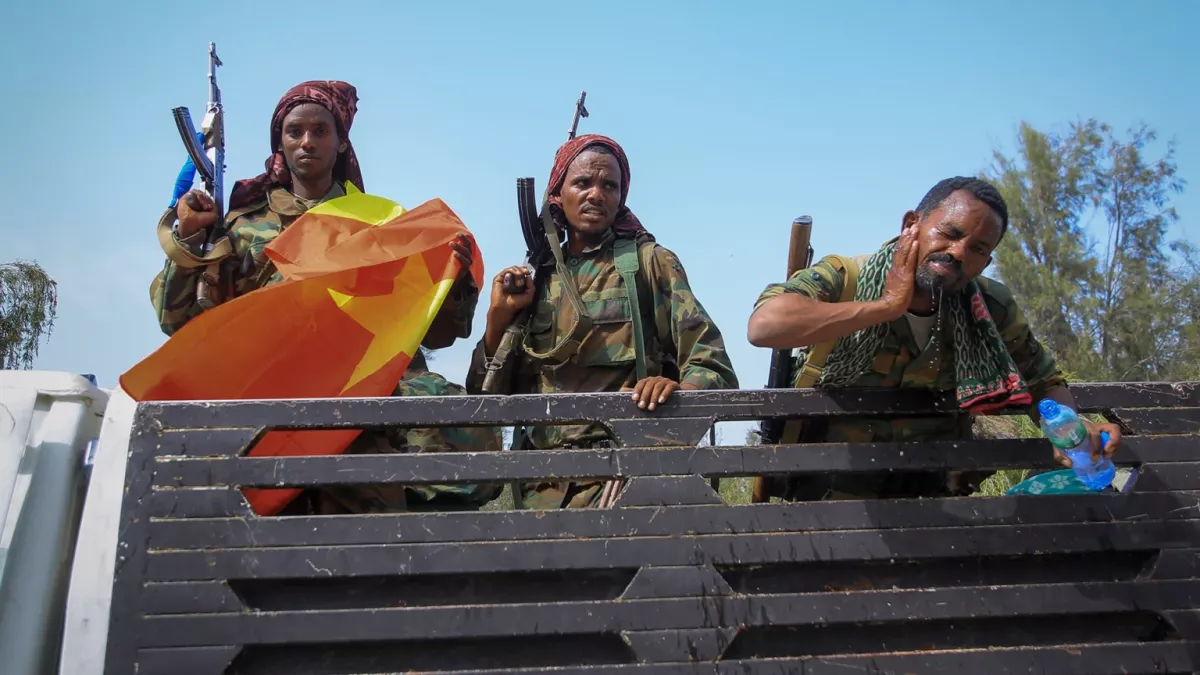
Thus, President Recep Tayyip Erdoğan’s visit to Ethiopia goes beyond a bilateral agenda and forms part of a broader regional strategy. It encompasses Türkiye’s presence in the Horn of Africa, security in the Red Sea basin, the stabilisation of border areas between Ethiopia and its neighbours, and the prevention of escalation in other regional crises—including the situation in Tigray and disputes over the Grand Ethiopian Renaissance Dam (GERD). From a diplomatic perspective, this expands Ankara’s room for manoeuvre and positions it to act as a mediator or moderator in regional conflicts.
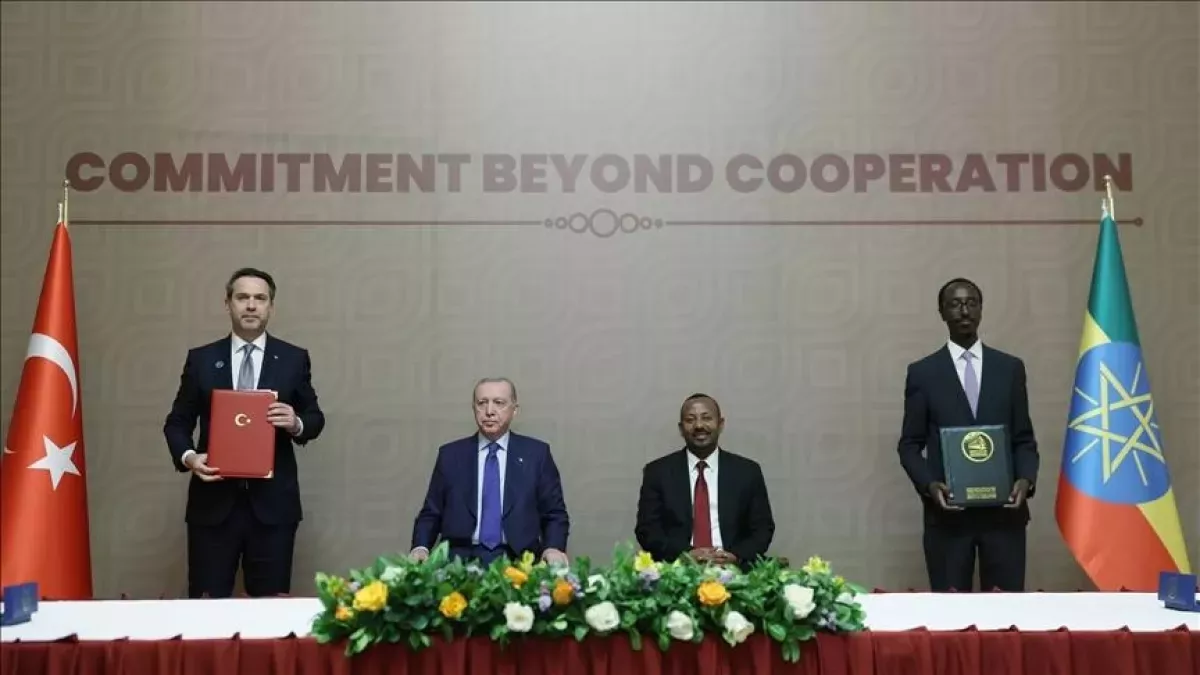
The current visit also opens opportunities for Türkiye to engage more actively in industrial investment and infrastructure projects, further strengthening its political and economic influence.
Overall, Erdoğan’s visit marked an important stage in the development of Ankara’s African diplomacy, signalling a shift from purely “soft power” policies toward closer cooperation in defence and security. The expansion of military and infrastructure projects lays the foundation for long-term influence and interdependence. For Ethiopia, Türkiye represents a significant source of investment and technology, supporting the country’s modernisation without the risk of direct interference in Addis Ababa’s internal affairs.







 editor@caliber.az
 +994 55 444-88-98
 Азербайджан, Баку, ул. Низами, 203, Af Business House, 5-й этаж