










What’s driving Ukraine’s policy shift toward Belarus? Kyiv vs Minsk
Kyiv appears increasingly concerned about the slow but steady diplomatic progress between Belarus and the United States. Ukrainian officials seem wary that a normalisation of Belarus–U.S. relations could create a precedent for Washington’s future dialogue with Moscow.
On February 18, Ukrainian President Volodymyr Zelenskyy signed a decree approving the decision of the National Security and Defence Council “On the Application of Personal Special Economic and Other Restrictive Measures (Sanctions).” The target of this decision was Belarusian President Alexander Lukashenko. The annexe to the decree contains 17 points listing the types of restrictive measures introduced. The list appears unusual: it includes, in a single enumeration, sanctions both of an individual nature against the head of state and those that could be applied to companies, sectors of the economy, and even the entire country.
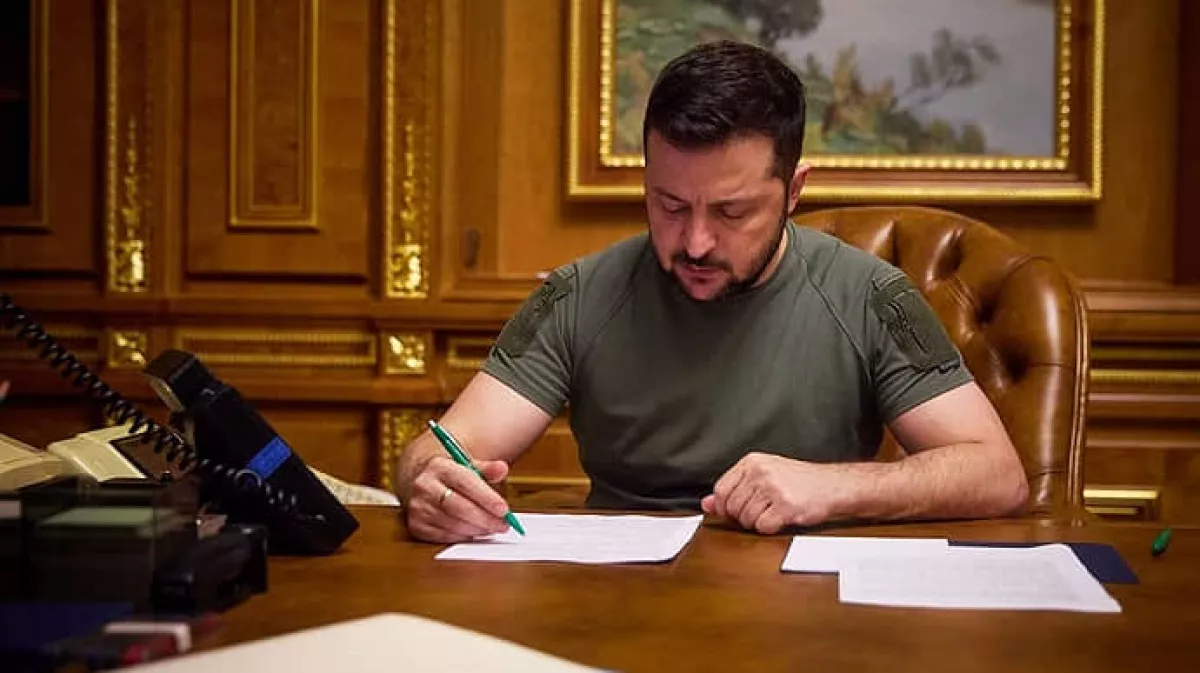
For example, it simultaneously contains provisions on the freezing of assets; restrictions on trade operations; partial or complete suspension of resource transit; suspension of licence activities; and the cessation of economic and financial obligations. It also refers to prohibitions or limitations on the entry of foreign non-military vessels and warships into Ukraine’s territorial waters; the termination of trade agreements, joint projects, and industrial programmes in certain sectors, including security and defence. The decree envisages the suspension of cultural exchanges, scientific cooperation, educational and sports contacts, as well as the refusal of visa issuance and the application of other entry bans into Ukraine. In other words, from the annex to the decree, it is still difficult to understand what these sanctions will mean in practice, how they will be implemented, and exactly whom they will affect.
Although Kyiv’s recent measures toward Minsk are unprecedented in the history of bilateral relations, the move was not entirely unexpected, despite the government’s highly visible PR campaign. At the World Economic Forum in Davos, Ukrainian representatives had already begun signalling that Belarus was gaining new political significance for Kyiv. A few days later, President Volodymyr Zelenskyy made Belarus a central theme in his address at the Polish–Lithuanian–Ukrainian summit in Vilnius. Soon after, Ukraine’s Foreign Minister Andrii Sybiha officially confirmed that Kyiv was pursuing a “new systemic approach” toward Minsk, emphasising engagement with the Belarusian opposition operating abroad.
It is difficult, at this point, to say exactly what this “new systemic approach” of the Ukrainian government toward Belarus will look like. The parameters of the new policy, if it truly goes beyond public rhetoric and media statements, will become noticeable over time. For now, a more interesting and potentially significant question is: why did the Ukrainian leadership decide to “change the record” on Belarus precisely at this moment?
From the numerous statements by Ukrainian officials and the accompanying text of Zelenskyy’s February 18 decree, no clear answer emerges. The decree lists various justifications in a seemingly haphazard manner. That is, it mentions claims and accusations, some of which have been circulating for almost four years, but which previously did not lead to similar sanctions decisions by Kyiv, nor to the proclamation of “new systemic approaches.” It appears that the authors of the decree’s explanatory section were simply tasked with including everything they could think of. This only makes the question of the real trigger for the decision even more pressing.
Ukrainian–Belarusian rollercoaster
Until 2020, Belarus–Ukraine relations were largely exemplary. Despite Belarus’s close alliance with Moscow—a country with which Kyiv has been in a state of undeclared war since 2014—cooperation between Minsk and Kyiv reflected a pragmatic, neighbourly approach and yielded significant results across multiple areas. In the realm of security, for example, the Minsk negotiation platform enabled Belarus to maintain a neutral stance in the Russian–Ukrainian conflict, effectively safeguarding the 1,084-kilometre Belarus–Ukraine border.
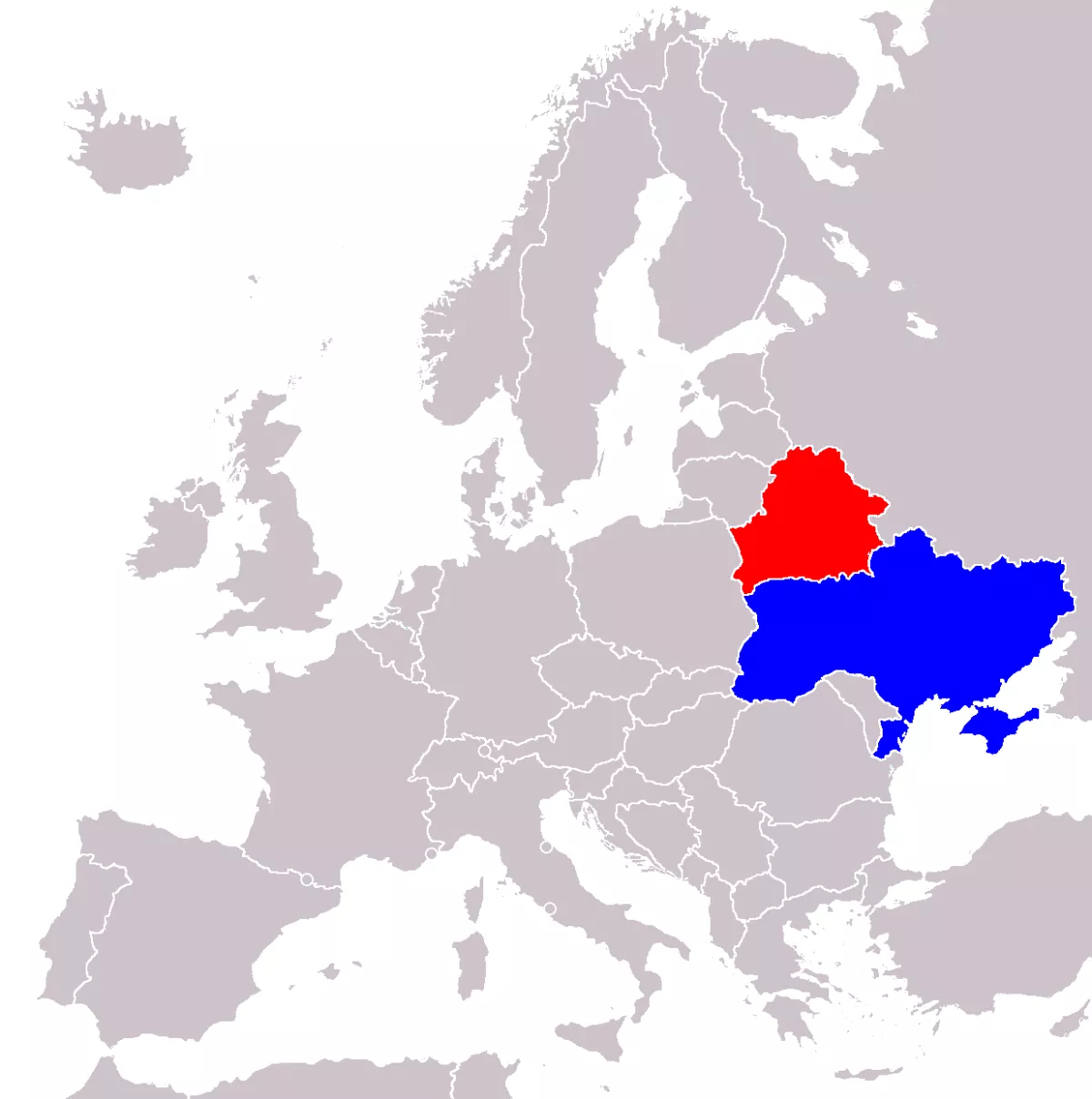
However, after 2020—initially citing the coronavirus pandemic, and later the results of the Belarusian presidential election—the Ukrainian authorities abandoned the Minsk negotiation platform. This deprived the Belarusian leadership of its main argument for maintaining situational neutrality in the context of the Russian–Ukrainian conflict. In 2021, Kyiv additionally imposed sanctions on Belarus, including closing its airspace to Belarusian aircraft and prohibiting third-country airlines from using Ukrainian airspace to fly to Belarus. That decision undermined mutual trust between the neighbours and the possibilities for exclusive communication.
Following the outbreak of war between Russia and Ukraine in February 2022, Belarus–Ukraine relations entered a systemic crisis. In the early days of the war, certain Russian military units crossed into Ukraine from Belarusian territory, prompting Kyiv to label Belarus a co-aggressor. Nevertheless, diplomatic ties were not severed: the Ukrainian embassy in Minsk remains operational. Notably, Kyiv only recalled its ambassador in 2023; had it not done so, Ukraine’s mission in Belarus would still be fully functioning. Even more strikingly, Minsk has not designated Ukraine as an “unfriendly state,” a status reserved for countries that impose sanctions on Belarus.
Despite the systemic deterioration of relations and the widespread reduction of cooperation after 2022, both Minsk and Kyiv quietly maintained a bilateral dialogue at the level of intelligence services and senior officials. At times, this dialogue intensified and showed promise; at other times, it nearly faded. Nevertheless, it enabled both sides to manage the many risks arising between them amid the Russian–Ukrainian war. It also helped prevent direct confrontation, which neither Kyiv nor Minsk had any interest in pursuing. On several occasions, the parties successfully de-escalated border tensions and struck a delicate balance between deterrence and dialogue.
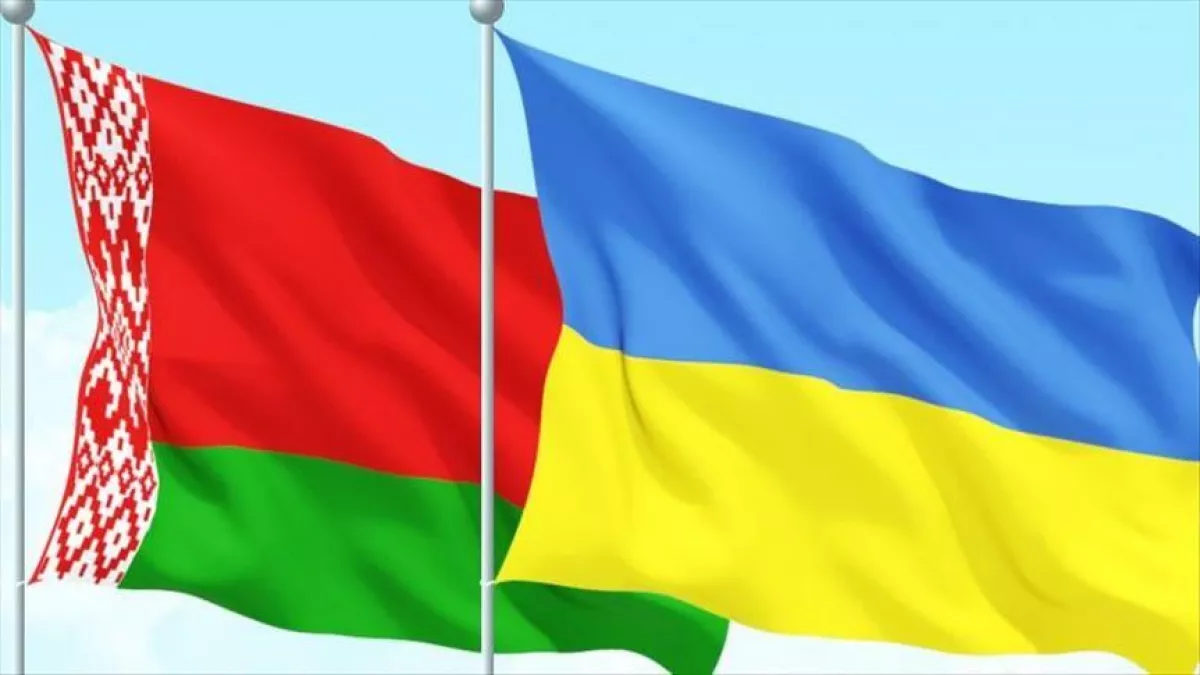
Interestingly, this discreet bilateral dynamic—and Kyiv’s recognition of its value—sometimes led, in 2022 and 2023, to the Ukrainian government lobbying Brussels and other European capitals to ease sanctions against Minsk.
Why now?
What explains Kyiv’s sudden shift in rhetoric at the beginning of 2026? Several theories circulate in the media and diplomatic circles. Some attribute it to the new Head of the Office of the President of Ukraine. Journalists have actively reported what was already well known in political circles: the former head of the Office, Andrii Yermak, consistently opposed cooperation with Belarusian opposition groups based in Lithuania and Poland.
Yet Yermak was not alone in this stance. Within the Office of the President, the Ministry of Foreign Affairs, and other government bodies, there was little understanding of what Kyiv could gain from engaging with an opposition that wields no real influence inside Belarus. Therefore, while the “Yermak factor” may have shaped past policy, it does not explain the current developments.
Another explanation boils down to the assumption that, at present, requests have been directed to Zelenskyy from Western politicians and the Belarusian opposition itself. Indeed, there is no doubt that such requests were made. Moreover, it is even clear (and known) which specific officials and from which particular country neighbouring Belarus these requests or proposals were urgently addressed to Kyiv in January.
However, this circumstance also does not explain why Kyiv “changed the record” in its Belarus policy, and why precisely now. Over the past four years, many Western politicians have made similar requests—even demands—to the Ukrainian authorities. Some of them were far more influential and important for Ukraine than those who have been active recently. Furthermore, even within the neighbouring country from which the relevant request came, not all government circles support it. Several high-ranking officials there, on the contrary, perceived Zelenskyy’s changed stance on Belarus as ill-considered, unproductive, and even dangerous—like “a set-up.”
Interestingly, within Ukraine itself, based on non-public opinions from experts familiar with Kyiv’s political inner workings, the new course on Belarus largely fails to find understanding in the “deep state.” Not in the sense that there are still particularly warm sentiments toward the Belarusian neighbour, as there were before 2022. Rather, many within Ukraine’s government bodies consider Zelenskyy’s actions—sharply raising the stakes regarding Minsk—to be too adventurous and, therefore, unjustified.
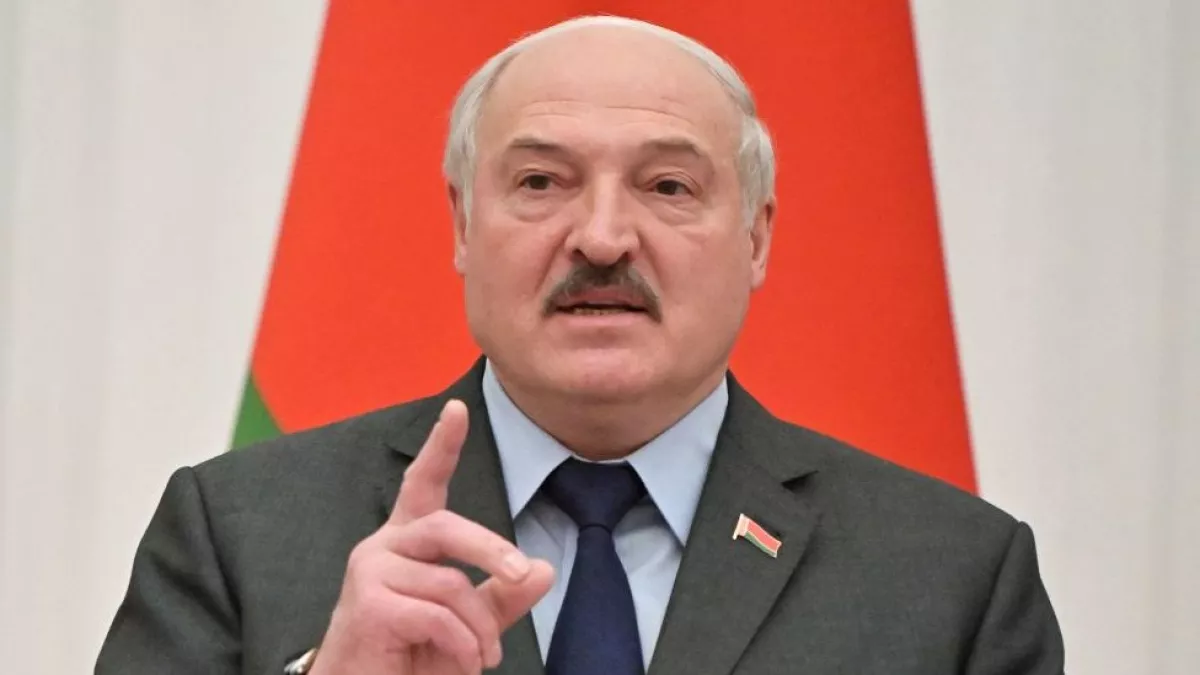
Against this backdrop, the most logical explanation comes down to another hypothesis. It seems that in Kyiv (and in some European capitals), there is growing concern over the difficult, yet gradually progressing, diplomatic process between Belarus and the United States. Presumably, there are worries that the normalisation of Belarus–U.S. relations, if it occurs, could become a model for Washington’s dialogue with Moscow. In other words, Minsk could demonstrate how, through diplomatic engagement with the United States, regional tensions can be de-escalated and a constructive agenda established. Understandably, given U.S. pressure on Kyiv to find ways to end the war, such a prospect appears threatening to Volodymyr Zelenskyy’s team.
Just rhetoric?
It is currently difficult to predict whether Ukraine’s “new systemic approach” toward Belarus will extend beyond media rhetoric and the decree itself. Firstly, Kyiv’s words and actions so far appear more political and symbolic than practically transformative. Secondly, since 2022, economic cooperation between Belarus and Ukraine has already almost entirely collapsed. Nevertheless, it cannot be ruled out that the Ukrainian authorities may take further steps in the direction of the proclaimed new policy.
All the more so, since in Kyiv there is increasing discussion that Ukraine should begin positioning itself as a more powerful and ambitious regional player, preparing the ground for a leading regional role once the active phase of the Russian–Ukrainian conflict ends. Given the current authorities’ tendency in Kyiv to operate through media and public messaging, such a line of thought seems quite natural to them. However, this automatically raises the question of whether such strategic positioning is adequate to the real situation on the frontlines and the prospects for Ukrainian statehood. Moreover, it is unlikely that other European capitals, especially in Central and Eastern Europe, will welcome these geopolitical ambitions.
It will also be interesting to observe Belarus’s reaction to these developments. Clearly, Minsk will respond in one way or another to Kyiv’s “new approaches.” And if the initiators of these policies expect that raising the stakes against Belarus will not only complicate the Belarus–U.S. dialogue but also give Ukraine an additional lever of pressure on Minsk, in practice the outcome could turn out to be exactly the opposite.







 editor@caliber.az
 +994 55 444-88-98
 Азербайджан, Баку, ул. Низами, 203, Af Business House, 5-й этаж