










The hot hemisphere Mexico strikes back at the drug cartels
A Mexican security operation in the state of Jalisco, which resulted in the elimination of one of the most powerful drug lords in the world — Nemesio Oseguera Cervantes, better known as “El Mencho” — has become a landmark event, highlighting the dynamics of political processes in the Western Hemisphere.
The leader of the Jalisco New Generation Cartel (CJNG), for whom the FBI had placed a $15 million bounty, was seen as a symbol of the power and impunity of organised crime. His activities, like those of other cartels, caused enormous harm not only — and perhaps not even primarily — to Mexico itself, but to the United States, literally flooding the country with deadly substances.
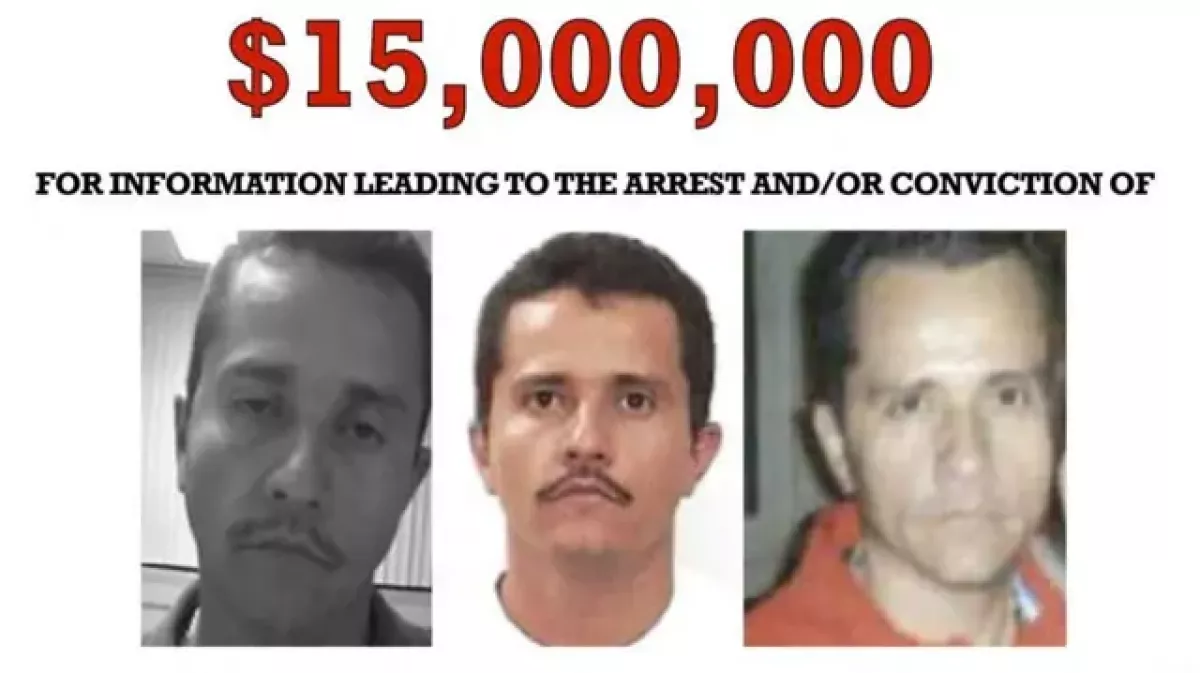
Notably, his elimination was the result of a carefully planned operation by the Mexican military, supported by intelligence from the CIA. The Americans did not participate directly, but the White House confirmed that it had shared classified information with Mexico.
This detail is significant. The Mexican authorities ensured that cooperation with the U.S. did not involve American troops on the ground. At the same time, such a threat did exist — potentially as part of a unilateral Washington operation, without the involvement of the Mexican government. President Trump had repeatedly accused Mexico of failing to secure its border and stop the flow of narcotics. From the White House came warnings of possible strikes against drug cartels on Mexican soil if the country “did not take control of the situation.”
Mexican President Claudia Sheinbaum understood that it was time to take radical measures against the cartels — both to improve relations with Washington and to demonstrate the strength of Mexico’s armed forces and the importance of its sovereignty.
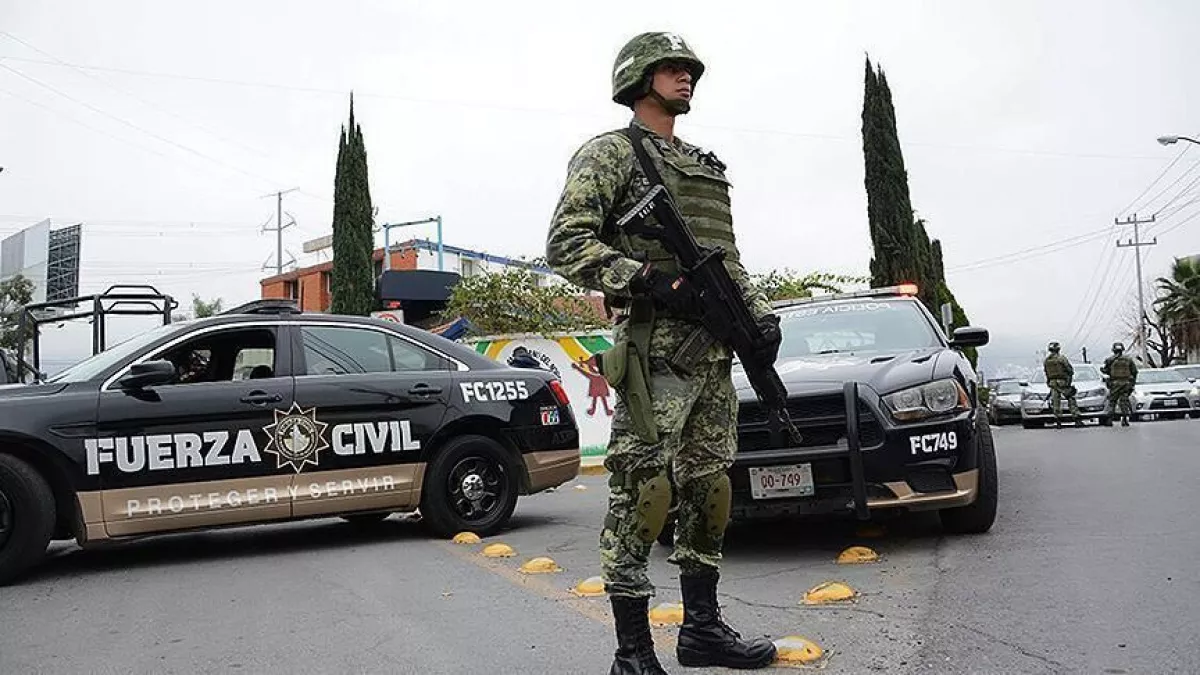
And so the war has been declared, and the first casualties have fallen. However, it is still too early to speak of a triumph. Immediately after El Mencho’s elimination, the country was hit by a wave of violence: cartel fighters carried out armed attacks on government forces, set vehicles on fire, and blocked roads across eight states. The National Guard has been deployed nationwide, hundreds of arrests have been made, drug labs destroyed, and tons of fentanyl and cocaine seized.
Experts note that neutralising the top drug lord will only be meaningful if the fight against the cartels continues at a structural level; otherwise, dozens of new cartels are likely to emerge in place of the decapitated one. Still, it can be assumed that, with U.S. intelligence involved, the operations against the cartels are likely to be systemic rather than ad hoc.
Drug trafficking is not the only point of tension between the United States and Mexico. Trump, having declared a revival of the Monroe Doctrine — which viewed the Western Hemisphere as a zone of exclusive U.S. interests — demanded that Mexico stop supplying oil to Cuba, which remains the most stable leftist regime close to U.S. shores.
Following the naval blockade of Venezuela and the capture of Maduro, which halted the country’s oil exports, Cuba has been experiencing a severe fuel crisis. In this context, Mexico sought to assist the “Island of Freedom” in coping with the shortage. However, Trump’s ongoing ultimatums and sanctions have taken their toll, and oil shipments from Mexico to Cuba have now been suspended.
Meanwhile, Sheinbaum stated that Mexico would continue to assist the Cuban people with humanitarian aid and is willing to act as a mediator in dialogue between Washington and Havana. “We stand for peace and respect for sovereignty,” she declared.
As a representative of left-leaning forces, Sheinbaum naturally sympathises with Havana and would not want Cuba to become an American protectorate.
However, the situation within Mexico could force the president to set Cuba aside. Her worst-case scenario would be full-scale cartel resistance, which could escalate into a quasi-civil war. In that case, it would be extremely difficult for Mexico to refuse American military support.
Yet this raises another obvious question: would the United States itself become so entangled in Mexico that it would have to put aside operations in Iran? And Cuba as well…







 editor@caliber.az
 +994 55 444-88-98
 Азербайджан, Баку, ул. Низами, 203, Af Business House, 5-й этаж