










Berlin’s bet on Beijing Germany courts China amid global shifts
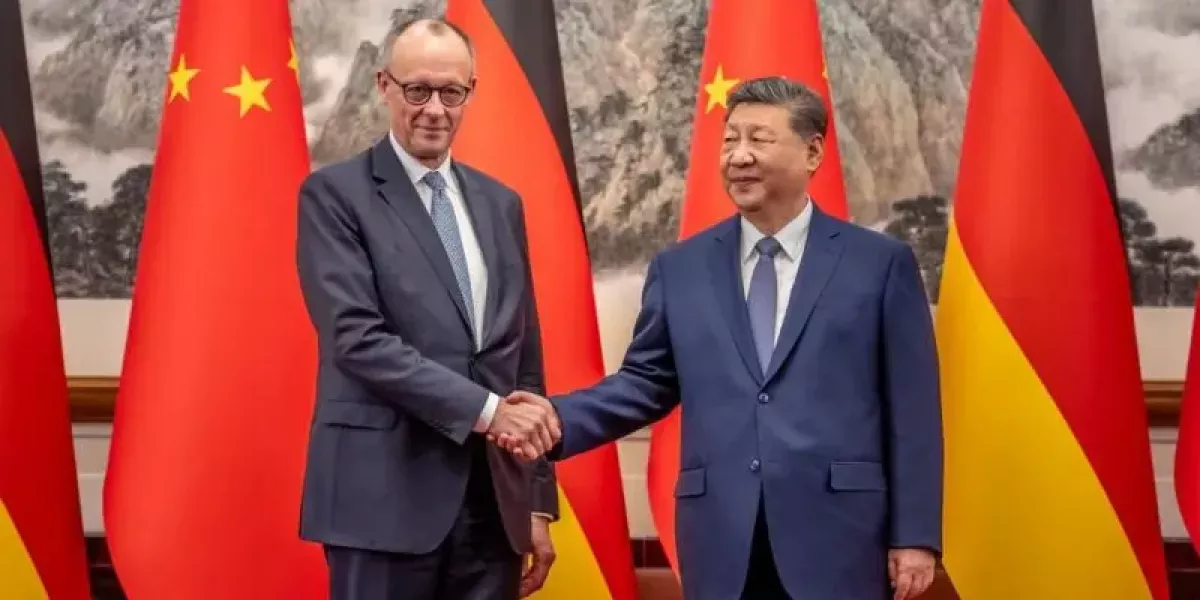
Global geopolitics is truly fascinating—especially at those moments when yesterday’s adversaries suddenly become close allies, or vice versa. Germany’s Chancellor Friedrich Merz, following the leaders of France, Canada, and the United Kingdom, recently paid a visit to China. Shortly before this, he stated that it is extremely important for Berlin to develop economic ties in all geographic directions.
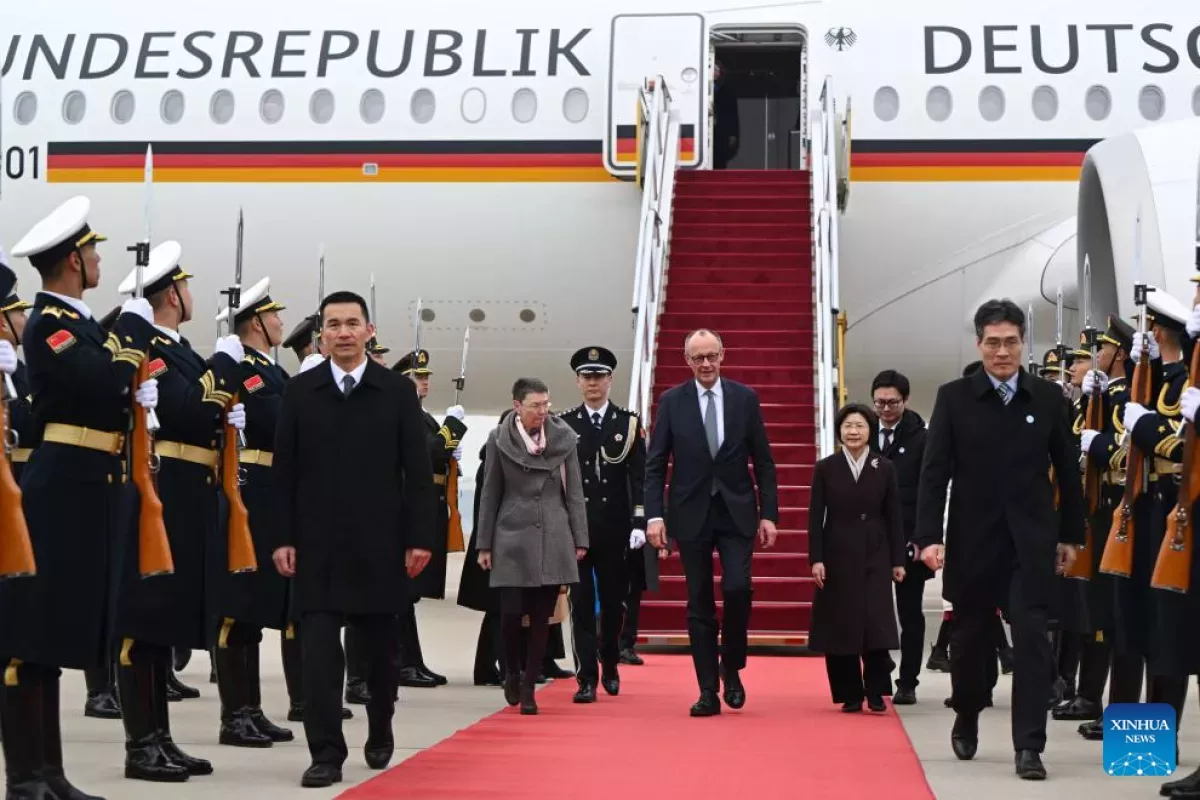
Thus, the presence of nearly 30 representatives from leading German companies in the accompanying delegation seems quite logical. While German car manufacturers once felt at home in China, the situation in this sector has noticeably changed today.
In particular, German car exports fell by almost 9% in 2025, while imports from China in this segment exceeded 12%. In line with this, experts also point to Germany’s significant dependence on Chinese rare-earth metals (REMs).
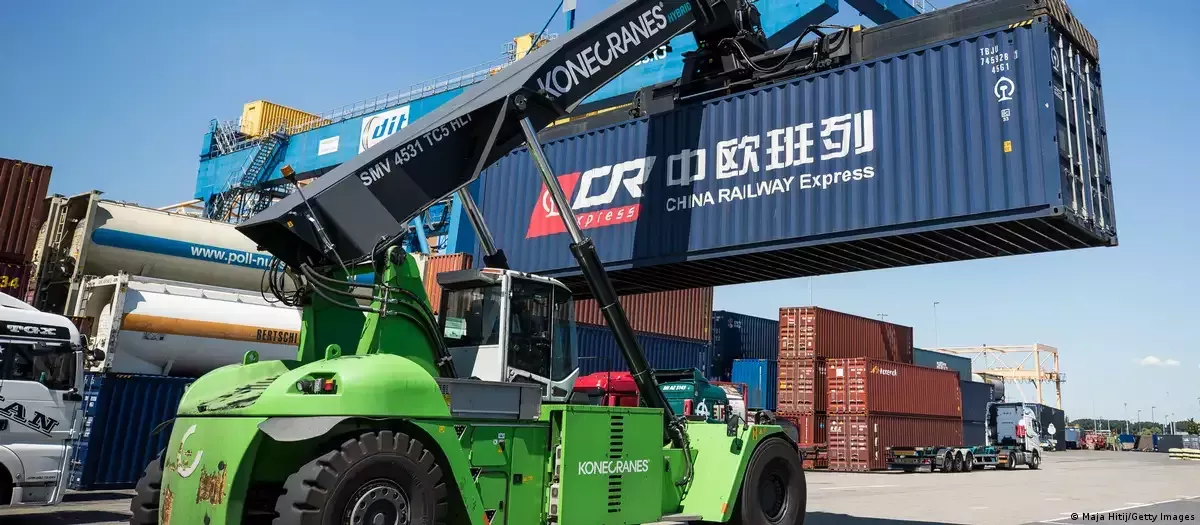
At the same time, on the eve of the visit, analysts noted that despite Berlin’s occasional critical remarks toward Beijing, 2025 made China Germany’s top trading partner, with trade turnover exceeding €250 billion. A significant downside for Germany, however, was the trade deficit, which reached €90 billion—an increase of around 30% over the year.
Yet this is only the visible part of the bilateral economic relationship. Far more significant remains the political dimension, the latest contours of which became evident in statements from Berlin and Beijing at the recent Munich Security Conference.
Speaking in a tone clearly critical of Washington and noting the “erosion of the rules-based international order,” Merz highlighted China’s ambitions to participate in shaping a new world order. At the same time, the Chancellor also took a jab at Beijing, pointing to China’s systematic use of other countries’ dependencies. In his view, China interprets the international order “in its own way.” Furthermore, Merz stressed that, in the foreseeable future, Beijing will view Washington in military terms as a factor of strategic rivalry.
Meanwhile, on the same platform, China’s Foreign Minister Wang Yi, acknowledging that chaotic trends and manifestations of the “law of the jungle” (a clear reference to the U.S.) have intensified globally over the past year, drew attention to the Global Governance Initiative proposed by Chinese President Xi Jinping. The initiative emphasises the principles of sovereign equality and the primacy of international law, which, according to Beijing, would allow for the joint creation of a more just and rational system of global governance and advance the formation of a Community with a Shared Future for Mankind.
Wang Yi metaphorically described this approach as a “Chinese compass,” intended to help the “great ship of history navigate storms toward a bright shore.” In this way, China subtly signalled its claim to be a progressive force capable of guiding global development.
With this political and economic agenda in hand, Berlin and Beijing began discussions on pressing contemporary issues. However, on the first day of the visit, the two sides limited themselves to signing agreements on cooperation in combating climate change, creating conditions for the resumption of German pork exports, and restoring trade in chicken feet.
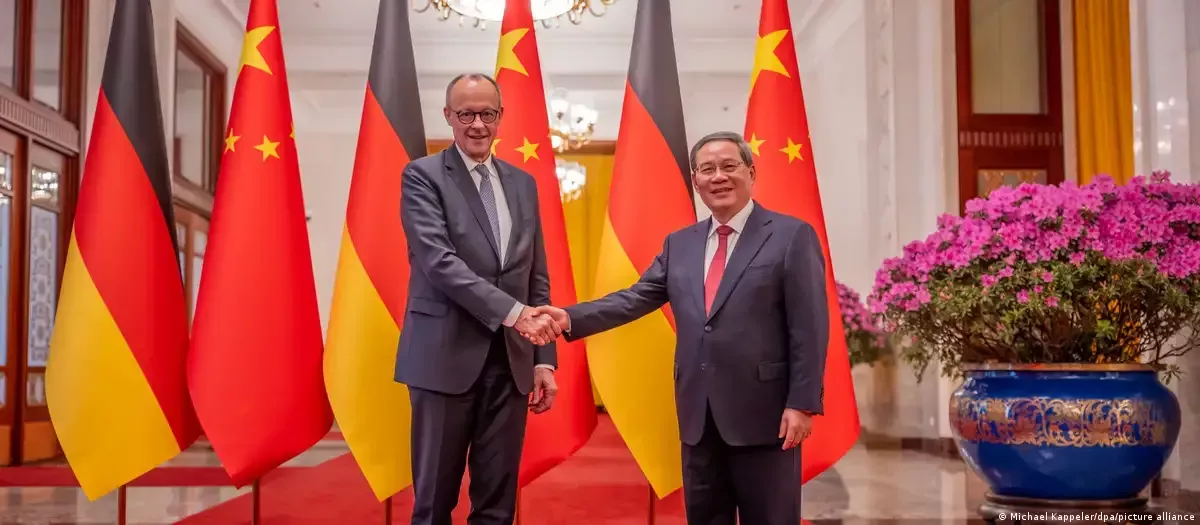
In a conversation with Premier of the State Council of China Li Qiang, Germany’s Chancellor emphasised the need to develop joint solutions, taking into account the shared responsibility of the two countries in global affairs. Li Qiang, in turn, expressed support for jointly defending the principles of “multilateralism and free trade.”
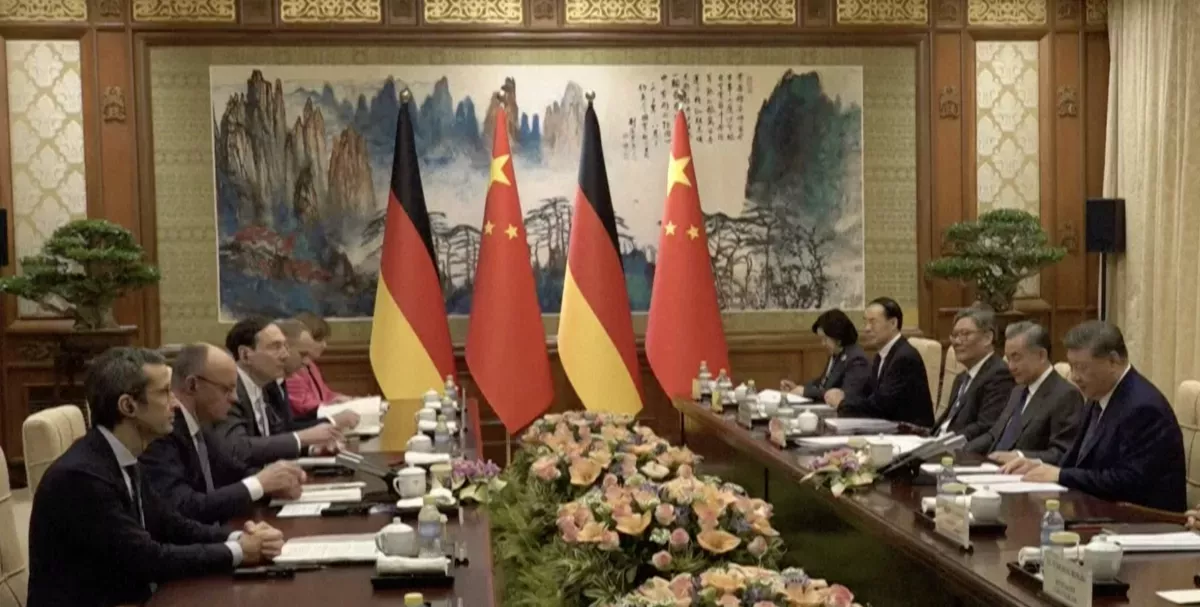
At the meeting with Xi Jinping, Merz called for increased investment in Germany and stressed the importance of Beijing reducing “market imbalances.” The Chinese President, for his part, highlighted the need to strengthen strategic communication between China and Germany as “two leading world economies,” which, he said, would help safeguard free trade.
Xi Jinping also stated the value of joint efforts to create a “balanced system of global governance” and symbolically reaffirmed Beijing’s support for “Europe’s autonomy and self-sufficiency.” In this context, he stressed that Berlin and Beijing should uphold the “central role of the UN,” taking initiative to preserve multilateralism and the “rule of international law.”
It appears that this closing emphasis by the Chinese leadership became one of the leitmotifs of the German-Chinese talks, as it effectively conveyed the idea of positioning the UN against Trump’s “Board of Peace.” Xi Jinping’s remark supporting Europe’s “strategic autonomy” also speaks for itself.
In line with this approach, Chinese media reported Merz as saying that Beijing and Berlin face challenges that “must be overcome together.”
Moreover, Chinese sources quoted the Chancellor as noting that he is leaving China deeply impressed by the country.

During the visit, companies from both countries signed more than ten commercial agreements, covering not only the automotive sector but also mechanical engineering, energy, logistics, and finance. According to Chinese media assessments, this reflects a deepening of practical cooperation between the two sides.
Yet the key question remains open: how far is Brussels in general, and Berlin in particular, willing to go in geopolitical co-leadership with China? Clearly, if this tandem moves beyond rhetoric and takes concrete form, it will inevitably be perceived as a bloc-oriented format aimed against the United States.
Indeed, in recent times—especially at the Munich Security Conference—European politicians have been noticeably bolder in articulating their own agenda, often in ways that diverge from Washington’s parameters. The question, however, is how sustainable this line will be, especially since China openly asserts its leadership in the process.
On the other hand, in the coming days, the Chancellor will travel to Washington, the capital of a country that is unlikely to be pleased that China has surpassed the U.S. to become Germany’s main trading partner. As the saying goes, calm is only a dream.







 editor@caliber.az
 +994 55 444-88-98
 Азербайджан, Баку, ул. Низами, 203, Af Business House, 5-й этаж