










Azerbaijan’s role in the US–Iran dialogue Analysts weigh in
Azerbaijan has long established itself on the international stage as an actor capable of facilitating dialogue between parties that, as the saying goes, stand on opposite sides of the barricades.
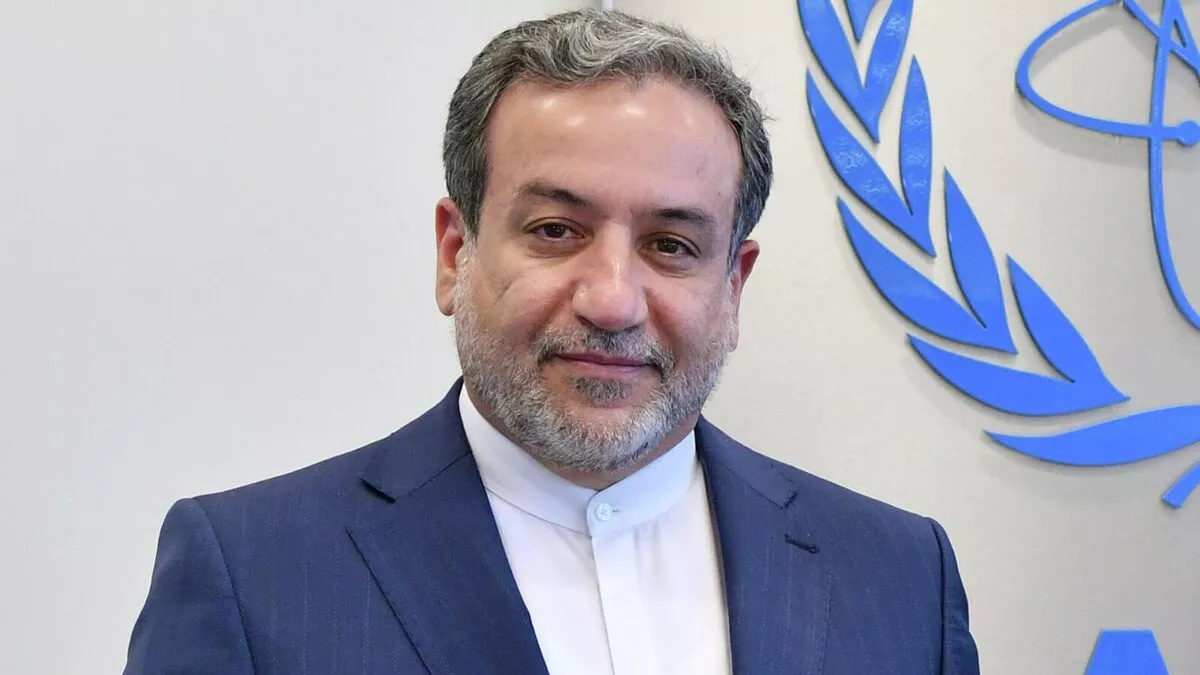
Another confirmation of this fact came from Iranian Foreign Minister Abbas Araghchi, who praised the efforts of Azerbaijan, as well as other regional countries, aimed at reducing tensions and emphasised the importance of their role in facilitating negotiations between Tehran and Washington.
"We have great respect for the goodwill and sincere efforts of regional states. Their role in easing tensions, preventing extreme measures, and encouraging the parties to engage in dialogue has been highly effective. Support from regional countries for the negotiation process is of great significance, and we will continue consultations with them," the Iranian minister stated.
What do analysts think about Baku’s role in the negotiation process and in mitigating the risk of escalation between the US and Iran? What approaches and formulas does Azerbaijani diplomacy employ? Caliber.Az explores these questions with an Azerbaijani political analyst and a diplomat specialising in Iranian affairs.
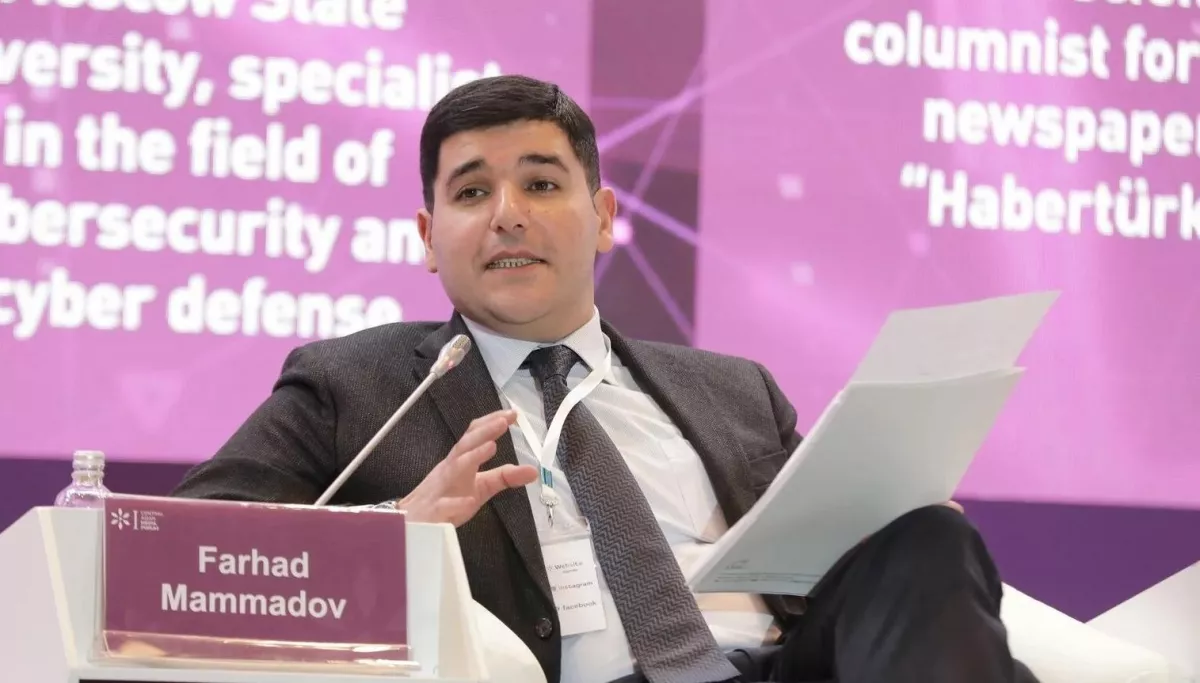
Thus, Farhad Mammadov, a political scientist and head of the South Caucasus Research Centre, noted that Iran structures its diplomacy in a way that allows its messages to be relayed through neighbours and intermediaries, while simultaneously conducting direct talks with the United States and rejecting any formal mediation between the two sides.
“This is a rather complex, multi-layered, and in some respects contradictory diplomacy on Tehran’s part. As for Azerbaijan’s inclusion among the countries Araghchi expressed gratitude to, there are several nuances worth underscoring. First, Baku has never sought to impose itself as a mediator; rather, it has consistently advanced a principled position: that developments around Iran should remain confined to dialogue and must not slide into a phase of military confrontation.
The key point is that the status of a peace mediator presupposes the consent of both sides, and we see that neither the Islamic Republic nor the United States requires this kind of classical mediation in the traditional sense. An important element, therefore, is that Baku has primarily declared that its territory and airspace cannot be used against the Islamic Republic.
Second, given the rising level of U.S.–Azerbaijan relations and the depth of Azerbaijan’s strategic partnership with Israel, it is possible that Tehran conveys some of its principal messages via the Azerbaijani channel — but this does not mean that Azerbaijan is engaged in classical mediation. In the context of bilateral Azerbaijan–Iran relations, it is crucial to clearly fix Baku’s position at this level,” Mammadov said.
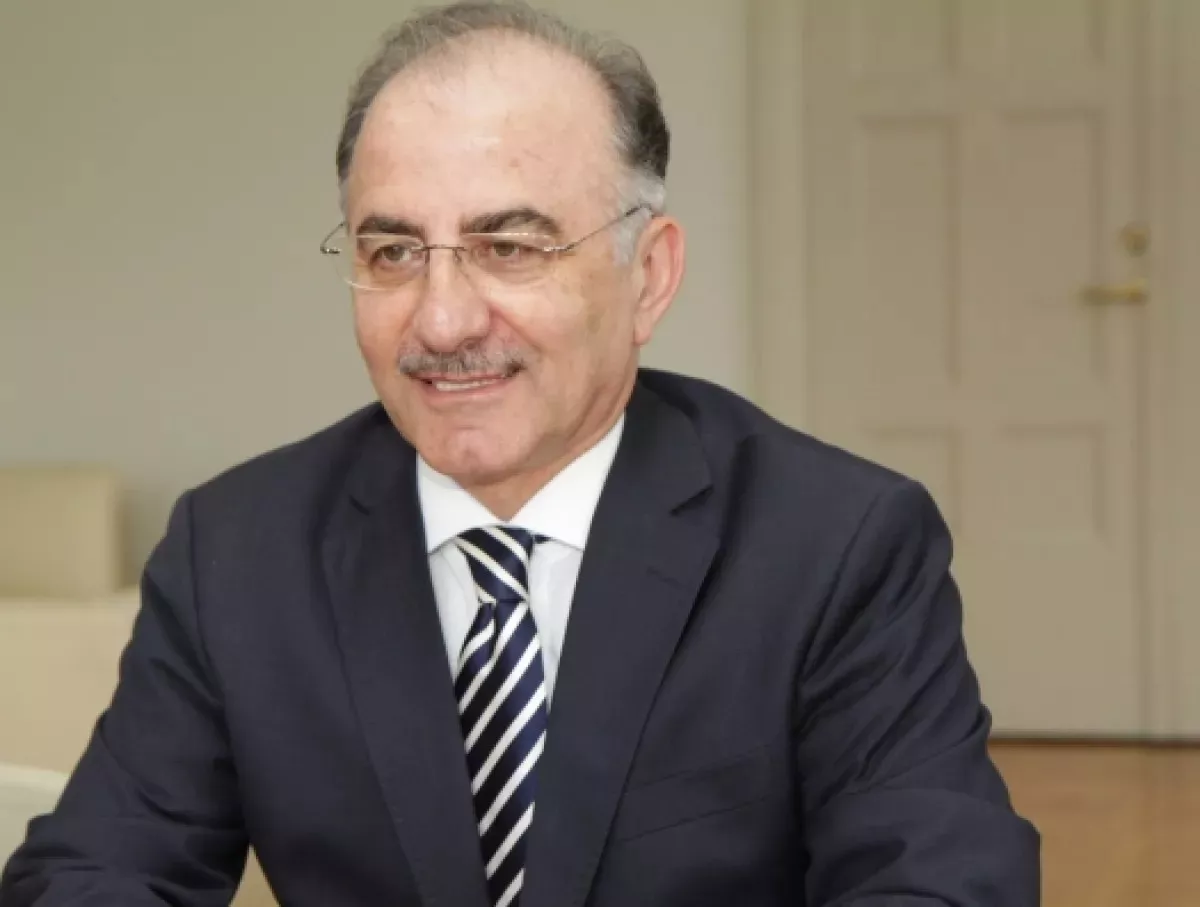
In turn, former Azerbaijani ambassador to Iran and Latvia, Javanshir Akhundov, emphasised that a large portion of the population of the Islamic Republic of Iran consists of peoples closely linked to Azerbaijan: Azerbaijanis, Persians, Kurds, Turkmens, Khorasan Turks, Arabs, and others. He also noted that Azerbaijan shares an extensive border with Iran.
“These important factors predetermine our concern over the military-political situation that has developed around the Islamic Republic. For this reason, our country’s leadership has stepped up its efforts. In particular, a phone conversation took place between Azerbaijani President Ilham Aliyev and Iranian President Masoud Pezeshkian, during which both concerns over the situation and Baku’s readiness to pursue diplomatic efforts aimed at preventing escalation around Iran were voiced. Therefore, Azerbaijan’s capabilities as a mediator can be described as distinctive and unique: they stem from its positive relations with Israel as well as its effective and constructive ties with the United States.
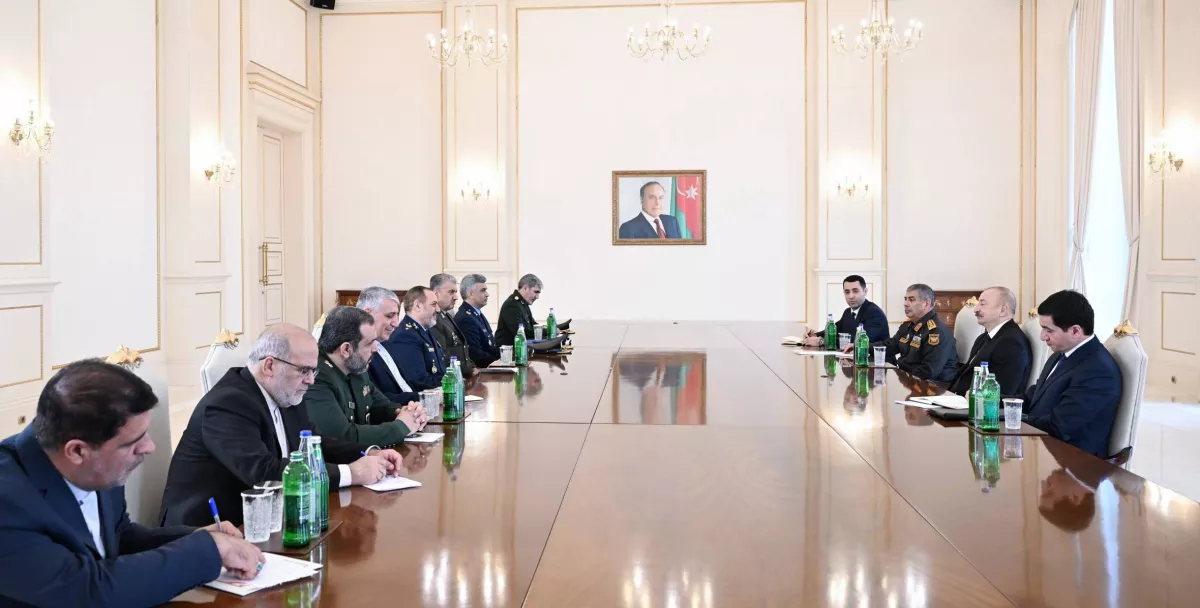
In this context, the visit of Iranian Defence Minister Aziz Nasirzadeh to Baku — undertaken at the instruction of Masoud Pezeshkian — is also noteworthy. During the visit, the Azerbaijani side once again reaffirmed its position toward the Islamic Republic as a friendly neighbouring state and stressed that no threats would originate from Azerbaijani territory. The parties also discussed Baku’s potential role in facilitating compromise and dialogue between the sides. Consultations on this matter undoubtedly took place at the level of the two countries’ foreign ministries as well.
I believe this approach by Baku has been properly recognised by the Iranian leadership, and the comprehensive set of diplomatic measures taken by Azerbaijan — together with the efforts of other participants in the peace process — has played a meaningful role. This was reflected in the statement by Iran’s Foreign Minister Abbas Araghchi, who highly praised the efforts of Azerbaijan and other regional states to reduce tensions and emphasised the importance of their role in encouraging negotiations between Tehran and Washington,” Akhundov concluded.







 editor@caliber.az
 +994 55 444-88-98
 Азербайджан, Баку, ул. Низами, 203, Af Business House, 5-й этаж