










Conflict between Budapest and Kyiv: Is a compromise impossible? Expert opinions on Caliber.Az
The conflict between Kyiv and Budapest seems likely to intensify over time, as the rhetoric from both sides indicates little willingness to meet halfway. This was confirmed by an open letter published by Hungarian Prime Minister Viktor Orbán on the social media platform X, addressed to Ukrainian President Volodymyr Zelenskyy.
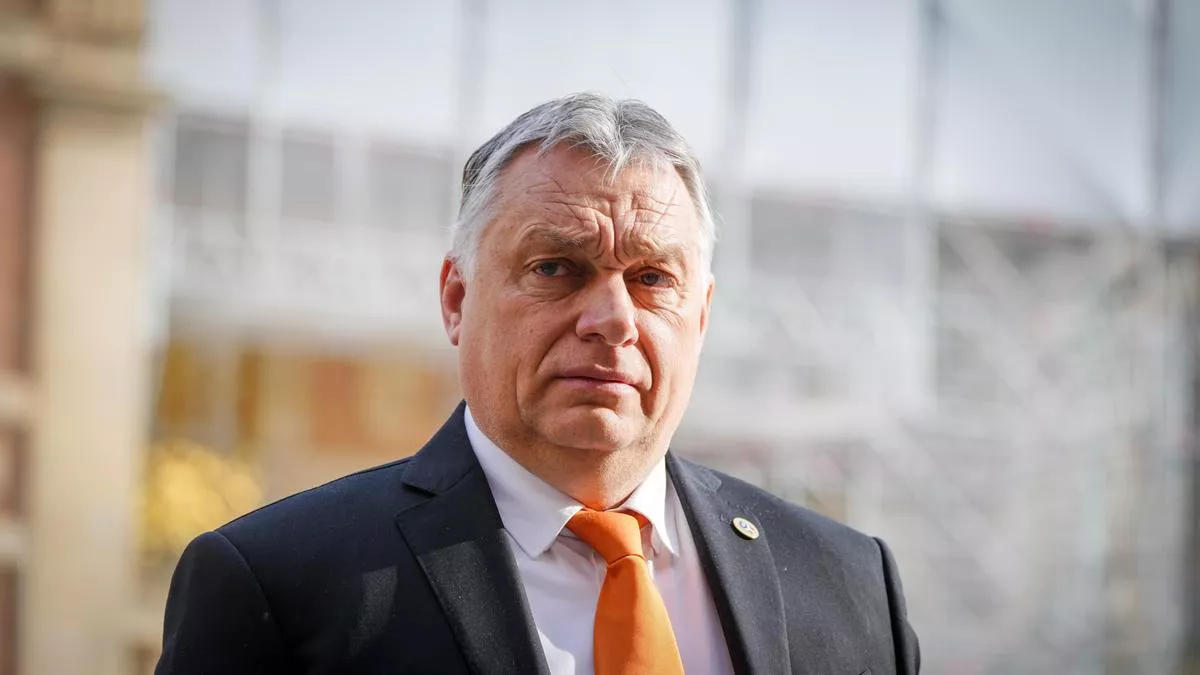
In his message, Orbán specifically called on the Ukrainian leader to change “his anti-Hungarian policy and refrain from further attacks on Hungary’s energy security”:
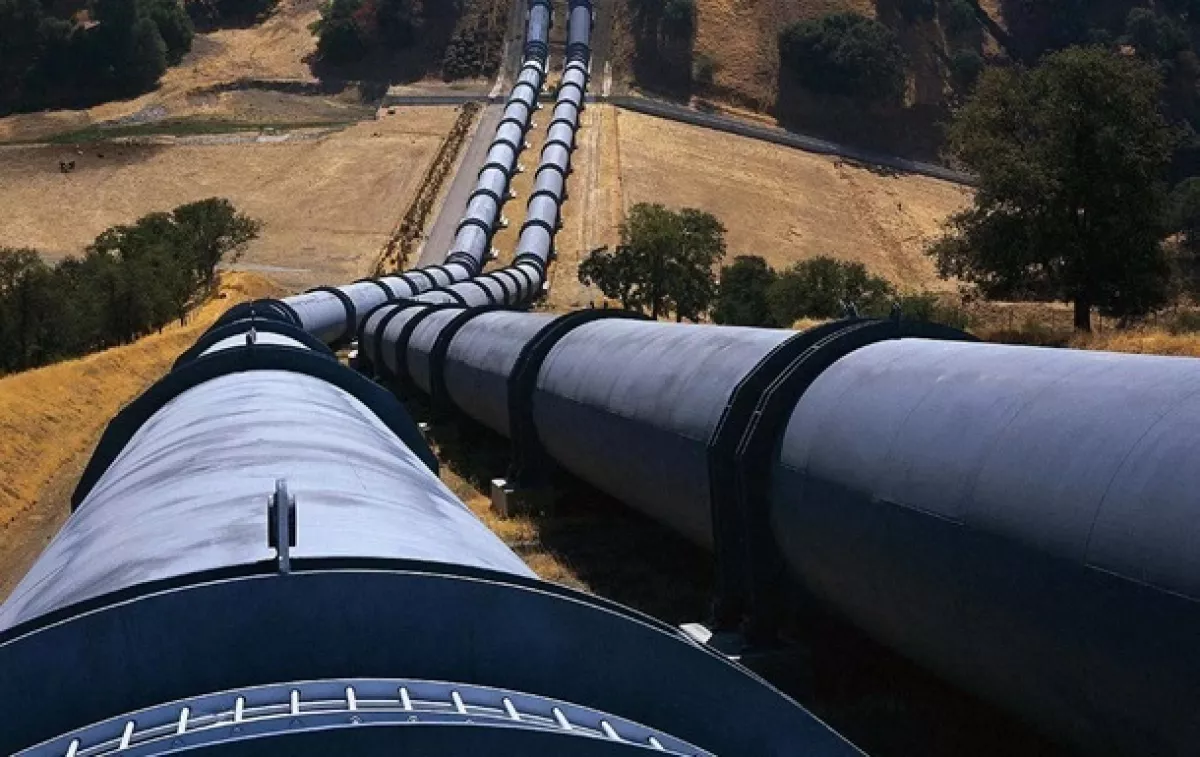
“In recent days, you have blocked the Druzhba oil pipeline, which is critical for Hungary’s energy supply. Your actions are contrary to Hungary’s interests and jeopardize reliable and affordable energy for Hungarian families. Therefore, I urge you to change your anti-Hungarian policy! We, the Hungarian people, are not responsible for the situation in which Ukraine finds itself. We sympathize with the Ukrainian people, but we do not want to participate in the war. We do not want to finance military operations, nor do we want to overpay for energy resources. <…> More respect for Hungary!”
In turn, Kyiv claims that it is impossible to resume operations of the oil pipeline due to technical issues; however, neither Slovakia nor Hungary agree, maintaining that the pipeline was shut down solely for political reasons. As a result of the suspension of oil supplies via the Druzhba pipeline, Budapest vetoed the 20th EU sanctions package against Russia and refused to approve the EU’s €90 billion “military loan” for Ukraine.
What concessions must Kyiv and Budapest make to find common ground and reach at least some form of compromise? And more broadly, what exactly constitutes the “attacks on Hungary’s energy security,” as claimed by Viktor Orbán? These questions are addressed by a Hungarian analyst and a Ukrainian political scientist for Caliber.Az.

Hungarian analyst József Kovács believes that the President of Ukraine is exploiting the contradictions between Hungary and the European Union, implementing a policy of covert sanctions against Budapest, which has so far manifested in restrictions on oil supplies to Hungary.
“Kyiv decided to take retaliatory measures against Budapest because Zelenskyy is fully aware of Prime Minister Orbán’s position, who does not want Europe to become further drawn into the Russia–Ukraine war and to expend its resources. It is in the Ukrainian leader’s interest to involve Europe as much as possible in this process, so that at some point Russia might enter into an open armed conflict with NATO and the EU. In his view, Ukraine would then gain reliable protection and find it easier to fight, having the support of the full European military potential behind it.
On the other hand, Kyiv is in great need of loans to purchase weapons, and there is a corrupt element to the whole game: European loans and arms are being very effectively ‘absorbed’ within Ukraine, and a significant portion of these resources simply disappears — Europeans have repeatedly expressed concern over this. The Hungarian Prime Minister sees this game by Kyiv and opposes dragging European countries into this endless chaos.
Thus, the blocking of oil supplies via the pipeline and other measures taken by Kyiv against Hungary are an attempt to pressure Budapest’s consistent non-interventionist policy in the Russia–Ukraine conflict. Kyiv acts very confidently because it is aware of the disagreements between Hungary and Brussels, believing that few will support Orbán. However, this is not the case: Slovakia also intends to inspect the Druzhba pipeline, and now the prime ministers of both countries — Viktor Orbán and Robert Fico — are demanding that President Zelenskyy grant access to the facility,” Kovács stated.

Meanwhile, Ukrainian political scientist and Doctor of Political Science Petro Oleshchuk noted that Budapest’s current harsh rhetoric is largely a consequence of Hungary’s domestic political situation.
“Orbán has adopted an anti-Ukrainian stance as a central element of his election campaign. His strategy revolves around the thesis that Brussels is allegedly colluding with Kyiv, that the EU is acting in concert with Ukraine against Hungarian interests, and that only he stands as the guardian of the sovereignty of the Hungarian state. This is a convenient and easily understandable construct for voters — the image of an external threat and a strong leader opposing it,” he said.
The expert highlighted Hungary’s specific grievances, particularly its demands for the resumption of operations of the Druzhba oil pipeline.
“These demands seem, at the very least, strange, because the infrastructure disruptions resulted from Russian attacks on Ukrainian energy facilities. However, Orbán’s public rhetoric downplays Russia’s role; he ignores the attacks on Ukraine’s oil and gas system but continues to demand that Kyiv immediately resolve the issue. It seems that the real causes of the crisis matter less to him than the opportunity to use the situation for internal mobilisation,” the political scientist added.

According to him, Kyiv’s position is that responsibility for the damaged infrastructure lies with Moscow, and it is Russia that should be approached to halt the attacks:
“If Budapest is truly concerned about stable energy supplies, it would make sense to appeal to Russia for an energy truce or to seek alternative routes. Ukraine, facing systemic strikes on its energy sector, must prioritise providing gas and electricity to its own citizens. Hungarian oil cannot be its priority. Demands on Kyiv amid ongoing attacks are illogical.”
He also emphasised that claims of a “threat to Hungarian energy from Ukraine” are an element of political dramatization:
“Ukraine has not carried out and does not intend to carry out strikes against Hungarian infrastructure — it has neither the motive nor the practical need to do so. Yet creating the image of a ‘Ukrainian threat’ allows public opinion within Hungary to be stirred up. This is a deliberate course aimed at demonising Ukraine and its leadership ahead of elections.”
The political scientist is sceptical about the likelihood of a compromise between the two countries’ leaders in the short term:
“It is unlikely that serious agreements will be reached before Hungary’s electoral cycle ends, because for Orbán, election strategy currently takes precedence over balancing interests. Opportunities for a more constructive dialogue may emerge after the elections, when the need for harsh rhetoric diminishes and pragmatic solutions come to the forefront. For now, the confrontational line is being used as a tool for political mobilisation.”







 editor@caliber.az
 +994 55 444-88-98
 Азербайджан, Баку, ул. Низами, 203, Af Business House, 5-й этаж