










“Bridge of Peace” tests a new reality Armenian experts weigh in on Baku–Yerevan dialogue
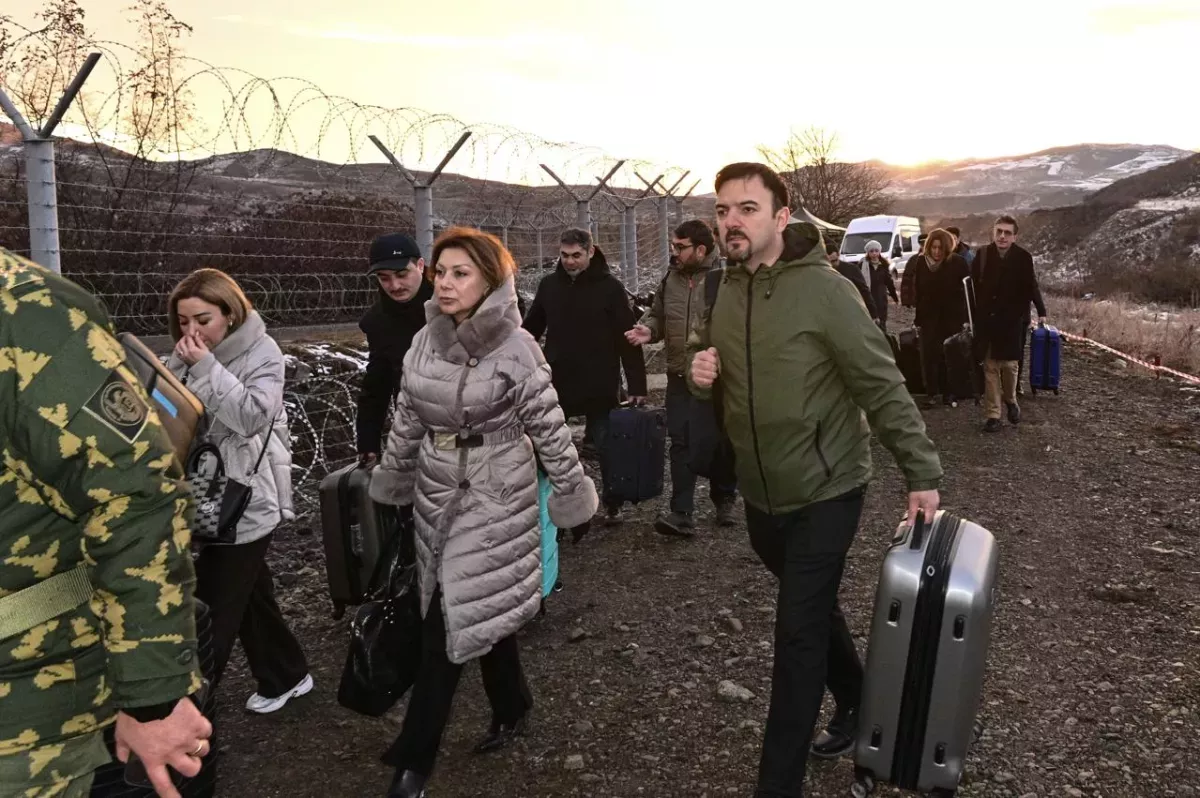
On February 13–14, 2026, the Armenian city of Tsaghkadzor hosted a bilateral roundtable under the Bridge of Peace initiative, bringing together civil society representatives from Azerbaijan and Armenia. For the first time, the Azerbaijani delegation entered Armenia via the officially delimited and demarcated sections of the land border, completing all required formalities. This milestone serves as a practical demonstration of progress on the peace agenda and the strengthening of mutual trust between the two countries.
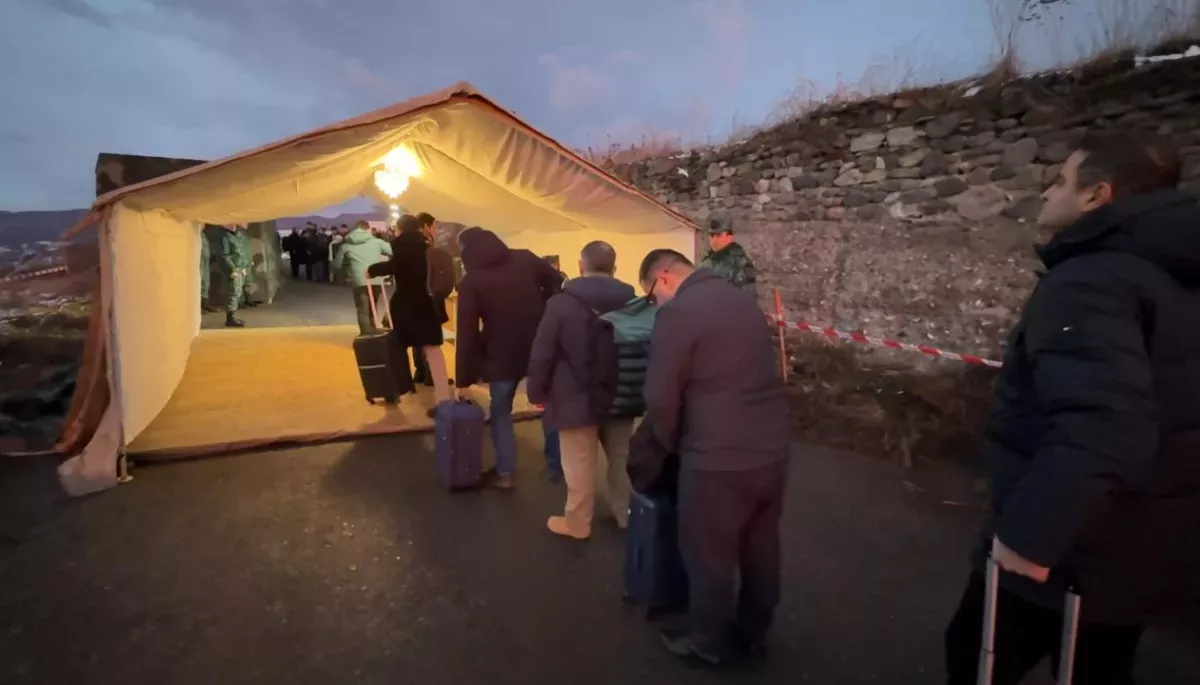
During the meeting, participants examined developments arising from the peace agenda adopted at the Washington summit on August 8, 2025, the contours of an emerging regional security architecture, societal perceptions of normalisation between the two countries, prospects for economic cooperation, and the role of civil society in fostering mutual understanding and trust.
Caliber.Az invited the Armenian participants of the roundtable to share their assessments of the meeting’s outcomes.
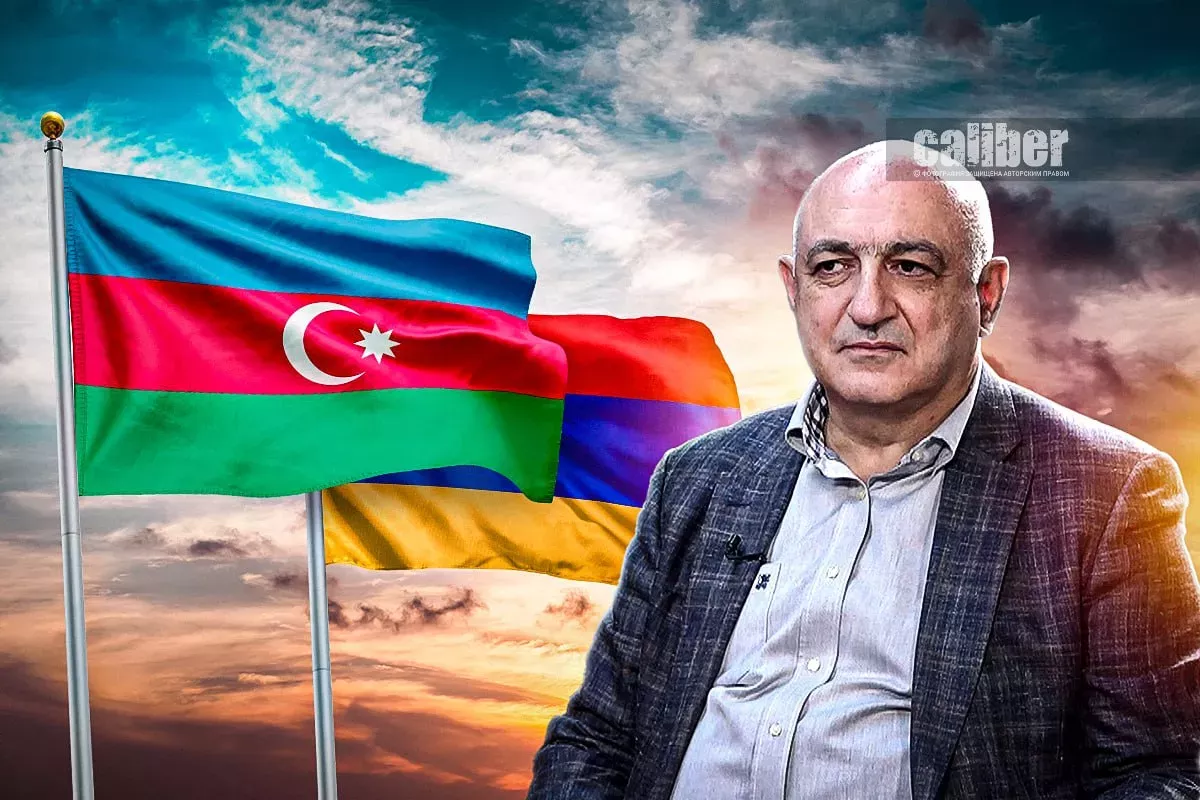
Honorary president of the Yerevan Press Club and political analyst Boris Navasardyan believes the facts speak for themselves.
“The crossing of the land section of the Armenian–Azerbaijani border by Azerbaijani representatives, with all procedures duly observed, is noteworthy in itself. Equally significant was the expanded roster of participants, which had been published by the Bridge of Peace initiative group even before the meeting began.
We remain fully committed to our obligations to the publics of both countries, ensuring openness, transparency, and inclusiveness throughout this initiative. Given the very limited timeframe, the depth of both the formal discussions and informal exchanges exceeded my highest expectations.
The participants addressed nearly the entire spectrum of issues existing in the relations between the two countries and the region as a whole—from dialogue through culture to the effective use of water resources. The presence of subject-matter experts, enabled by the expanded format, highlighted the importance of collaboration for the development prospects of both Armenia and Azerbaijan across all areas,” the analyst emphasised.
Navasardyan also mentioned several concrete directions of the Bridge of Peace initiative, noting that agreements were already reached at the start of the event on joint research regarding the development of transport communications, as well as on the preparation of collaborative articles by the participants on a variety of topics of mutual interest.
“There remains some dissatisfaction with the Tsaghkadzor meeting, as no new concrete projects were launched. However, as I have already noted, the time was limited, and the richness of the discussions, I hope, will help compensate for this shortfall in the near future—either before the Armenian group’s reciprocal visit to Azerbaijan or during the next meeting.
Given the first steps our countries have taken in the field of economic cooperation, the Bridge of Peace format—which currently brings together leaders of civil society organisations, experts, and journalists—could be further expanded to include business representatives. I am confident that their interest in each other’s markets will make these contacts highly valuable.
Finally, the issue of cross-border community contacts naturally arises—especially following the crossing of the delimited and demarcated border section, first by the former Deputy Prime Minister of Armenia, and last Friday by the Azerbaijani participants of the Bridge of Peace initiative,” said Navasardyan.

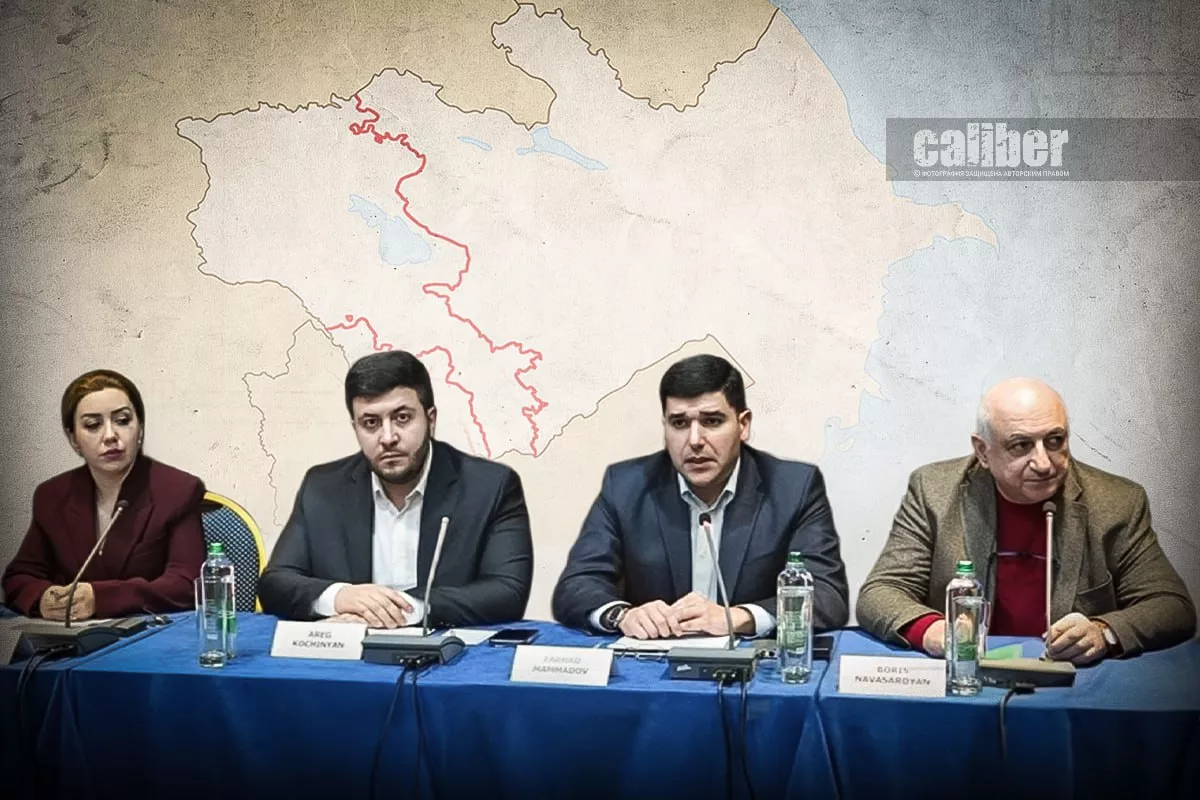
Samvel Meliksetyan, a representative of the Armenian delegation to the Bridge of Peace initiative and an expert at the Research Center on Security Policy overseeing logistics and communications within the initiative, believes the conference marked a transition to a new qualitative stage.
“First, there is the expansion of the participant format—on the Armenian side, it is now ‘5 plus 15.’ New participants and a new method of crossing the border were introduced. As is known, the Azerbaijani delegation arrived in Armenia by land via the delimited and demarcated section of the border near the Azerbaijani village of Ashaghi Askipara and the Armenian village of Voskepar, which carries significant symbolic meaning. It can be said that this time we tested the operation of the expanded format, which, in turn, brings its own unique features.
New participants had the opportunity to get to know each other, new issues were raised, and new agendas were proposed, which I hope will develop into distinct initiatives and be worked on by different groups, including media representatives, civil society actors, and organisations from our countries. As for logistics, there was also a discussion, with the presentation of positions, opinions, and approaches from both the Armenian and Azerbaijani sides,” the political analyst noted.
In his view, a general understanding of many issues is taking shape. The main challenge and key question, he emphasised, is chronology.
“That is, how specific issues will be addressed and in what order, particularly from the perspective of the Armenian side,” the expert stressed.
According to him, since the economic track is already taking shape and developing—such as fuel supplies from Azerbaijan to Armenia, including rail transport—and the range of goods exchanged between the two countries is planned to expand significantly, the next step should be the launch of direct transport links between Armenia and Azerbaijan.
“This approach is important for improving transport efficiency and reducing shipping costs. In addition, it represents a symbolic step toward establishing cooperation and reopening communications between the two sides. Of particular significance is the Gazakh–Ijevan section, as during the Soviet era it served as the main artery connecting Armenia with Azerbaijan and Georgia. A major gas pipeline also ran along this route, which in the future opens the possibility of restoring gas supplies from Azerbaijan to Armenia,” the political analyst noted.
Various technical issues related to the implementation of the Trump Route for International Peace and Prosperity (TRIPP), which is of interest to both Azerbaijan and Armenia, were also discussed.
“One of the proposals from the Armenian side is to open rail transit to Nakhchivan via Georgia, which could become feasible in the near future with the restoration of the Yeraskh (Armenia)–Sadarak (Nakhchivan) section, which is only 6–7 kilometres long. This would, for example, allow travel from the main part of Azerbaijan to Nakhchivan along the rail route Baku–Tbilisi–Gyumri–Yeraskh–Nakhchivan. This issue is particularly relevant now, since the restoration of rail service on the Armenian section from Meghri to Nakhchivan along the TRIPP route is estimated to take several years. The proposed alternative would allow regional communications to be launched more quickly,” the expert emphasised.
He noted that such meetings undoubtedly contribute to a better understanding of each other’s positions and an appreciation of the interconnected nature of the processes. Looking ahead, the Armenian and Azerbaijani sides are considering involving Georgian colleagues in discussions on this topic.
“In this context, it is crucial that the opening of regional communications and new opportunities arising from the normalisation of Armenian–Azerbaijani relations does not create new lines of conflict, confrontation, or unhealthy competition between the parties. On the contrary, it should promote more effective regional connections and communications, creating new opportunities for all.
In this scenario, the Georgian side—especially if the issue of lifting sanctions on Iran and resolving the conflict with the United States is positively addressed—would gain new opportunities for transporting various goods to Europe via Nakhchivan, Armenia, Georgia, and the Black Sea ports. This is a highly promising prospect for both Georgia and Iran. Such routes could serve multiple purposes. In short, it is very important that this format takes such issues into account and provides a platform for their discussion,” concluded Meliksetyan.







 editor@caliber.az
 +994 55 444-88-98
 Азербайджан, Баку, ул. Низами, 203, Af Business House, 5-й этаж