










Azerbaijan strengthens its role as Europe loses initiative Expert opinions on Caliber.Az
Last week, the attention of international analysts and leading global media focused on the first meeting of the Board of Peace in Washington, chaired by U.S. President Donald Trump. Azerbaijan’s President Ilham Aliyev received a personal invitation from the American leader and participated in the new platform as a representative of a founding state.
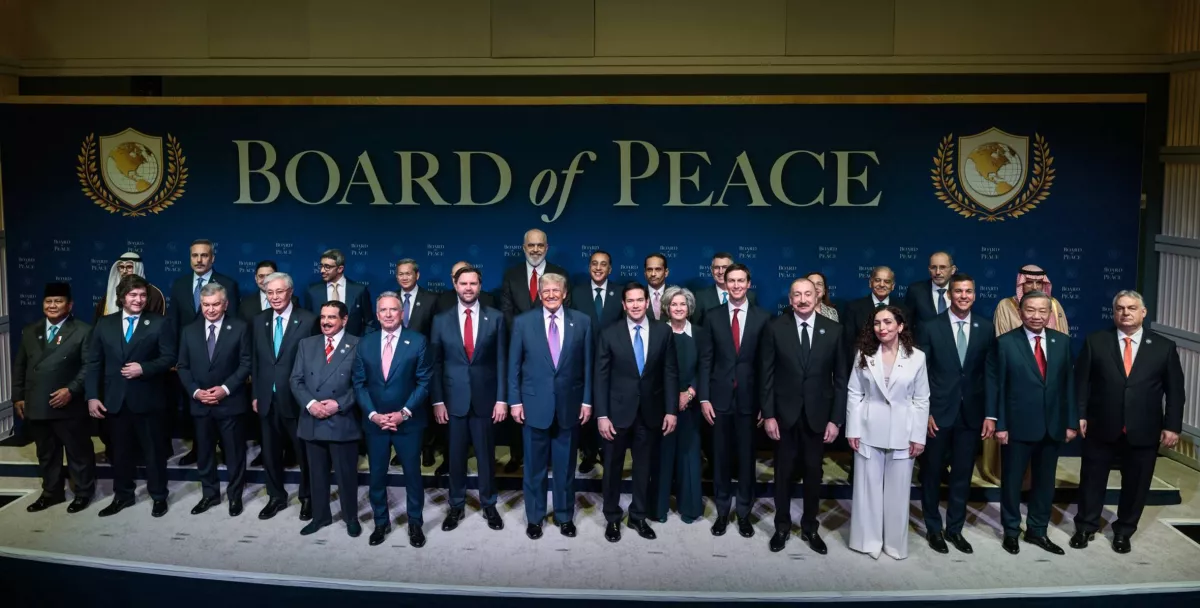
The meeting itself has already taken place, but its outcomes continue to be actively discussed. The formation of a new type of interaction, the announced initiatives, and the political emphasis became subjects of analysis both in the U.S. and beyond. Azerbaijan’s inclusion among the founding countries of the Board reflects the strengthening of its position in the international system and confirms Baku’s growing involvement in shaping the new architecture of global security.
Azerbaijan’s official stance was clearly defined: the country is ready to participate in the Board’s peacekeeping and humanitarian initiatives, but does not consider a military component for itself. This approach demonstrates Azerbaijan’s pragmatic and carefully calibrated foreign policy.
How do foreign analysts assess Azerbaijan’s participation and role in the Board of Peace? International experts share their opinions with Caliber.Az.
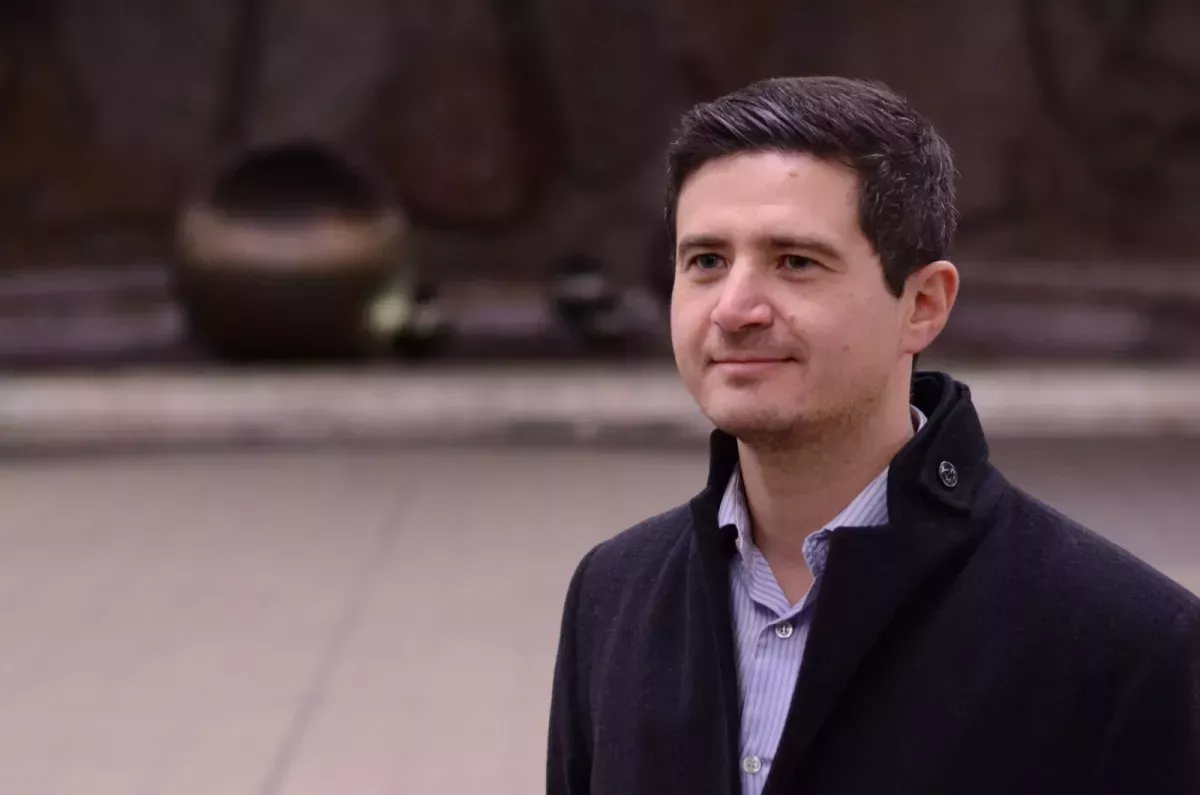
Alexey Chernov, the chief expert at the Belarusian Centre for Analytical Forecasting, emphasised that the Board of Peace is being established amid an extremely tense environment and the breakdown of many long-standing political frameworks — and this is by no means accidental.
"The collapse of previous approaches, the bureaucratisation of the UN — where for a long time everything has boiled down to empty statements and the adoption of ineffective resolutions — the passivity of world leaders, and the evident crisis of ideas and political will, have all created the need for an alternative mechanism: a platform of arbiters capable of addressing key international issues that have long been overdue and require immediate resolution.
The Board of Peace is a coordinated response by a world leader to the chaos that now reigns in the international system, where it has become clear that new rules of the game must be developed. The crisis has indeed taken on a systemic character, affecting not only the UN but also Europe, which continues to operate largely by inertia. European leaders are not always able to respond quickly and effectively to existing challenges, particularly to the disruption of international relations and security balances that have formed over the past decade.
The inertia of European elites in repeating the same decisions and strategies, as well as the ideological struggle initiated back in the Biden administration against countries and politicians outside the so-called European club, essentially forced Donald Trump to address this issue on an accelerated basis.
Against this backdrop, Azerbaijan’s President Ilham Aliyev is one of the contemporary leaders who demonstrates will and decisiveness in crisis situations, responds dynamically to changes, understands which strategies should be pursued and which should be abandoned. On the Board of Peace platform, Azerbaijan — and for the head of the Board, Donald Trump — serves as an important crisis manager helping to overcome political archaisms.
I believe that not only the 44-day war, but also the way Azerbaijan consistently strengthened its positions over the following five years and managed to involve Armenia in the peace process in the South Caucasus, explains why today Ilham Aliyev is one of the most sought-after and respected leaders on such a unique platform as the Board of Peace,” noted Chernov.
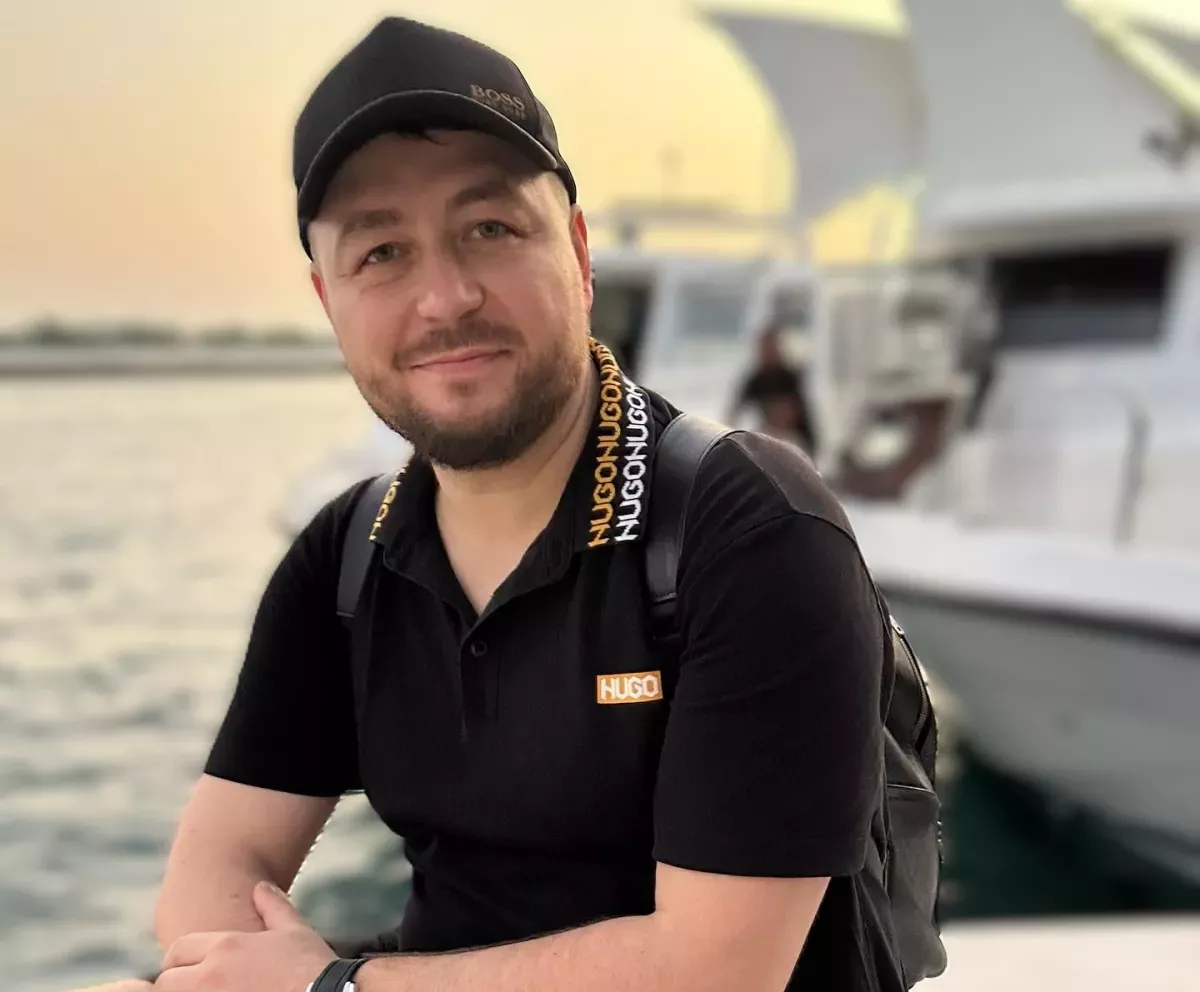
Georgian analyst Arkadi Nozadze considers it a positive development that Azerbaijan was represented as the leader of the South Caucasus region at the first meeting of this structure. In his view, it is clear that without Azerbaijan’s participation, the format would have appeared incomplete — even with the presence of Armenia and Georgia.
"One cannot ignore the level of attention that Azerbaijan received during the meeting. This, in essence, demonstrates that for Donald Trump, the President of Azerbaijan is a more significant figure than many European politicians, including Emmanuel Macron.
We see that in the new structure, those accustomed to going with the flow and delivering impressive but ultimately ineffective speeches are not welcomed. Over the past few years, Azerbaijan has proven that its diplomacy and influence are more effective than the toxic strategies of Paris.
At the Board of Peace meeting, Trump addressed many politicians, but he spoke to Azerbaijan’s President several times. At the same time, it cannot be said that the platform was ‘parochial,’ as some European politicians who were not among the desired participants are now trying to suggest. Nearly all leading world powers were represented at the Board of Peace — the only difference was in the status of their participation. The total number of delegates reached 50 countries, of which 27 are members of the Board, while the rest attended as observers.
Thus, attempts to downplay the significance of the format appear more as a political manoeuvre by outsiders seeking to stay in the process without ‘losing face.’ It is already clear that while the first meeting discussed issues of resolution in Gaza, the Board’s activities will rapidly expand — the circle of leaders brought together by Donald Trump to address global problems is simply too serious and ambitious," concluded Nozadze.







 editor@caliber.az
 +994 55 444-88-98
 Азербайджан, Баку, ул. Низами, 203, Af Business House, 5-й этаж