










Spanish demarche against NATO Expert opinions on Caliber.Az
Spain’s left-wing party Podemos (“We Can”) has proposed holding a referendum on the kingdom’s withdrawal from NATO, the party’s representative Pablo Fernández said at a press conference.
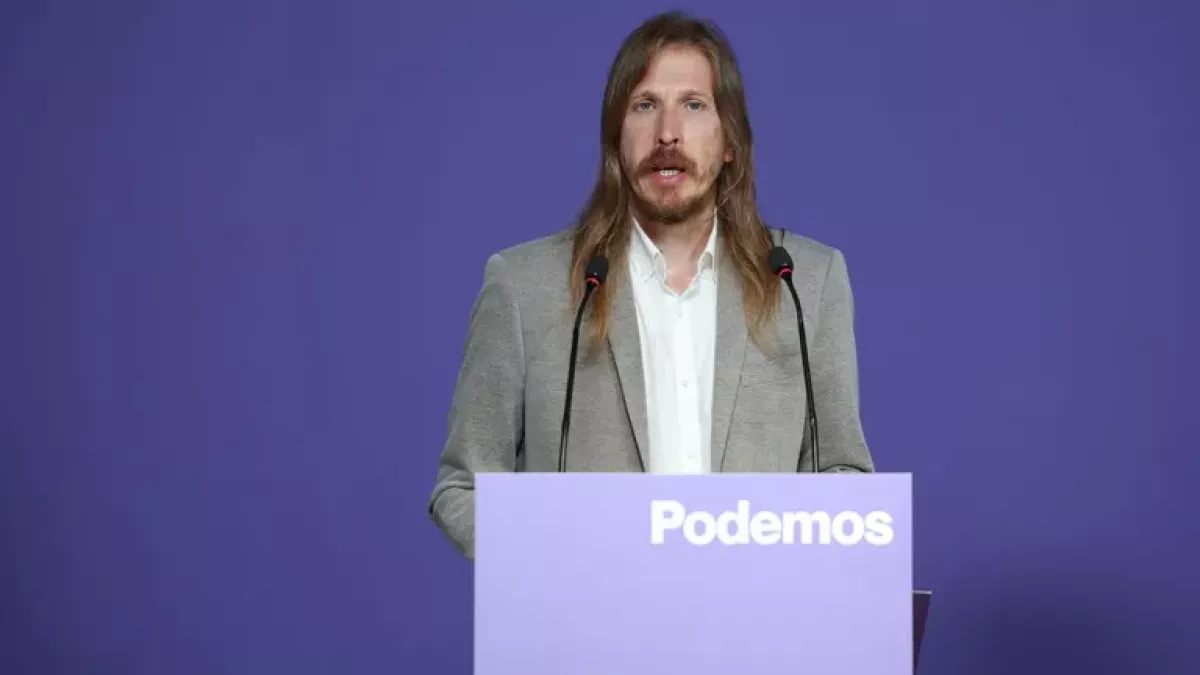
Podemos continues to call on the Spanish government to close American military bases on the country’s territory, withdraw from NATO or, at the very least, hold a referendum on leaving the alliance so that Spanish society itself can decide on the matter.
“We must prevent any involvement of our army in the conflict — neither to attack anyone nor to defend NATO bases in the Mediterranean,” he said.
Spain joined the alliance in 1982. In 1986, a referendum on permanent membership in NATO was held in the kingdom. According to its results, supporters of the North Atlantic Alliance prevailed: with a turnout of 59.4%, 56.85% voted in favour of NATO membership, while 43.15% voted against.
How widespread and strong are such sentiments in other NATO member states? Is there any threat to the very existence and cohesion of the North Atlantic Alliance?
Well-known experts shared their thoughts on this issue with Caliber.Az.

American analyst and professor Grigory Ioffe noted that the proposal by Spain’s left-wing party Podemos to hold a referendum on the country’s withdrawal from NATO indeed reflects the existing anti-NATO sentiments in Europe.
“However, as of the 2020s, these sentiments are not dominant and do not pose an immediate threat to the alliance’s existence. Spain has traditionally been considered one of the more sceptical NATO member states. According to surveys, about 47% of Spaniards view NATO positively, while around 45% hold a negative opinion (Pew Research Center). Spanish society has strong anti-war and anti-militarist sentiments, partly linked to the historical experience of the dictatorship of Francisco Franco and the country’s relative geopolitical distance from major conflicts.
What is important, however, is the following: the Spanish government does not support leaving NATO; on the contrary, it reaffirms its commitment to the alliance, although it does dispute defence spending issues with its partners. Spain also remains an active participant in NATO missions. In other words, the state’s political line is to reform cooperation, not to withdraw from the alliance.
According to the latest international surveys, the median level of support for NATO among citizens of member states stands at around 66% (Pew Research Center). Around 70% of citizens in NATO countries say they would vote to maintain their country’s membership in a referendum. Some states demonstrate particularly high levels of support: Poland (80–90%), the Netherlands (70%), the United Kingdom (66%), and Germany (60%). Support is especially strong in Eastern European countries, where NATO is perceived as a key safeguard against Russia,” the professor explained.
Anti-NATO sentiments, he continued, are noticeable in several countries — Greece, Turkey, Spain and Italy.
“However, even there, there are no political forces genuinely capable of taking a country out of NATO.
There are several factors that have strengthened the alliance. First and foremost is the Russia–Ukraine War. It has sharply increased the sense of threat in Europe and reinforced support for NATO. In recent years, Finland and Sweden have joined the alliance. This points more to expansion than to disintegration. There is also a political consensus among the elites. Even parties that criticise NATO usually advocate reforming the alliance, reducing military spending and strengthening a more independent European defence, rather than calling for an immediate withdrawal.
The conclusion, therefore, is the following: anti-NATO sentiments do exist — particularly within certain parties and in countries such as Spain or Greece. However, the majority of citizens in NATO member states support the alliance; governments are not considering withdrawal; and the geopolitical situation (especially the war in Ukraine) has, if anything, strengthened NATO.
Therefore, the threat of NATO’s collapse or serious disintegration in the foreseeable future does not appear likely,” Grigory Ioffe concludes.
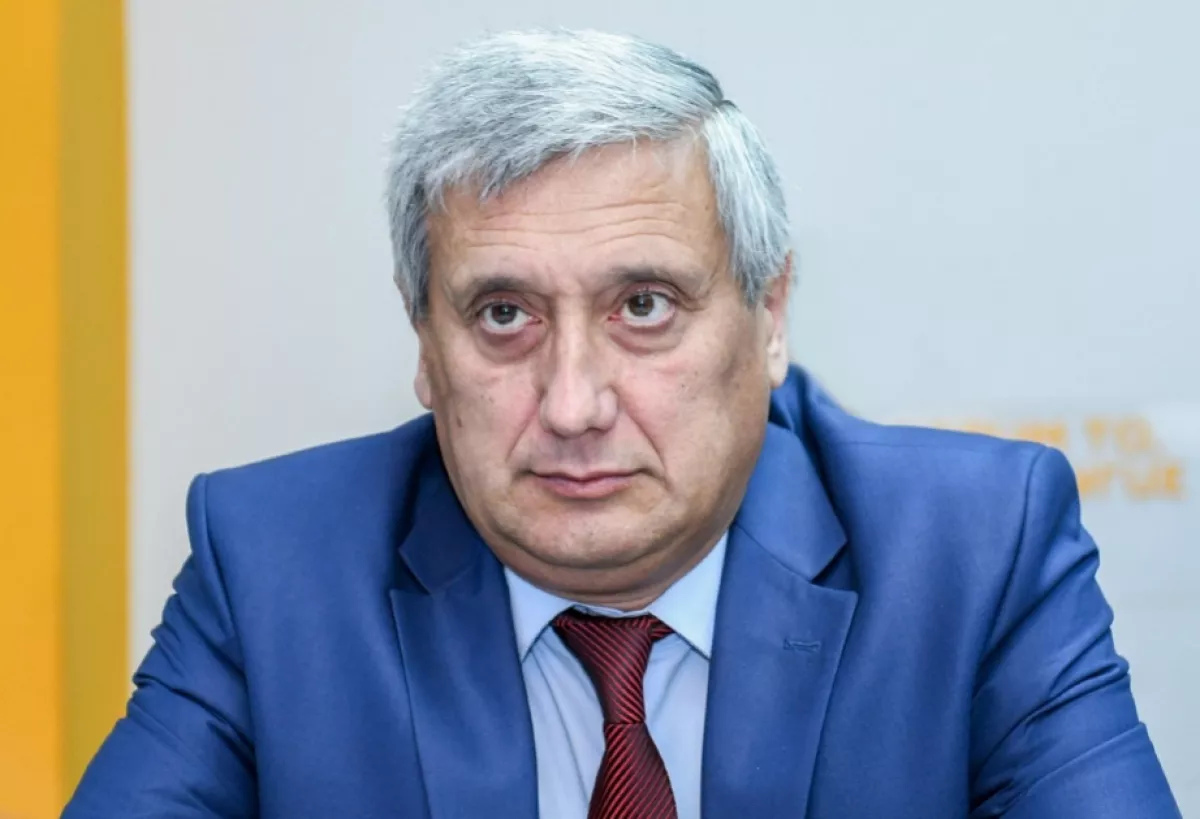
Geopolitical expert Sahil Isgandarov believes that the statement and proposal by the left-wing party Podemos to hold a referendum in Spain on the country’s withdrawal from NATO is not surprising, given recent events.
“Spain’s Prime Minister Pedro Sánchez previously delivered sharp criticism of the United States and personally of Donald Trump over developments in the Middle East. In particular, the criticism concerned the military actions of Israel and the United States, as well as Iran’s retaliatory strikes against American bases in the region. In this situation, Spain — represented by the prime minister and the left-wing parties — decided to act pre-emptively.
In many European countries, caution is growing: there are fears that the United States may seek to involve them in a military campaign against Iran as NATO partners. Madrid has chosen to act preventively. Left-wing parties traditionally hold pacifist positions, while the socialists had previously included promises in their election slogans to seek Spain’s withdrawal from the alliance.
The fact that Pedro Sánchez is the president of the Socialist International also influences his policy. Perhaps he believes the time has come to fulfil campaign promises about holding a referendum. The issue has become particularly relevant today due to fears that the United States may ‘behind the scenes’ demand direct support from European NATO members for its military actions.
A signal for Europe was Donald Trump’s sharp criticism of the United Kingdom, which he accused of ‘cowardice’ over the Middle East issue. Despite official statements supporting Israel and condemning Iran’s strikes on civilian infrastructure, most NATO members are not eager to participate in a real military confrontation with Iran.
Nevertheless, the likelihood of Spain actually leaving NATO remains low. Most likely, this is a political manoeuvre or a PR campaign designed to demonstrate disagreement with Washington’s course,” the analyst suggests.
According to him, if NATO were ever to collapse, Spain would not be responsible — rather, the cause would lie in the policies of Donald Trump.
“During his first term, he already exerted significant pressure on the alliance’s structure, demanding that European countries increase their defence spending. In his second term, this line has continued: Trump and his team accuse Europe of being unwilling to shoulder the burden of defending against Russia and other threats.
The United States is effectively the dominant power within NATO. If Washington begins to treat the alliance like a ‘stepchild’, a real threat of disintegration could emerge. At the same time, within the global security architecture of recent decades, NATO itself has often been perceived as posing a greater danger than some other states.
Trump’s policy may be deliberate: NATO represents an element of the old Atlanticist world order, which is now undergoing transformation. However, European countries themselves do not want the bloc to collapse, as over the next 50–100 years they are unlikely to be able to ensure their own security without the participation of the United States.
Europeans often speak about creating their own security architecture or even a European army — ideas previously promoted by Nicolas Sarkozy and Emmanuel Macron — but in practice these discussions rarely move beyond rhetoric. Establishing a structure that would duplicate NATO is virtually impossible due to the issue of leadership. Within NATO, key decisions are largely shaped by the military structures of the United States, while the role of the alliance’s Secretary General is largely symbolic.
Spain’s statements may also represent an element of political pressure on Washington. It is unlikely that the Spanish public would support withdrawal from NATO in a referendum, especially given the current instability in the Middle East and the uncertainty surrounding the strategic objectives of the United States and Israel — such as the possibility of regime change in Iran.
As long as Europe lacks a viable alternative security structure, leaving the alliance would effectively expose its borders to threats from Russia and other potential adversaries. Without a collective security system under the leadership of the United States, European countries would be left to face their challenges alone, which would make their defence extremely difficult,” Sahil Isgandarov concluded.







 editor@caliber.az
 +994 55 444-88-98
 Азербайджан, Баку, ул. Низами, 203, Af Business House, 5-й этаж