










Azerbaijan at the centre of Brussels’ new strategy Expert opinions on Caliber.Az
The official visit of European Council President António Costa to Azerbaijan was undeniably a landmark event in the context of Baku–Brussels relations.
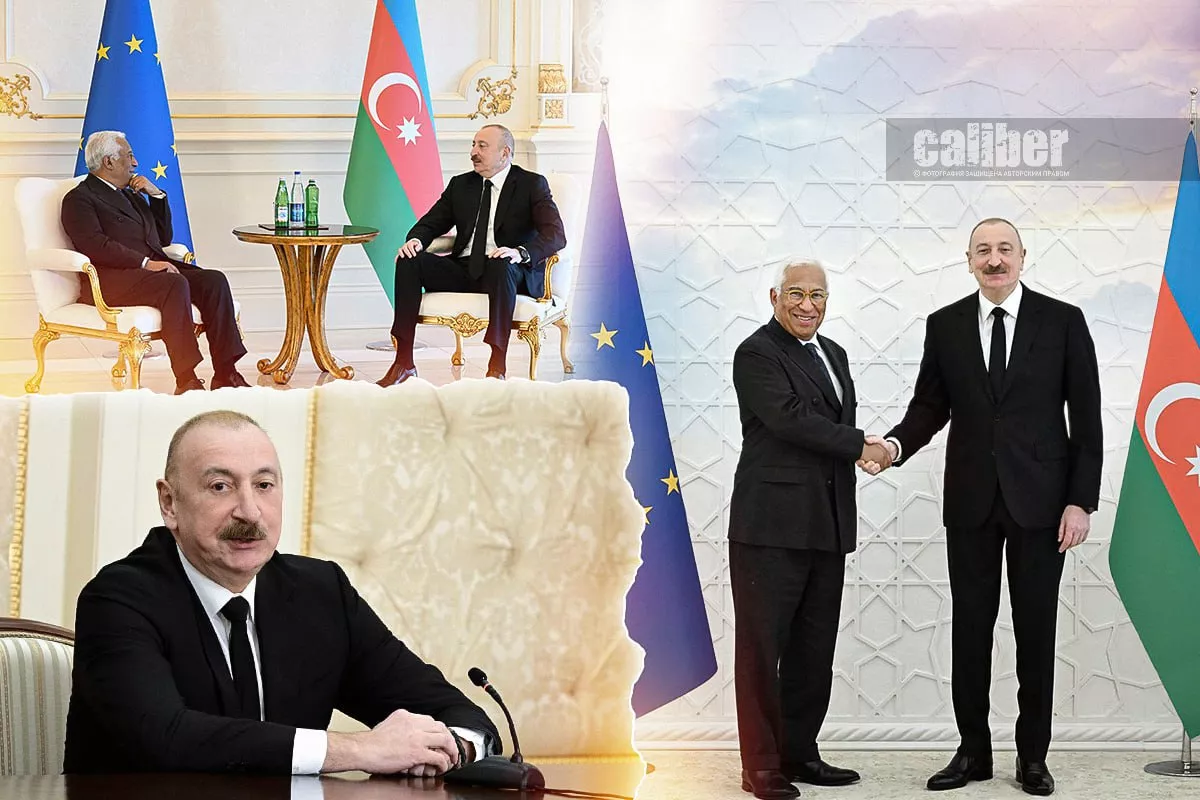
In the Azerbaijani capital, Costa made several important statements, noting in particular that Brussels and Baku are now working on a new framework for closer cooperation, aimed at expanding relations beyond existing energy ties. He expressed the EU’s full solidarity with the people of Azerbaijan following the Iranian attacks on Nakhchivan, and sincere appreciation for the assistance Azerbaijan provided in evacuating European citizens from Iran.
Particular attention deserves the Joint Press Statement by President Ilham Aliyev and the President of the European Council, which can be regarded as a programme-level document outlining Azerbaijan’s and Brussels’ positions on many strategic issues.
How was António Costa’s visit assessed abroad? Authoritative experts and analysts shared their opinions on this topic with Caliber.Az.
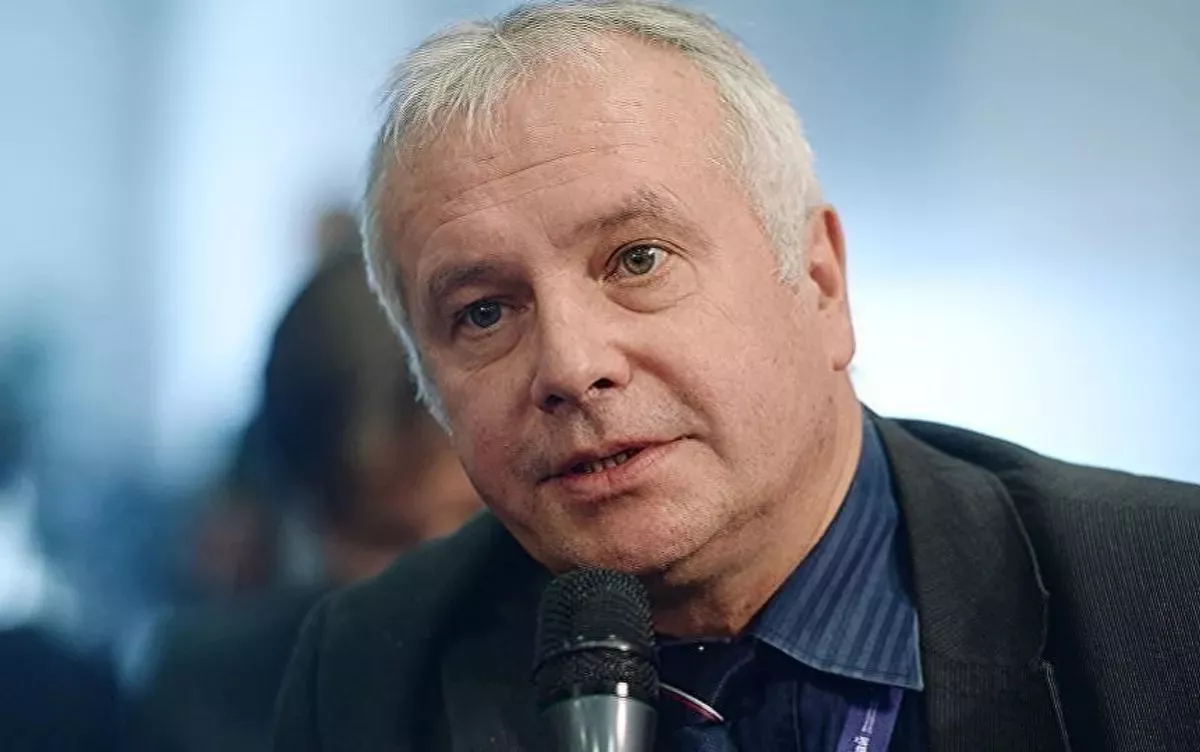
Political scientist Professor Alexander Rahr of the Institute of International Politics WeltTrends (Potsdam) believes that the visit of the European Council President to Azerbaijan should be viewed in the context of a new strategic situation for Europe, set against the backdrop of a deepening energy crisis triggered by the war in the Middle East.
“Ensuring stable energy supplies is once again a pressing issue for the EU, and in this context Brussels is increasingly looking to Baku as one of Europe’s key gas suppliers,” he said.
According to the political scientist, Azerbaijan has played an important role for several years in the Southern Gas Corridor, which delivers gas to European markets. Against the backdrop of renewed military tensions in the Middle East, the importance of this route has grown even further, and for the EU, this means that stable political relations with Baku carry not only economic but also strategic significance.
“At the same time, Azerbaijan has found itself in a challenging geopolitical situation. Following provocations by Iran, the country was nearly drawn into a conflict in the Middle East, yet its leadership chose a course of restraint. For the European Union, such a stance is both desirable and constructive. From Brussels’ perspective, the spread of war into the South Caucasus would not only undermine regional stability but also threaten Europe’s energy security. For this reason, Azerbaijan’s stability has become an important strategic interest for the EU,” the expert emphasised.
He also noted that the visit of the European Council President carries a second, more long-term dimension.
“For Brussels, the South Caucasus is gradually becoming a space of geopolitical competition. The EU seeks, step by step, to draw the states of the region out of Russia’s orbit and closer to European structures. However, this process is being carried out with great diplomatic caution. The European Union aims to develop relations with both Azerbaijan and Armenia, because if one country were to advance significantly faster or gain obvious political advantages, it could once again destabilise the fragile regional balance. In this way, Brussels is trying to maintain a delicate equilibrium: expanding cooperation with Baku and Yerevan without creating new lines of tension between them.
Against this backdrop, Costa’s visit to Baku should not be seen as an isolated diplomatic event, but as part of a broader strategic reorientation by Europe. Energy policy, regional stability, and geopolitical rivalry intersect in the South Caucasus, making it one of the EU’s key foreign policy priorities,” said Rahr.
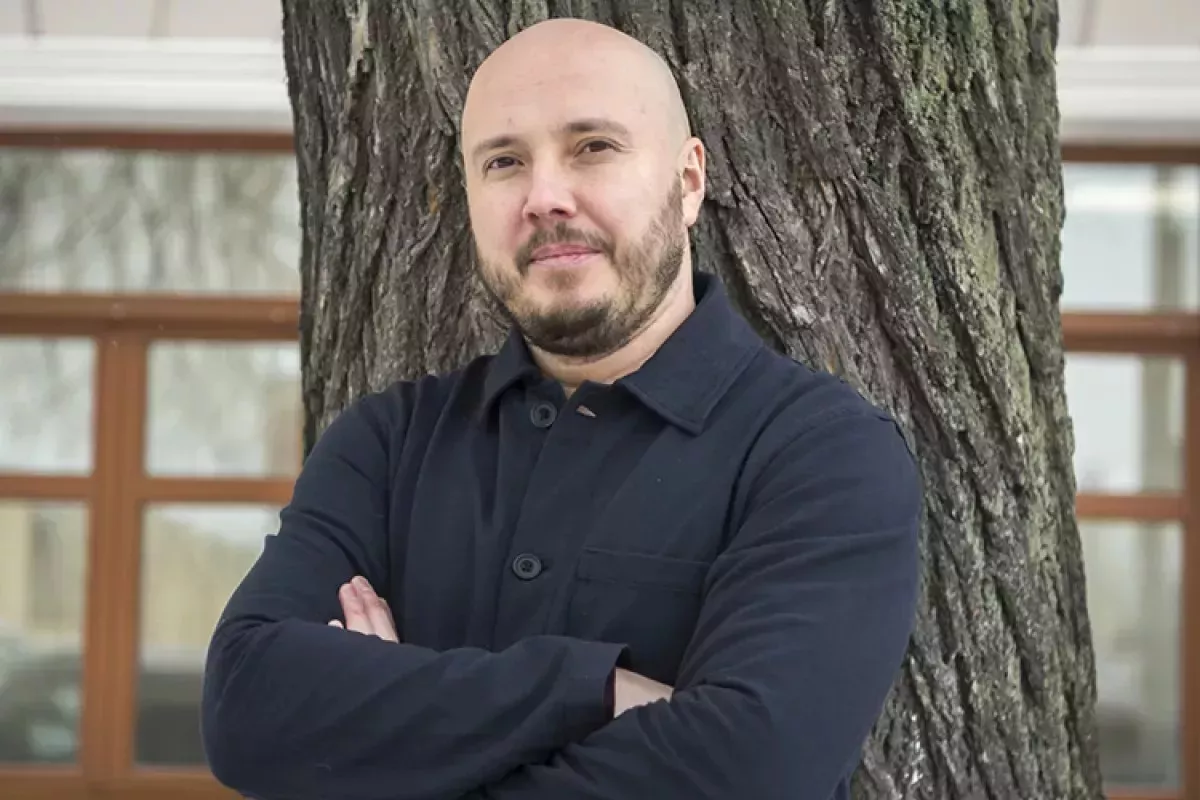
In turn, Russian-German political scientist and editor-in-chief of the portal Poistine, Ruslan Aysin, believes that Europe is currently in a state of some uncertainty, as it urgently needs to build new geopolitical frameworks.
“The war in the Middle East, the Russia–Ukraine war, and hostile actions by the United States—all of this is forcing the European Union to seek new formats that are more rational and less ideological. In this context, Europe has a strong interest in engaging with Baku in an entirely new way, essentially starting from scratch and resetting previous disagreements, because Azerbaijan is the strongest state in the South Caucasus and, in effect, a key entry point into the region—or even a cluster of regions: Iran, Türkiye, Russia, the Caspian, and other geopolitical areas,” Aysin said.







 editor@caliber.az
 +994 55 444-88-98
 Азербайджан, Баку, ул. Низами, 203, Af Business House, 5-й этаж