










Labyrinths of Iranian deception Foreign experts on Caliber.Az
Iranian President Masoud Pezeshkian recently made a statement that fits perfectly into Tehran’s long-established narrative: the Islamic Republic of Iran (IRI) is never at fault, and all negative events are the result of “the schemes of Iran’s enemies.”
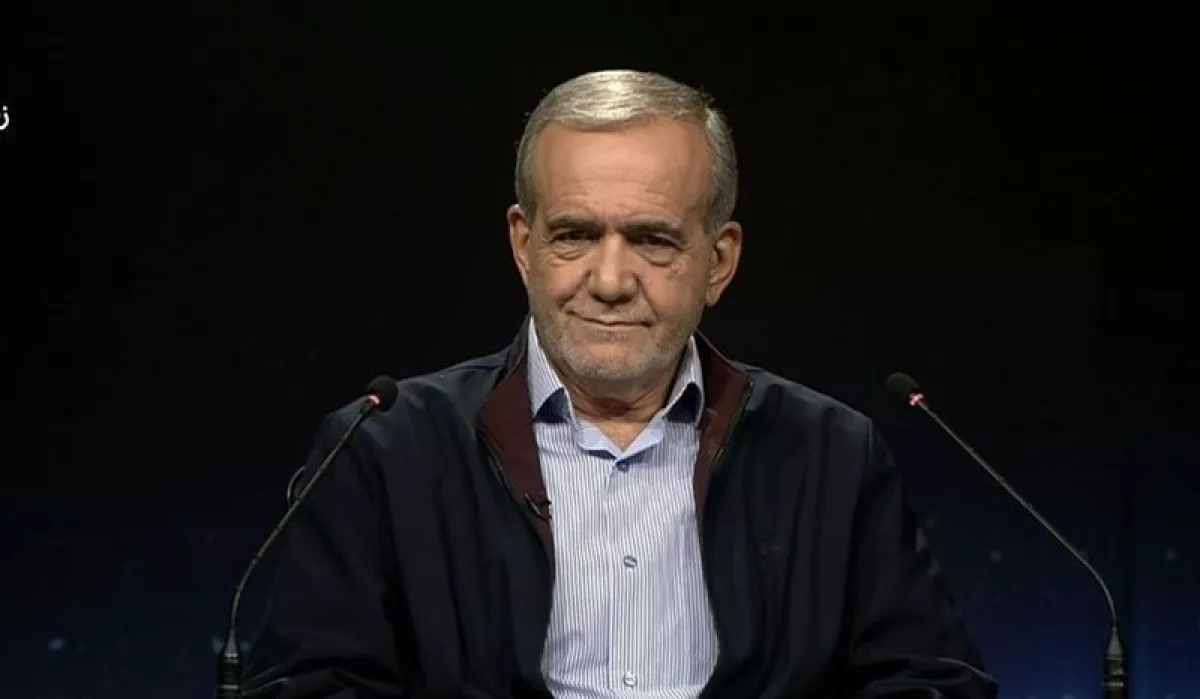
During a phone conversation with Russian President Vladimir Putin, Pezeshkian denied accusations of attacking the Republic of Azerbaijan, calling them a “conspiracy by enemies” aimed at undermining relations between the two countries.
"The Islamic Republic of Iran has never had, and will never have, intentions to attack its neighbours; our path is one of firm defence of territorial integrity and sustainable peace," he said.
But how do foreign experts and political analysts view Iran’s position? Kazakh and Ukrainian analysts shared their perspectives with Caliber.Az.

Kazakh political scientist and member of the National Kurultai under the President of Kazakhstan, Talgat Kaliev, noted that Iran’s denial of attacks on civilian sites in the Nakhchivan Autonomous Republic of Azerbaijan appears highly naïve.
"Today, it is quite easy to trace the flight path of drones from their launch site to the final target. Moreover, based on available information, the drones that entered Azerbaijan’s airspace most closely match Iranian models in their characteristics. In my view, if Iran truly wants to avoid confrontation, it would have been far more prudent to make every diplomatic effort to contain the incident and normalise relations with Baku as quickly as possible. There is also no basis to claim that the Iranian drones accidentally deviated from their trajectory, as the strike point is located opposite the main vector of Iranian attacks. Even if one assumes, for a moment, that the layered operational structure of the armed forces allows certain units a high degree of autonomy in decision-making, in the event of such a 'system failure,' Tehran should have swiftly acknowledged the error and punished those responsible. I believe that simply denying the problem does not resolve it," Kaliev stated.
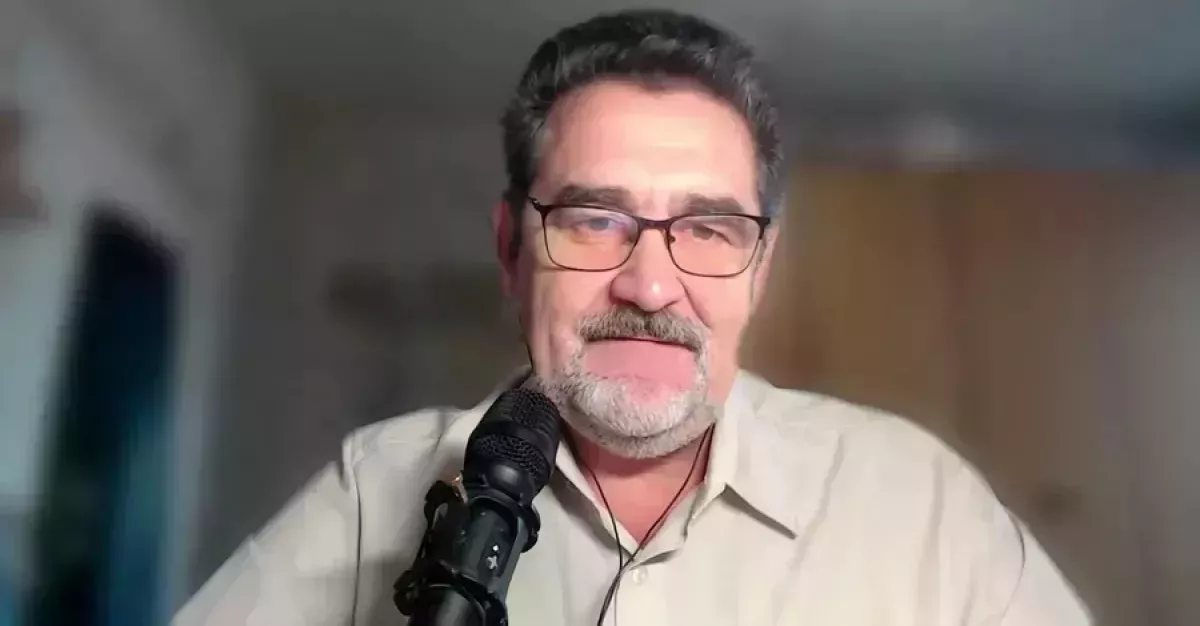
Meanwhile, Ihor Semyvolos, Executive Director of the Center for Middle Eastern Studies (Kyiv, Ukraine), noted that the statements of the Iranian president are far from the truth.
"It is difficult for me to independently verify these claims, but online I have seen a statement from the Islamic Revolutionary Guard Corps (IRGC) claiming responsibility for the strike on the Nakhchivan airport. Moreover, considering that several units of the Iranian Armed Forces and the IRGC apparently operate with full autonomy and make their own decisions on where to strike, Pezeshkian cannot make confident statements about the course of military actions, as he lacks access to and control over the situation. At present, his responsibilities appear much more mundane — ensuring that Iranians do not starve, maintaining infrastructure, and supplying essential goods. Therefore, while he can make any statements he wishes, the reliability of what he says is certainly questionable," Semyvolos concluded.







 editor@caliber.az
 +994 55 444-88-98
 Азербайджан, Баку, ул. Низами, 203, Af Business House, 5-й этаж