










Turkic states unite for emergencies Is the OTS mechanism a new security pillar?
Member countries of the Organization of Turkic States (OTS) are collaborating to respond to emergencies. A key example of this cooperation is the ratification by the Senate of the Parliament of the Republic of Kazakhstan of the agreement establishing the OTS Civil Protection Mechanism.

Notably, this document provides for the coordination of actions by OTS member states during emergencies, mutual assistance, the conduct of joint exercises, and the exchange of experience between rescue services. The headquarters of the mechanism’s secretariat will be located in Istanbul, and the structure’s budget will be formed from the annual contributions of member states, while Türkiye will cover additional expenses during the first two years.
In light of today’s geopolitical situation, particularly the large-scale war in the Middle East, a reasonable question arises: “Is this mechanism not a prototype of a kind of military bloc, a kind of response by the OTS countries to external threats?” Caliber.Az turned to political scientists from Kazakhstan and Kyrgyzstan for commentary on this topic.
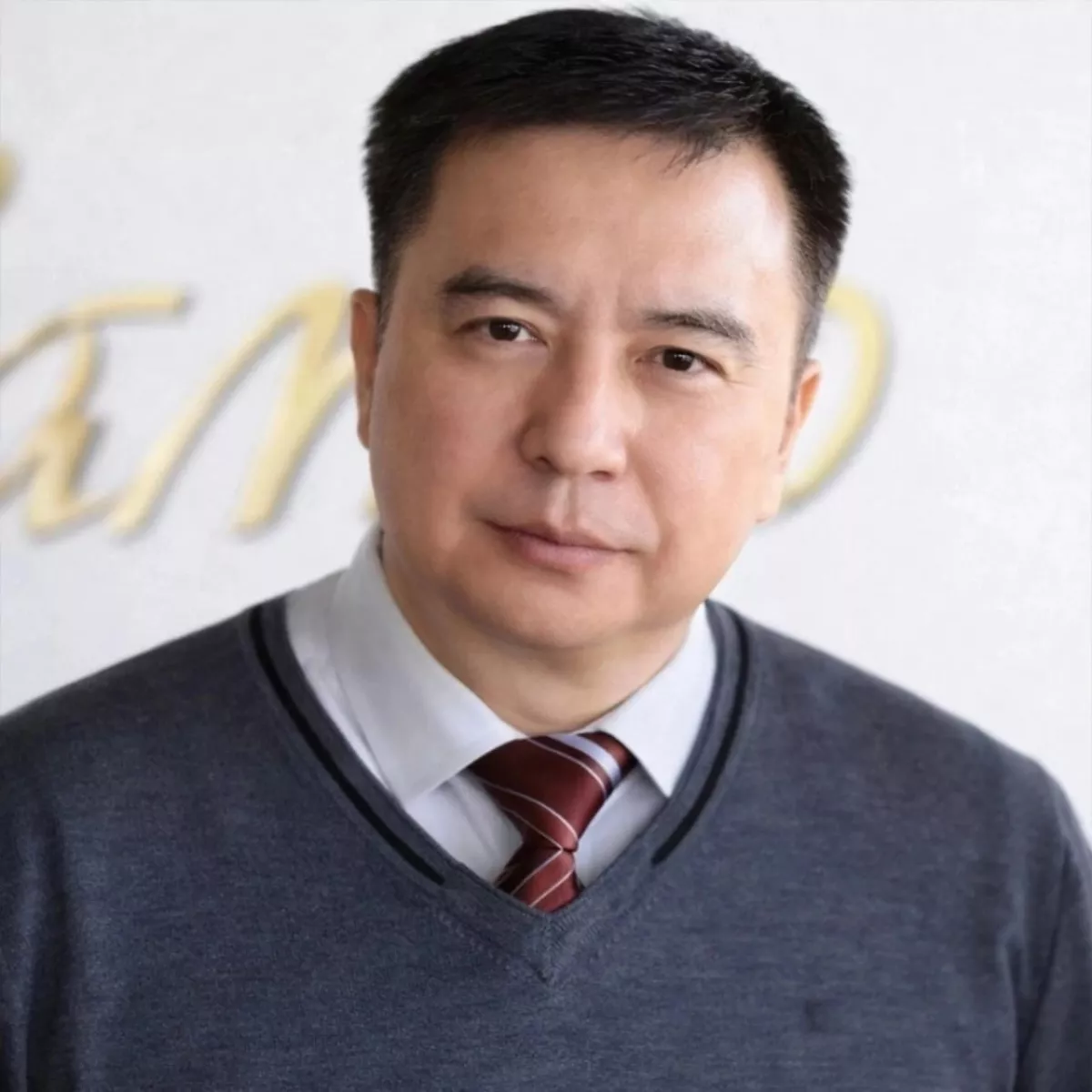
Thus, Kazakh political scientist, professor of econometrics, and expert at the Kazakhstan Parliamentary Foundation, Nurlan Munbaev, noted that this important issue touches on the prospects for developing cooperation within the OTS. Although this agreement is not a direct step toward forming a unified military bloc and falls within the realm of civil protection, against the backdrop of external threats to the organization’s countries, such a structure could potentially begin to take on military functions.
“The document provides measures for responding to natural disasters and man-made catastrophes, saving lives and property, and delivering medical and humanitarian aid. Participation in this process is entirely voluntary, and decisions to provide support are made only at the request of the affected state and based on the consensus of all parties. The mechanism’s functions include risk monitoring, developing unified standards for the training of rescue personnel, conducting joint exercises, and exchanging experience between rescue services. Thus, this is essentially a step toward creating a specialized humanitarian structure, similar to mechanisms in other regional organizations, for example, in the CSTO or the EU, but without a military component. While joint rescue exercises can indeed strengthen overall coordination, their mandate remains strictly civilian,” he said.
According to the expert, the fact that the headquarters of the Civil Protection Mechanism secretariat will be located in Istanbul has a clear economic and political rationale: “The Republic of Türkiye initiated this mechanism and not only proposed hosting the headquarters on its territory but also took on significant financial commitments. As is known, the structure’s budget will be formed from the annual contributions of member states; however, and this is fundamentally important, Türkiye will cover all expenses exceeding this amount during the first two years. This makes locating the headquarters in Istanbul economically rational, as it reduces the initial financial burden on the other member states.”
The political scientist also noted that Kazakhstan is one of the initiators and active participants in the process, and the country’s role can be considered from several aspects.
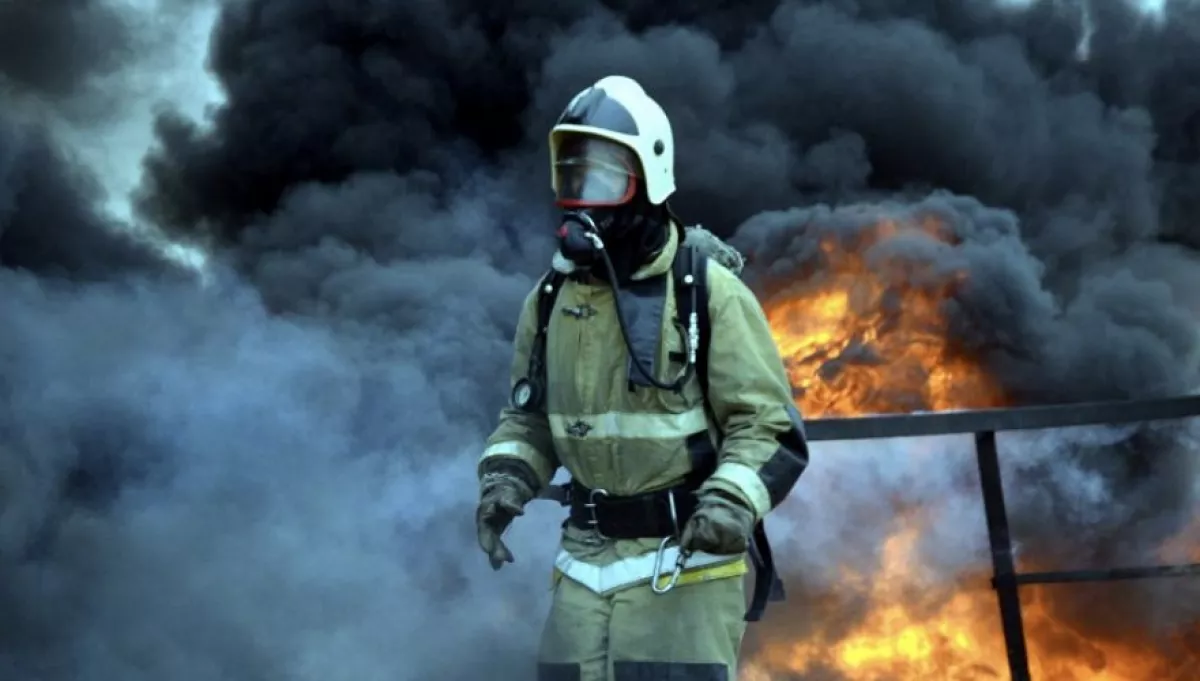
“Kazakhstan has completed all the necessary domestic procedures to participate in the mechanism. The government approved the draft agreement back in October 2024, the Mazhilis ratified it in January 2025, and the Senate gave the final approval in March. This demonstrates the high level of interest of the Kazakhstani side in developing Turkic integration in the field of security. Astana is also interested in the role in managing this organization: the head of the Ministry of Emergency Situations of Kazakhstan will be part of the Council of Ministers (the highest body). Moreover, according to Article 4, the Council of Ministers is chaired by a representative of the country holding the OTS chairmanship, which gives Kazakhstan the opportunity to lead the work of the mechanism during the corresponding period.
As for the activities themselves, they will cover several areas. For example, in the event of large-scale emergencies, Kazakhstan will be able to promptly request assistance from the specialized services of other member states. In addition, this includes the exchange of experience and standardization: Kazakhstani rescue personnel will participate in joint exercises—the first of which are planned for this year—and training programs, which will help improve staff qualifications and implement unified response standards. The third aspect involves Kazakhstan providing assistance to other Turkic states, as the republic has a strong emergency services system. Thus, Astana sees its participation in this structure as an opportunity to strengthen national capabilities and contribute to the overall security of the Turkic region on a basis of parity,” said Munbaev.
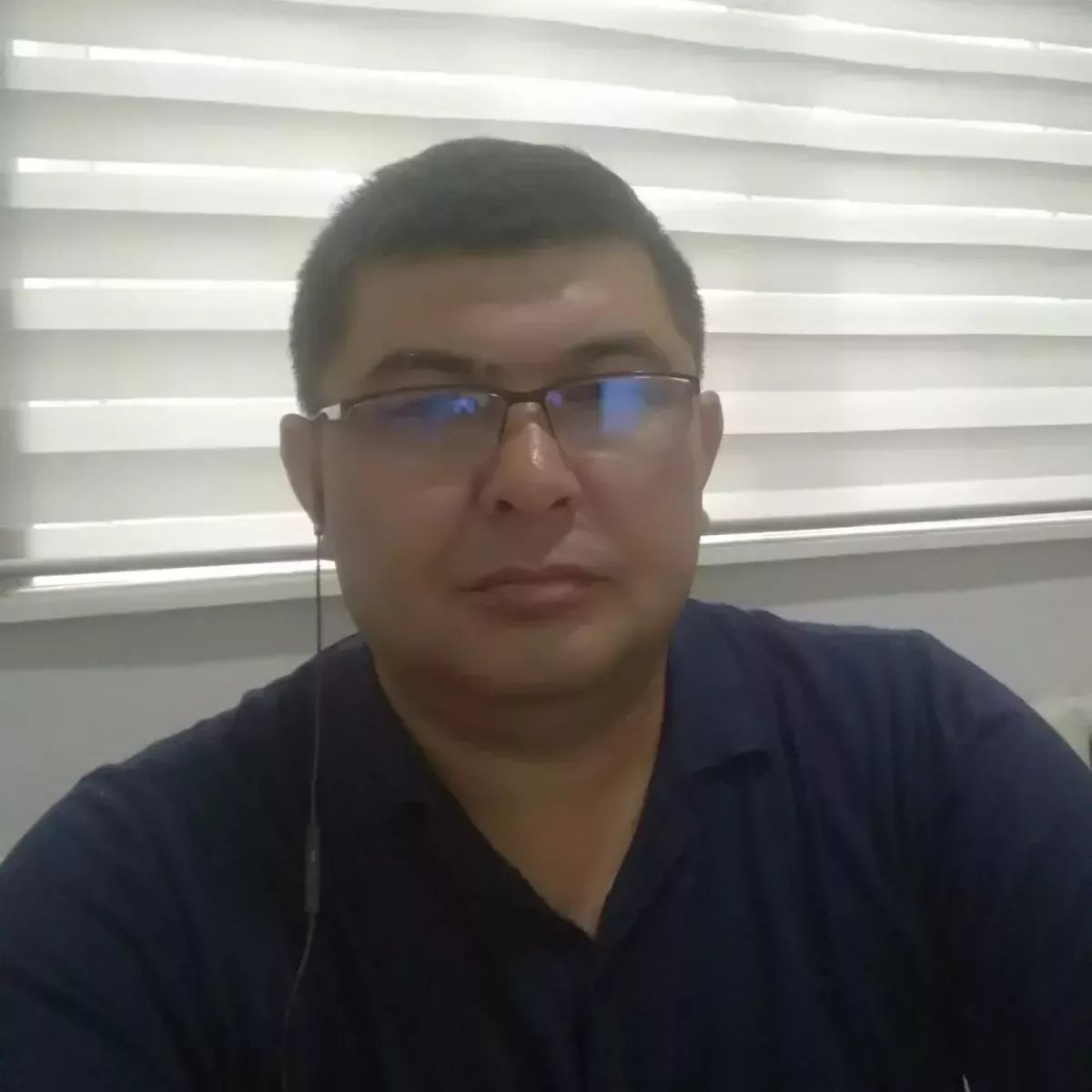
According to Kyrgyz political scientist and PhD in Political Science, Umar Mutaliev, this mechanism will become an important basis for providing mutual assistance in emergency situations.
“In this case, the emergency regime can be considered both from the perspective of civil infrastructure and in a broader sense. From the fire-engulfed Middle East conflict, we see that military actions can reach a global scale, and it is necessary to be prepared for such challenges. When people suffer from missile strikes, infrastructure is damaged, and residential buildings collapse, active mutual assistance becomes extremely necessary—but as it turns out, the countries of the Persian Gulf were not fully prepared for this. Therefore, it is quite possible that the mechanism being created takes this unfortunate experience into account and provides for some coordination among OTS member states in similar emergency situations.
The next step could be possible military coordination of the member states of the organization; however, this topic is still under discussion and remains the subject of active debate,” concluded Mutaliev.







 editor@caliber.az
 +994 55 444-88-98
 Азербайджан, Баку, ул. Низами, 203, Af Business House, 5-й этаж