










Georgia in the EU’s crosshairs: Brussels suspends visa-free travel for diplomats Expert opinions on Caliber.Az
The European Union has suspended the visa-free regime for holders of diplomatic, service, and official passports (issued to government employees at various levels) from Georgia, according to a statement published on the European Commission’s website. This measure was triggered in response to “Georgia's deliberate and persisting violation of the commitments in key areas of democracy and fundamental rights,” the EC said.
The EU authorities cited actions by the Georgian government since October 2024, including “crackdown on protesters, opposition politicians, and independent media,” which, they emphasised, “negatively impacted” the situation in the country and led to “breaches of several fundamental rights and international legal standards.” The restriction came into effect on Friday, March 6, and will remain in force for 12 months—until March 6, 2027. The EU authorities may also extend it for up to 24 months and potentially apply the restriction to all Georgian citizens.
Earlier, EC spokesperson Anitta Hipper stated that the Commission is preparing sanctions against Georgia amid the “democratic backsliding” committed by the ruling Georgian Dream party.
What consequences could the loss of visa-free travel for the country’s civil service, up to its top officials, have for Georgia? Could this further negatively affect the level of relations between Tbilisi and Brussels?
Leading Georgian experts answered these questions for Caliber.Az.
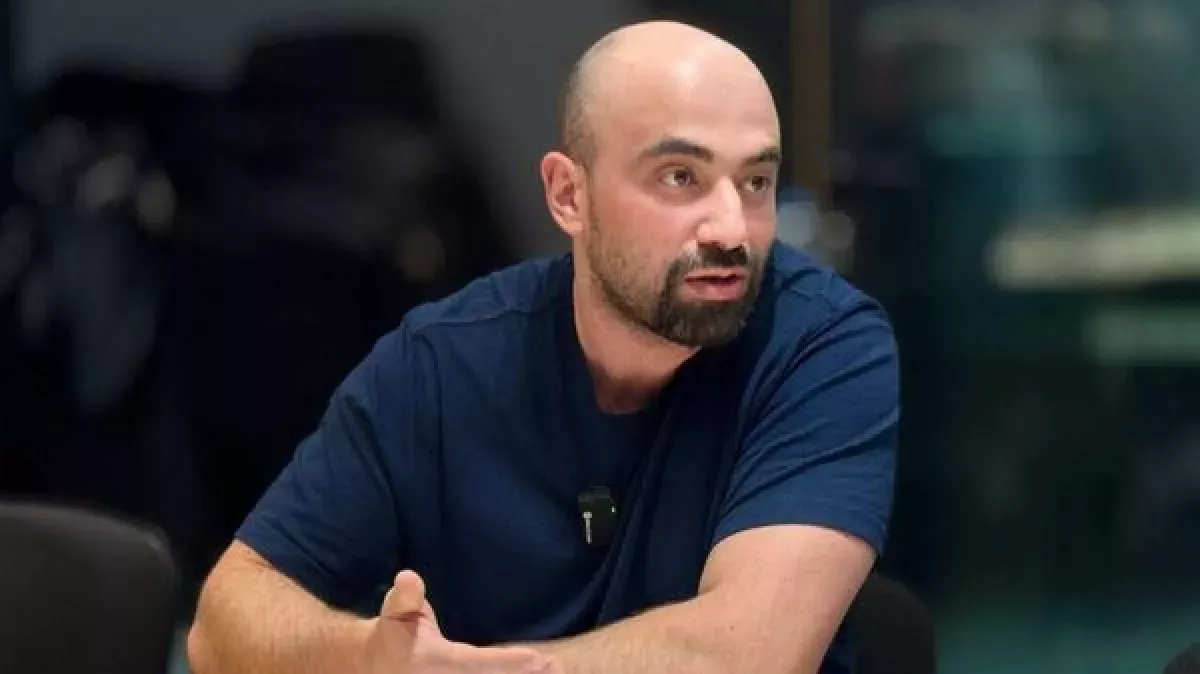
Political analyst and founder of the SIKHA Foundation research centre, Archil Sikharulidze, notes that now all officials, including those holding diplomatic passports, will indeed have to apply for visas in advance.
“However, considering the fact that our officials are rarely invited to the most important events anyway, this is nothing unusual. Moreover, I would like to remind you that certain countries, such as Latvia and Lithuania, if I’m not mistaken, have long imposed their own private sanctions on Georgian officials. So, for visiting some countries, members of the Georgian Dream party have already had to obtain visas. There were exceptions when they used regular passports instead of diplomatic ones, but as far as I know, that is no longer possible—they are now required to submit the proper documents,” the researcher says.
From the perspective of internal processes, he believes this will not change anything.
“We already knew all this and were prepared for it. The attitude of the Georgian Dream party and the majority of Georgia’s population toward Europe does not change. There is a clear sense that the European Union, by all possible means, seeks regime change in the country, and this has nothing to do with democracy. It is an attempt to alter Georgia’s overall foreign policy course; an attempt to force Georgia back to the Saakashvili era, when the country carried out every possible order and directive from Brussels and Washington without defending its national interests.
This will not help the pro-Western opposition; on the contrary, it will once again show the majority of the population that the European Union is a geopolitical bloc with its own interests, and that Georgia must defend itself. Rumours are already circulating that some civil society representatives are calling for the visa-free regime for all Georgian citizens to be abolished. I have repeatedly said that this is a deeply mistaken view: cancelling liberalisation for everyone would change nothing. But for the Georgian Dream, this will be an excellent opportunity to once again prove their point, claiming that Europe is trying to manipulate visa liberalisation and various benefits to provoke destabilisation and unrest in the country,” Sikharulidze predicts.
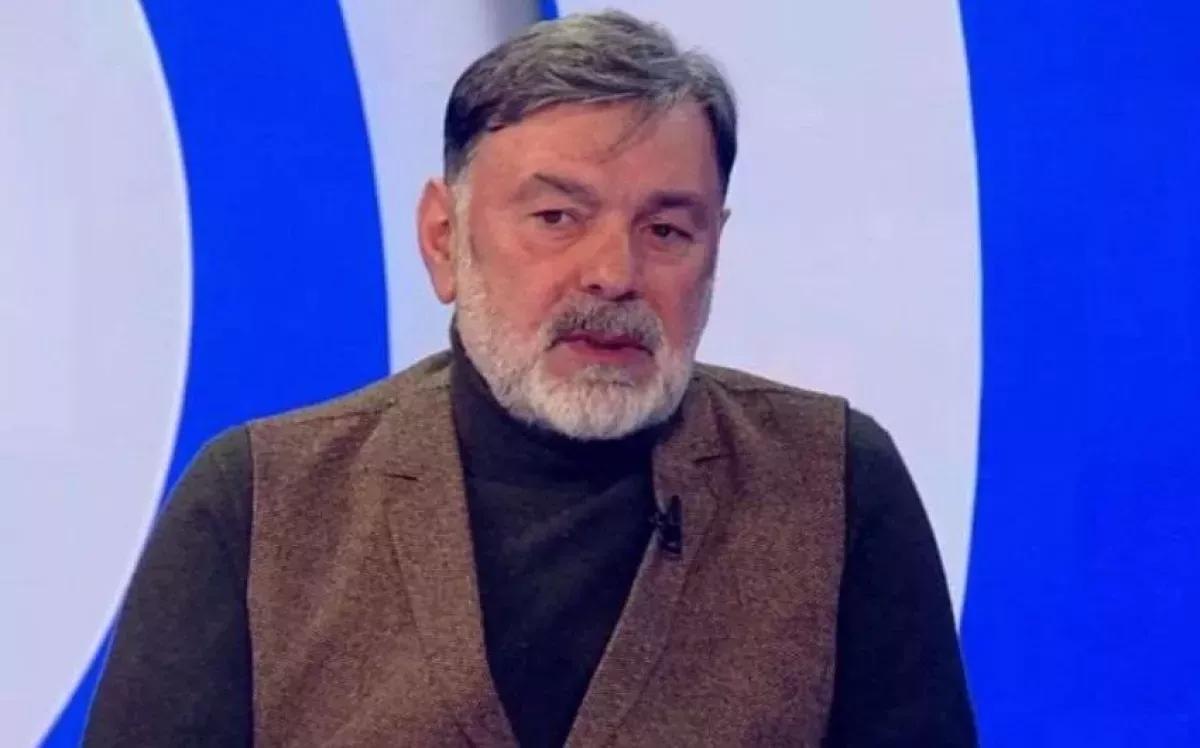
Bidzina Giorgobiani, political secretary of the “United Neutral Georgia” party and political analyst, stated that the European Commission had been threatening to impose these sanctions for about a year.
“This seemed like some kind of information war against the country’s authorities, accusing them of allegedly infringing on certain non-governmental organisations, the opposition, and so on. It’s all propaganda from Brussels, from European bureaucrats, which has long taken the form of PR stunts. Yes, of course, this does not affect ordinary Georgian citizens. But we must also consider another point: if one of our diplomats or ministers takes a regular citizen passport and travels to the European Union, they can enter without a visa. Entry will only be denied if they present a diplomatic passport at the border. But this is nonsense. There is no logic in this. What is the purpose of this scheme?
Watching all this is very sad and even dramatic, given the ongoing ‘Third World War,’ which is already affecting the Middle East, right next to us. I am very curious what they are even thinking—where do they find so much time to implement such absurd sanctions at a moment like this, in the midst of a ‘Third World War’ raging in the Middle East, in Europe, in Ukraine? Amid all this, they suddenly find time in Brussels to make such foolish decisions,” Giorgobiani concluded.







 editor@caliber.az
 +994 55 444-88-98
 Азербайджан, Баку, ул. Низами, 203, Af Business House, 5-й этаж