










Drones over Nakhchivan: Iran playing with fire Expert opinions on Caliber.Az
"We protect - and have always protected - our territorial integrity. Just as we ended the Armenian occupation, we are ready to demonstrate our strength against any hostile force - and they should not forget this in Iran," said President Ilham Aliyev at a meeting of the Security Council on March 5.
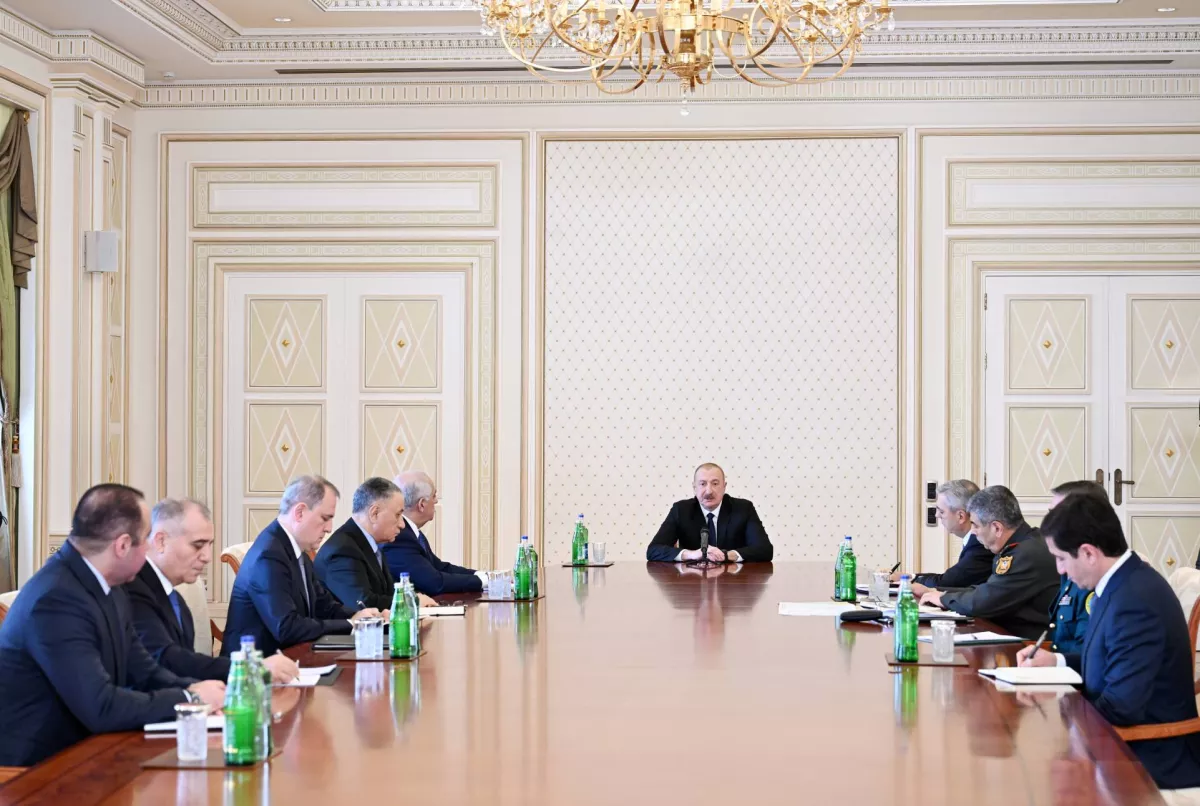
The president emphasised that the terrorist act committed by the Iranian side, along with all other dirty factors, is an example of great ingratitude.
Clearly, the drone strikes on Nakhchivan’s territory by the Iranian Armed Forces are also a manifestation of the hypocrisy of the mullah regime. Azerbaijan has always adhered to the principles of good neighbourliness: no threat has ever originated from Azerbaijani territory toward Iran or any other country.
Renowned experts have shared their assessments of these events in comments to Caliber.Az.
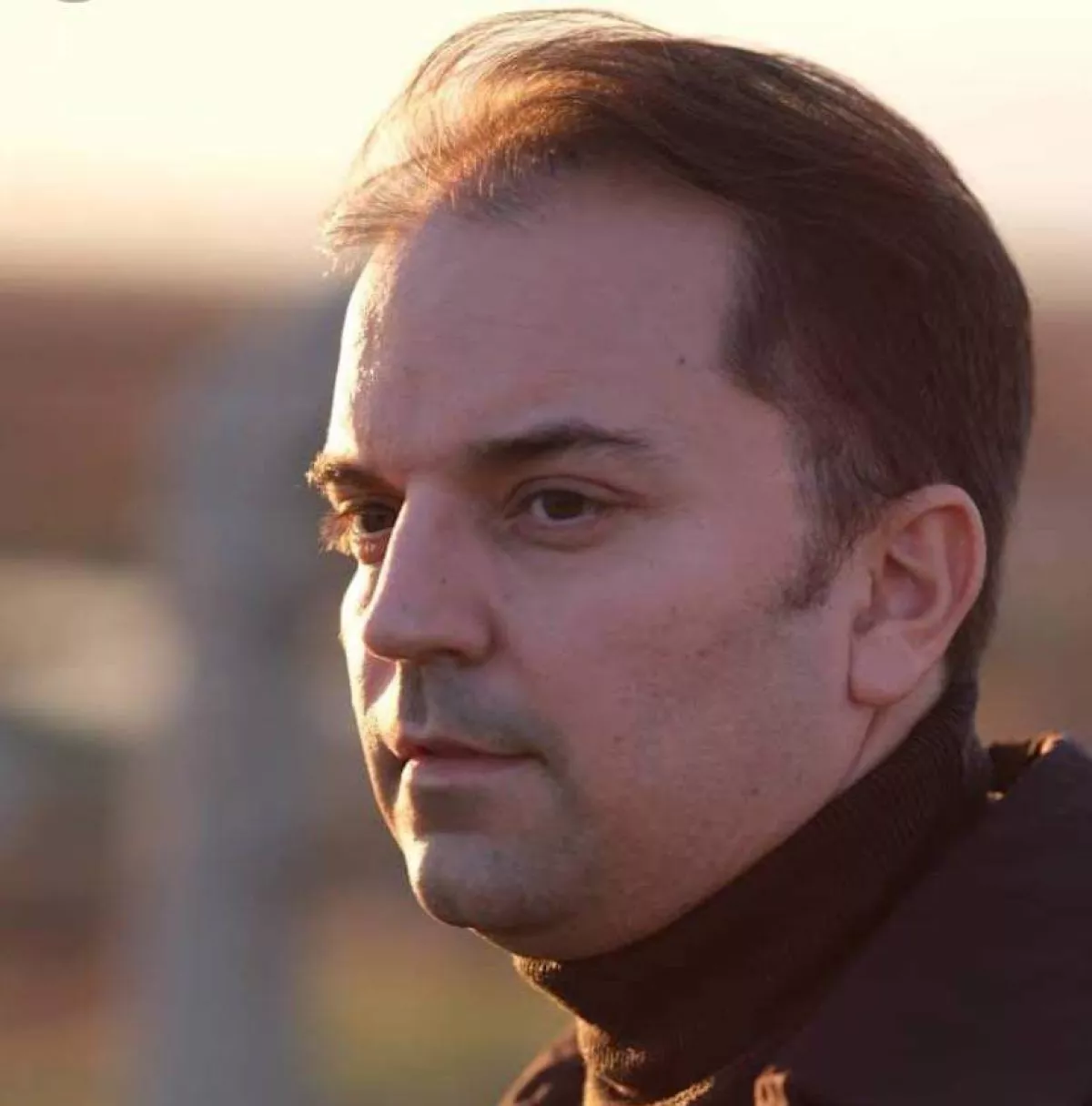
Kyle Inan (USA), Senior International Relations Strategist at the analytical firm KI Asset Management Co., noted that the attacks on Nakhchivan are certainly an extremely alarming event.
"Any incident affecting a civilian airport or an area near a school must be taken seriously and handled with restraint, since the South Caucasus is already a very sensitive geopolitical zone.
From my perspective, such incidents should be considered within a broader strategic context, rather than immediately as the beginning of a direct confrontation. Tensions between Azerbaijan and Iran have been building for many years — mainly due to Iran’s concerns about Azerbaijan’s growing military cooperation with Israel and the changing balance of power in the region. For some elements within Iran’s security system, especially those connected to the Islamic Revolutionary Guard Corps, Azerbaijan’s strategic partnership has long been viewed with suspicion.
Nakhchivan itself is not a random location in this equation. Its geographic position places it at the intersection of several strategic interests: it borders Iran and Türkiye and is closely linked to discussions about new regional transport corridors, which Iran openly opposes. Therefore, even a limited incident can carry a symbolic signal that goes beyond the immediate tactical event.
Both Ankara and Baku understand the risks of rapid escalation in a region where the interests of many powers intersect. At the same time, Tehran realizes that any serious confrontation with Azerbaijan could quickly expand the conflict and potentially involve Türkiye.
In such situations, careful fact-checking and responsible diplomatic engagement remain the most important measures. The South Caucasus is entering a period where even small incidents can have broader consequences, so managing escalation will be crucial for all parties involved," Inan noted.
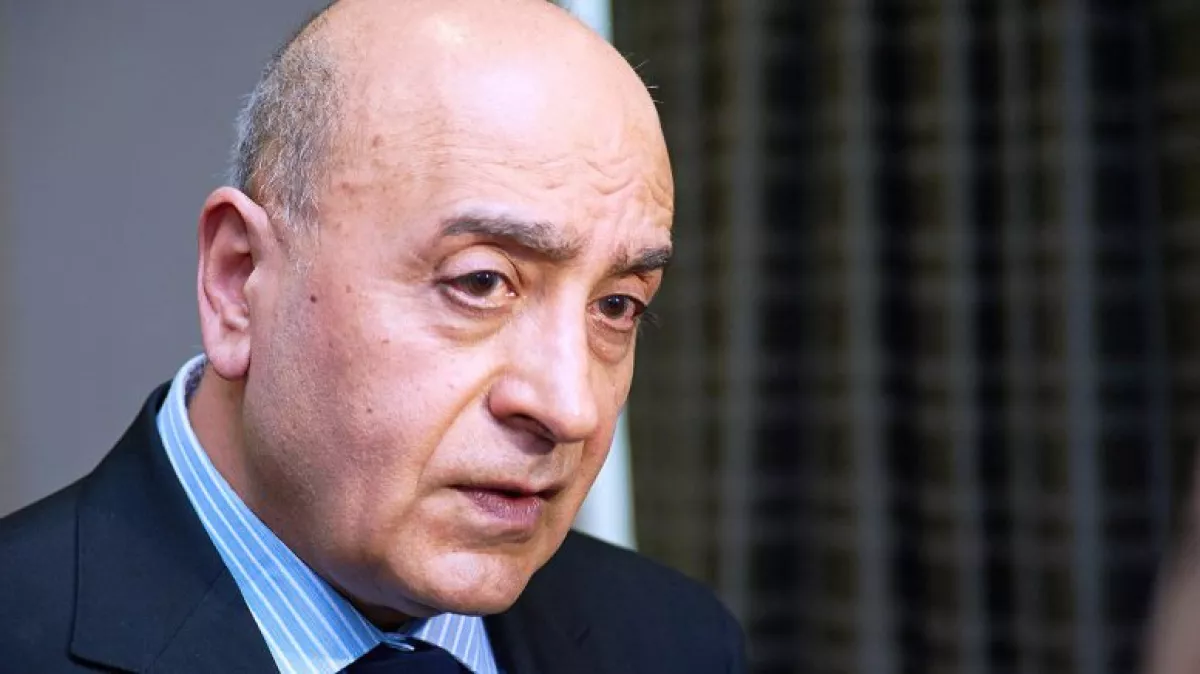
Azerbaijani MP, political scientist Rasim Musabayov, stated that the behaviour of the current Iranian regime reminds him of a chicken whose head has been cut off, yet it runs around flailing from one corner to another.
"Sometimes it seems to me that they are pretending to be insane. Perhaps their irrational actions — such as strikes against Arab states that tried to remain neutral toward Iran — are part of this.
In this sense, Azerbaijan even guaranteed that no hostile actions against Iran would originate from our territory. Moreover, for Iran, which is under blockade, this was the only way to receive some supplies and travel — at least certain individuals could move through Azerbaijan. And to spoil relations with Azerbaijan in this way — that is madness and irrational foolishness. As far as I know, after their central leadership was eliminated, they were instructed to act according to their own judgment.
It is possible that some members of the Islamic Revolutionary Guard Corps, aware that their time is limited, are launching drones and missiles before retreating. However, this does not absolve those responsible for governing Iran of accountability," the MP stated.
He added that Azerbaijan’s firm response is entirely justified, as it is unreasonable to suggest that anyone “accidentally” struck these targets.
“Drones are either guided all the way to their target or programmed with a precise flight path; hitting a school or airport by accident is simply impossible. The notion that Israelis somehow ‘hacked’ the drones mid-flight and redirected them toward Azerbaijan is equally absurd — there is no precedent for such an event. Responsibility must be accepted, yet we are seeing hypocritical excuses and statements from the Iranian foreign minister claiming they are ‘not involved’ and that an investigation is underway.
How can they talk about ‘investigating’ when drones attacked us? Azerbaijan’s response is firm and justified: our forces have been put on high alert. We will not allow Iran to act freely on our territory.
As a result, the borders are now completely closed to all transport, and the primary costs of this will be borne by Iran itself. Bringing the situation to a direct military confrontation is in the interest of neither side, but no one intends to tolerate such provocations and pressure from the Iranian regime in Azerbaijan. I believe that all necessary consultations with Türkiye and other power centres have already taken place," Musabayov concluded.







 editor@caliber.az
 +994 55 444-88-98
 Азербайджан, Баку, ул. Низами, 203, Af Business House, 5-й этаж