










C6: Bridging Central Asia and the South Caucasus Kazakh expert on regional cooperation
The C6 format is emerging as a new platform for Eurasian integration, bringing together Central Asian states and Azerbaijan to enhance strategic dialogue, trade, and regional connectivity. In an exclusive interview with Caliber.Az, Sultan Akimbekov, PhD in History, political scientist, and Director of the Institute for Asian Studies in Almaty, shares his insights on the significance of this initiative, the historical and geopolitical context, and the opportunities it presents for Central Asia, the South Caucasus, and the wider Eurasian region.
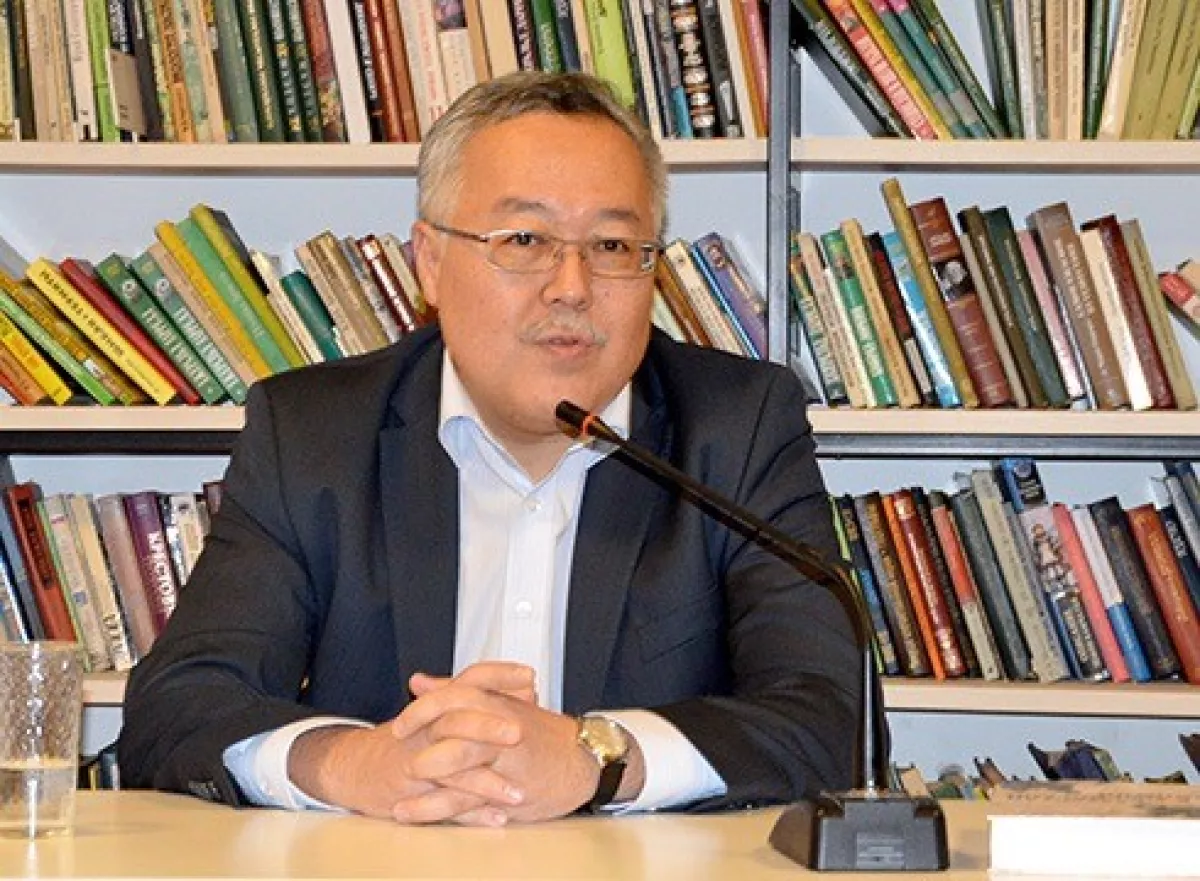
– How do you assess your visit to Azerbaijan and your participation in the international conference “One Region, Shared Future – Enhancing Strategic Dialogue”?
– The event organised by the Center of Analysis of International Relations in Baku was dedicated to the new C6 format, which in itself is of great importance both in terms of the close cultural, civilizational, and historical ties between Central Asia and Azerbaijan, and in the context of new opportunities in geopolitics and geoeconomics. Overall, the creation of the C5+ format, within which the Central Asian states interact with the world’s most significant countries or blocs, such as the EU, reflects major changes both within the Central Asian region itself and in its relations with the outside world. An important role here is played by the economies-of-scale effect, when regional countries can jointly promote their agenda and present a unified position on many issues.
In this regard, the C6 format, at this stage without the “plus,” primarily represents a rapprochement between the Central Asian states and Azerbaijan, as well as an opportunity to articulate a unified position on key issues without compromising national interests, which naturally vary from country to country. At the same time, a common priority is national development, including enhancing regional connectivity. In this context, Azerbaijan undoubtedly plays a pivotal role, particularly in light of plans to establish transport corridors linking Central Asia with Europe and the Mediterranean via the South Caucasus. This is precisely why our traditional ties rest on a solid economic foundation.
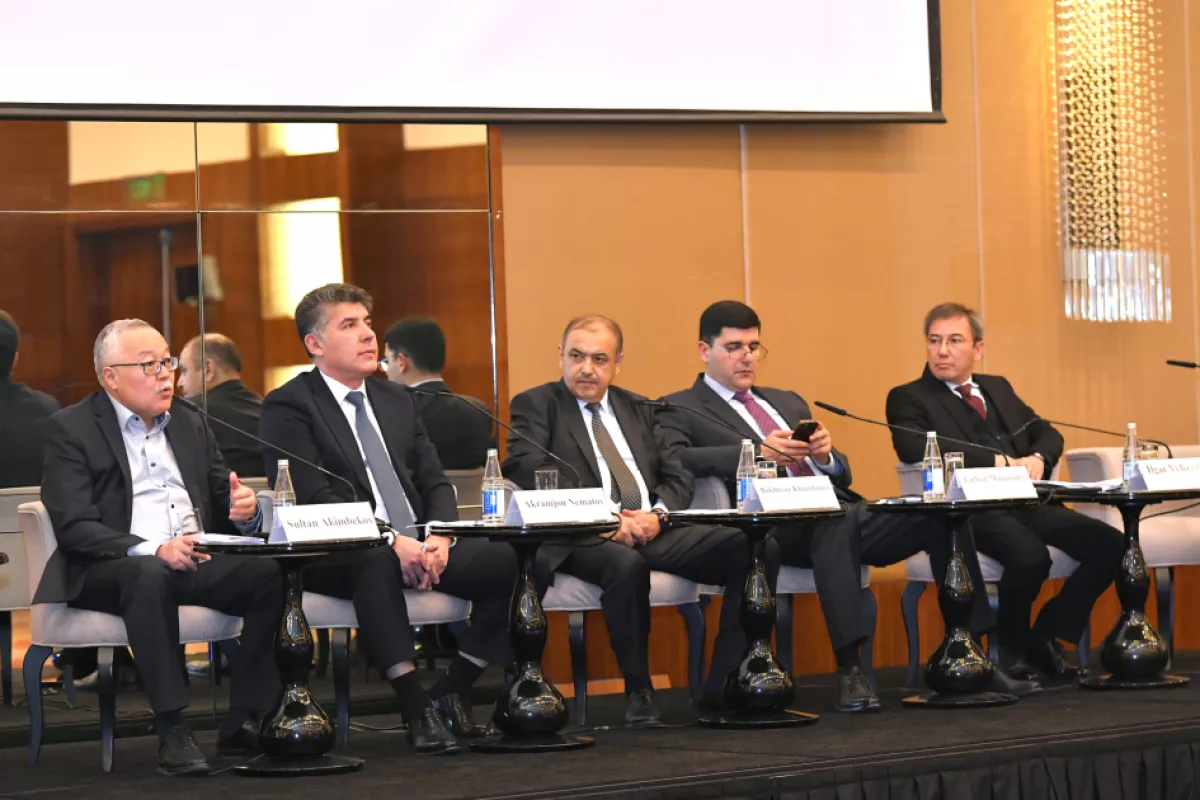
In this context, the event in Baku provided an excellent opportunity to strengthen expert-level relations among the C6 countries, which, in turn, is essential for effective intergovernmental cooperation. Within the C5 framework, we already have expert platforms and active dialogue, and this interaction will now also develop within the C6 format. In this sense, the meeting in Baku was highly productive and laid a solid foundation for further cooperation.
– You are a historian by profession. In your view, what geopolitical era are we living in? Which period of human history can it be compared to, and how would you define and characterise the processes currently taking place in Eurasia, particularly in the South Caucasus and Central Asia?
– We are living in a very challenging time. The world is changing dramatically before our eyes, and this is not only due to politics or the growing number of conflicts. Even more importantly, the very concept of globalisation—which has effectively shaped events over the past 30 years, at least since the collapse of the Soviet Union—is now being questioned. Despite many criticisms of the conditions of global trade voiced in recent years, all actors remain interested in it, even those who opposed it yesterday.
To illustrate, we can look at several historical examples. Take the Great Depression of the 1930s, which lasted more than a decade, largely due to a “war of protectionisms,” or consider the role global trade played in the development of specific regions in past empires. In Central Asia, for instance, flourishing states included the Khwarezmshahs and Timur’s empire and his descendants. However, beginning roughly in the 17th century, the region began to lose its previous significance. The main reason was the shift of trade between China and Europe from overland routes through Central Asia and Iran to maritime routes dominated by European powers. As a result, for about 400 years, the region became peripheral to global trade and, consequently, lost much of its strategic importance.
Today, we are seeking to seize a historical opportunity to revive intra-continental trade, including through the South Caucasus. From the perspective of world history, this is a very important period.
– Today, many analysts say that a “golden era” has arrived for Turkic countries and peoples—a moment to unite in addressing shared challenges. One example is the increased activity of an important structure like the Organisation of Turkic States. How do you assess these developments?
– It is difficult to give a straightforward answer here. Opportunities have certainly expanded: today, six Turkic-speaking states are present on the international stage, rather than just Türkiye, as was the case before the collapse of the Soviet Union. However, these opportunities must be effectively utilised. Of course, we share common tasks and interests, and they need to be addressed through joint efforts. For this purpose, many different formats of cooperation are being developed.
Within the C6 framework, we also have an important participant—Iranian-speaking Tajikistan—which is genuinely significant for regional politics. The notion of a “golden era” works well in journalism, but politics and economics require a systematic approach. This is hard work that must take into account diverse challenges and interests. At the same time, it is always crucial to act collectively, as this makes it easier to respond effectively to emerging challenges.
– What platforms of cooperation and rapprochement are necessary for Azerbaijan and Kazakhstan? Which strategies should our countries focus on?
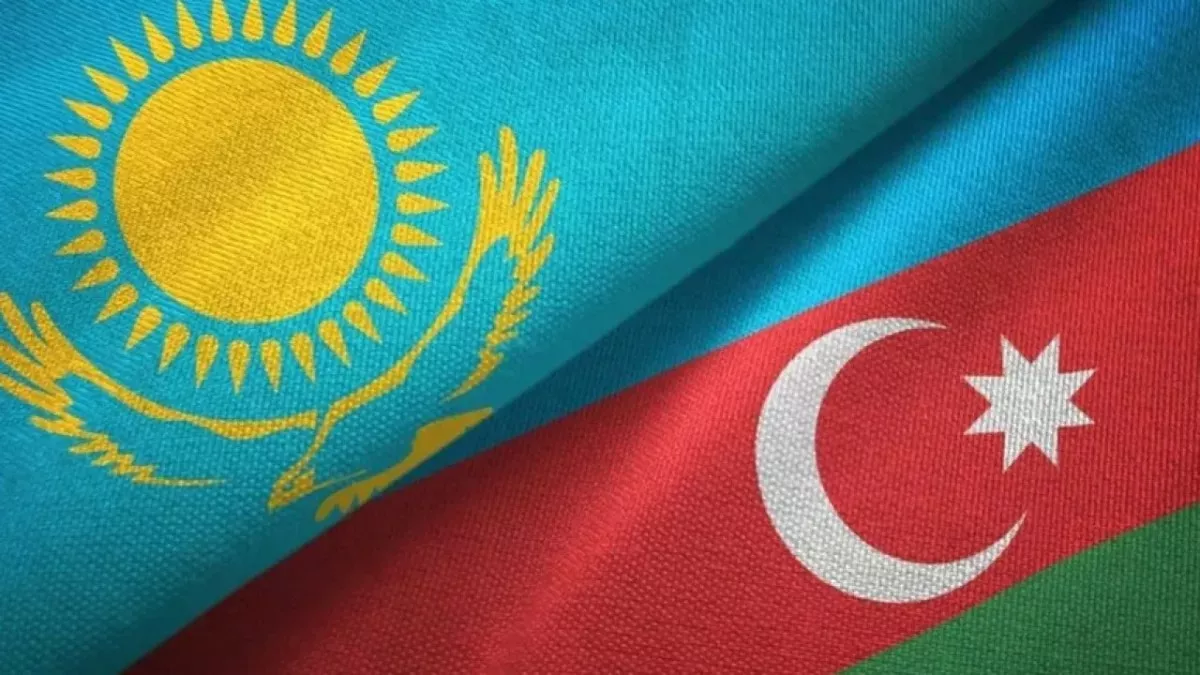
– In Central Asia, the question of leadership of one country over another is not considered relevant. In recent years, we have developed substantial experience in joint action and have resolved numerous contradictions. Leadership is not important here. If, in some situations, there appear to be so-called “front-runners,” these are always agreed upon collectively.
Of course, both Azerbaijan and Kazakhstan have achieved significant successes. I believe our cooperation is defined precisely by the results we have achieved. Experience shows that we can complement each other, and we are also united by the Caspian Sea, as many regional projects are connected in one way or another to the construction or development of existing transport corridors through the Caspian—for example, the Middle Corridor.
Azerbaijan–Kazakhstan ties function as a kind of bridge linking our countries. The interaction between Azerbaijan and Kazakhstan has great potential, as it relies heavily on shared approaches, a common understanding of the situation, and aligned interests.







 editor@caliber.az
 +994 55 444-88-98
 Азербайджан, Баку, ул. Низами, 203, Af Business House, 5-й этаж