










Armenia’s nuclear crossroads Expert opinions on Caliber.Az
Russia has announced its readiness to take into account new nuclear safety risks in the event that Armenia moves forward with the practical implementation of a project to build small modular reactors using American technology. Russian Security Council Secretary Sergey Shoigu, commenting on the situation in the media, linked the potential presence of such facilities in a seismically active region to possible threats for the entire South Caucasus.
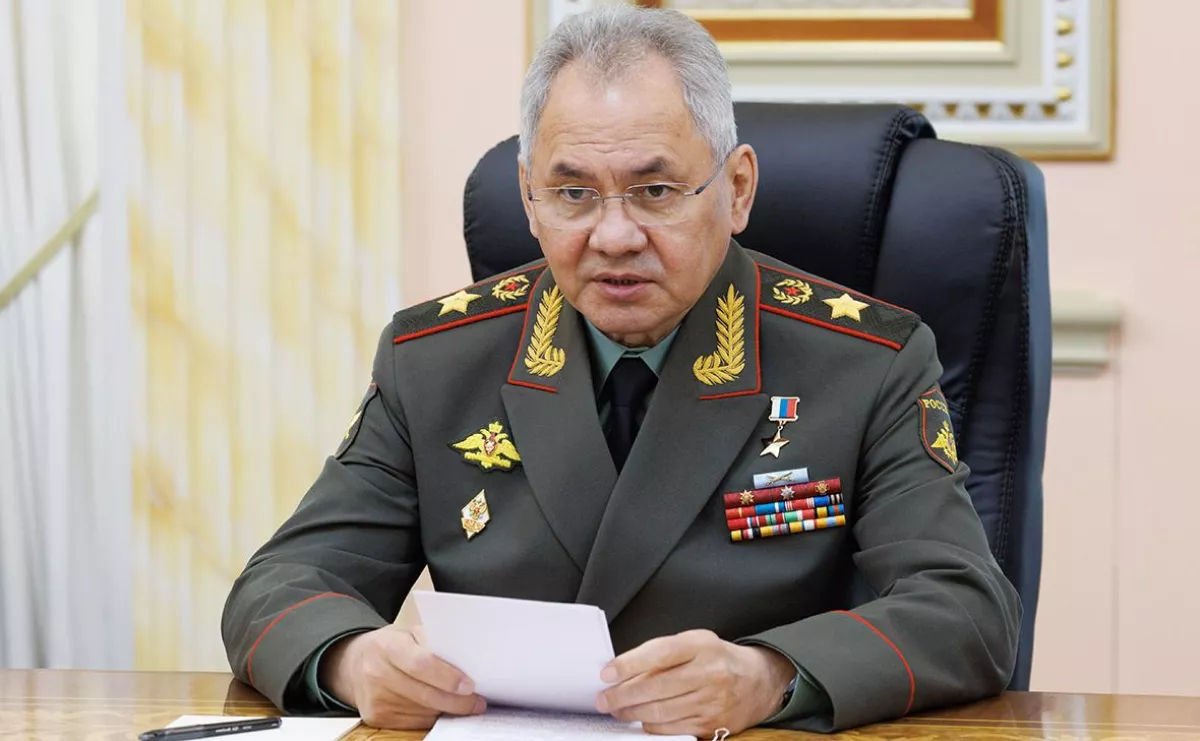
“Armenia is a seismically active region. Soviet engineers implemented a unique foundation design at the Armenian NPP, which allowed the plant to withstand the 1988 earthquake, and one of the power units is still operational today. If American small modular reactors are built, all countries in the region and the population of Armenia will have to take into account new nuclear safety risks,” Shoigu noted.
He added that Russia will proceed on the assumption that “American experiments in nuclear technology will appear in a seismically active zone,” calling it a potential threat and recalling the Fukushima-1 NPP disaster, where an earthquake led to an accident with radioactive contamination.
How justified are Moscow’s concerns? Is Yerevan genuinely trying to balance relations between the major players in nuclear energy, developing parallel cooperation with both Russia and the United States? Or does Armenia pursue its own strategic plan for diversifying energy sources and technologies?
An Armenian expert and a Russian nuclear physicist explore these questions in an in-depth commentary for Caliber.Az.
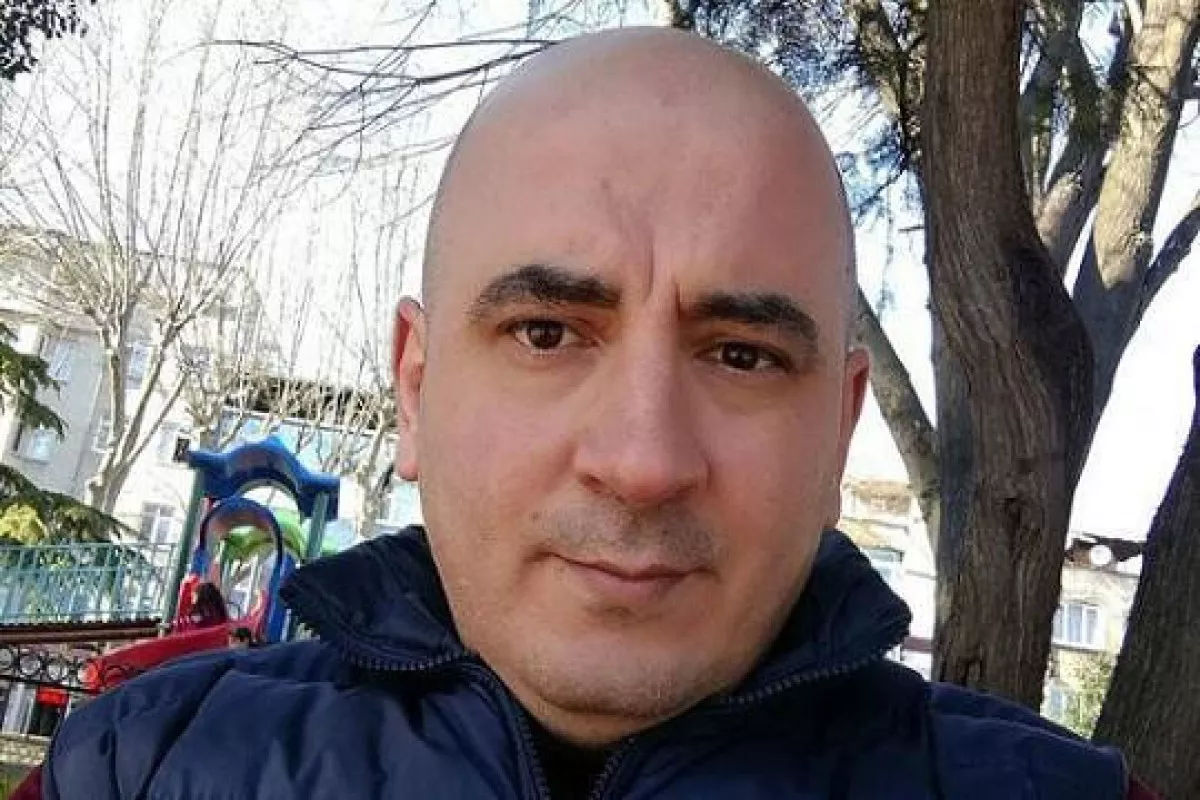
According to Armenian political analyst Ishkhan Verdyan, statements by Sergey Shoigu should probably be approached with a certain degree of scepticism.
“Not long ago, he loudly claimed that Russia was allegedly threatened from the East and that, after the so-called special operation is completed, a million-strong contingent would need to be deployed precisely in that direction. However, if one asks who exactly intends to attack Russia from the East, there is no clear answer. It seems that such statements are meant to lay the groundwork for the future — including in the event of potential escalations in Central Asian countries, which have recently been discussed in the context of a hypothetical expansion of ‘special military operation’ across the post-Soviet space,” the analyst noted.
In his view, regardless of Moscow’s strategic plans, Shoigu’s rhetoric does not always align with factual reality. It gives the impression that he often delivers statements primarily to elicit a reaction — from both opponents and the international community. Therefore, taking every such statement literally is not always considered appropriate.
“The issue of small modular nuclear reactors, which the United States plans to supply to Armenia, deserves a separate analysis. The topic is indeed complex. To date, small modular reactors have not seen widespread commercial use; their application remains limited and is mostly pilot or demonstrational in nature, and in some cases is used in the military sector — for example, on submarines and other closed facilities. If the project goes ahead, it will essentially involve a pilot model — one of the first examples of such civilian application.
This naturally raises some scepticism, as the technology has not yet been widely validated in practice. On the other hand, if Armenia becomes one of the pioneers in this field, it could open new technological opportunities for the country.
Regarding safety concerns, it is claimed that the compact power units will comply with modern requirements and international standards. Moreover, even in the event of an accident at one of the units, experts assess the potential consequences as localised — without significant cross-border or large-scale destructive impact. In this context, the concern voiced by Shoigu appears, at the very least, debatable and not entirely justified,” Verdyan added.
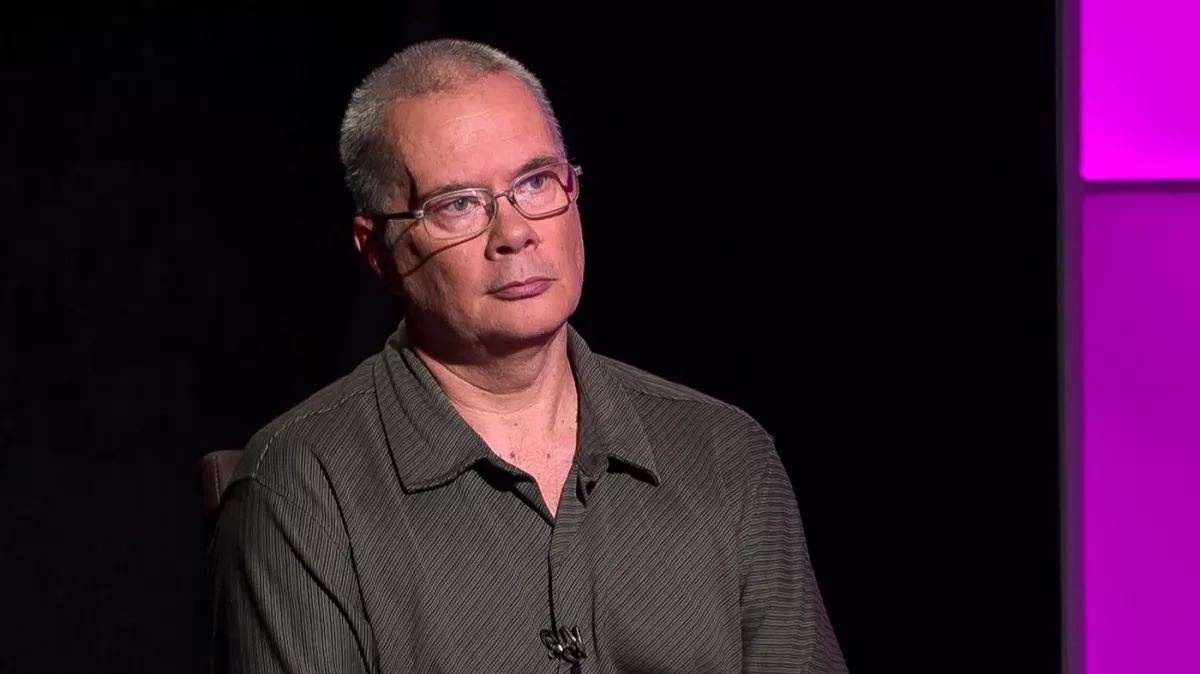
Russian nuclear physicist, environmentalist, and expert of the Radioactive Waste Safety programme, Andrey Ozharovsky, urges that political rhetoric should first and foremost be separated from professional expertise.
“It should be taken into account that Sergey Kuzhugetovich Shoigu is neither by education nor by profession a specialist in nuclear or radiation safety. To me, his statement is more of a routine remark in the logic of ‘everything Russian is good, everything American is bad,’ rather than a substantive risk analysis,” the expert noted.
Ozharovsky emphasises that for Armenia, the key issue is not the choice of the reactor-supplying country, but the strategic choice of an energy development model.
“It is in the interests of Armenia and the entire region to focus on less hazardous and more reliable energy sources. In this sense, priority should be given to renewables — solar and wind. Armenia’s problem is that the presence of the old Soviet-era Metsamor NPP hinders the development of solar and wind energy. Meanwhile, the advantages are obvious: solar and wind do not require imported fuel, which reduces external dependence,” the scientist stressed.
He reminded that nuclear power does not provide Armenia with genuine energy independence:
“The Metsamor NPP does not create energy autonomy. It generates dependence on nuclear fuel supplies, primarily from Russia. Moreover, in the past there have been serious financial difficulties related to payments for fuel deliveries to Rosatom, which strengthened the Russian side’s financial influence over the plant’s operations. This clearly demonstrates that the nuclear model remains dependent — without fuel, the reactor does not function, unlike renewable sources.”
According to the expert, the current geopolitical situation in the South Caucasus opens up additional options for Armenia.
“As far as one can judge, there has been a noticeable easing of tensions between Baku and Yerevan. Peace agreements are being signed or prepared, and trade contacts are expanding. In these circumstances, Armenia could consider an intermediate option — purchasing gas from Azerbaijan as a temporary solution until a large-scale transition to renewable energy. The nuclear plant was largely justified in the logic of isolation and conflict, in the paradigm of a ‘besieged fortress.’ If that logic fades, the argument for nuclear power weakens as well,” he noted.
Ozharovsky emphasises that the fundamental question is not whether a Russian or an American reactor is built.
“There is no nuclear power plant that is safe simply because it is built by one manufacturer or another. The potential risk is inherent in the technology itself. I expect that the nuclear industry, as has happened in several countries, will gradually yield to competition from other types of generation.
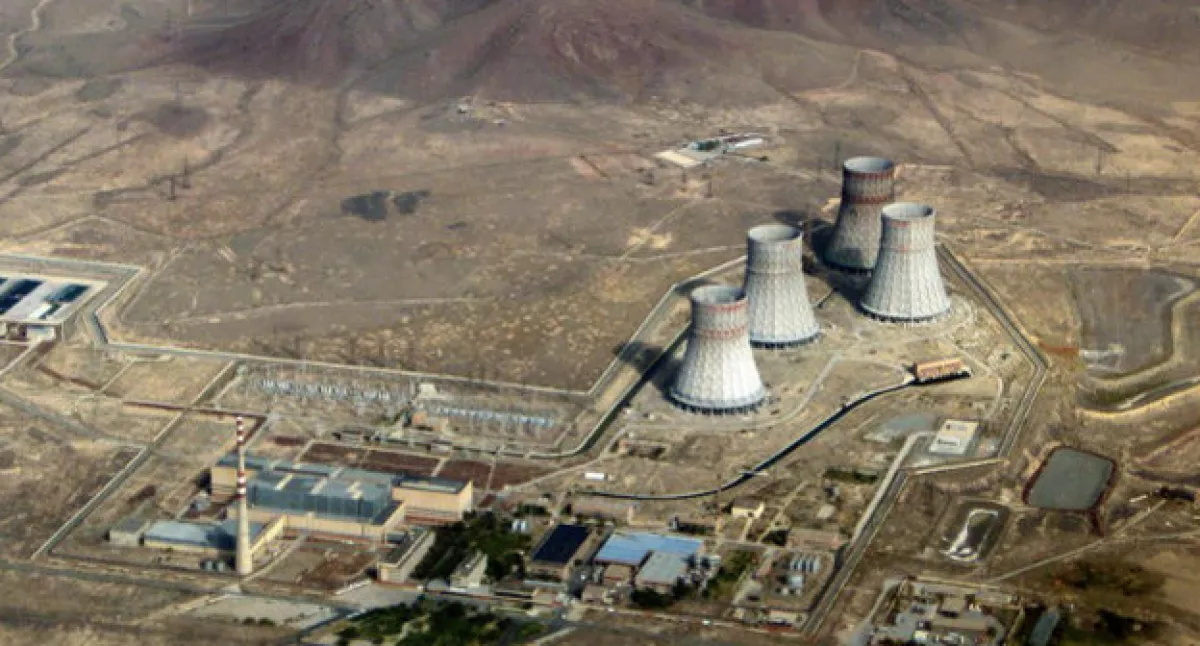
One or two small reactors may be built in Armenia; however, the old Metsamor NPP unit, with a capacity of around 440 megawatts and commissioned during the Soviet era, objectively needs to be decommissioned. If it is replaced with a lower-capacity reactor — say, 100 megawatts — this would already mean a reduction in the share of nuclear generation and a move in line with global trends.
According to the International Atomic Energy Agency, the share of nuclear power in the global energy balance is gradually declining. Talk of a ‘new nuclear renaissance’ does not change this fundamental trend. Nuclear energy loses primarily economically, and then environmentally and politically. As recent events have shown, it is also vulnerable in military terms.
The situation in Ukraine has demonstrated that a country with a developed nuclear infrastructure becomes extremely sensitive to military risks and terrorist threats. In the mountainous terrain of the Caucasus, a potential accident could have serious cross-border consequences,” Ozharovsky noted.
Answering a question about the possibility of having different foreign companies operate nuclear projects within the same country, the expert noted that technically this is feasible, but the situation in Armenia is different.
“For large countries, this is normal practice — just think of Japan or Germany, where reactors were built by different corporations. But Armenia is a small country. The Metsamor unit has already significantly exceeded its originally intended operational lifespan.
Formally, its service life can be extended, but objectively, it should be decommissioned. If an American reactor is built, it is most likely that the old Soviet unit will be shut down. This is not an ideal scenario, but if the new capacity is lower than the current one, it will be a step toward reducing the overall share of nuclear generation,” Ozharovsky concluded.







 editor@caliber.az
 +994 55 444-88-98
 Азербайджан, Баку, ул. Низами, 203, Af Business House, 5-й этаж