










EU and Türkiye: pragmatism over illusions Expert opinions on Caliber.Az
Turkish Foreign Minister Hakan Fidan met in Ankara with the European Commissioner for Enlargement, Marta Kos.
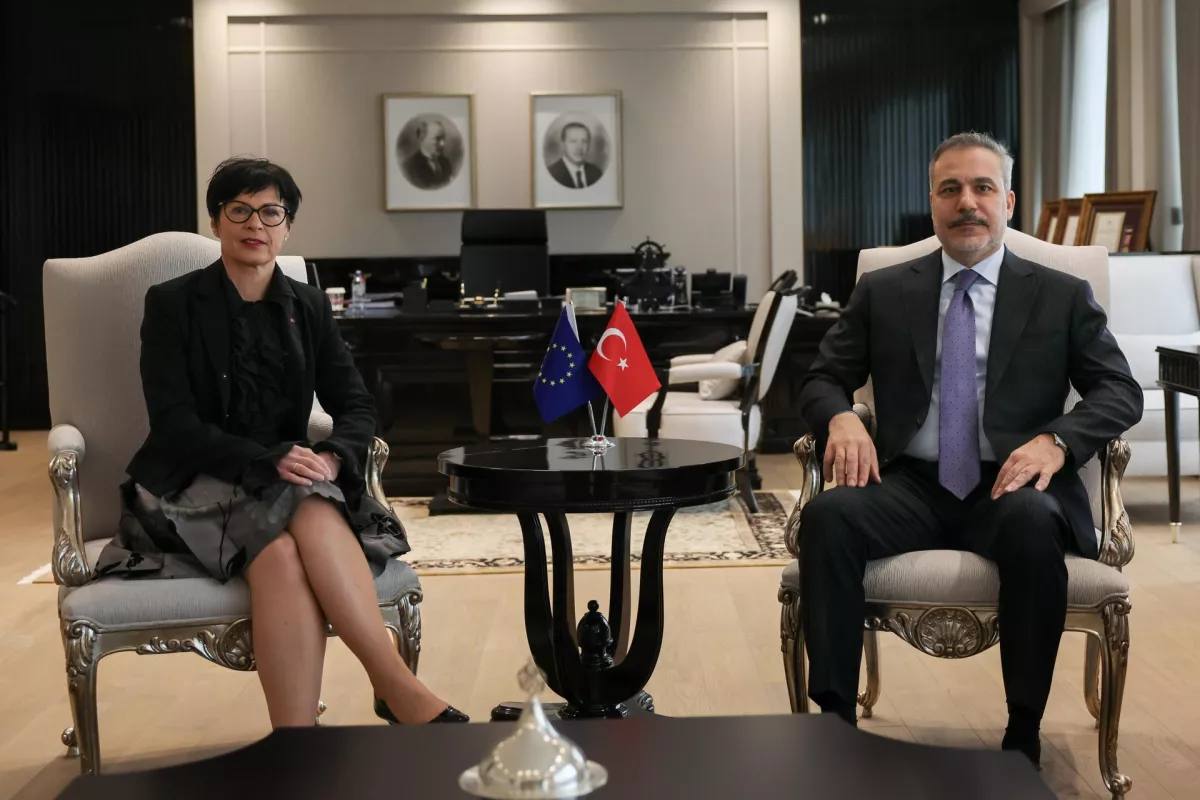
The Turkish Ministry of Foreign Affairs issued a joint statement following the talks, in which Hakan Fidan and Marta Kos reaffirmed Türkiye’s status as an EU candidate country and underscored the strategic importance of Turkish-European relations for enhancing regional stability and economic resilience in a rapidly evolving geopolitical environment.
The statement noted that five high-level meetings held in 2025 have advanced EU support for Türkiye’s efforts to provide temporary protection to refugees and facilitated greater access for Turkish citizens to multiple-entry Schengen visas.
The parties emphasised that recent global and regional developments have further strengthened the strategic significance of Türkiye-EU relations and highlighted Türkiye’s vital role as a central geopolitical actor in the region.
The interlocutors reaffirmed the importance of economic integration between Türkiye and the EU and agreed to continue efforts to improve the functioning of the bilateral Customs Union.
Separately, the parties welcomed the European Commission’s decision to facilitate the issuance of multiple-entry Schengen visas for Turkish citizens.
Commissioner Marta Kos also reiterated the need to prevent all countries from circumventing EU sanctions.
On the eve of her visit to Türkiye, Marta Kos told Politico that Ankara could play an important role in the post-war resolution of the situation in Ukraine.
“Peace in Ukraine will change the realities in Europe, especially in the Black Sea region. Türkiye will be a very important partner for us,” she emphasised.
Last autumn, Turkish media reported that the authorities were prepared to join the European “Coalition of the Willing” and send a peacekeeping contingent to Ukraine after the cessation of hostilities.
“The Turkish Armed Forces are prepared to contribute to any initiative aimed at ensuring security and stability in our region,” government sources told Daily Sabah.
Ultimately, the question of Türkiye’s prospects for EU membership arises once again — this is the first aspect. The second concerns what Brussels expects from this partner in the event of a ceasefire agreement between Russia and Ukraine. Does the EU truly anticipate that Türkiye — a NATO member with the Alliance’s second-largest army and control over the straits leading to the Black Sea — could play a key role in ensuring Ukraine’s security after the war ends? Could this be why Brussels has decided to intensify its dialogue with Ankara, which has noticeably cooled in recent years?
Prominent Turkish regional experts shared their views on this with Caliber.az.
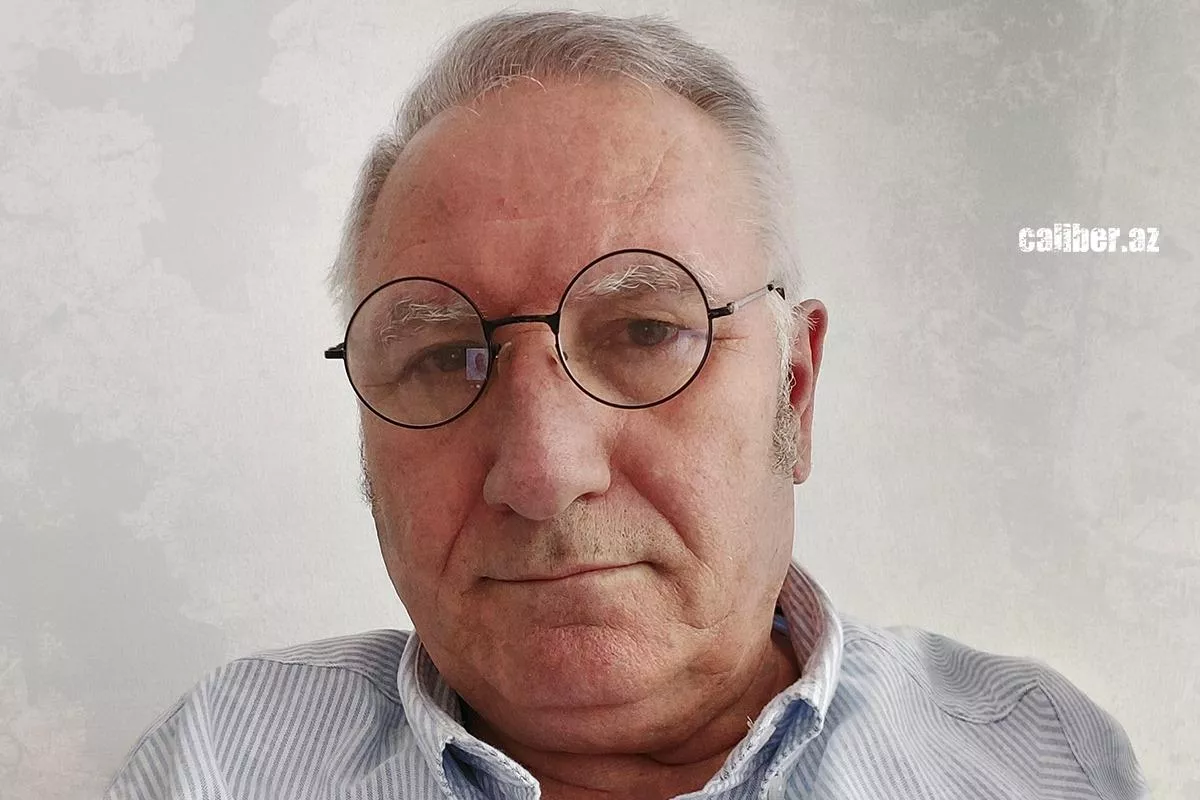
Analyst, political scientist, and professor Haydar Çakmak stated that Western countries have never been true friends of the Turks.
“They have never been sincere. Relations with Türkiye have been driven not by principles but by the West’s short-term interests. Türkiye’s membership in the European Union is out of the question. Even the leaders of the ruling Justice and Development Party are not pursuing it,” the professor noted.
According to him, tensions between the United States and Europe, NATO’s declining effectiveness, and the EU’s need to strengthen its own defence capabilities are pushing Brussels toward closer engagement with Ankara — primarily due to Türkiye’s security and military potential.
“This is creating a rift within the West. Uncertainty over future Russia-Europe relations, coupled with negative past experiences, is pushing Europe to pursue security policies that do not fully align with NATO frameworks. They lack sufficient human resources for their own defence and recognise that European societies are unwilling to send their children to war. Deploying Turkish soldiers is far easier for them. While Putin and Russia aim to expand their influence, Türkiye must ensure the security of the Black Sea region, the Caucasus, and the Balkans. The EU’s current efforts to strengthen bilateral relations are motivated not by affection for Türkiye, but by the strategic interests and needs of the West,” Çakmak argues.
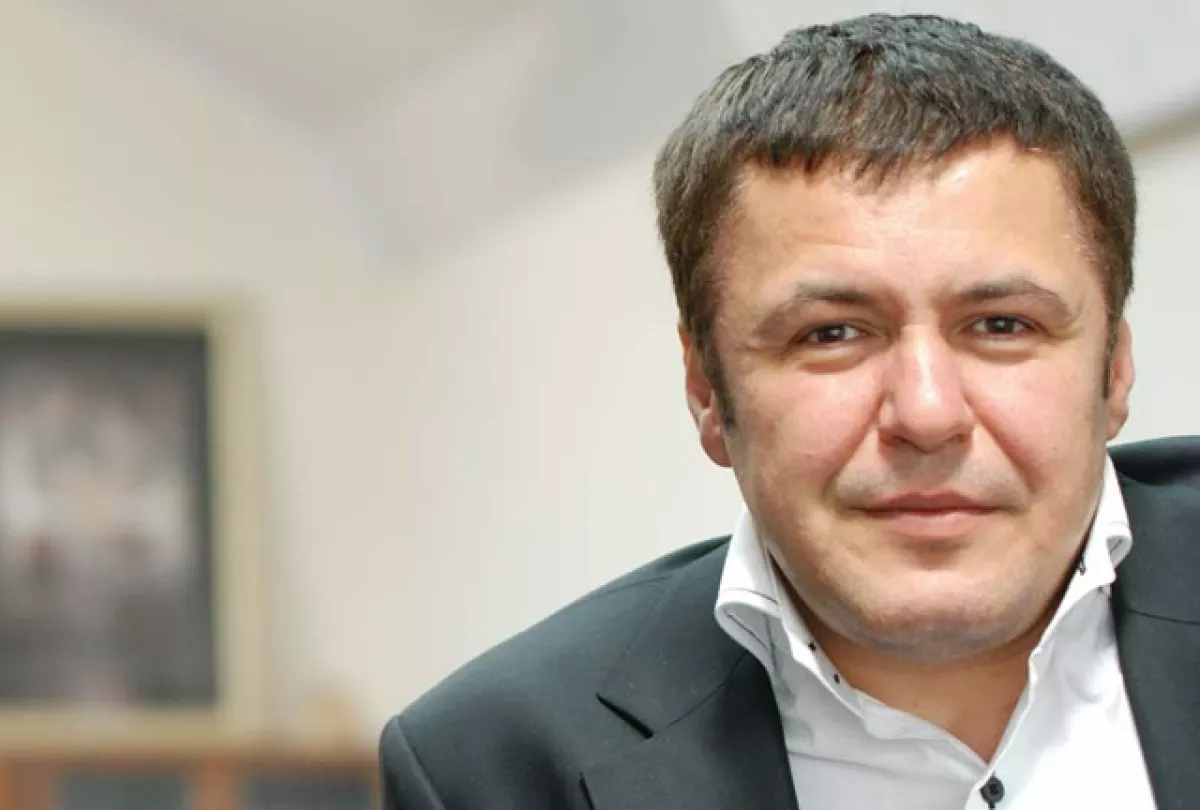
Candidate of Historical Sciences, Middle East expert, and Associate Professor of the Department of Foreign Regional Studies at MGIMO, Mehmet Emin İkbal Dürre, emphasised that Türkiye is seen as a strategic partner and a key country in the post-war reconstruction and stabilisation of Ukraine.
“Thanks to its NATO membership, the second-largest army in the Alliance, and control over the Black Sea straits, Ankara is potentially able to play an important role both in security and in infrastructure reconstruction. Recently, there has indeed been a noticeable drift of Türkiye toward the West, driven by pragmatism and economic interests. However, this should be understood as a strategic adjustment rather than a complete pivot.
At the same time, it must not be forgotten that Russia is not just a neighbour for Türkiye, but a strategic counterbalance and a major economic partner. Ankara traditionally avoids steps that could lead to an irreversible rupture with Moscow, adhering instead to a policy of ‘strategic autonomy,’” Dürre noted.







 editor@caliber.az
 +994 55 444-88-98
 Азербайджан, Баку, ул. Низами, 203, Af Business House, 5-й этаж