










Europe’s migration dilemma Without them, impossible; with them, problematic
Europe is attracting immigrants who strain the social welfare system rather than those who strengthen the labour market, Belgian Prime Minister Bart De Wever said while speaking at the “Future of Europe” event.
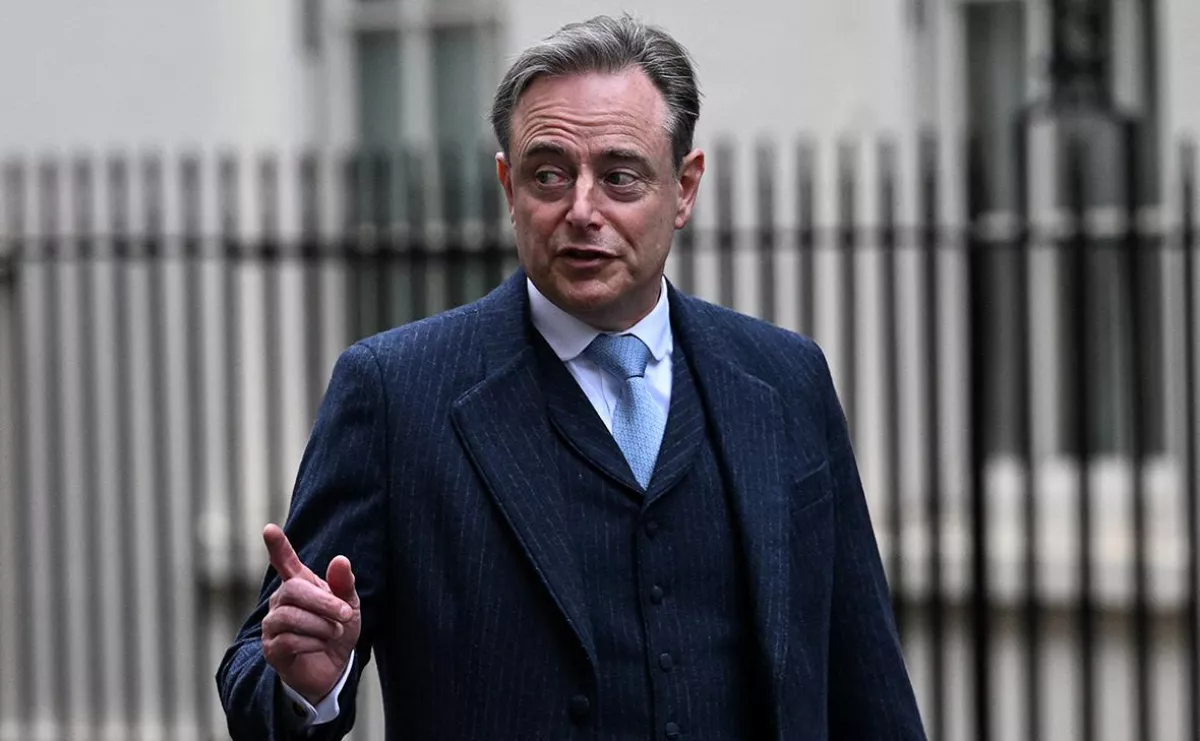
“I was a sharp critic of what Europe was doing on immigration. I think Europe was foolish. We attracted the wrong kind of immigrants. We need immigrants, but we need to attract the right kind of immigrants, active immigrants who can reinforce our labour market. But our main 'speciality' has been attracting immigrants who are actually weighing on the social system,” he said.
In his view, “our citizens see this, and this has fueled the extreme right.”
In May 2024, the European Union approved a reform tightening the rules for admitting migrants from third countries.
The Migration and Asylum Pact is intended to strengthen the fight against illegal migration and human trafficking, as well as toughen penalties for related crimes across the EU. Member states were given two years to incorporate the pact’s provisions into their national legal systems. Among other measures, the reform provides for a “fair” distribution of migrants among EU countries — a mechanism Brussels believes will ease the burden on frontline states facing the largest inflows of irregular migrants.
How justified are the Belgian prime minister’s conclusions? What risks do the current migration flows — deemed “the wrong kind” in his assessment — pose to the EU? And is it still possible to correct the situation in principle, or has the window of opportunity already closed?
Well-known international commentators attempted to answer these questions in remarks to Caliber.Az.
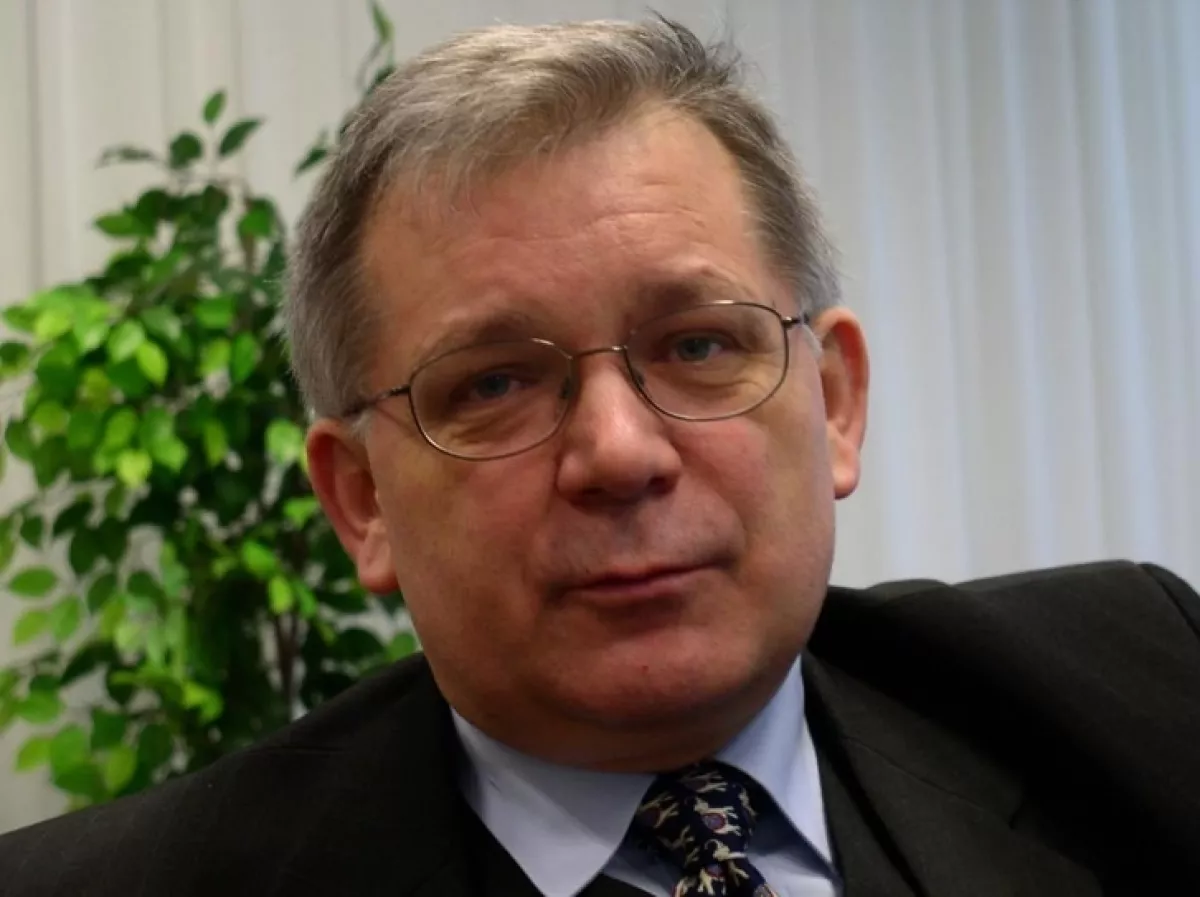
Polish analyst Roman Bäcker, a professor at the Faculty of Political Science and International Studies at Nicolaus Copernicus University in Toruń, stressed that migration in the European Union is a large-scale and extremely complex phenomenon.
“Economic migration is no longer the primary mechanism for compensating labor shortages. This is not the 1960s, when West Germany employed millions of young workers from Türkiye. Today, mass migration from Africa and Asia is increasingly becoming an instrument of hybrid pressure by Russia and Belarus against the EU. The more people illegally cross the Polish and Lithuanian borders, the greater the costs — not only for those two countries, but for the EU as a whole.
In 2022, following the outbreak of the full-scale war, migration from Ukraine was also massive. Europeans extended broad support to refugees, including by opening their own homes to them,” the professor noted.
In his view, migration in itself is not a negative phenomenon.
“However, when it becomes mass in scale and is accompanied by migrants’ inability to integrate into the host society, it can threaten social stability. The key task for the European Union is to ensure the effectiveness of migrants’ cultural integration. If cultural assimilation policies fail, migration will continue to remain a serious problem for Europe,” Bäcker argues.

Irish political scientist and historian Patrick Walsh said that migrants in the EU and the United Kingdom are objectively essential to the functioning of their economies.
“Entire segments of the hospitality industry in European capitals — particularly hotels and restaurants — would not be able to operate without migrants. A significant share of the fast-food delivery sector, which expanded rapidly after the COVID-19 pandemic, also relies on their labour.
In essence, it is the nature of modern capitalism and Europeans’ own consumer habits that have driven the influx of so-called ‘wrong migrants.’ I do not see this ending unless Europeans change their way of life. Frankly speaking, they have become lazy and dependent on fast food and the entertainment industry. This lifestyle creates a steady demand for migrant labour, and if Europeans are not prepared to ‘turn back the clock’ and return to the social models of the last century, they will not be able to change the current situation,” Walsh argues.







 editor@caliber.az
 +994 55 444-88-98
 Азербайджан, Баку, ул. Низами, 203, Af Business House, 5-й этаж