










Azerbaijan – Central Asia: Transforming regional cooperation Expert opinions on Caliber.Az
Baku hosted an international conference titled “C6: One Region, Shared Future – Enhancing Strategic Dialogue,” bringing together experts, analysts, and researchers from Azerbaijan and the countries of Central Asia. The event focused on the prospects of Azerbaijan’s potential accession to the Consultative Meeting of the Heads of State of Central Asia.
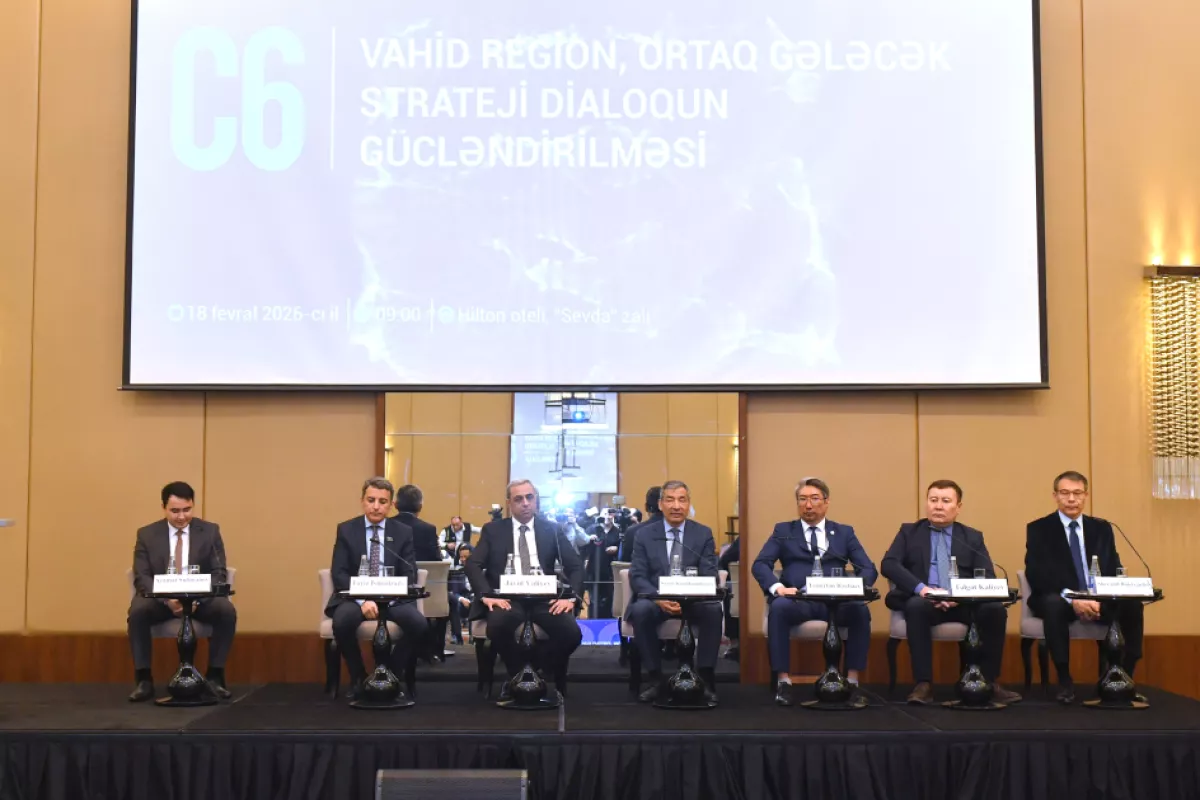
The primary objective of the conference was to deepen strategic dialogue within the C6 framework, develop coordinated approaches, and promote the establishment of sustainable cooperation mechanisms aimed at ensuring the region’s long-term development.
The event featured panel discussions on the following topics: “From Dialogue to Sustainable Mechanisms: The Future of C6 Cooperation,” “Connectivity and Development: The Economic Dimension of C6 Cooperation and Sustainable Growth,” and “C6 Regional Security in the Era of Global Instability.”
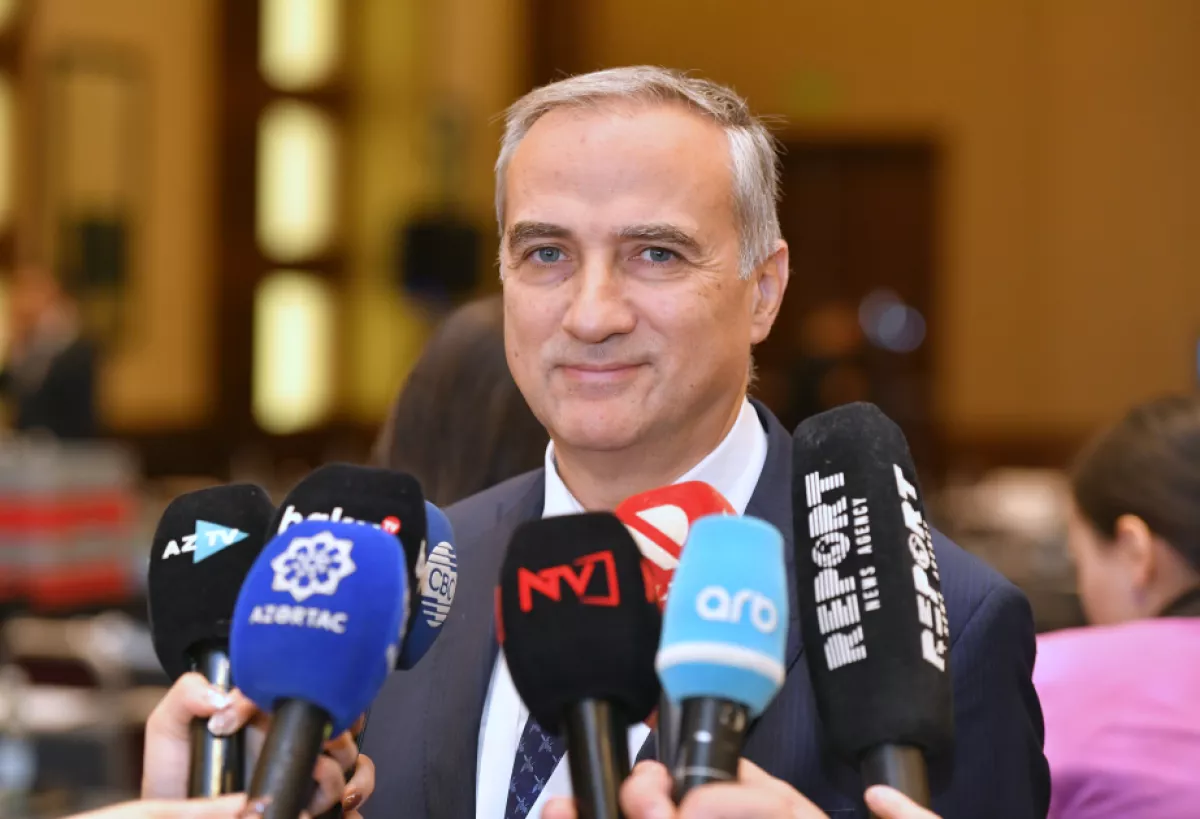
Farid Shafiyev, Chairman of the Board of the Center of Analysis of International Relations, emphasised that expanding engagement with Asian institutions and deepening strategic partnerships enable Azerbaijan to strengthen the eastern vector of its foreign policy, while continuing a constructive and mutually respectful dialogue with the United States and its European partners.
“This change in approach is intended to lessen vulnerability, increase opportunities, and establish new avenues for regional and national development,” Shafiyev stressed.
Experts and political analysts from Central Asia highlighted the significance of Azerbaijan’s strategic partnership with the C5 countries.
Analysts from Uzbekistan and Kyrgyzstan shared their perspectives with Caliber.Az.
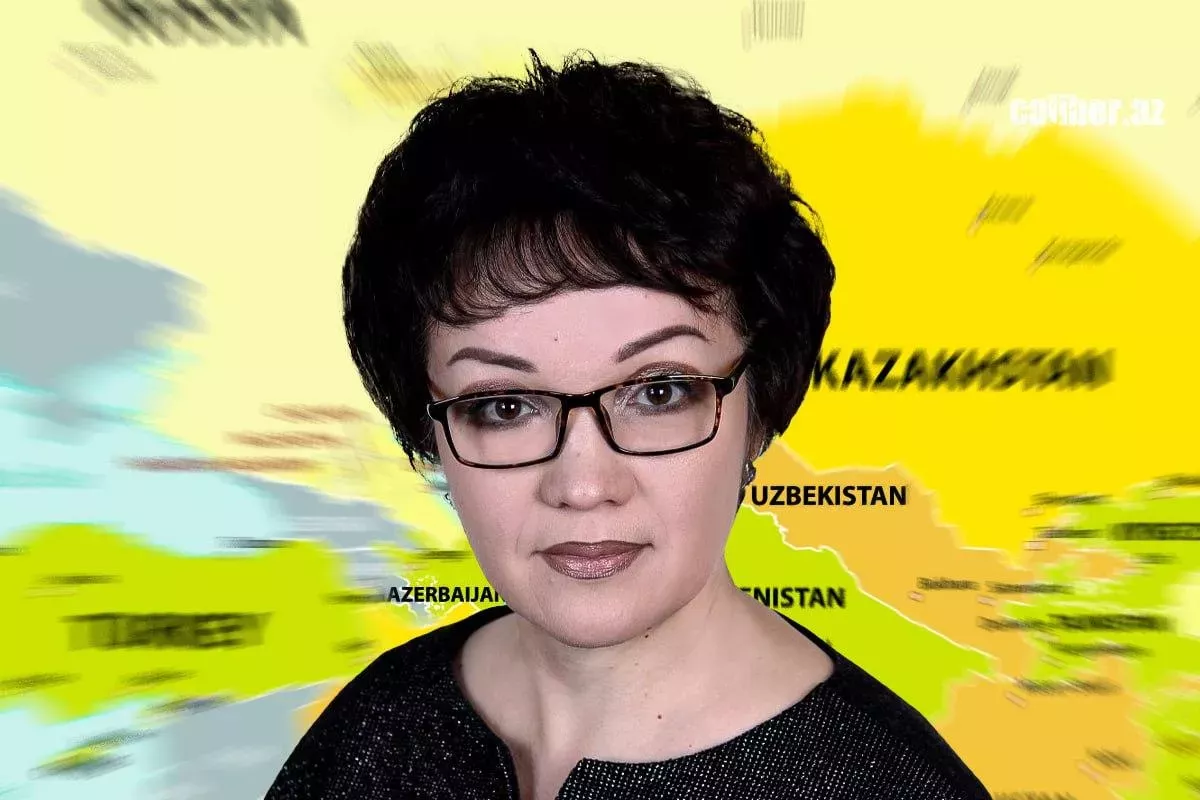
Doctor of Historical Sciences, Professor of the Department of Political Science at the University of World Economy and Diplomacy (Tashkent, Uzbekistan), Ranokhon Tursunova, emphasised that strengthening ties between the countries of Central Asia and Azerbaijan serves the long-term interests of regional stability, economic growth, and sustainable development.
“In a period marked by the transformation of the global system and the emergence of new centres of power, regional consolidation is gaining increasing importance. Central Asia and Azerbaijan, sharing common historical and cultural roots as well as similar development priorities, are shaping a space of trust and mutual support.
For Uzbekistan, the policy of good-neighbourliness and openness forms the foundation for expanding strategic partnerships with regional countries, including Azerbaijan.
Particular importance is attached to the development of transport integration. The implementation of transit projects — including those within the framework of the Middle Corridor — contributes to the diversification of export routes, enhances the resilience of supply chains, and facilitates the region’s integration into global markets. Cooperation along the Caspian route strengthens the role of Central Asia and Azerbaijan as a bridge between East and West.
Deepening trade, economic, and investment cooperation opens up opportunities for industrial collaboration, the development of the energy sector, the green economy, digitalisation, and agriculture. Uzbekistan views Azerbaijan as a reliable partner in the implementation of joint projects, the establishment of enterprises, and the expansion of interregional ties.
Humanitarian cooperation — in the fields of education, culture, and tourism — further reinforces mutual understanding between peoples and lays a solid societal foundation for strategic partnership.
Thus, strengthening ties between Central Asia and Azerbaijan is not only a response to external challenges, but also a conscious choice in favour of sustainable development and regional solidarity. The Republic of Uzbekistan consistently advocates expanding multilateral and bilateral cooperation in the name of shared interests and the well-being of nations,” the political scientist noted.
In her view, cooperation between the Central Asian states and Azerbaijan is both strategic and pragmatic in nature, closely linked to the development of transport corridors, the pursuit of a balanced foreign policy, and the strengthening of multilateral formats of engagement.
“The development of the Trans-Caspian International Transport Route is regarded by Uzbekistan as a key factor in diversifying foreign economic ties. Expanding cooperation with Azerbaijan enhances the region’s transit potential, reduces logistical costs, increases supply resilience, and provides alternative access to the markets of Europe and the Middle East.
Azerbaijan serves as a key transport and logistics hub linking Central Asia with the European direction, thereby adding further strategic depth to regional integration.
As for the presence of the United States and China in the region, Uzbekistan pursues a balanced, multi-vector foreign policy, building constructive relations with all major international partners.
Cooperation between Central Asia and Azerbaijan is not directed against third countries and does not carry a bloc-based character. On the contrary, strengthening regional connectivity enhances the region’s agency and creates additional opportunities to attract investment, technology, and infrastructure financing on a mutually beneficial basis.
Deepening cooperation also strengthens the practical dimension of the activities of the Organisation of Turkic States (OTS). For Uzbekistan, this platform is important in terms of coordinating efforts in trade, transport, investment, digitalisation, and humanitarian cooperation.
Overall, cooperation with Azerbaijan is viewed as part of a comprehensive strategy aimed at enhancing regional resilience, developing transit architecture, and shaping an open system of international engagement. Such a course aligns with the country’s national interests and is geared toward creating long-term conditions for economic growth and stability,” the political scientist concluded.
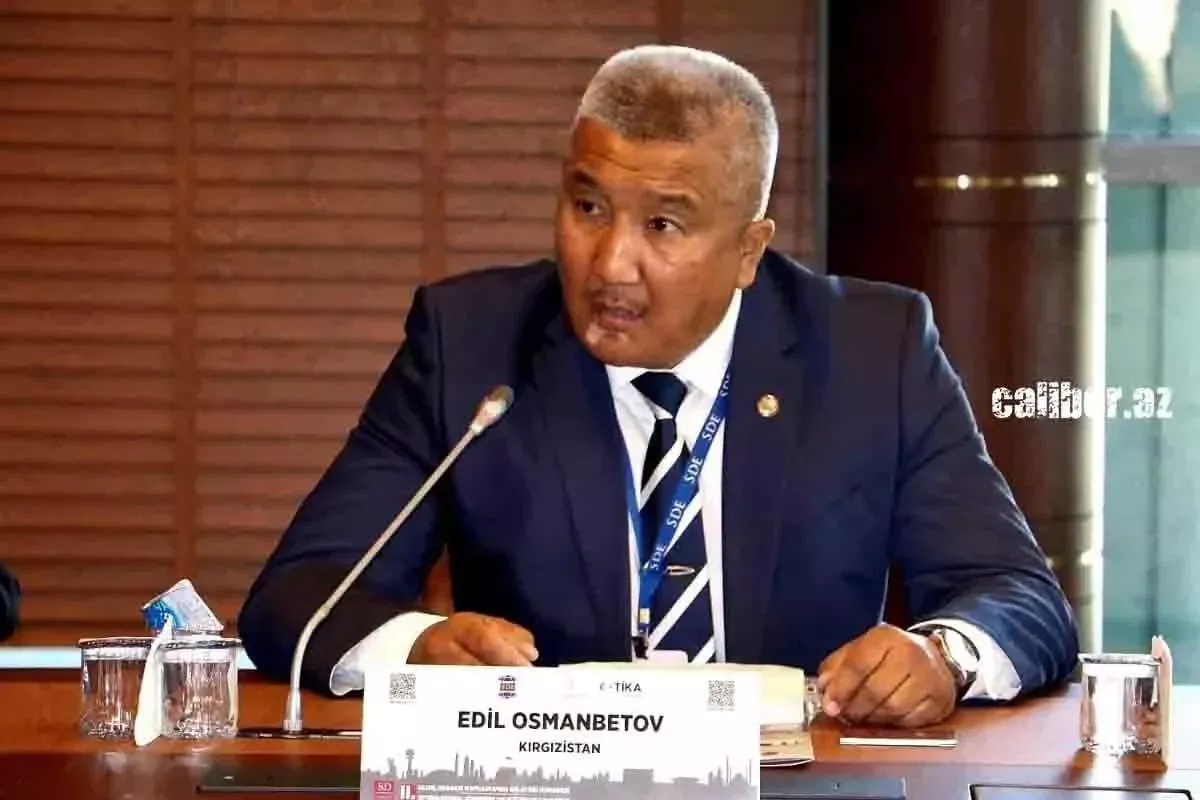
Kyrgyz expert on international relations Edil Osmonbetov believes that Azerbaijan’s inclusion in the Consultative Meeting of the Heads of State of Central Asia marks a new stage in regional cooperation.
“Azerbaijan has joined the Consultative Meeting of the Heads of State of Central Asia, and today the C5+1 format is effectively transforming into C6. This is an extremely important development, as we are living in a new geopolitical reality — characterised by global turbulence and the formation of a new world order. In this context, Central Asia and Azerbaijan are becoming integral elements of a new geoeconomic configuration. A different structure of trade and transport flows is emerging, and it is particularly important now to institutionalise our cooperation,” the expert noted.
According to him, a key factor in this process is the transformation of transport routes between Asia and Europe.
“Today, the route from China through Central Asia to the South Caucasus, and onward to Türkiye and Europe, is acquiring strategic significance. Traditional transit routes, for a number of reasons — including the war in Ukraine, the sanctions policies of Western countries, and the restructuring of global logistics chains — have effectively lost their previous relevance and are likely to remain limited for the foreseeable future. In this context, the importance of the Middle Corridor and other multimodal routes passing through Central Asia and the South Caucasus is greatly increasing.
For the landlocked countries of Central Asia, gaining direct access to European markets and seaports via the Caspian Sea, Azerbaijan, and Türkiye is vitally important.
This plays a fundamental role in the emerging geoeconomy,” Osmonbetov emphasised.
He also noted that this route is directly linked to China’s strategic direction.
“For China, advancing the Belt and Road Initiative, which passes through Central Asia, the Caspian Sea, and Azerbaijan toward Europe, is of fundamental importance. In this way, our region is transforming not into a periphery, but into a connecting link of Eurasia.
At the same time, the Central Asian states are seeking to diversify their economies and foreign economic activities, and in this process, Azerbaijan and the South Caucasus are playing an increasingly prominent role. Meanwhile, the presence of the United States in the region is also growing.
Following the historic meeting of the Central Asian leaders with Donald Trump in November 2025 under the C5+1 format, it was clearly recognised that the region’s significance is rising. The South Caucasus also came into focus due to transport initiatives, including the Trump Route for International Peace and Prosperity (TRIPP).
The visit of U.S. Vice President J.D. Vance to Azerbaijan and Armenia was a landmark event. Such visits signal a shift toward substantive work on strategic and economic issues. The signing of a strategic charter between Azerbaijan and the United States is no longer merely declarative—it represents the practical implementation of a geoeconomic partnership.
The presence of the U.S., as a global superpower, can play a significant role in addressing challenges for both Central Asia and the South Caucasus,” the expert noted.
He also highlighted the importance of integration structures within the Turkic world, particularly the OTS.
“The OTS must continue to develop consistently, as many issues—especially transport and transit projects—are effective only when implemented jointly. The geopolitical weight of our countries can grow precisely through the unification of efforts. Shared history, culture, and traditions provide a foundation for closer integration and for ‘stitching’ the region together, connecting Central Asia with the South Caucasus and Azerbaijan. This is not just a matter of economics, but also of strategic resilience,” Osmonbetov emphasised.







 editor@caliber.az
 +994 55 444-88-98
 Азербайджан, Баку, ул. Низами, 203, Af Business House, 5-й этаж