










EU in crisis: fatigue from the diktat Expert opinions on Caliber.Az
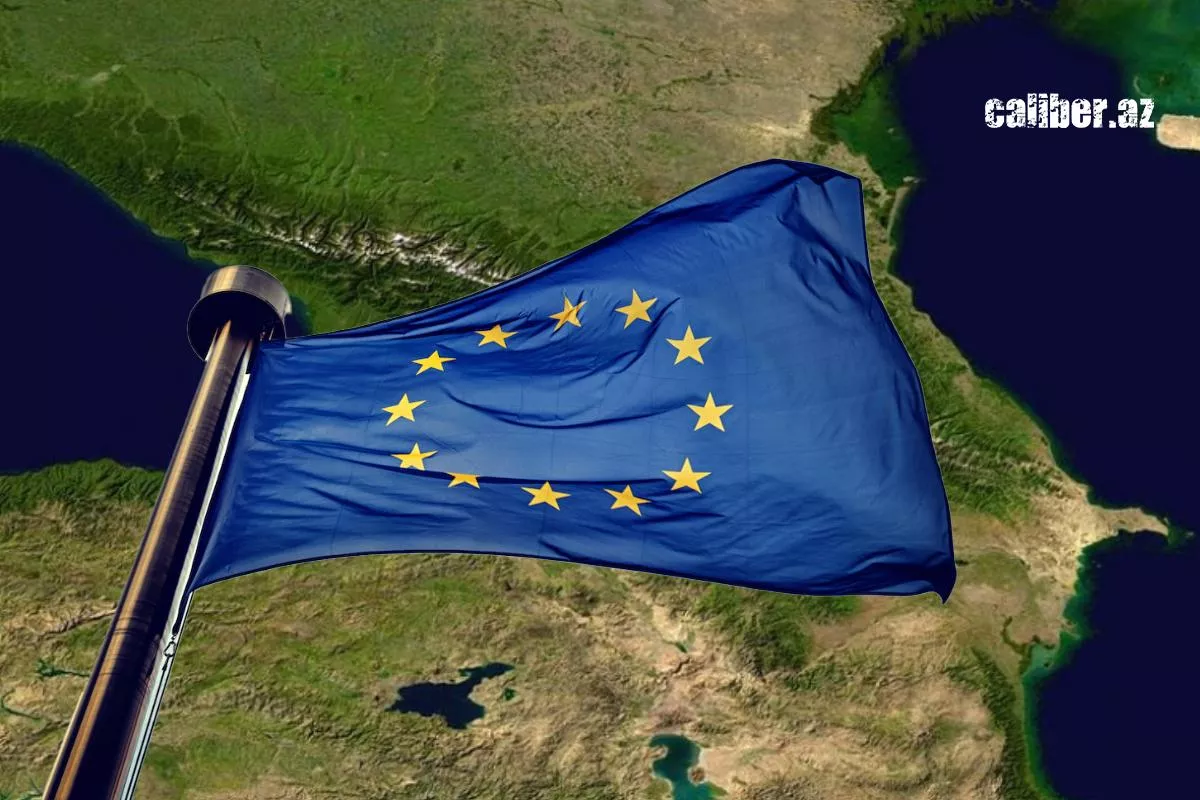
Political and economic challenges within the European Union appear to be intensifying at an alarming pace, as highlighted by recent remarks from European Commission President Ursula von der Leyen.
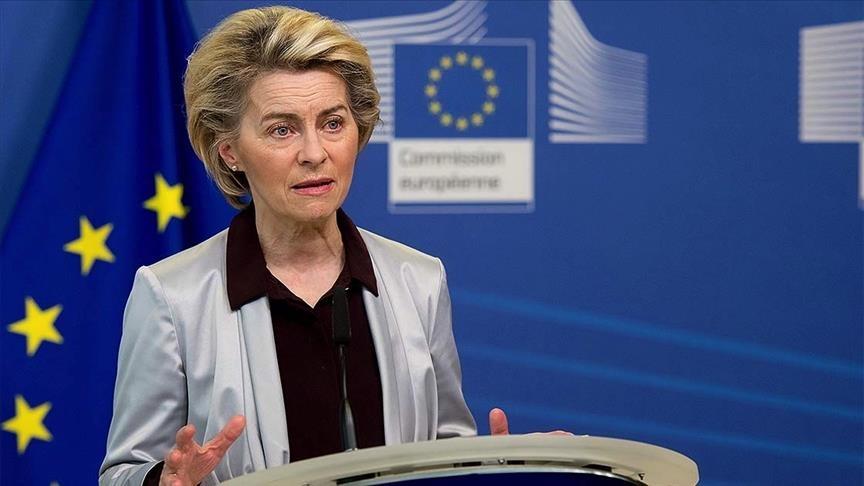
In particular, according to a report by Euractiv, which cites a letter sent to EU leaders ahead of the European Council’s economy summit, she proposed that EU countries move forward with reforms in smaller groups, without waiting for full agreement from all 27 member states. According to von der Leyen, the EU’s main problem remains an underdeveloped single market, where internal barriers are equivalent to a 45 per cent tariff on goods and 110 per cent on services. To accelerate integration, the European Commission president suggested that countries make greater use of the “enhanced cooperation” mechanism, which allows nine or more states to work on specific projects without requiring unanimous approval from the entire EU.
Does this statement by the Commission president indicate a new institutional crisis within the European Union, alongside the already existing serious disagreements? European experts provide their answers to this question for Caliber.Az.
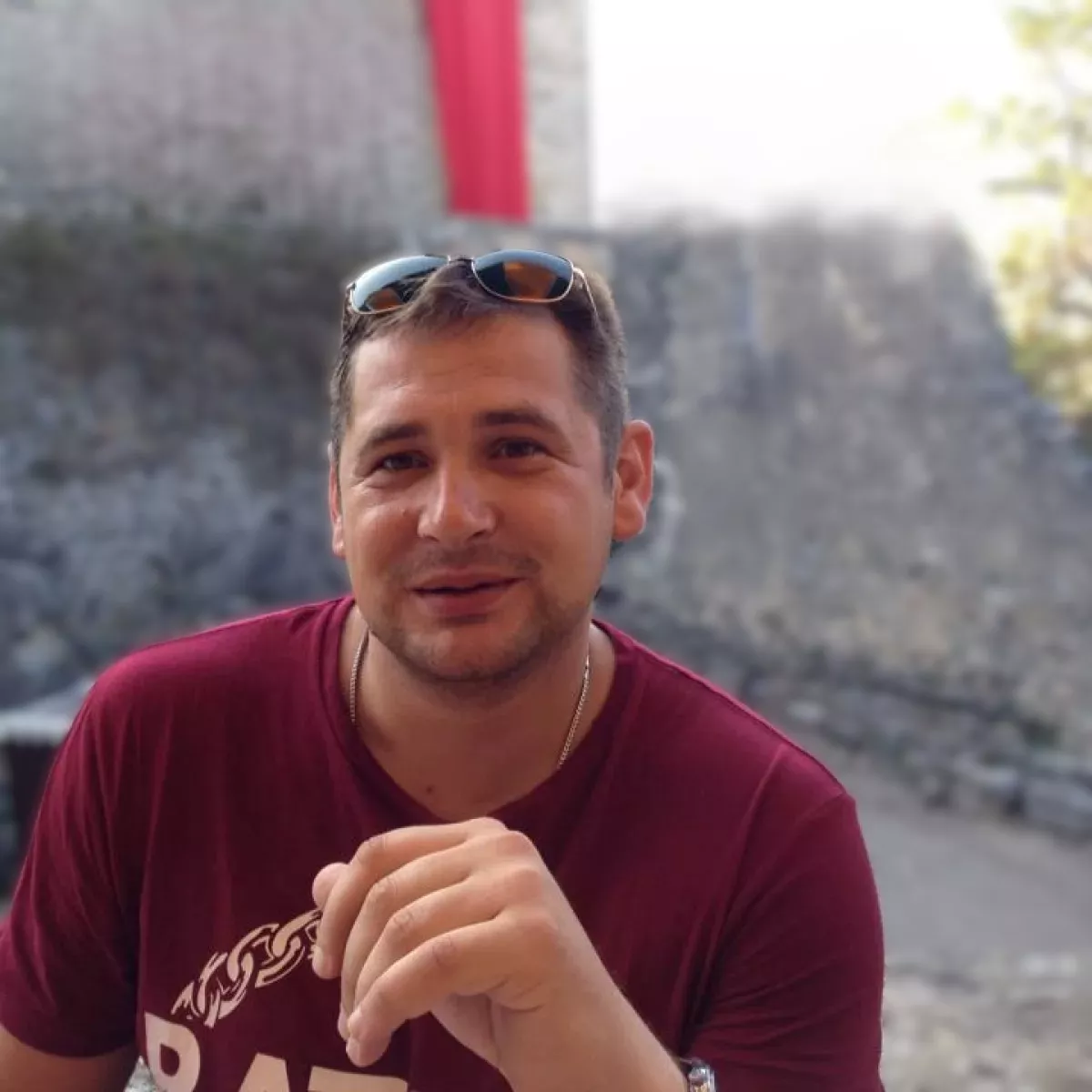
Austrian political scientist Rudolf Valeev argues that the EU is now at risk of a breakdown in its institutional mechanisms and collective functions.
“Thus, Austrian political scientist Rudolf Valeev believes that the European Union is currently facing the risk of the erosion of its institutional mechanisms and integrative functions.
“It all began long before the Ukrainian issue, during which EU member states became noticeably divided over how to proceed: should they provide Kyiv with weapons, or place greater emphasis on peace negotiations with Moscow? Organisational contradictions within the EU had been accumulating for years due to Brussels’ rather controversial leadership role, which often proved to be excessively rigid, despite its declared commitment to democratic principles. With the creation of the European Union, the issue of internal tariffs and economic policy did not disappear—indeed, the latter was largely imposed by Brussels, and fatigue from this diktat became one of the triggers of the looming crisis.
The Russian-Ukrainian war merely deepened the rift, adding political disagreements to existing dilemmas. Over the past four years, all these problems have significantly intensified, as assistance to Kyiv has come at considerable cost to each EU member state, while the stance of countries such as Hungary and Slovakia, which call for ignoring Ukraine’s demands, undermines the principle of consensus within the EU.
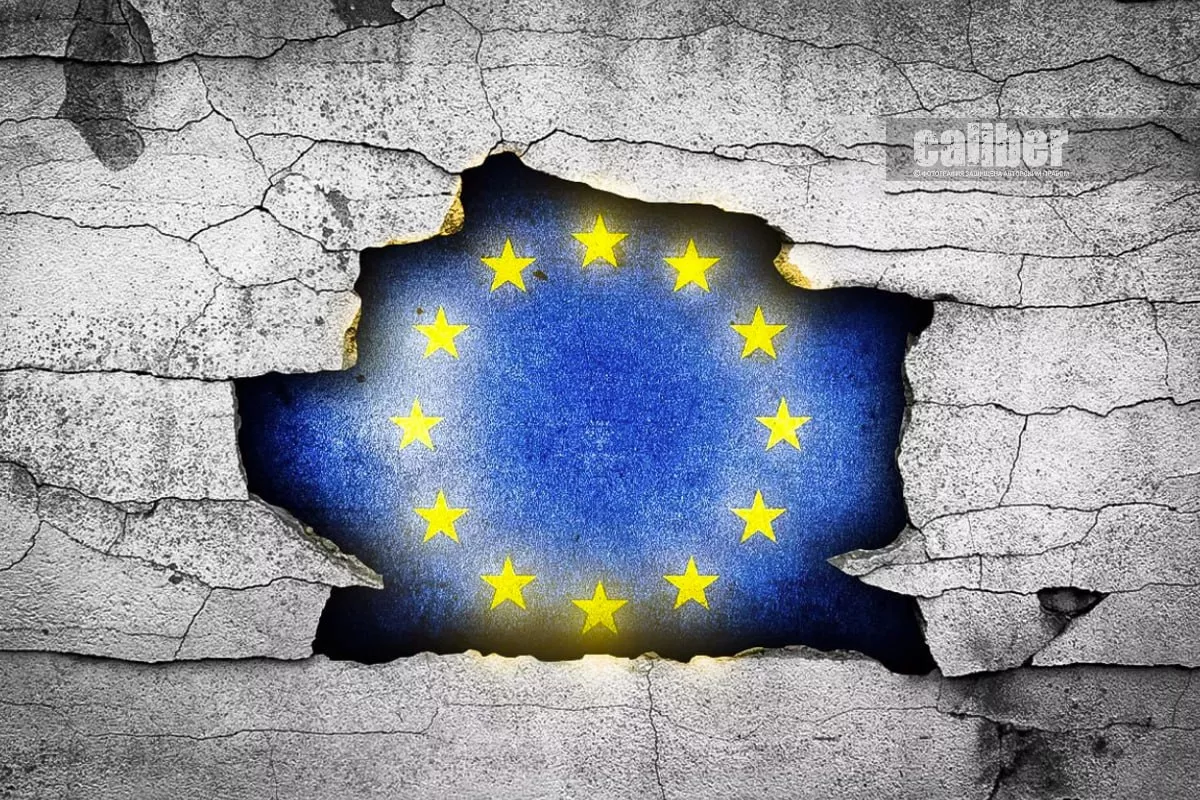
Currently, these contradictions have intensified even further. Unlike previous disputes, however, the EU system itself is now overloaded—it has weakened, almost completely lost its flexibility, and its ability to respond collectively to challenges is severely diminished. Whereas the EU’s leadership mechanism once functioned effectively, compelling dissenting states to accept unpopular decisions with relative strictness, today a number of member states operate in a ‘permanent opposition’ mode, resisting almost every decision from Brussels.
This extends beyond the Ukrainian crisis to include EU migration and financial policies. Internal sanctions, which once served as an effective means of pressure against ‘disobedient’ states, no longer intimidate or concern opposition countries, as they are engaged in a near-constant ‘political duel’ with Brussels.
So, Ursula von der Leyen’s statement is just the tip of the iceberg of the conflicts and disagreements currently confronting the European Union. As we can see, there is still no clear mechanism for resolving this deadlock, and none is likely to emerge in the near future,” Valeev stated.
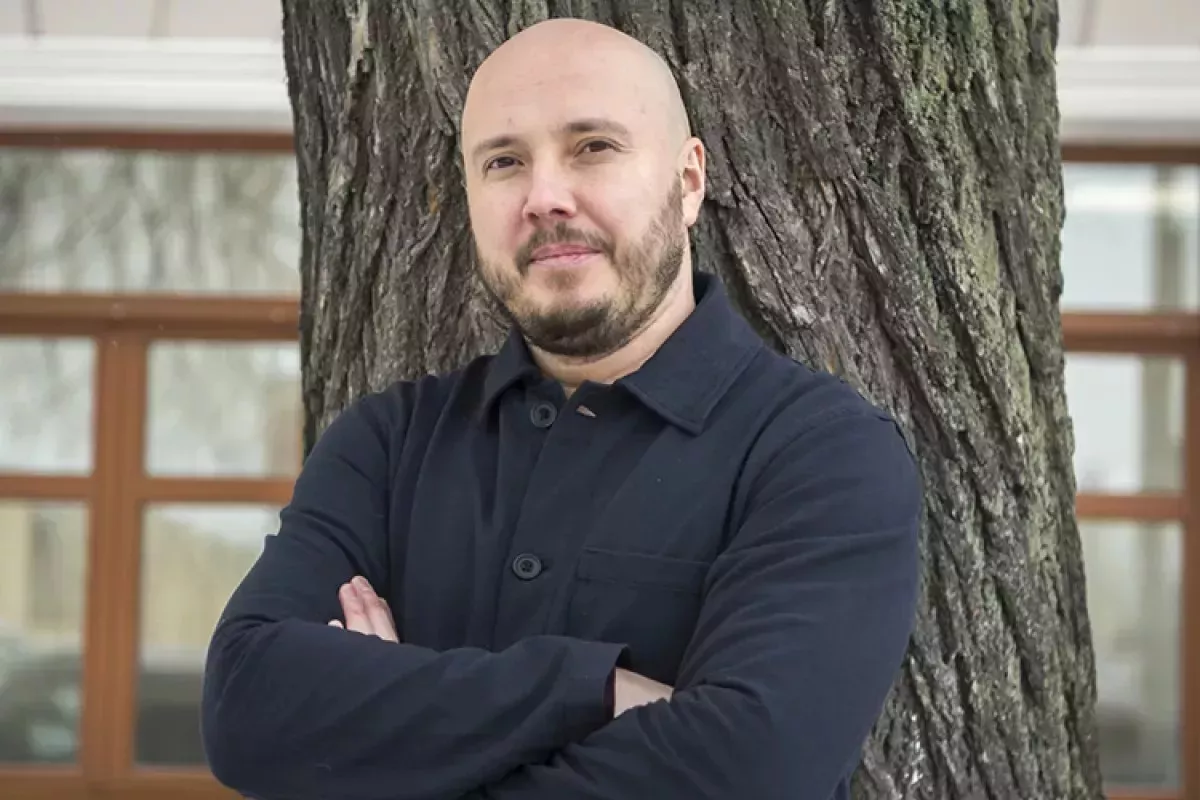
Meanwhile, Russian-German political scientist and editor-in-chief of the portal Poistine, Ruslan Aysin, believes that Ursula von der Leyen is simply trying to find a way out of the current deadlock. Achieving consensus among all 27 EU member states on certain issues is virtually impossible, as a “group of dissenters,” including countries such as Slovakia and Hungary, blocks the formation of a unified position on many of Brussels’ decisions.
“Therefore, the EU is exploring alternative approaches. In particular, a new scheme is being discussed that would allow decisions to be made by a simple majority, without the consent of all member states. To me, this seems the most practical way to define a common position, because unanimity is impossible in principle—especially in such a complex political entity as the European Union.
Calling this a complete failure of the EU’s concept would be premature. We must remember that we do not live in a world of perfect systems. When the EU’s structure and mechanisms were originally designed, it was hardly anticipated that the world would face a global economic crisis, that war would break out on European soil, or that the United States—its main geopolitical partner, ally, and at times overseer—would effectively engage in a political struggle against the European Union.
In these circumstances, EU bureaucrats are compelled to find a way out of the deadlock. In my view, this situation constitutes a crisis—a major flaw in the system, a breakdown of previous mechanisms, and an inability to respond effectively to pressing challenges. It is highly unlikely that anyone will attempt to rewrite or amend the EU Charter at this stage, as such a step would require a referendum and be extremely complicated.
Most likely, a new decision-making formula will be introduced, with final consensus postponed for some time. Until that consensus is reached, majority voting seems to be the only practical solution,” Aysin concluded.







 editor@caliber.az
 +994 55 444-88-98
 Азербайджан, Баку, ул. Низами, 203, Af Business House, 5-й этаж