










Russia’s carrot and stick: pressuring Armenia amid regional shifts Expert opinions on Caliber.Az
The atmosphere surrounding the recent visit of Armenian Parliament Speaker Alen Simonyan to Russia could best be described as “tense”.
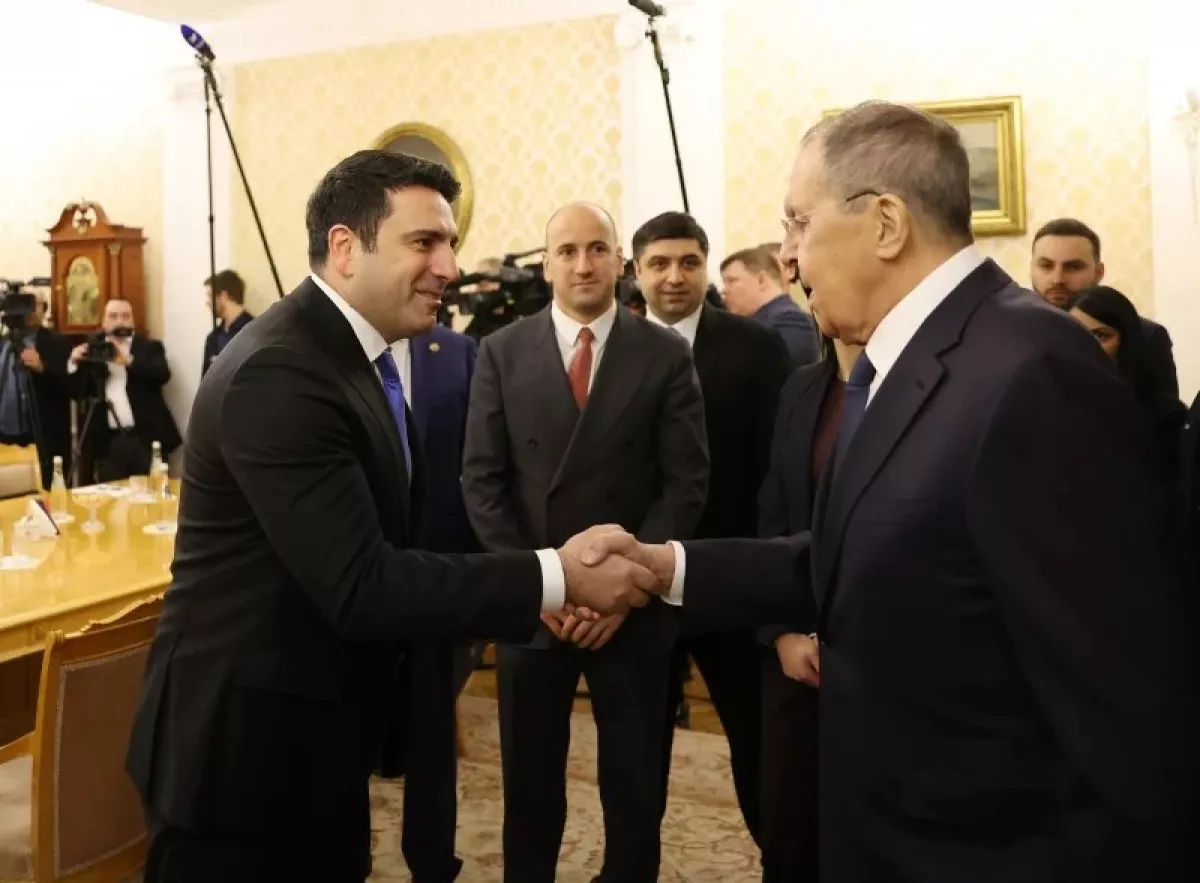
During the meeting between Armenian National Assembly Speaker Alen Simonyan and Russian Foreign Minister Sergey Lavrov, the conversation took a tense turn. Lavrov began by calling Armenia an “ally and strategic partner,” but quickly, with barely concealed irritation, criticised several statements from the Armenian authorities affecting relations with Russia. He specifically highlighted Yerevan’s appeals to the EU to “protect the country from external interference” ahead of elections—which contained implicit references to Russia—calling them “provocative.” He also described claims of “mythical threats from the north” as puzzling to the Russian side.
In response, Simonyan sought to defuse the situation, stressing that Armenia has “no perception of Russia as an adversary and never will.” He noted that such a stance would be inappropriate given the long-standing ties between the countries, while acknowledging that Yerevan still has unresolved questions regarding the Collective Security Treaty Organisation (CSTO).
How is the rhetoric of these talks perceived in Armenia and among other CSTO and Eurasian Economic Union (EAEU) member states? Caliber.Az spoke with Armenian and Kazakh political analysts to find out.
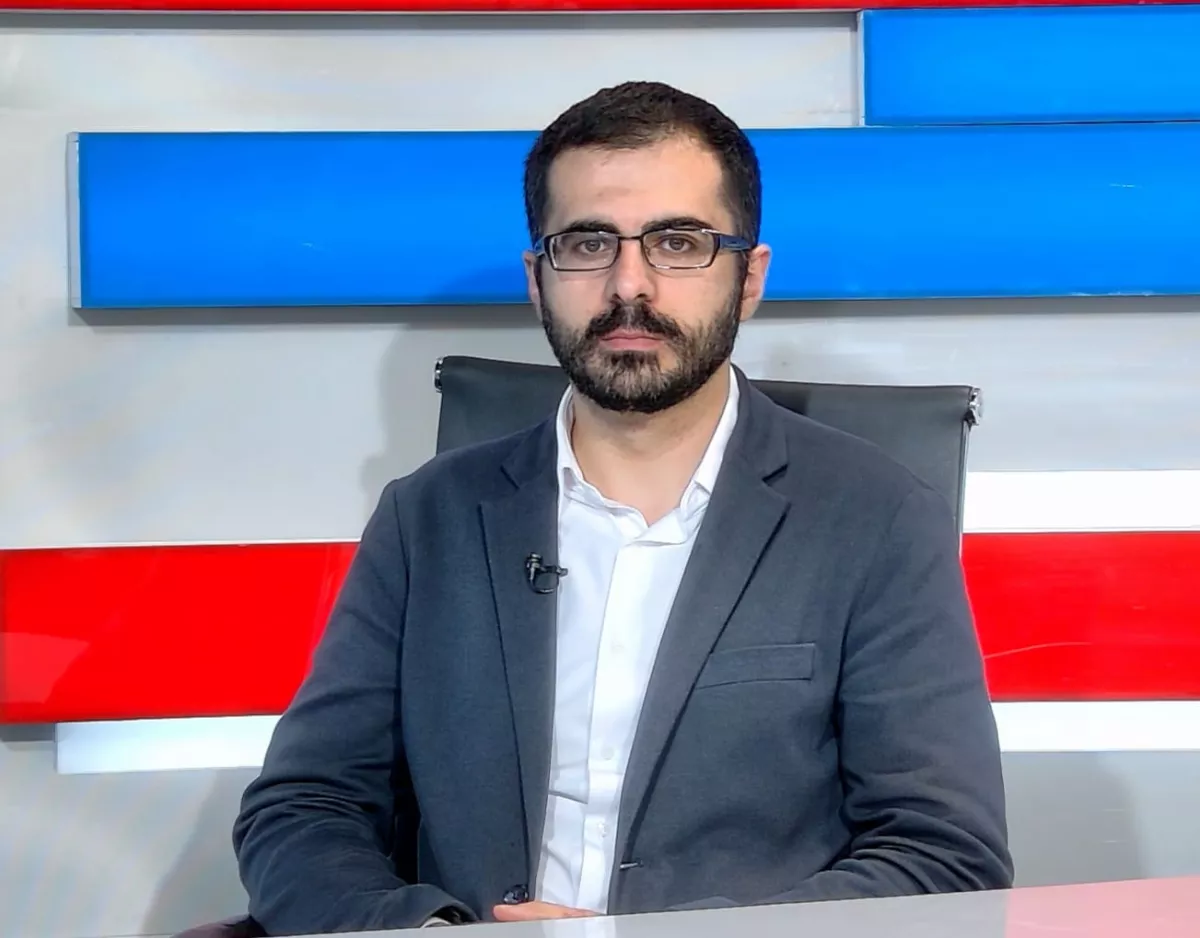
According to Samvel Meliksetyan, an expert at the Center for Security Policy Studies and a representative of the Armenian delegation to the “Bridge of Peace” initiative, the key point is the context of the visit, which was marked by growing tension and Russian dissatisfaction with developments in the region—primarily related to TRIPP, as Russia was excluded from the project. In this context, it is worth recalling statements by Russian Foreign Ministry spokesperson Maria Zakharova and Deputy Prime Minister Alexei Overchuk, in which they repeatedly emphasised the need to consider Russia’s interests and participation in the project. In addition, Moscow is seriously concerned about the intensification of Armenian-American relations and Yerevan’s growing ties with the European Union.
“Another sensitive issue for Russia is the upcoming elections in Armenia. Moscow is seeking to strengthen its position by various means to influence the outcome, safeguard its influence, and maintain its presence in the region. Russian authorities view developments in Armenia as potentially threatening and approach the country’s leadership with a degree of mistrust. This becomes especially evident when examining pro-Kremlin media coverage—for example, Moskovskii Komsomolets recently published a highly critical article highlighting Russia’s exclusion from TRIPP, the strains in Armenian-Russian relations, and related issues.
It is also important to note the questions directed at the Armenian Parliament Speaker during his meeting with Chairwoman of the Federation Council Valentina Matviyenko. These questions were pointed and reflected Russia’s perception of developments in the South Caucasus,” he said.
According to the expert, the negotiations included criticism of the Armenian authorities’ so-called “pro-Western” policies, their confrontation with the Armenian Church, and what Moscow perceives as the political persecution of Russian businessman Samvel Karapetyan, who is currently in custody in Yerevan. The discussions also featured language characteristic of Russian media or the Armenian opposition affiliated with Kremlin-linked circles.
“These are all highly sensitive issues, and the fact that they were on the agenda and directed at the Speaker of the National Assembly is certainly no coincidence. Nor is it surprising that protests were held in various Russian cities, such as Armavir and Moscow, demanding an end to the persecution of the Armenian Church, during which the brother of the Catholicos actively collected signatures against the actions of the official Yerevan authorities. We know that materials circulated by these groups emphasise the supposed hostile policies of the Armenian government, invoke the idea of a ‘common homeland,’ and cite examples of ethnic Armenians who fought in the war against Ukraine as so-called ‘heroes,’” Meliksetyan stressed.
He believes that all of this indicates that Russian authorities are attempting to involve Armenians living in Russia in the process. It also serves as a component of the struggle against Armenia’s official authorities and, potentially, as one of the factors posing a threat to the upcoming parliamentary elections in Armenia.
“Thus, at this stage, the Russian side appears to be engaging with Yerevan using a classic ‘carrot and stick’ approach. On one hand, Deputy Prime Minister Overchuk, in carefully worded statements, highlights the benefits of Armenia’s membership in the Eurasian Economic Union and close ties with Russia, while gently warning Yerevan and the Armenian people against the influence of so-called pro-Western policies and deeper political and economic engagement with the EU and the United States. This represents what I would call the ‘soft wing.’
On the other hand, a more hardline approach emphasises alleged threats from Azerbaijan and Türkiye, aiming to intimidate the Armenian electorate and discourage support for a peace agenda and the normalisation process with Baku. The issue for Russia is that normalisation would mean a significant loss of leverage in the South Caucasus. The same logic applies to the restoration of Armenian-Turkish relations: the Armenia-Azerbaijan conflict and the closed Armenia-Türkiye border have historically been central to the regional order and the influence Russia held over its neighbours—a framework established in the 1990s, when the entire region was heavily dependent on Moscow and wary of pursuing foreign policy priorities independently,” said Meliksetyan.
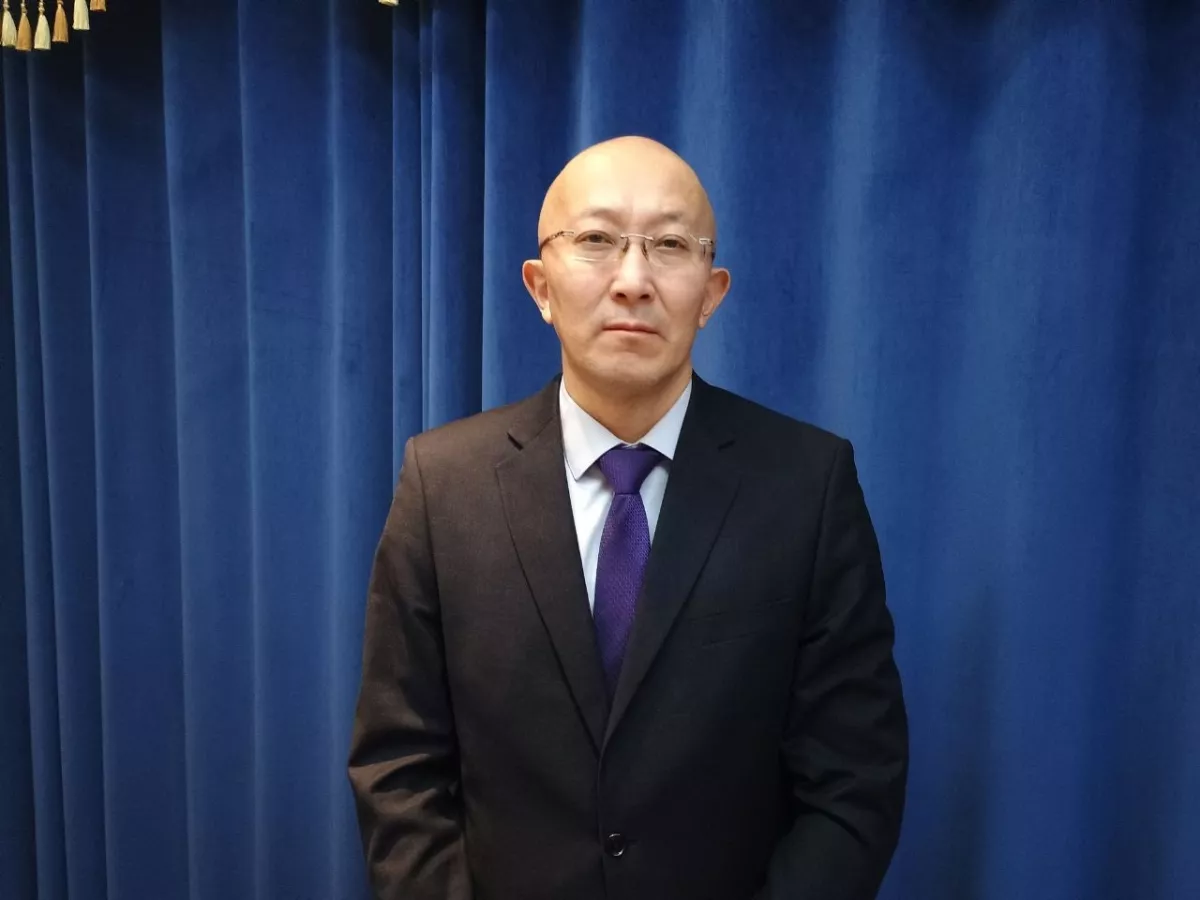
Meanwhile, Farhad Kasenov, a Kazakh political analyst and head of the A+Analytics research centre, believes that Moscow has recently reacted with clear irritation to the actions of Armenia’s current leadership—and there is a logic to this.
“Since 2020, following the 44-day war and the counter-terrorist operation in Karabakh in September 2023, Armenia’s leadership has made the only sensible choice: pursuing peaceful resolutions to disputes and working toward sustainable peace. For the first time in many years, genuinely favourable conditions have emerged in the South Caucasus for establishing lasting stability. Both sides—Yerevan and Baku—are actively taking steps in this direction. For instance, Azerbaijan lifted its ban on transit shipments to Armenia, allowing goods, including wheat from Russia, to pass through.
At the same time, Armenia is effectively beginning to emerge from the economic isolation imposed by the long-standing conflict. Against this backdrop, significant changes are taking place within the country: the Armenian side is starting to reap tangible economic benefits, support for the so-called ‘party of war’ is gradually declining, leaving it with fewer backers, while the ‘party of peace’ is gaining strength. This trend is becoming increasingly stable, and the current leadership is fully aware of it.
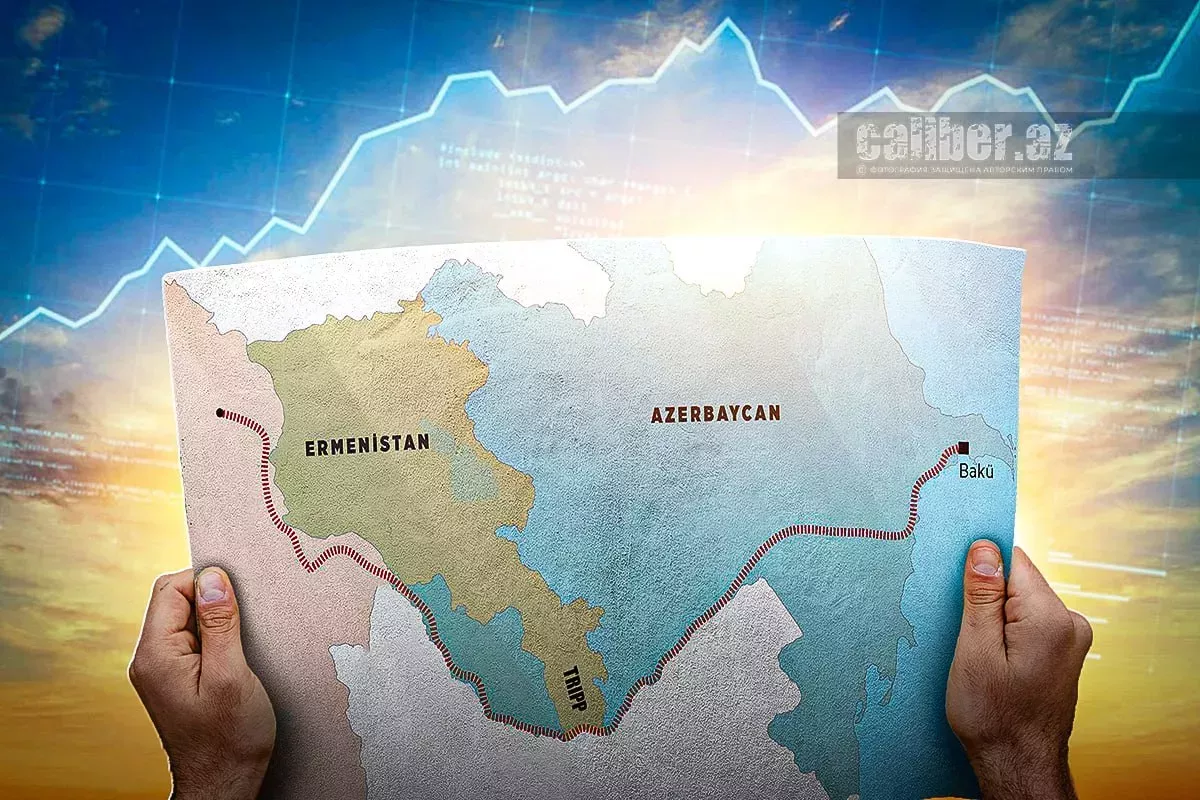
All of this is, of course, linked to international developments, including the agreements reached in Washington. If a constitutional referendum is held and new transport projects, including the so-called ‘Trump Route,’ are launched, Armenia stands to gain substantial economic benefits. It is already possible to say that peace is taking hold in the South Caucasus—a development that, paradoxically, irritates the Russian leadership. In such a scenario, Moscow loses many of its traditional levers of influence in the region. Previously, Russia acted as an arbiter between the two opposing sides, extracting political dividends and maintaining its status as a key player, but the old formats never led to a real resolution of the conflict,” the expert said.
According to him, the prolonged status quo was unsatisfactory for both Azerbaijan and, in the long term, for Armenia itself, which had remained vulnerable and heavily dependent on Russia’s military and political presence.
“That model is now becoming a thing of the past. Russia is losing its influence across the South Caucasus and within Armenia itself, and it can no longer use the Armenia-Azerbaijan conflict to exert leverage over Baku. With the launch of new transport and logistics routes—including rail connections through Zangezur—it is becoming increasingly clear that Russia is no longer a necessary mediator in regional affairs. In this context, Yerevan is perfectly justified in asking: ‘Why do we need the CSTO if we cannot rely on it in a critical moment?’ This also raises questions about the necessity of Russian military bases on Armenian soil,” he emphasised.
According to the political analyst, Armenia is increasingly recognising that the true guarantor of security in the South Caucasus is not an external patron, but a policy rooted in peace and constructive engagement.
“Respecting borders and building normal, healthy relations with neighbouring countries is the strongest guarantee of security. No outside mediator is required—especially one that, for decades, has failed to contribute to genuine peace in the region. This is why, for parts of the Russian political establishment, Armenia has become an ‘inconvenient’ and frustrating factor, which explains the increasingly harsh and confrontational rhetoric directed at it,” Kasenov concluded.







 editor@caliber.az
 +994 55 444-88-98
 Азербайджан, Баку, ул. Низами, 203, Af Business House, 5-й этаж