










Iranian crisis and Turkish diplomacy Experts on Erdoğan’s trilateral summit proposal
The situation in Iran and the potential for a new U.S. strike remain at the centre of global attention, drawing concern from world leaders.
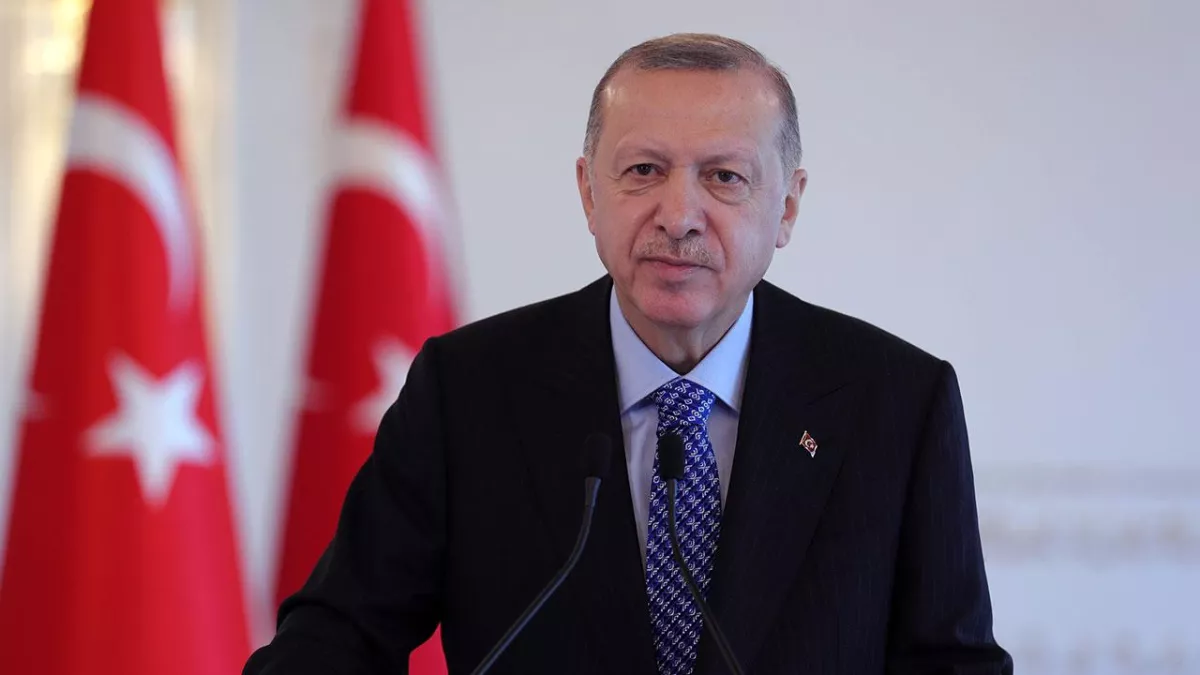
Recently, Turkish President Recep Tayyip Erdoğan proposed a trilateral summit on the Iran crisis during a phone call with U.S. President Donald Trump. Erdoğan suggested that the meeting could take place via videoconference, aiming to reduce risks and accelerate diplomatic negotiations. The Turkish president stressed the importance of a diplomatic approach amid the growing tensions and the threat of military conflict.
Could Türkiye’s initiative help prevent further escalation around Iran? Turkish political analysts share their perspectives on this question for Caliber.Az.
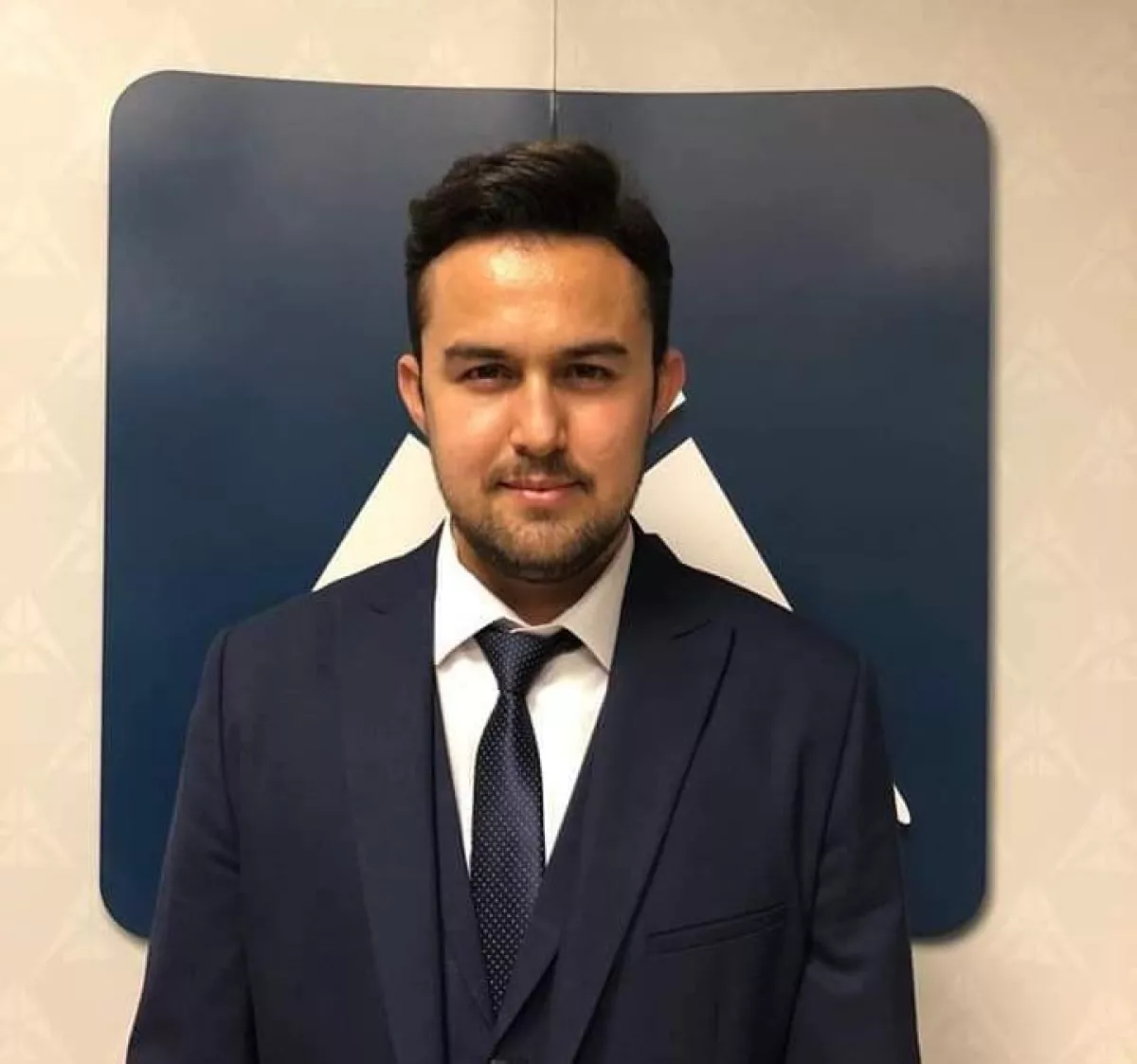
Göktuğ Çalışkan, an international relations expert at Ankara Center for Crisis and Policy Studies (ANKASAM), believes that Erdoğan’s proposal to hold a trilateral summit on the situation in Iran can be seen as one of the few diplomatic channels capable of at least partially mitigating the escalation and preventing the crisis from turning into a military conflict.
“Thanks to its good-neighbourly relations with the Islamic Republic and its institutional ties with Washington as a NATO member, Türkiye is one of the few actors able to bring to the ‘safe negotiating table’ issues that both sides consider too difficult for direct discussion. Ankara’s clear statement of opposition to any military scenario against Iran, as well as its decision to include the Iranian issue on the special agenda of the country’s National Security Council, indicate that this initiative is not merely a symbolic gesture, but part of a broader strategy to manage the crisis.
Of course, a single summit will not resolve the deep structural disagreements over Iran’s nuclear programme, nor will it end discussions about ‘regime change.’ However, it can serve as a ‘braking mechanism,’ especially in terms of reducing the risk of escalation caused by miscalculations, accidents, or the actions of intermediaries. In short, Erdoğan’s proposal does not guarantee complete conflict prevention, but it has the potential to lower the threat of escalation and create a channel through which the parties can directly discuss ‘red lines,’” he said.
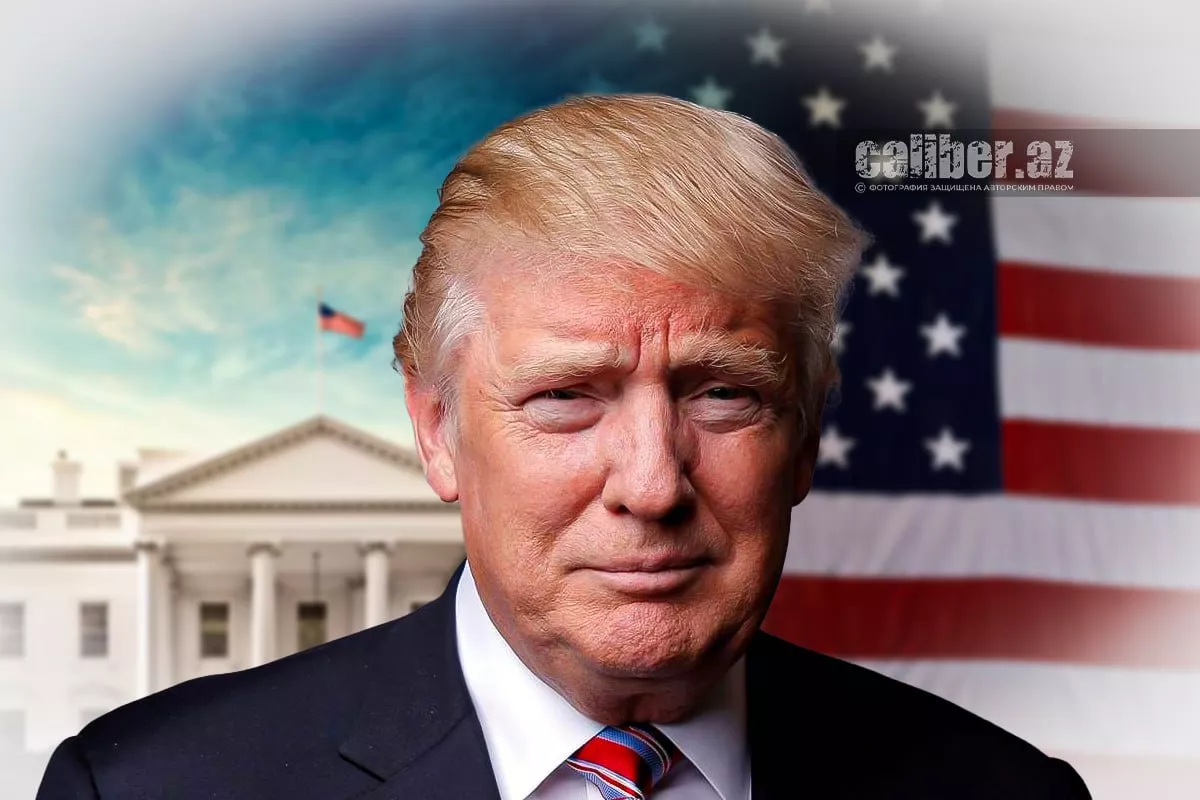
According to the political analyst, by increasing pressure on the Islamic Republic of Iran, the Trump administration is sending Tehran a clear message: “Sit at the negotiating table, or face a much harsher strike.” At the same time, statements about a “massive armada heading to Iran” and threats of an operation even more severe than in 2025 show that the White House intends to maintain the toughest possible negotiating stance.
“However, some reports suggest that Trump has not closed the door on Erdoğan’s proposal for a trilateral summit, and there is information indicating that he ‘welcomed it warmly.’ The U.S. president may view such a format as an opportunity to turn the ‘maximum pressure’ policy into a de facto negotiation process, which makes the Turkish president’s initiative appealing, at least from a tactical standpoint. However, the Iranian side is unwilling to enter negotiations as long as threats continue. Therefore, whether Trump accepts or rejects this proposal will depend on how effectively Erdoğan can establish unofficial communication channels and how Washington balances pressure with dialogue,” Çalışkan said.

Meanwhile, according to Turkish international affairs expert Kerim Has, Recep Tayyip Erdoğan’s initiative to organise a trilateral summit—envisaging contact between the presidents of the U.S., Iran, and Türkiye via videoconference, which is essentially equivalent to a face-to-face meeting—carries enormous political significance.
“The Iranian crisis opens up a wide space for Türkiye to manoeuvre, as Ankara can play a key mediating role both between the Islamic Republic and the West in general, and, importantly, between Iran and the United States. For the Republic of Türkiye, this is a rare opportunity to establish itself as an indispensable regional player,” he noted.
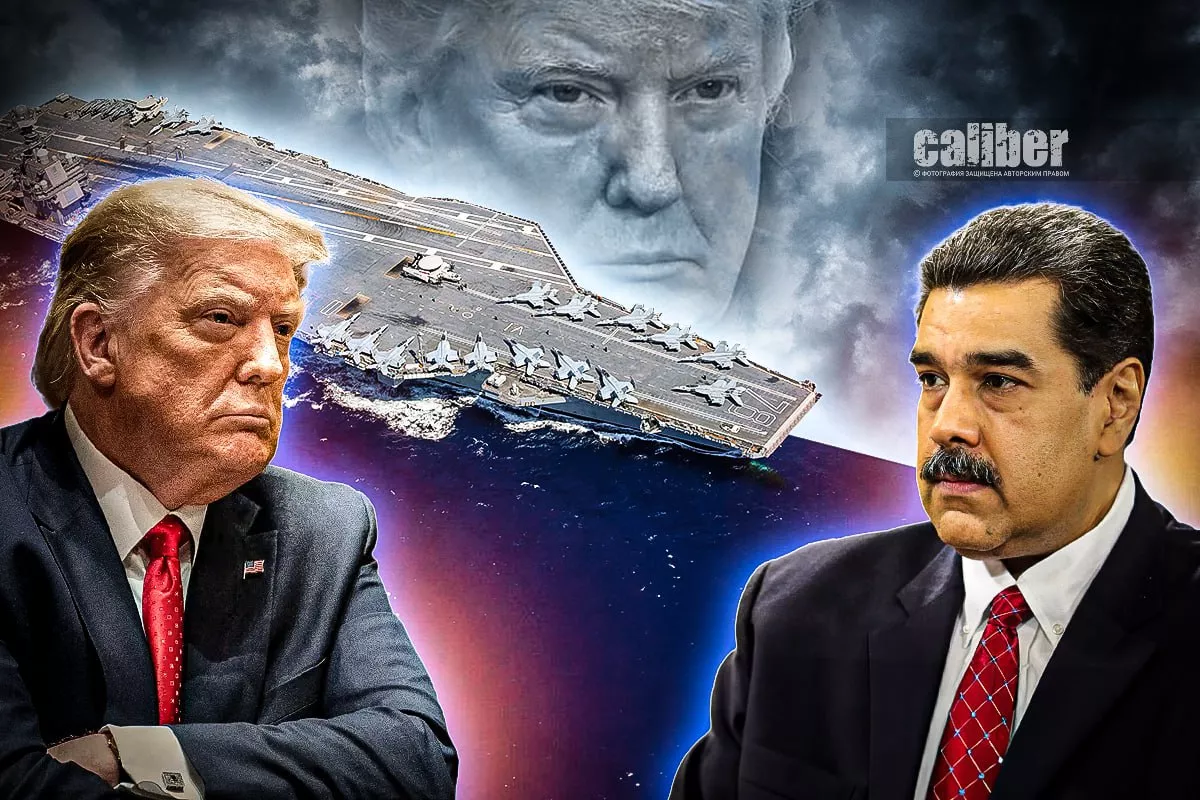
The expert also emphasised that U.S. pressure on Iran in recent months has been unprecedented:
“A very intensive process is underway: American military forces are amassing around the country, with aircraft, ships, and military equipment being deployed to the region. As I understand it, Donald Trump and his administration initially want to implement a model similar to Venezuela’s—that is, a blockade, attempts to economically strangle Iran, hinder the movement of its vessels, and thereby effectively halt Iranian oil supplies to global markets. At the same time, a so-called special operation may also be under consideration.
However, the Islamic Republic is not Venezuela, where part of the political and military elite effectively betrayed Maduro and cooperated with the Americans, allowing an operation to be carried out in a matter of hours with minimal losses. In Iran, the situation is entirely different: both the political and military elite broadly support the current government. Whereas in Venezuela neutralising a single leader was sufficient, in the Islamic Republic the United States would have to conduct an operation against an entire system—the circle surrounding Khamenei, the ayatollahs, Iranian hardliners, and the IRGC. This is no longer a simple undertaking, but a scenario with enormous risk of the conflict escalating into a full-scale war.”
According to the expert, this very prospect is what motivates Türkiye to act as proactively as possible:
“For Ankara, this conflict is directly dangerous. In the event of a protracted war, Türkiye could face a massive wave of migrants from Iran—potentially even larger than the Syrian one—since a significant Turkic population resides in the Islamic Republic. This could deliver a colossal blow to Türkiye’s economy and social infrastructure. That is precisely why the Republic of Türkiye is taking the initiative to mediate.
Beyond Ankara, other key regional players—Saudi Arabia, Qatar, and the UAE—are also not interested in war and are signalling this to the United States, fearing that Tehran could respond with strikes against U.S. bases located on their territories, which would once again plunge the region into chaos.”
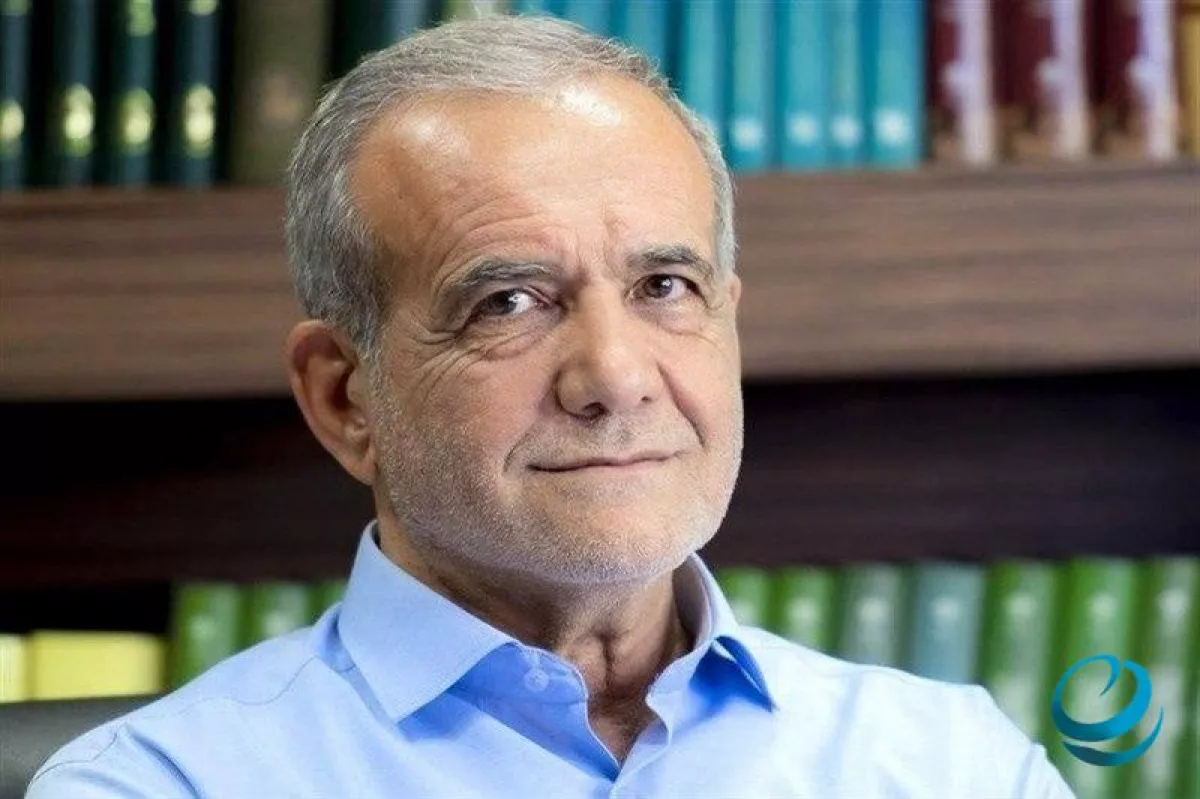
Separately, Kerim Has addressed the personality of Iranian President Masoud Pezeshkian and Trump’s strategy:
“Pezeshkian is not a hawk; he is more of a dove, a man of moderate views compared to the power of the ayatollahs. We saw this during the protests, when he spoke about the need to listen to the people, acknowledged the authorities’ responsibility for economic problems, and called for dialogue. Pezeshkian is interested in de-escalation.
Donald Trump, for his part, does not want a major war with Iran; his goal is not to destroy the Iranian state, but to make the regime more manageable and compliant. If this can be achieved by strengthening Pezeshkian’s position and creating a dialogue channel through Türkiye—bypassing the hardline hawks—then this is the optimal outcome for the United States. In my view, this is precisely the logic behind Erdoğan’s initiative, which indeed has a real chance of success,” Has concluded.







 editor@caliber.az
 +994 55 444-88-98
 Азербайджан, Баку, ул. Низами, 203, Af Business House, 5-й этаж